The Role of MDCT Coronary Angiography in the Detection of Benign Varieties and Anomalies of Coronary Blood Vessels—A Narrative Review
Ana Mladenovic Markovic, Ana Tomic, Miodrag Nisevic, Biljana Parapid, Nikola Boskovic, Marina Vitas, Miona Jevtovic, Sandra Grujicic

TL;DR
This review discusses how MDCT coronary angiography helps detect benign and anomalous coronary artery variations, which can sometimes lead to serious heart issues.
Contribution
The paper provides a narrative review integrating current knowledge on detecting coronary artery anomalies using MDCT angiography.
Findings
MDCT angiography is a non-invasive and accurate method for visualizing coronary artery variations.
Coronary artery anomalies can lead to hemodynamic disturbances and increased risk of atherosclerosis.
Early detection of these anomalies is crucial to prevent life-threatening complications.
Abstract
Coronary arteries may vary in quantity, point of origin, or course. These variations fall under the category of anatomical variants/anomalies of the coronary arteries, representing congenital abnormalities of the coronary vascular system. Generally, they are benign, asymptomatic, and identified inadvertently during coronary angiography conducted for alternative indications. However, in some cases, the anomaly’s characteristics or its interaction with surrounding structures may cause hemodynamic disturbances. These disturbances can lead to turbulent blood flow, which in turn poses an increased likelihood for the development of atherosclerosis and myocardial ischemia. If symptomatic, potential manifestations include chest pain, arrhythmias, syncope, myocardial infarction, and sudden cardiac death. Given the potential for life-threatening complications in certain cases, the early and…
Genes, proteins, chemicals, diseases, species, mutations and cell lines named across the full text — each resolved to its canonical identifier and authoritative record.
Click any figure to enlarge with its caption.
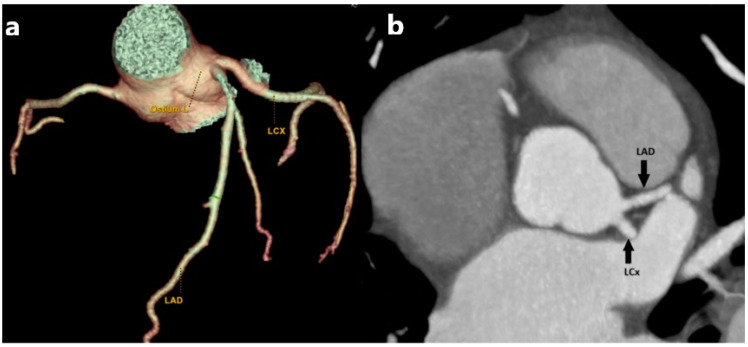 Figure 1
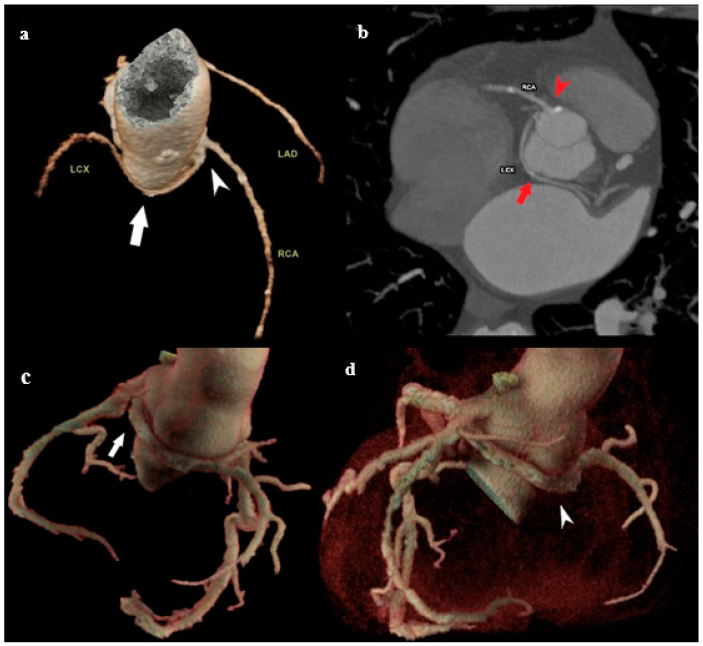 Figure 2
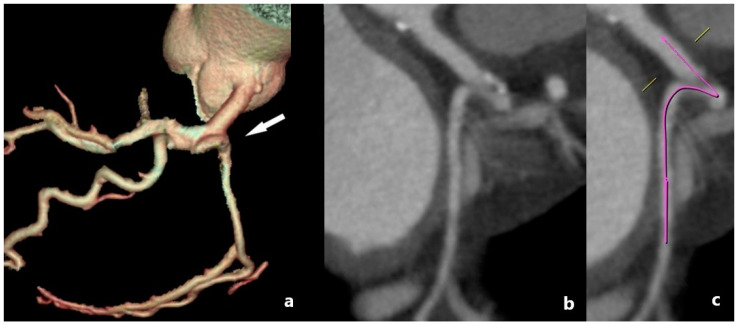 Figure 3
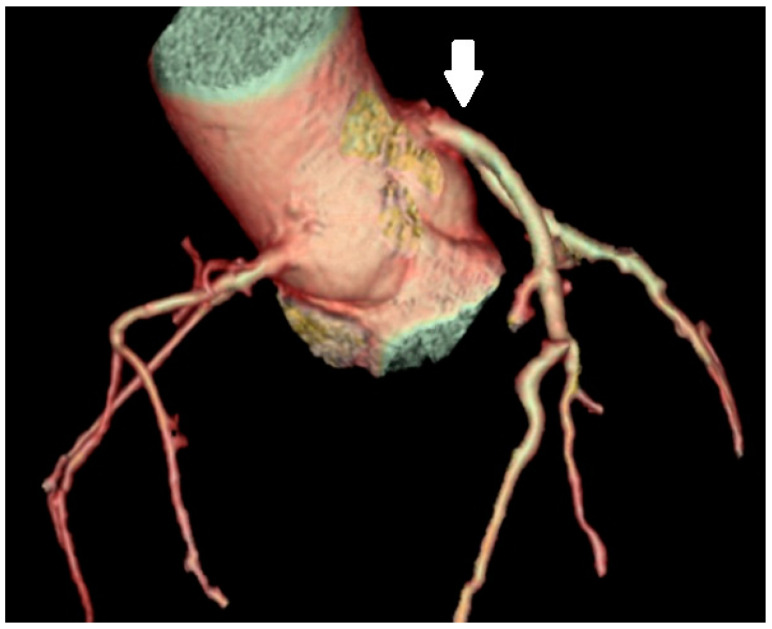 Figure 4
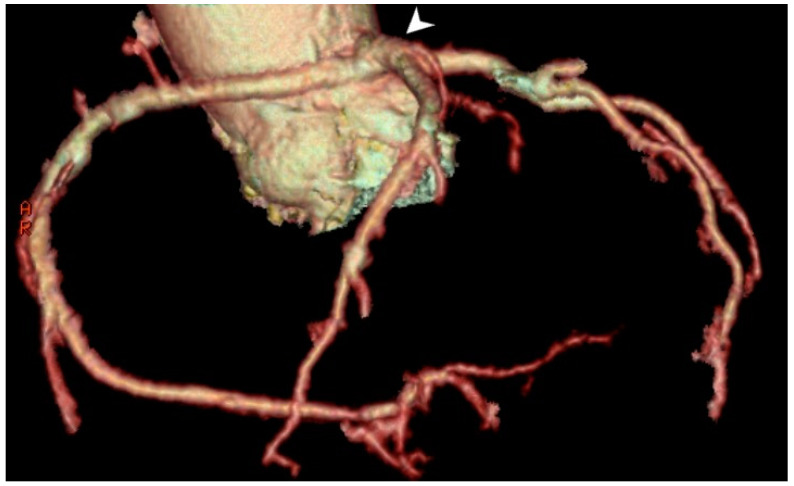 Figure 5
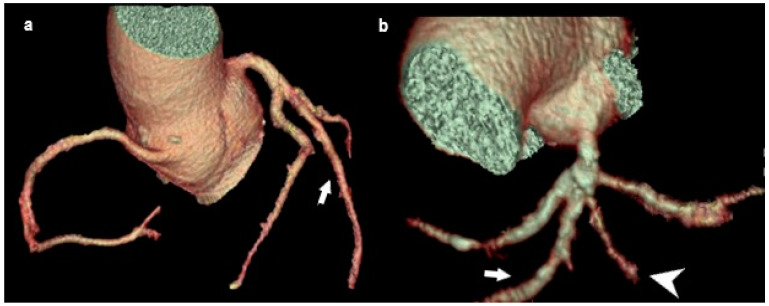 Figure 6
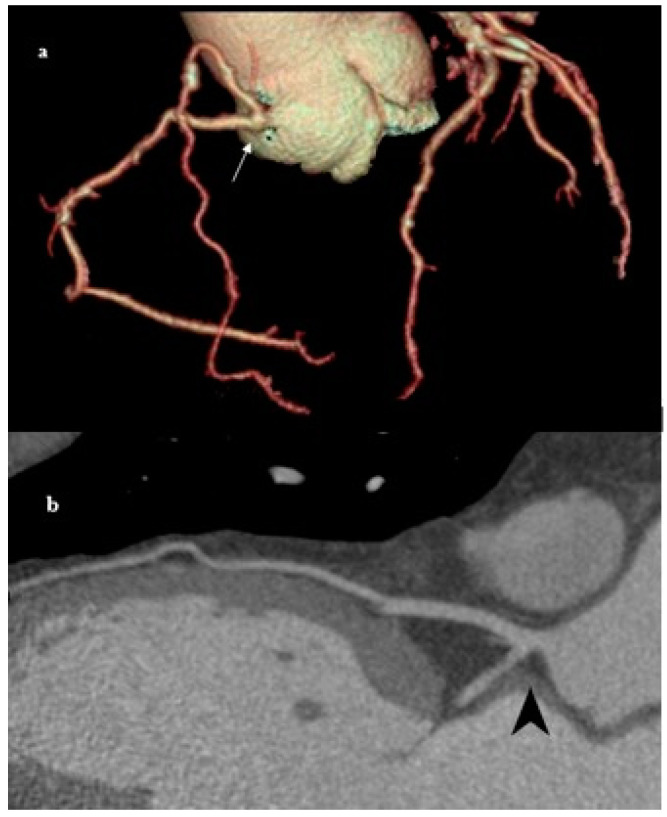 Figure 7
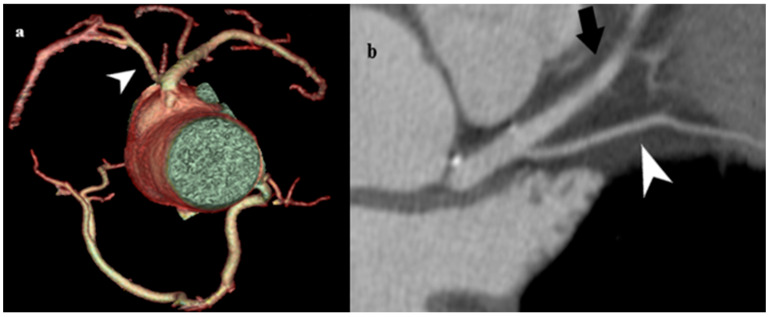 Figure 8
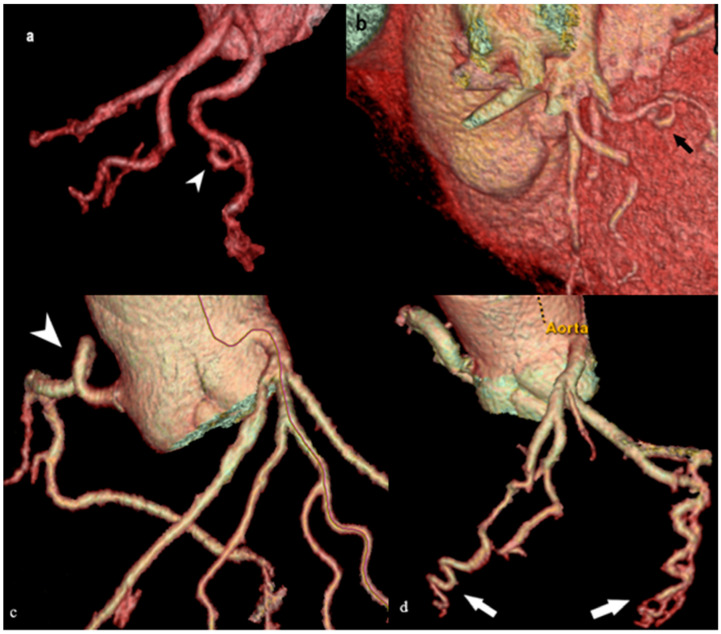 Figure 9
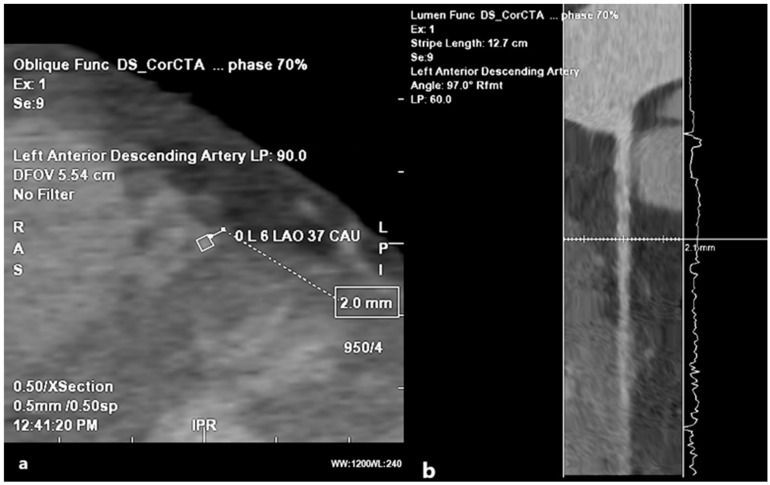 Figure 10
Peer Reviews
No public reviews on file for this paper yet. If you reviewed it on a platform where reviews are public (OpenReview, ICLR, NeurIPS, ICML), you can paste yours below so the community can read it here.
Videos
No videos yet. Explain this paper in a talk, walkthrough, or lecture? Add one.
Taxonomy
TopicsCoronary Artery Anomalies · Kawasaki Disease and Coronary Complications · Vascular anomalies and interventions