Profiling and Discrimination of Euryale Ferox Seeds from Different Processing Methods Using Liquid Chromatography High-Resolution Mass Spectrometry Combined with Molecular Networking and Statistical Analysis
Xiaoyu Xie, Chuntao Zeng, Ruonan Zhang, Wenting Zhu, Huijie Li, Zhi Huang

TL;DR
This study uses advanced chemical analysis to compare Euryale ferox seeds processed by different methods, revealing changes in their composition and potential effects on medicinal properties.
Contribution
The first systematic investigation of Euryale ferox seeds' chemical composition changes across different processing methods using LC-HRMS and molecular networking.
Findings
A total of 438 compounds were identified in Euryale ferox seeds using LC-HRMS and GNPS.
Dry-fried and bran-fried seeds showed 32 and 38 differential compounds, respectively.
Fried EFSs exhibited a significant increase in lipid content compared to unprocessed seeds.
Abstract
Background: Euryale ferox seeds (EFSs) serve both medicinal and culinary purposes. They possess high nutritional value and are rich in polysaccharides, polyphenols, glycolipids, cyclic peptides, and other beneficial components. EFSs are known for their effects in tonifying the kidneys and strengthening essence, invigorating the spleen and alleviating diarrhea, as well as removing dampness and leucorrhea. Processing can alter the chemical composition of EFSs, with different methods yielding varying effects on their chemical makeup and, consequently, their efficacy. However, to date, no studies have systematically investigated the overall chemical composition of EFSs using different processing methods. Methods: In this study, we employed liquid chromatography high-resolution mass spectrometry (LC-HRMS) to identify the compounds in EFSs by searching databases and Global Natural Products…
Genes, proteins, chemicals, diseases, species, mutations and cell lines named across the full text — each resolved to its canonical identifier and authoritative record.
Click any figure to enlarge with its caption.
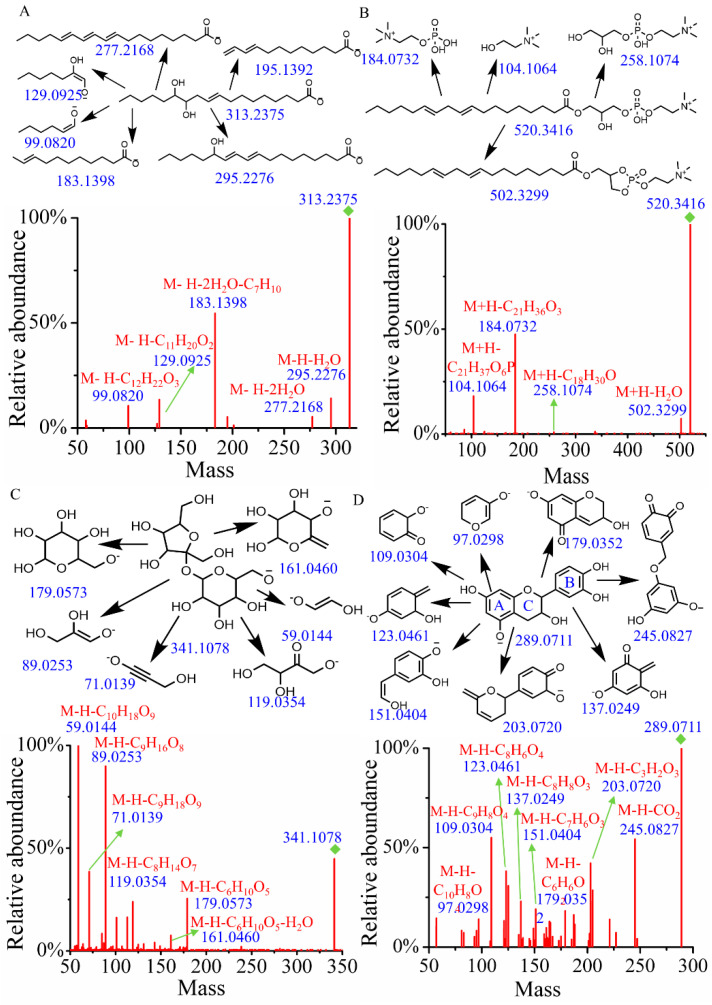 Figure 1
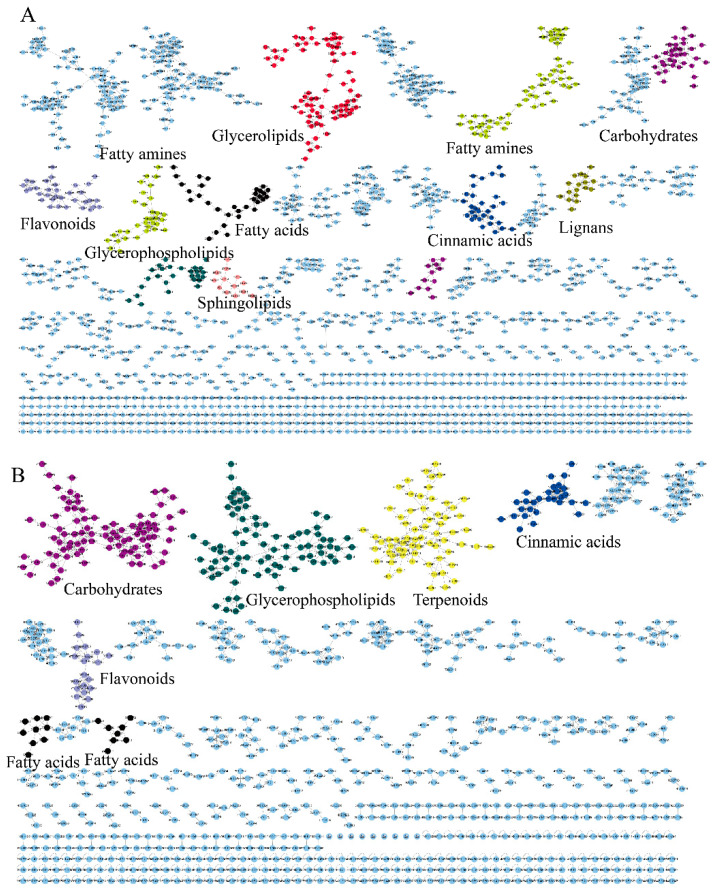 Figure 2
 Figure 3
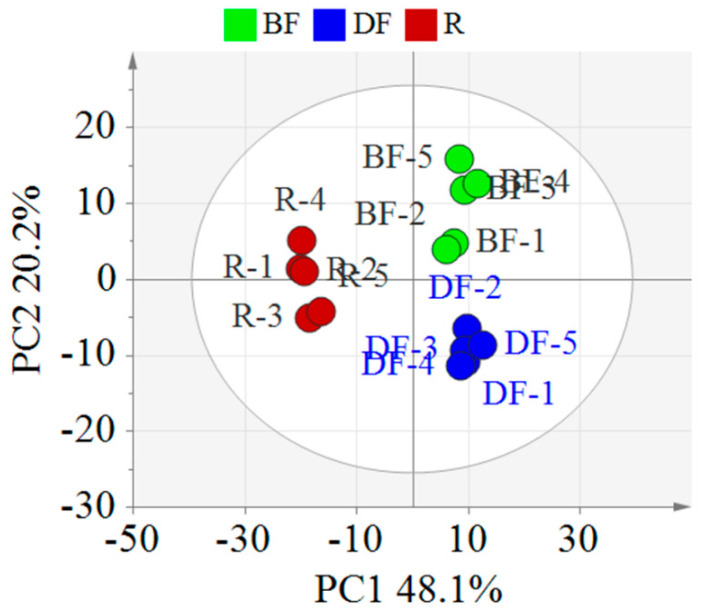 Figure 4
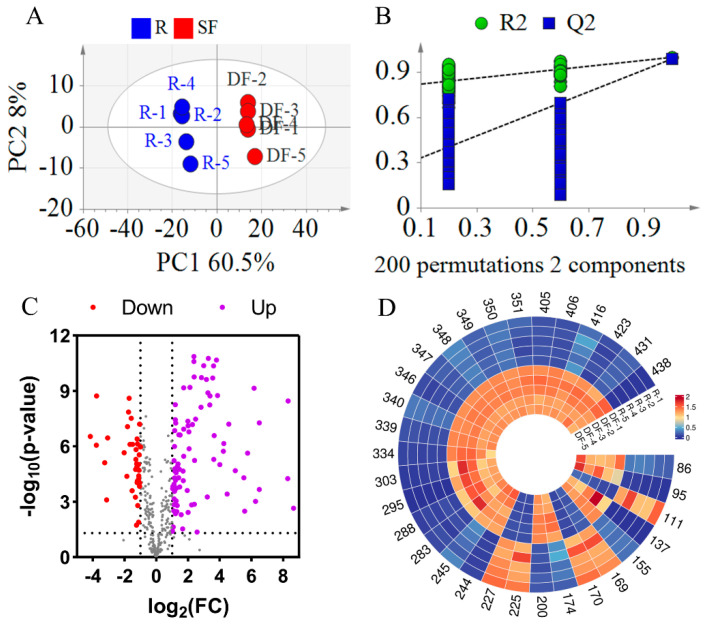 Figure 5
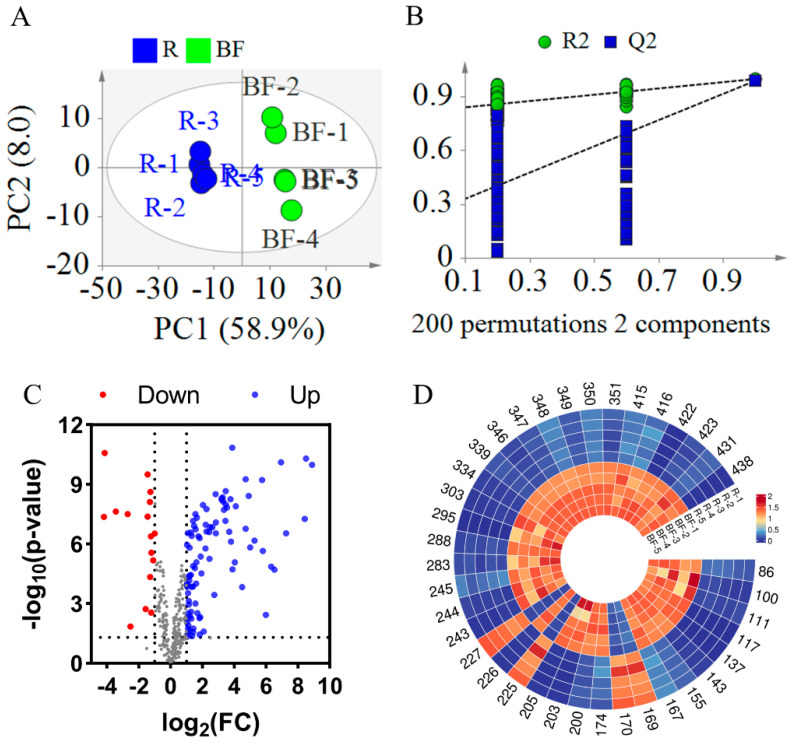 Figure 6
Peer Reviews
No public reviews on file for this paper yet. If you reviewed it on a platform where reviews are public (OpenReview, ICLR, NeurIPS, ICML), you can paste yours below so the community can read it here.
Videos
No videos yet. Explain this paper in a talk, walkthrough, or lecture? Add one.
Taxonomy
TopicsPolyamine Metabolism and Applications · Phytochemicals and Antioxidant Activities · Probiotics and Fermented Foods