Frailty as a Predictor of Post-Traumatic Stress Disorder After Advance Care Planning Communication Intervention by Trained Care Managers in Long-Term Care Service Users in Japan: A Secondary Analysis
Mariko Miyamichi, Kyoko Oshiro, Shozo Okochi, Noriyasu Takeuchi, Tomoe Nakamura, Terumi Matsushima, Masako Okada, Yoshimi Kudo, Takehiro Ishiyama, Tomoyasu Kinoshita, Hideki Kojima, Mitsunori Nishikawa

TL;DR
Frailty in elderly care users is linked to higher stress after advance care planning conversations, suggesting personalized communication is needed.
Contribution
This study identifies frailty as a novel predictor of post-traumatic stress disorder following advance care planning interventions.
Findings
Users with a clinical frailty score ≥ 5 had significantly higher PTSD scores after ACP conversations.
Logistic regression confirmed a strong association between higher frailty scores and increased PTSD symptoms.
Cluster analysis groups showed consistent results, reinforcing the relationship between frailty and stress.
Abstract
Background/Objectives: Advance care planning is essential in a community; however, intervention studies by care managers remain scarce. This study aims to determine the relationship between frailty and post-traumatic stress disorder among long-term care service users (hereinafter referred to as “users”) following advance care planning conversations with their care managers. Methods: We conducted a secondary analysis using raw data from the Japanese University Hospital Medical Information Network Study No. 000048573, published on 23 September 2024. In this previous study, trained care managers provided advance care planning conversation interventions to 30 users. Care managers conducted a convenience sample of 30 mentally and physically stable users who were 65 years old or older, had a family member or healthcare provider assigned, and had never used ACP. Our analysis in the present…
Genes, proteins, chemicals, diseases, species, mutations and cell lines named across the full text — each resolved to its canonical identifier and authoritative record.
Click any figure to enlarge with its caption.
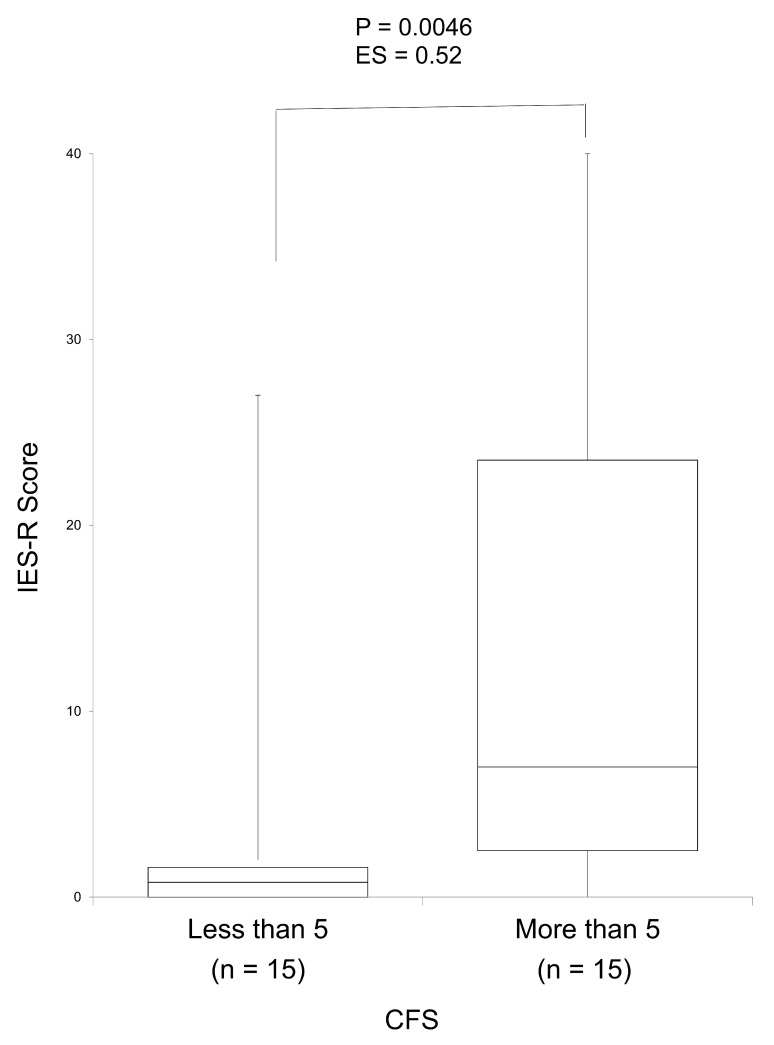 Figure 1
Peer Reviews
No public reviews on file for this paper yet. If you reviewed it on a platform where reviews are public (OpenReview, ICLR, NeurIPS, ICML), you can paste yours below so the community can read it here.
Videos
No videos yet. Explain this paper in a talk, walkthrough, or lecture? Add one.
Taxonomy
TopicsPalliative Care and End-of-Life Issues · Geriatric Care and Nursing Homes · Frailty in Older Adults