Co-Doped ErFeO3 for Dual-Band Laser Absorption with High-Temperature Stability
Rui Liu, Linghao Pan, Fanqi Meng, Xia Feng, Qitu Zhang, Yi Hou, Lixi Wang

TL;DR
This paper introduces a new material, Co-doped ErFeO3, that can absorb lasers at two different wavelengths and remains stable at high temperatures.
Contribution
The novel use of Co3+ doping in ErFeO3 to achieve dual-band laser suppression with high thermal stability is presented.
Findings
Co-doping in ErFeO3 results in dual-band laser suppression with 22.16% reflectance at 1064 nm and 35.63% at 1540 nm.
The material retains over 95% of its laser absorption performance after high-temperature testing at 1100 °C.
Crystal structure distortion and band structure modification are key to achieving these properties.
Abstract
The development of multi-band laser suppression materials has been driven by the limitations of single-band laser suppression materials. Inorganic ceramic materials, compared with organic laser suppression materials, photonic crystals, and metamaterials, offer significant advantages in fabrication methods and environmental stability. In this study, Co3+ ions, with relatively higher electronegativity, were introduced to substitute some Fe ion sites in ErFeO3. This substitution caused distortion in the crystal structure, reduced the unit cell volume, and altered the band structure. As a result, the band gap was reduced compared with that of ErFeO3, and the unique energy level transitions of Er ions were activated. This led to dual-band laser suppression with reflectances of 22.16% at 1064 nm and 35.63% at 1540 nm. Furthermore, after high-temperature testing at 1100 °C in air, the laser…
Genes, proteins, chemicals, diseases, species, mutations and cell lines named across the full text — each resolved to its canonical identifier and authoritative record.
Click any figure to enlarge with its caption.
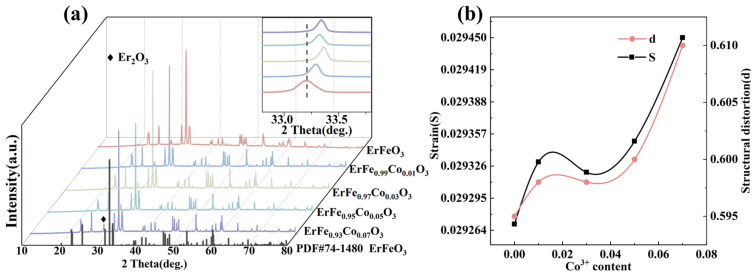 Figure 1
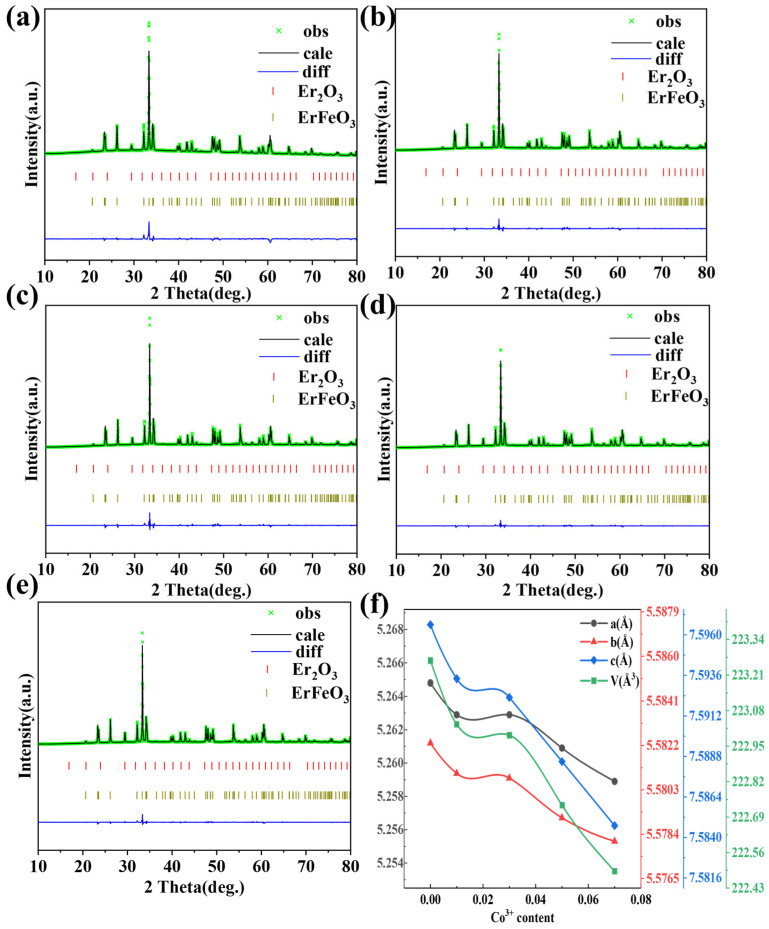 Figure 2
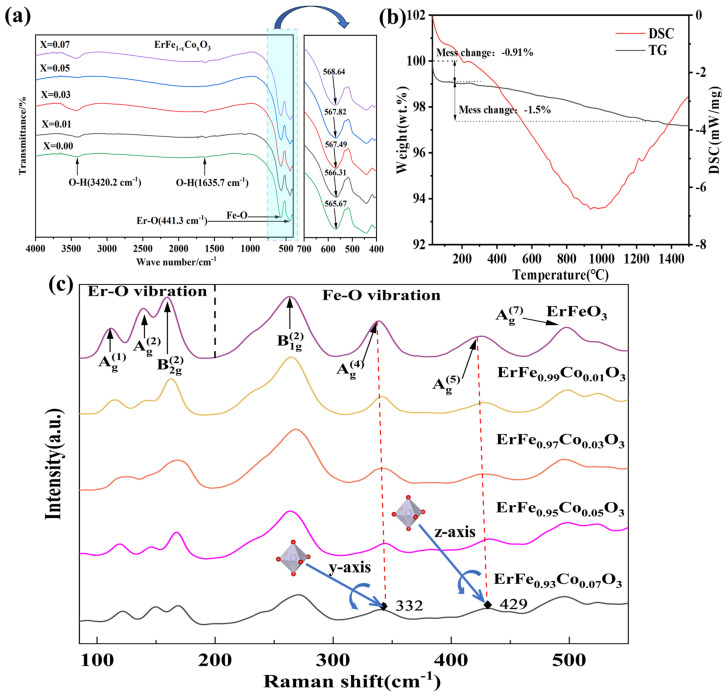 Figure 3
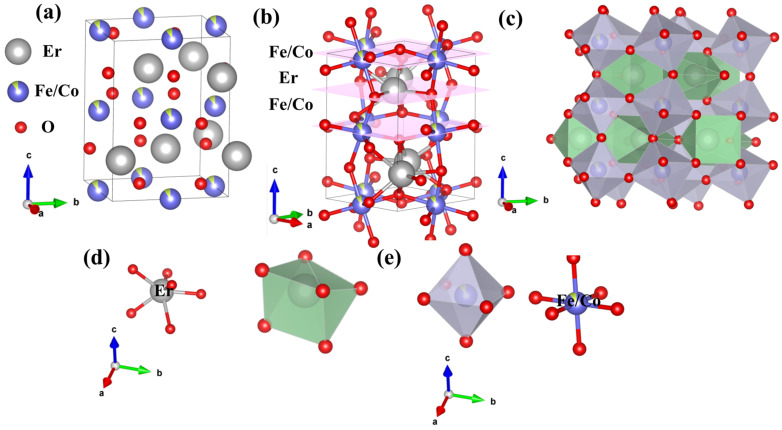 Figure 4
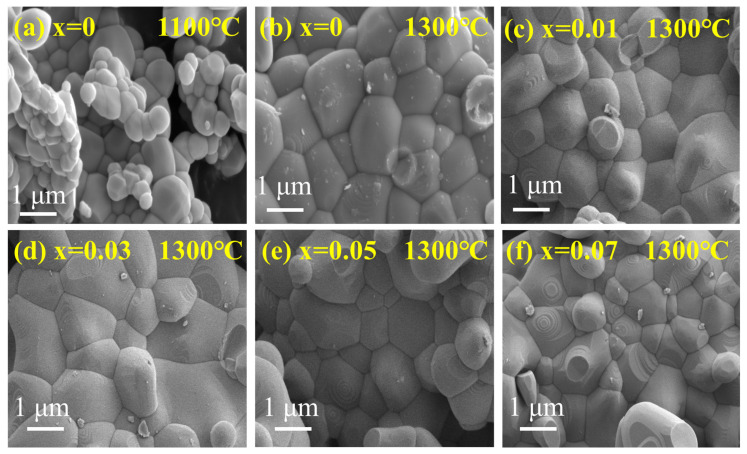 Figure 5
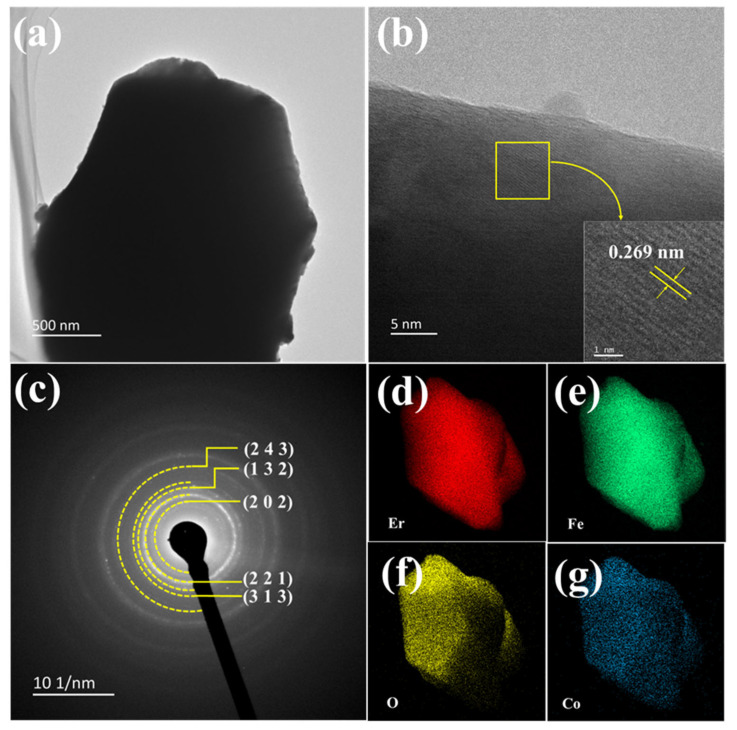 Figure 6
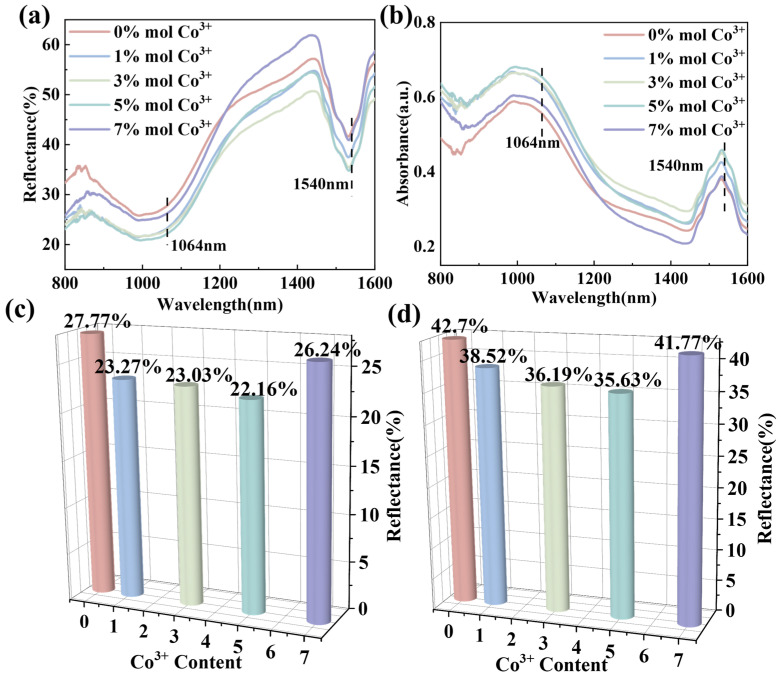 Figure 7
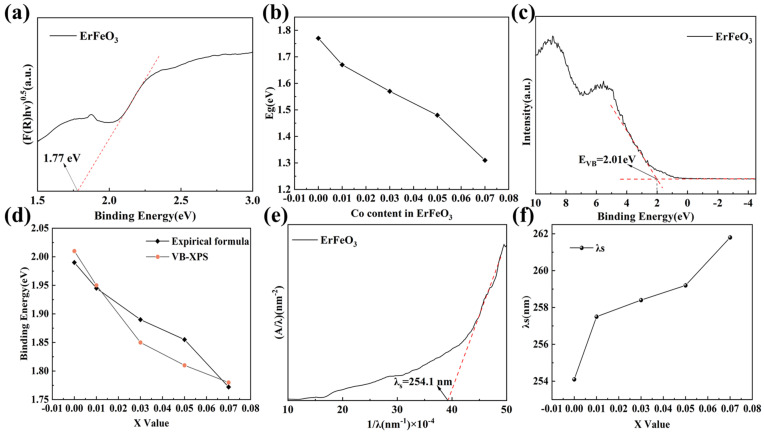 Figure 8
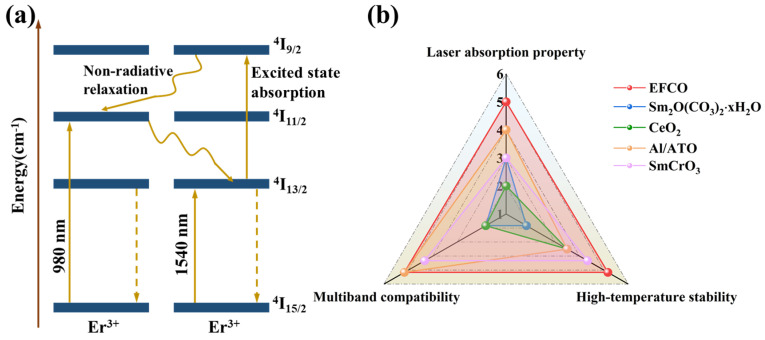 Figure 9
Peer Reviews
No public reviews on file for this paper yet. If you reviewed it on a platform where reviews are public (OpenReview, ICLR, NeurIPS, ICML), you can paste yours below so the community can read it here.
Videos
No videos yet. Explain this paper in a talk, walkthrough, or lecture? Add one.
Taxonomy
TopicsNonlinear Optical Materials Studies · Photonic Crystals and Applications · Glass properties and applications