Tensile Fracture Behaviour of Prismatic Notched Specimens of Cold Drawn Pearlitic Steel: A Macro- and Micro-Approach
Jesús Toribio, Francisco-Javier Ayaso, Rocío Rodríguez

TL;DR
This study examines how cold drawn pearlitic steel fractures under tension, using macroscopic and microscopic analysis to understand how stress and notch shape affect the fracture process.
Contribution
The paper introduces a combined macro- and micro-level analysis of fracture behavior in pearlitic steel under varying stress triaxiality and drawing degrees.
Findings
Higher stress triaxiality and sharp notches increase fracture path deflection and shift the fracture initiation zone to the notch tip.
The area of the intermediate fracture zone increases with higher stress triaxiality, while heavily drawn wires show less dependence on triaxiality.
Fracture behavior becomes more uniform with increased drawing, regardless of the notch-induced stress state.
Abstract
This paper focuses on the study of the tensile fracture behaviour of prismatic notched specimens of cold drawn pearlitic steel, providing a macro- and micro-approach. Two types of notched samples with very different notch radius (sharp and blunt notches, PAA and PCC) and the same notch depth were studied, thereby allowing a study of the fracture behaviour under different levels of stress triaxiality (constraint) in the experimental specimen. The studied samples are machined from pearlitic steel wires taken from a real cold drawing chain, analysing the entire drawing process, from the initial base material (hot rolled bar; not cold drawn at all) to the final commercial product (prestressing steel wires; heavily cold drawn), including two intermediate stages in the manufacture chain. The aforesaid specimens were subjected to tensile fracture tests and analysed at macroscopic and…
Genes, proteins, chemicals, diseases, species, mutations and cell lines named across the full text — each resolved to its canonical identifier and authoritative record.
Click any figure to enlarge with its caption.
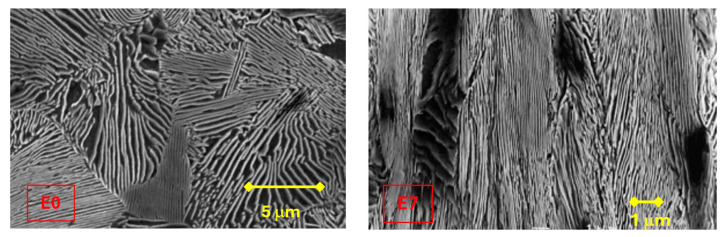 Figure 1
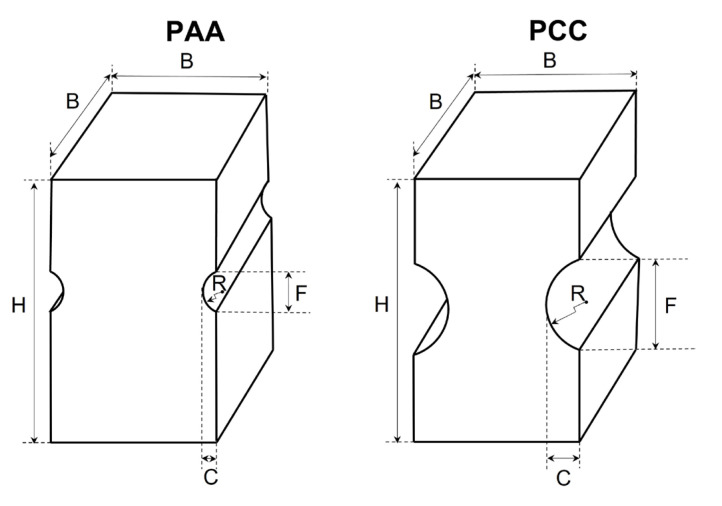 Figure 2
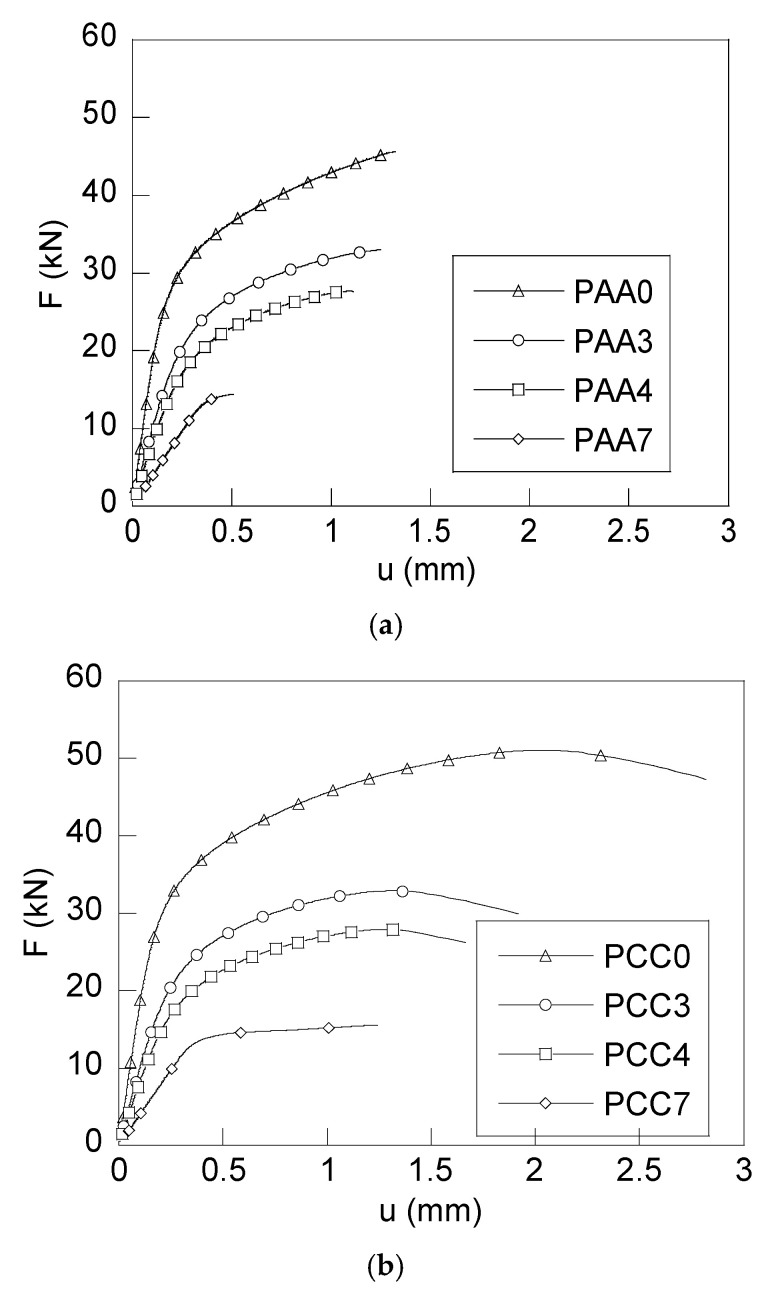 Figure 3
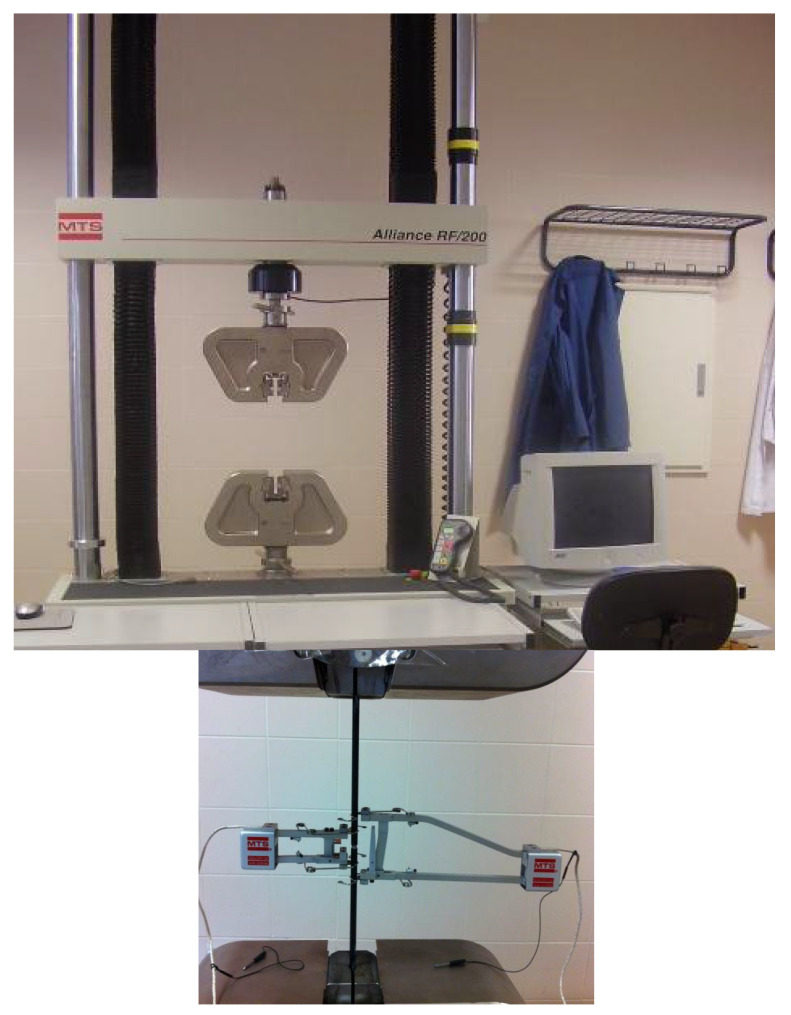 Figure 4
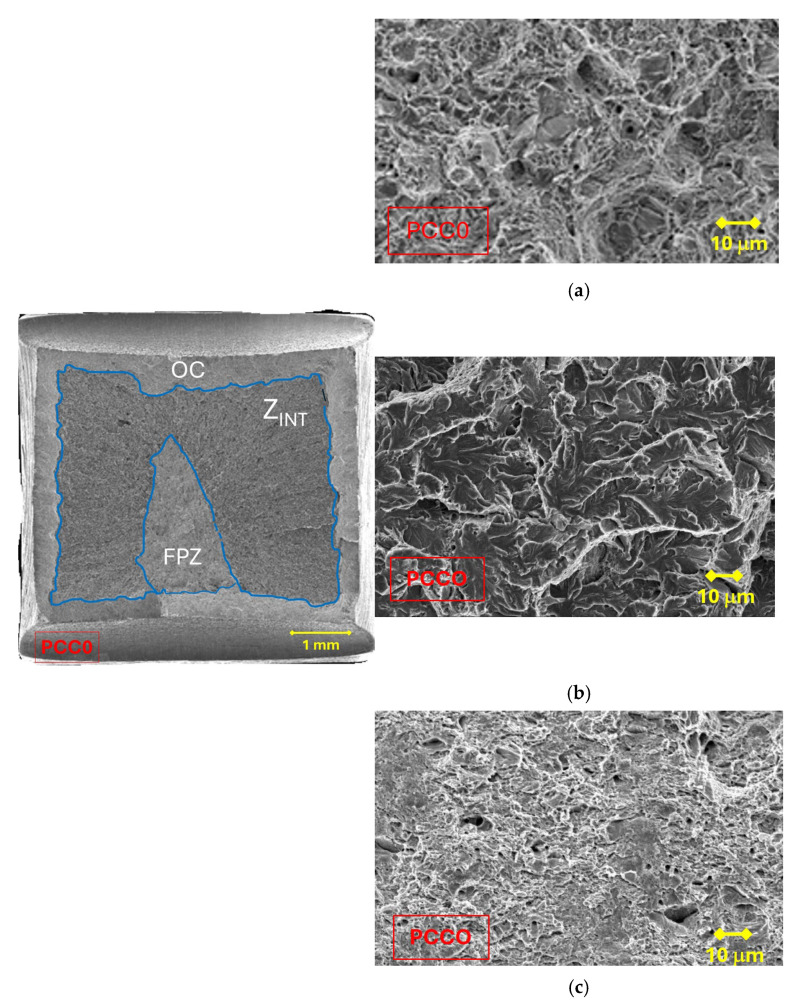 Figure 5
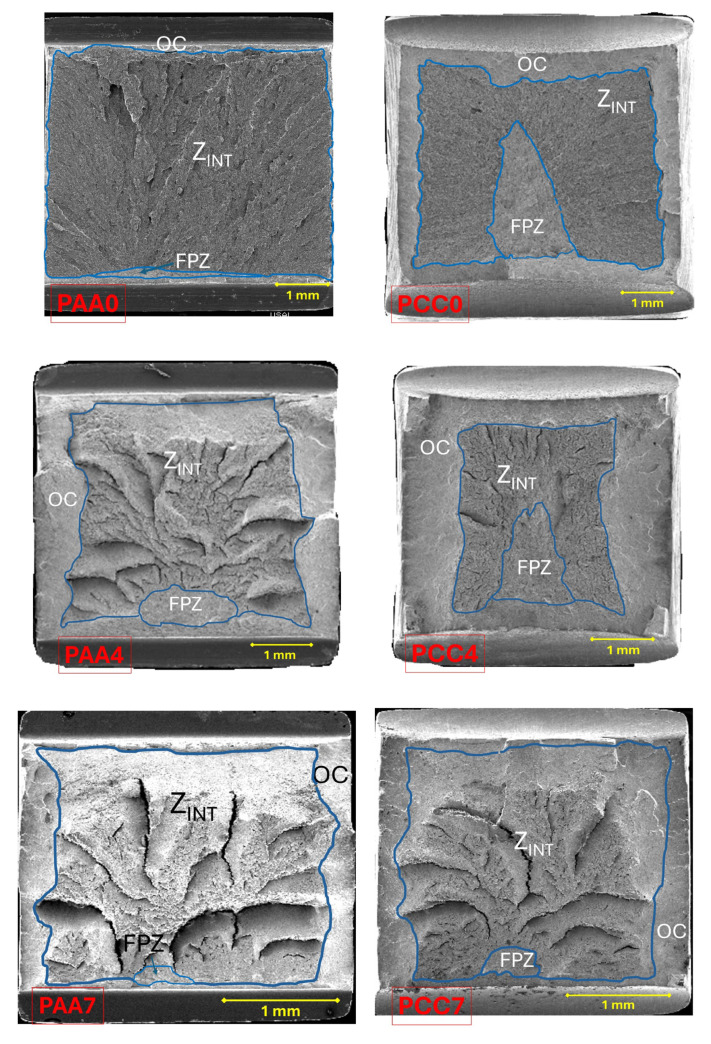 Figure 6
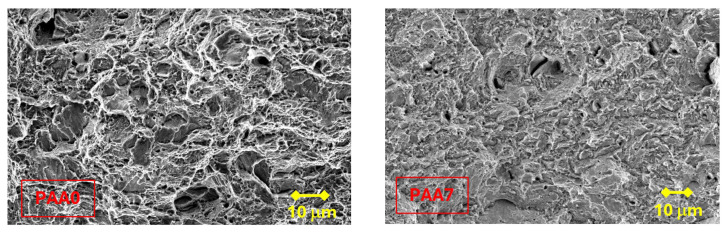 Figure 7
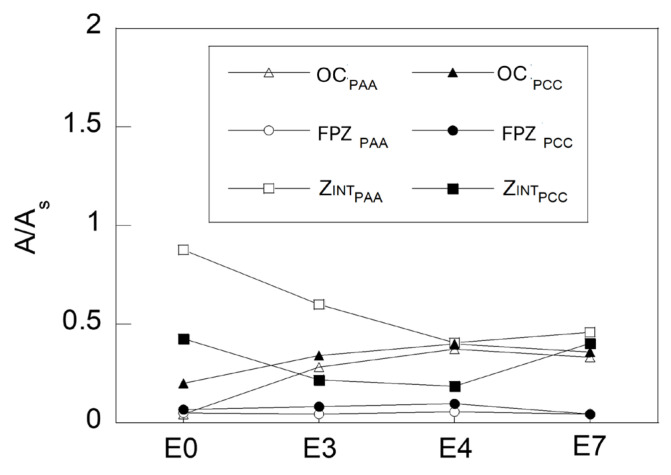 Figure 8
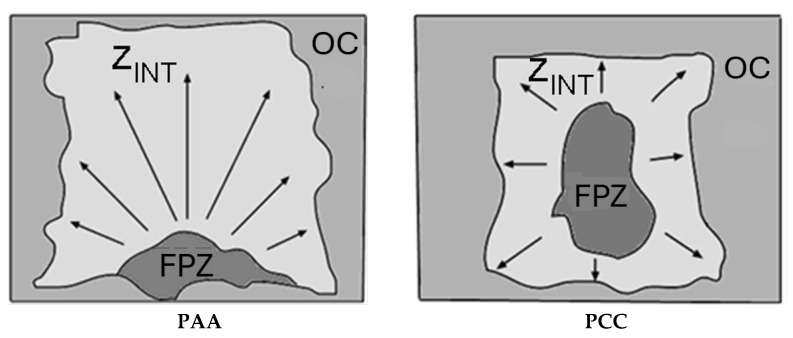 Figure 9
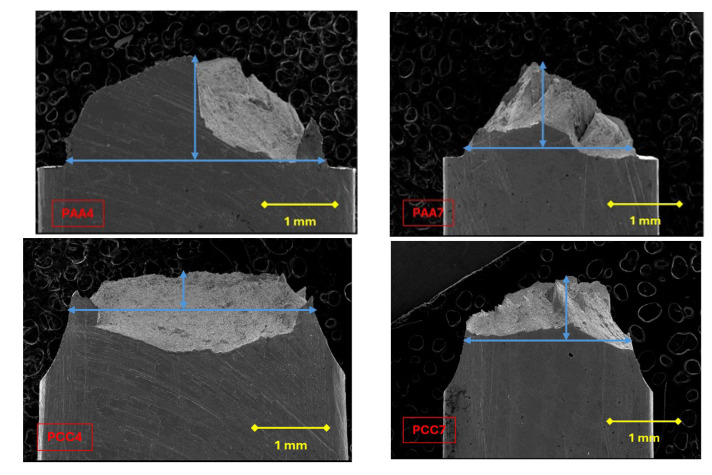 Figure 10
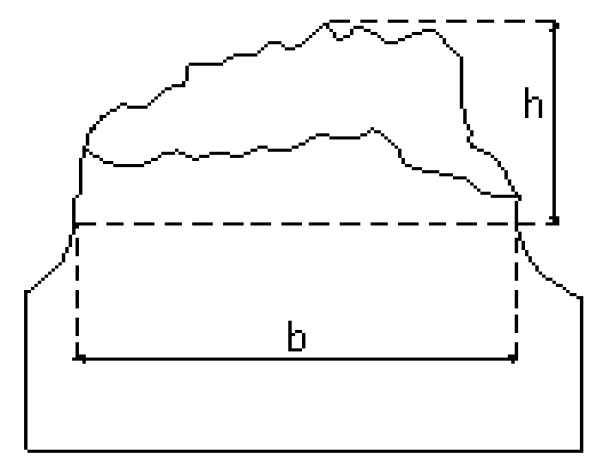 Figure 11
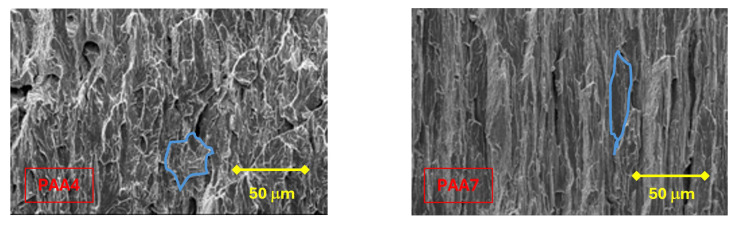 Figure 12
Peer Reviews
No public reviews on file for this paper yet. If you reviewed it on a platform where reviews are public (OpenReview, ICLR, NeurIPS, ICML), you can paste yours below so the community can read it here.
Videos
No videos yet. Explain this paper in a talk, walkthrough, or lecture? Add one.
Taxonomy
TopicsMetal Forming Simulation Techniques · Microstructure and Mechanical Properties of Steels · Metallurgy and Material Forming