The Marine Compound Isaridin E Ameliorates Lipopolysaccharide-Induced Vascular Endothelial Inflammation via the Downregulation of the TLR4/NF-κB Signaling Pathway
Jing Liu, Xin Zeng, Yu-Quan Lin, Yu-Sheng Peng, Lan Liu, Sen-Hua Chen, Yan-Hua Du

TL;DR
A marine compound called isaridin E reduces inflammation in blood vessels by blocking a key signaling pathway, suggesting it could be a new treatment for vascular inflammation.
Contribution
This study identifies isaridin E as a novel anti-inflammatory agent that targets the TLR4/NF-κB pathway in vascular inflammation.
Findings
Isaridin E reduces pro-inflammatory cytokines and adhesion molecules in LPS-stimulated endothelial cells.
The compound attenuates vascular hyperpermeability and inflammatory cell infiltration in a murine endotoxemia model.
Isaridin E inhibits TLR4 and NF-κB signaling, preserving tissue integrity in aortic and pulmonary tissues.
Abstract
Isaridin E, a cyclodepsipeptide derived from the marine fungus Beauveria felina (SYSU-MS7908), has been demonstrated to possess multiple biological properties. In this study, we employed both lipopolysaccharide (LPS)-stimulated human umbilical vein endothelial cells (HUVECs) and a LPS-induced murine endotoxemia model to investigate its anti-inflammatory effects. Our results revealed that isaridin E suppressed the expression of pro-inflammatory cytokines and adhesion molecules in a concentration dependent manner, while also reducing monocyte adhesion to endothelial cells. Furthermore, this compound attenuated vascular hyperpermeability and inflammatory cell infiltration in the lungs, as well as preserving the integrity of the aortic and pulmonary tissues. At the molecular level, isaridin E was found to downregulate TLR4 expression, increase IκBα levels, and inhibit the LPS-induced…
Genes, proteins, chemicals, diseases, species, mutations and cell lines named across the full text — each resolved to its canonical identifier and authoritative record.
Click any figure to enlarge with its caption.
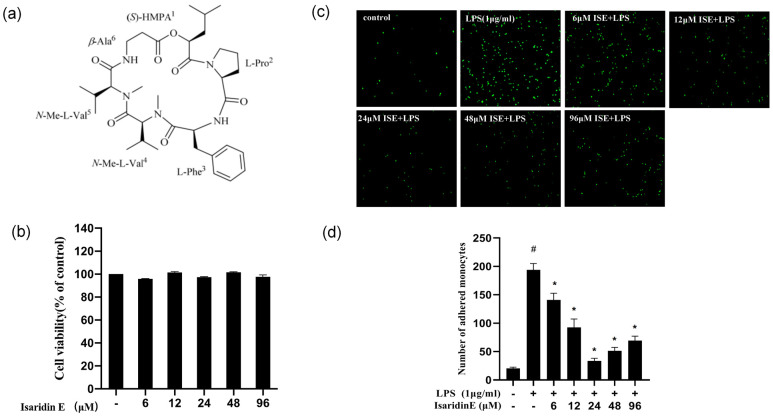 Figure 1
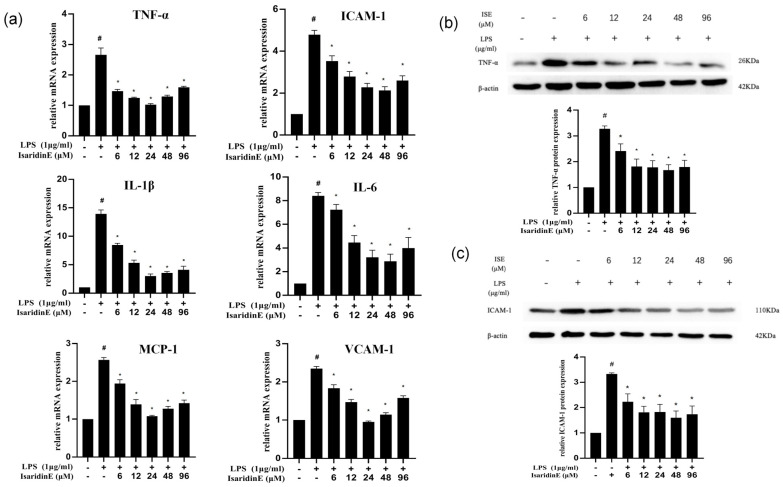 Figure 2
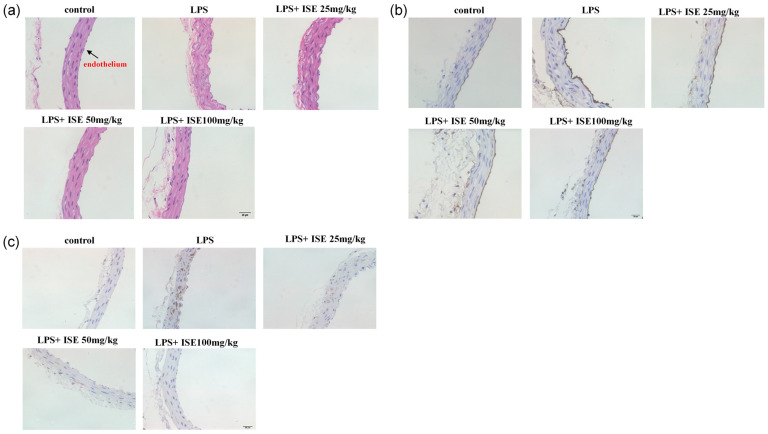 Figure 3
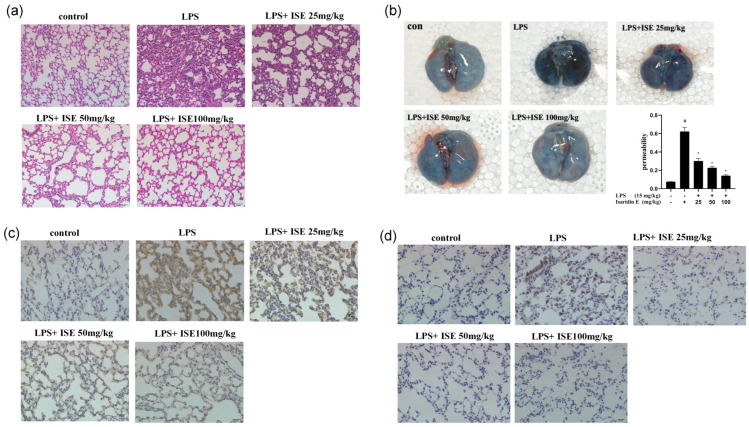 Figure 4
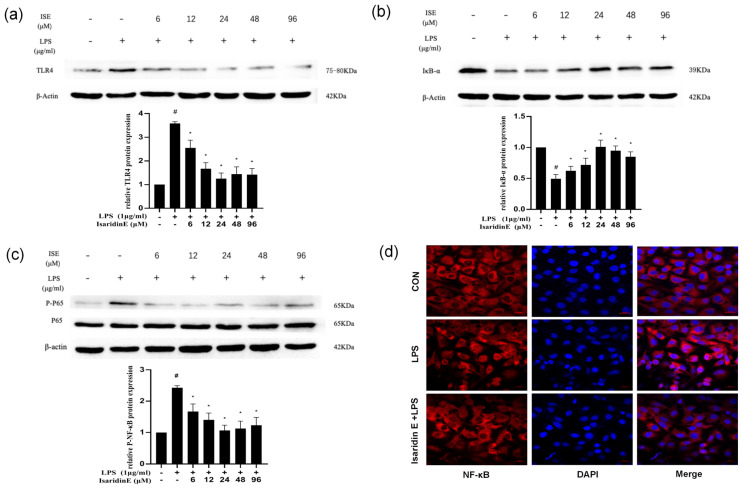 Figure 5
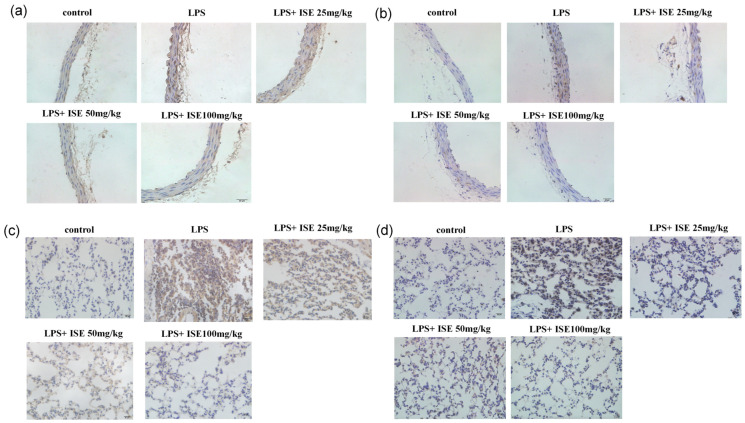 Figure 6
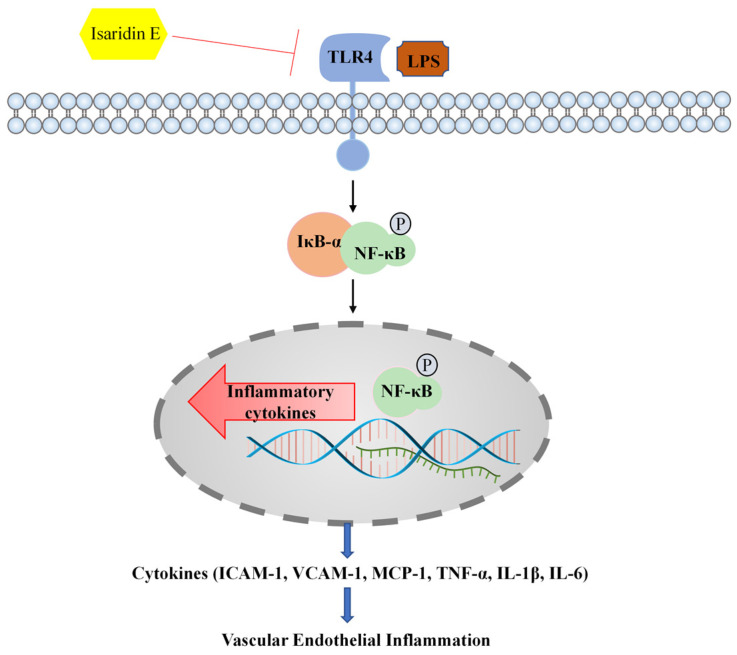 Figure 7
Peer Reviews
No public reviews on file for this paper yet. If you reviewed it on a platform where reviews are public (OpenReview, ICLR, NeurIPS, ICML), you can paste yours below so the community can read it here.
Videos
No videos yet. Explain this paper in a talk, walkthrough, or lecture? Add one.
Taxonomy
TopicsImmune Response and Inflammation · Inflammatory mediators and NSAID effects · Neutrophil, Myeloperoxidase and Oxidative Mechanisms