Diamond Wire Wear and Its Effect on Surface Quality in Cutting of Monocrystalline Silicon
Jinguang Du, Yu Wu, Zhen Zhang, Yu Zhang, Wenbin He, Junxiao Geng, Liuyang Duan, Wuyi Ming

TL;DR
This study examines how diamond wire wear affects the quality of monocrystalline silicon wafers during cutting, identifying optimal conditions for stable wear and high-quality results.
Contribution
The study provides new insights into the relationship between diamond wire wear and wafer surface quality under specific machining parameters.
Findings
Diamond wire wear is highest during early and late wear periods, leading to poor wafer quality.
Increasing wire velocity reduces wear, while higher feed rate and workpiece thickness increase wear.
Stable wear occurs when wire velocity and feed rate increase proportionally.
Abstract
Monocrystalline silicon is widely used in the semiconductor industry. During wafer machining with a diamond wire saw (DWS), a worn diamond wire can affect the slicing quality. To assess the effect of diamond wire wear on wafer machining, in this study, the impact of diamond wire wear on the wafer’s total thickness variation (TTV) and surface quality was examined at a wire velocity of 1.8 m/s and a feed rate of 0.5 mm/min. Through a single-factor experiment, the effects of the wire velocity, feed rate, and workpiece thickness on diamond wire wear were explored. The outcomes demonstrate that the wear rate was higher in the early and late wear periods, and the wafer machining quality was poor in these two periods. During the stable wear period, the machined wafer exhibited high quality, while the wear rate remained stable. Under the condition of machining the same area of the workpiece,…
Genes, proteins, chemicals, diseases, species, mutations and cell lines named across the full text — each resolved to its canonical identifier and authoritative record.
Click any figure to enlarge with its caption.
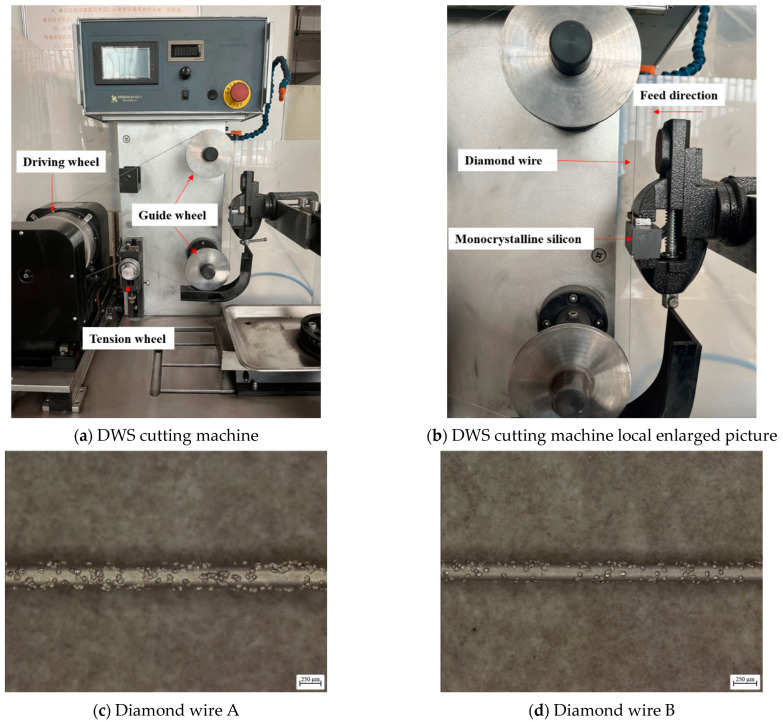 Figure 1
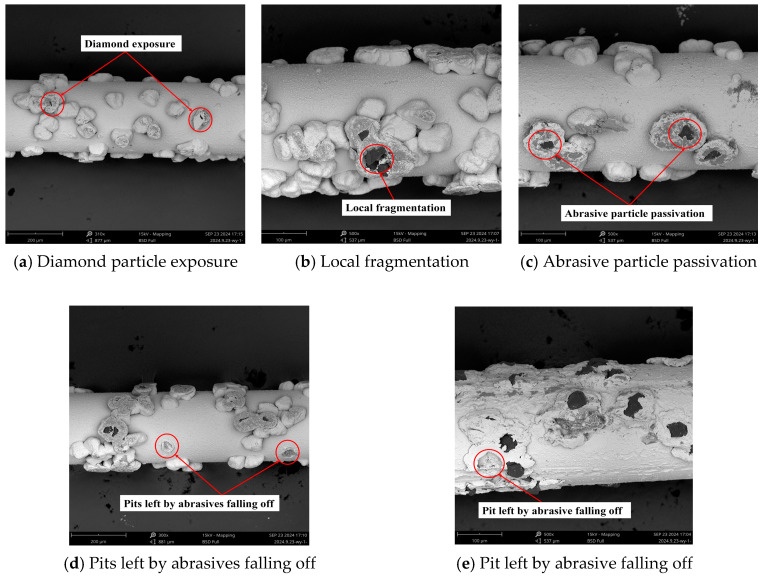 Figure 2
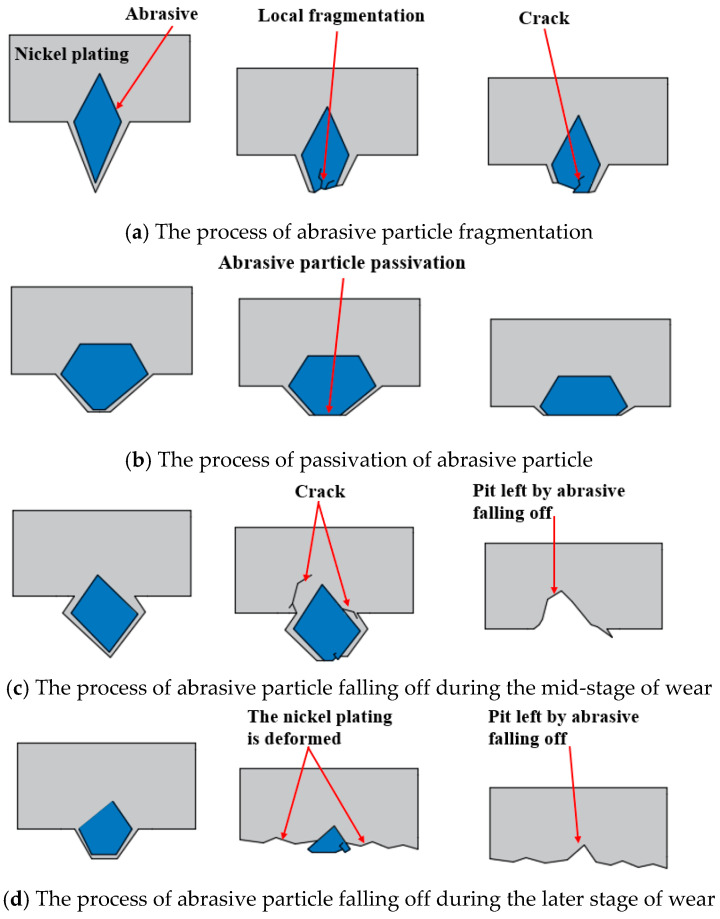 Figure 3
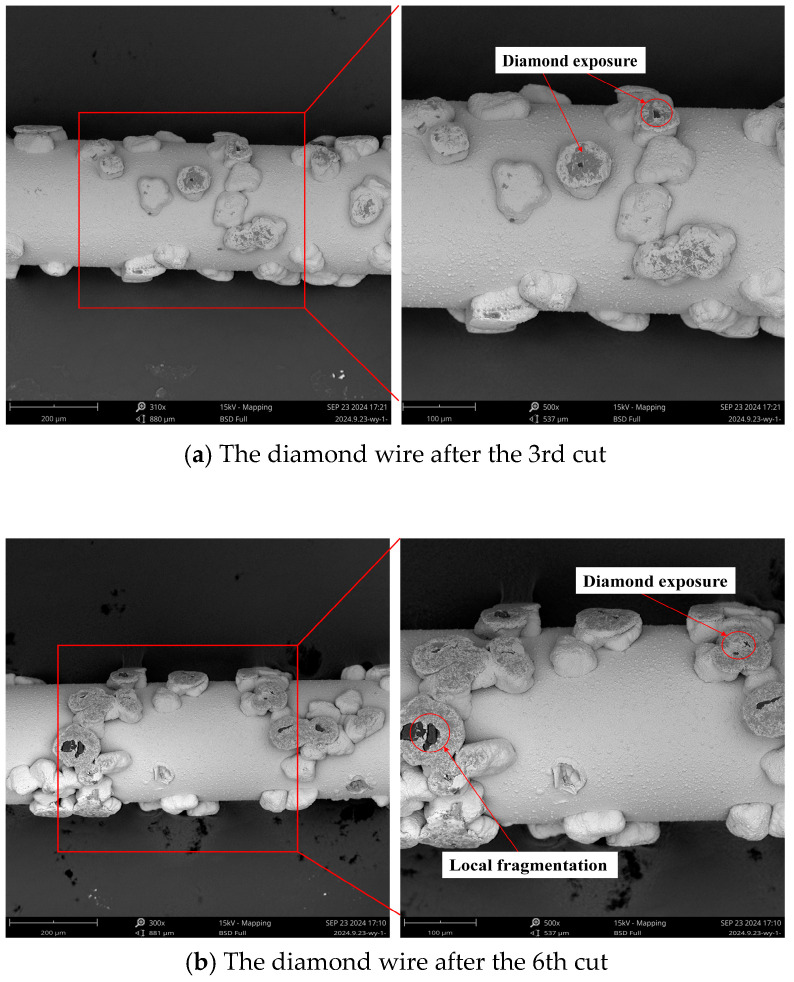 Figure 4
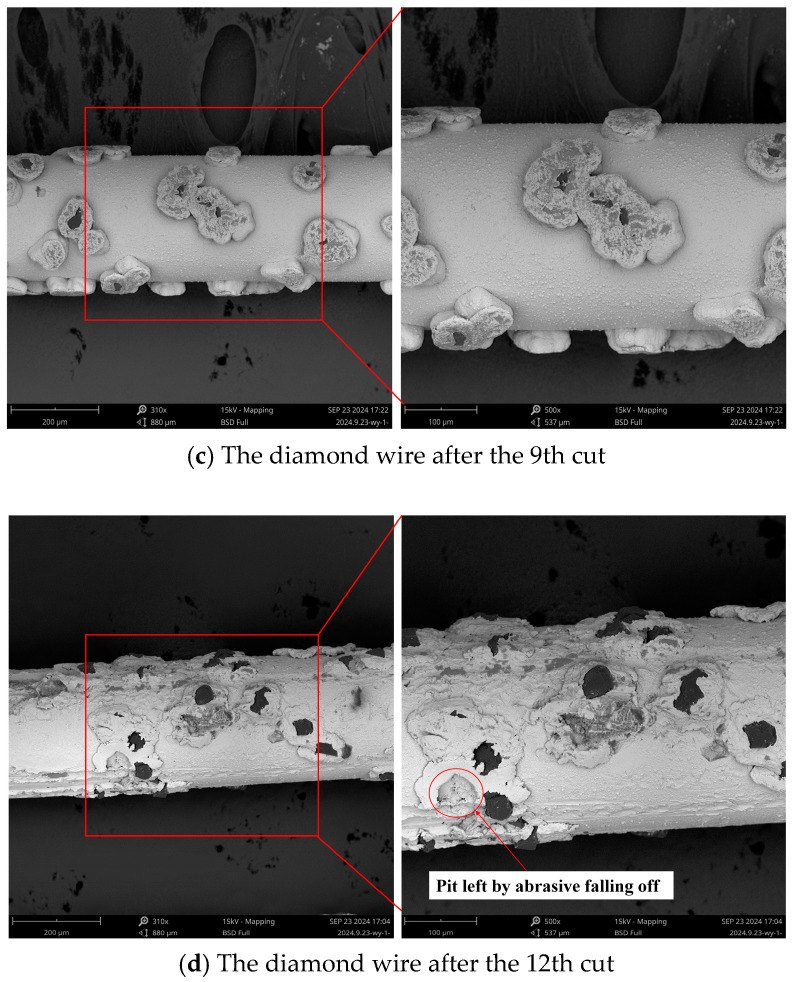 Figure 5
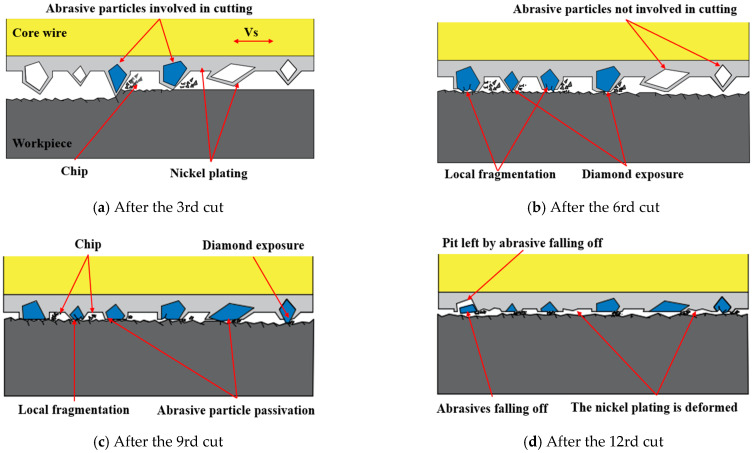 Figure 6
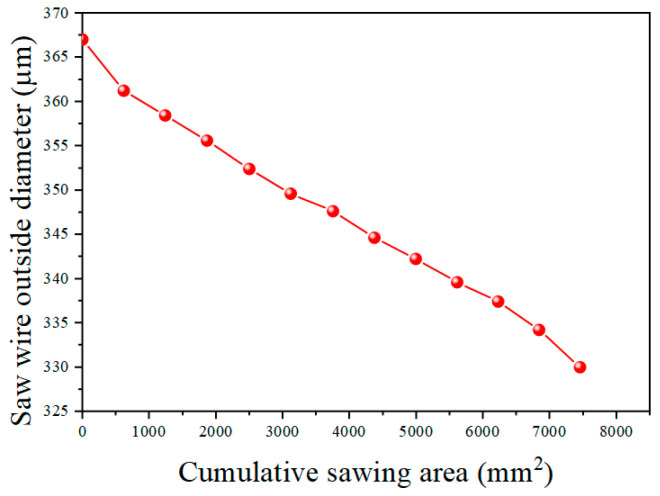 Figure 7
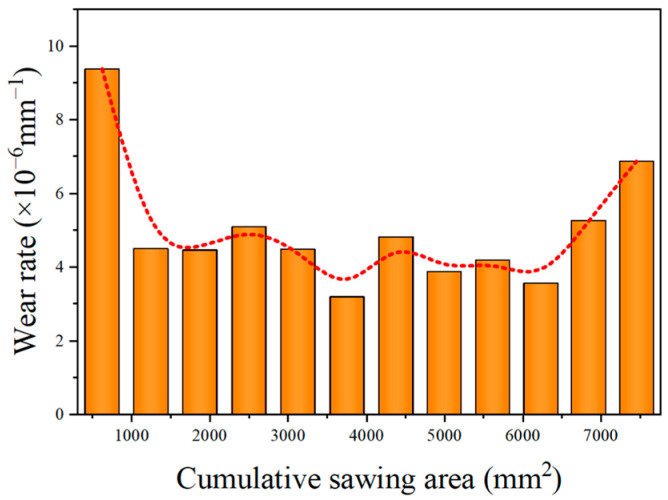 Figure 8
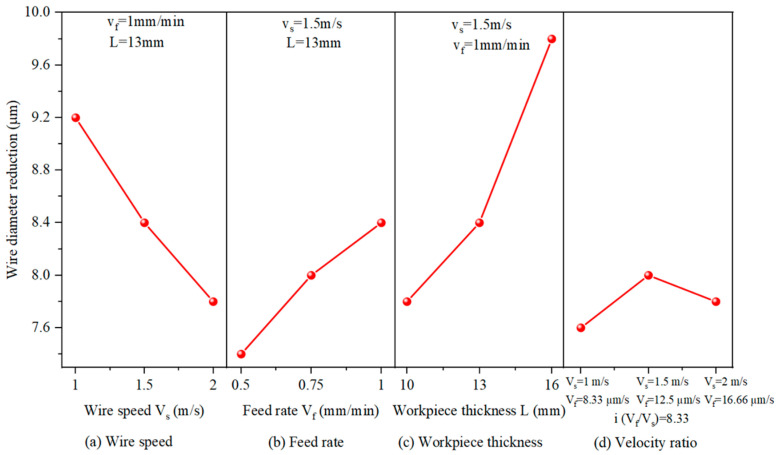 Figure 9
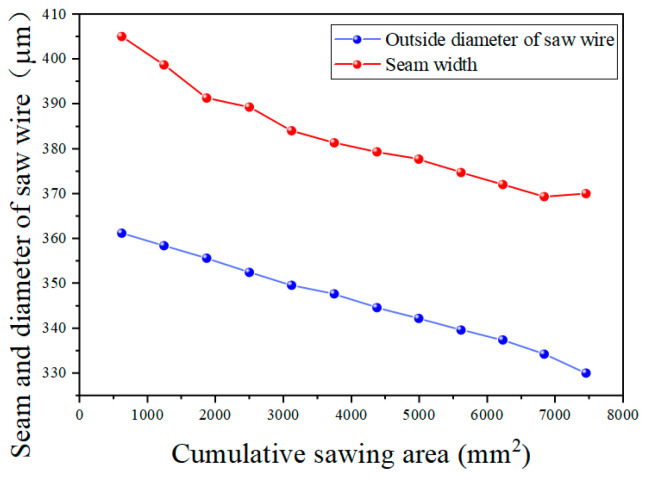 Figure 10
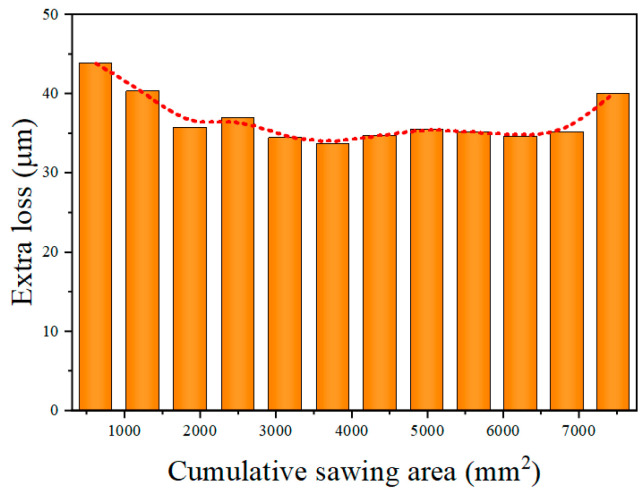 Figure 11
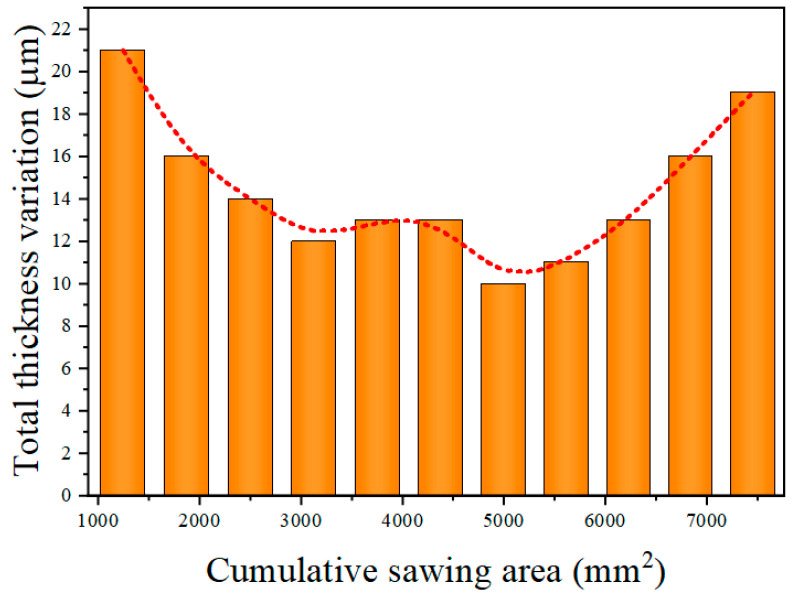 Figure 12
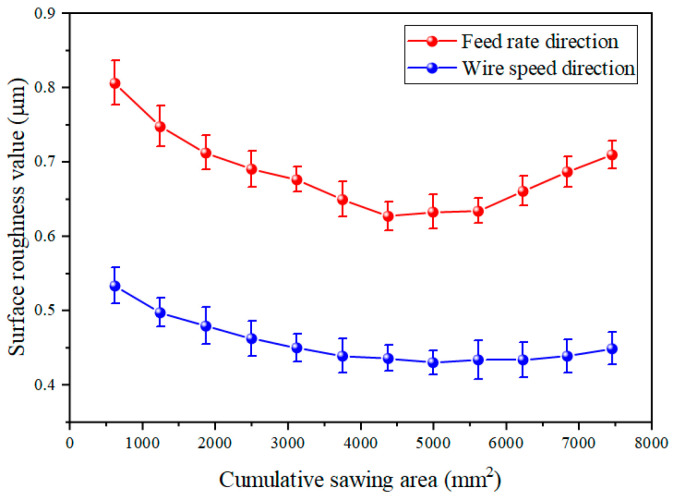 Figure 13
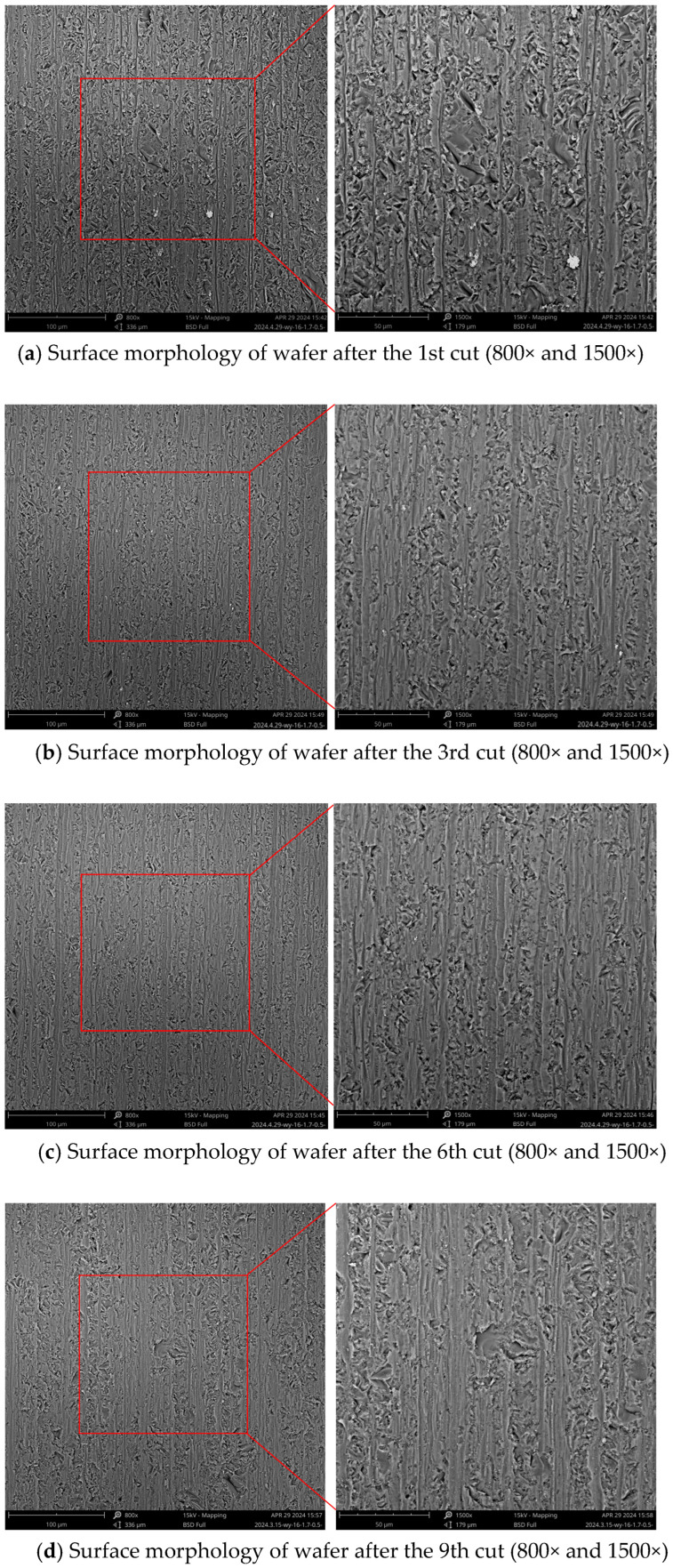 Figure 14
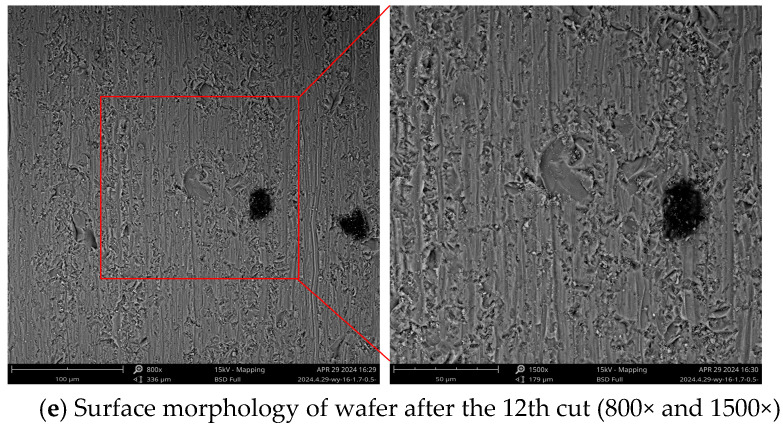 Figure 15
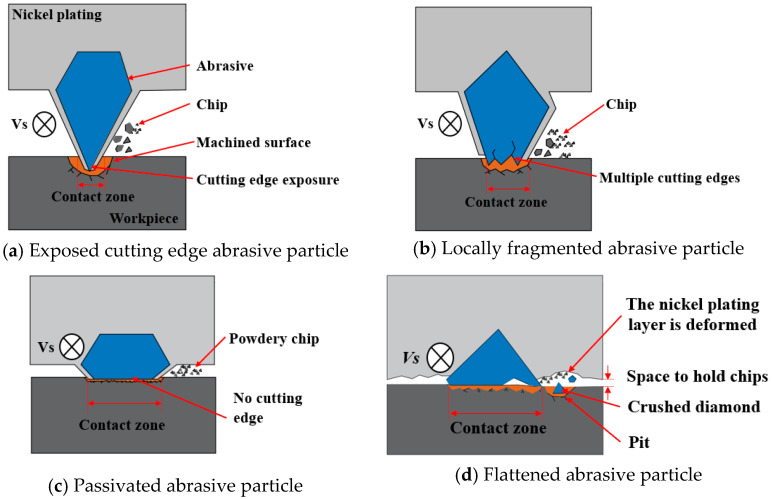 Figure 16
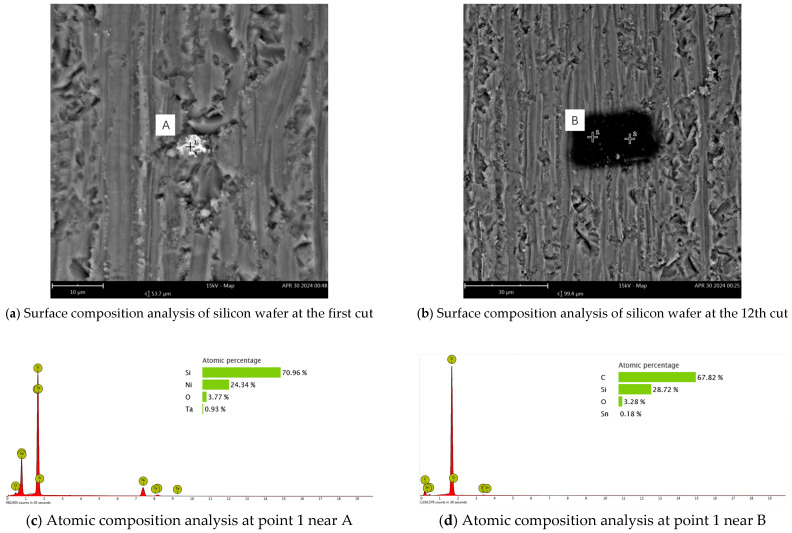 Figure 17
Peer Reviews
No public reviews on file for this paper yet. If you reviewed it on a platform where reviews are public (OpenReview, ICLR, NeurIPS, ICML), you can paste yours below so the community can read it here.
Videos
No videos yet. Explain this paper in a talk, walkthrough, or lecture? Add one.
Taxonomy
TopicsAdvanced Surface Polishing Techniques · Tunneling and Rock Mechanics · Advanced machining processes and optimization