Time Variable Models of Severe Hemorrhagic Shock in Rats
Matthew B. Barajas, Takuro Oyama, Miriam J. K. Walter, Masakazu Shiota, Zhu Li, Matthias L. Riess

TL;DR
This study examines how different bleeding rates and oxygen therapy affect survival in a rat model of severe hemorrhagic shock, challenging the concept of a strict 'golden hour' for trauma resuscitation.
Contribution
The study contributes novel insights into the lack of survival impact from varying hemorrhage rates and down times in a rodent model of hemorrhagic shock.
Findings
No significant differences in survival or survival times were observed across groups with varied hemorrhage rates and down times.
Oxygen therapy levels (21% or 40%) did not significantly affect outcomes like lactate levels, cardiac output, or survival.
Transthoracic echocardiography was used to assess cardiac injury markers, adding new data to the field.
Abstract
Background: Classical teaching dictates that damage control resuscitation is ideally implemented within the first or ‘golden’ hour after trauma-related hemorrhage. Given the heterogeneity of trauma, varied models must be utilized to guide ongoing investigation. We sought to determine exactly what happens during the ‘golden hour’ by varying hemorrhage and down times and mimicking venous or arterial bleeding while varying oxygen therapy, a readily available pre-hospital intervention, on survival in a small-animal rodent model. Methods: Rats were bled by 40% of their blood volume over 30 or 60 min, with varied ‘down-times’ of 30, 45, or 60 min. FiO2 was administered at 21% or 40%, mimicking nasal cannula. Multiple linear regression was performed between the independent variables and each measured outcome. Sub-group analyses were stratified by survival. Results: There was no statistically…
Genes, proteins, chemicals, diseases, species, mutations and cell lines named across the full text — each resolved to its canonical identifier and authoritative record.
Click any figure to enlarge with its caption.
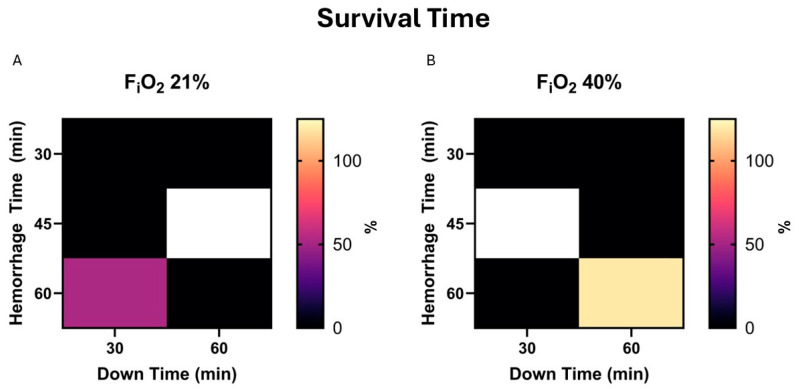 Figure 1
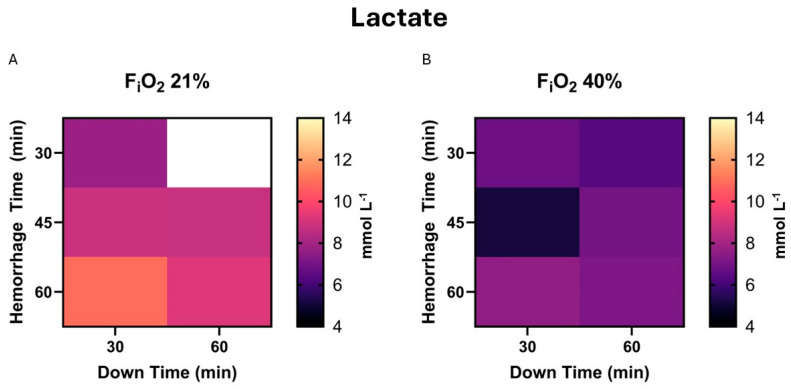 Figure 2
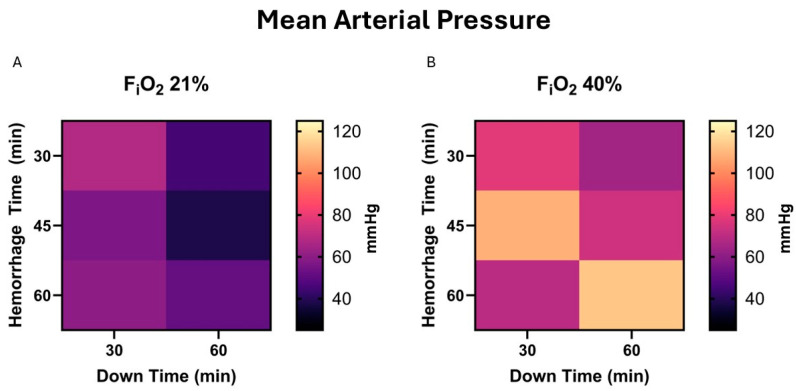 Figure 3
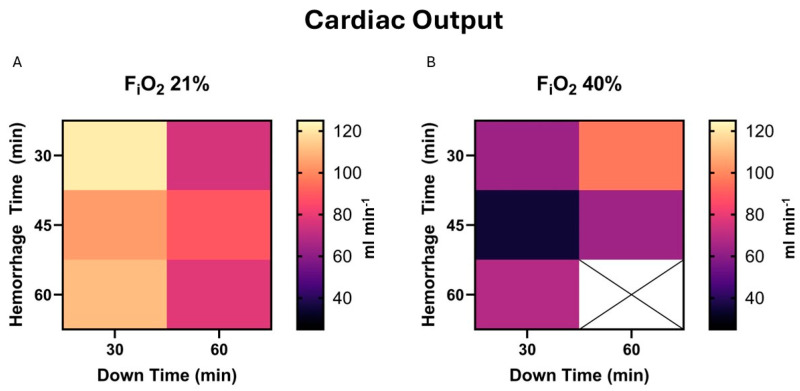 Figure 4
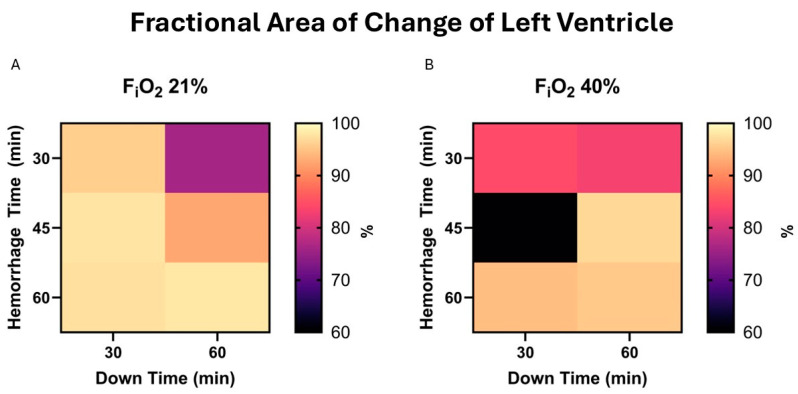 Figure 5
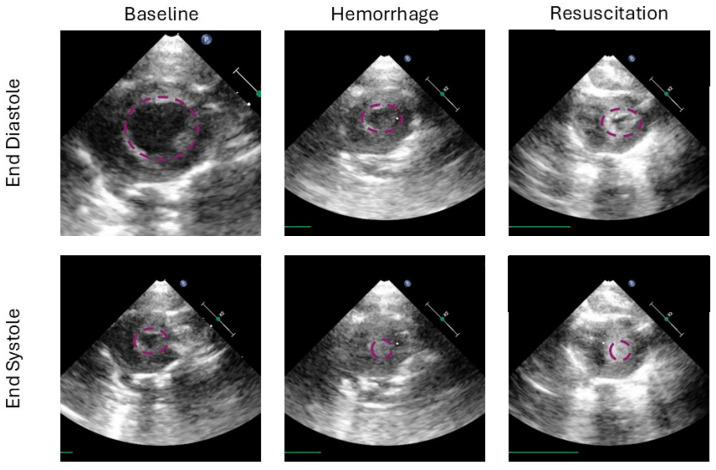 Figure 6
Peer Reviews
No public reviews on file for this paper yet. If you reviewed it on a platform where reviews are public (OpenReview, ICLR, NeurIPS, ICML), you can paste yours below so the community can read it here.
Videos
No videos yet. Explain this paper in a talk, walkthrough, or lecture? Add one.
Taxonomy
TopicsTrauma, Hemostasis, Coagulopathy, Resuscitation · Cardiac Arrest and Resuscitation · Trauma and Emergency Care Studies