A Prospective Pilot Study for Prognosis of Cardiac Resynchronization Therapy Super-Response Using Electrical and Mechanical Dyssynchrony Assessment in Patients with Heart Failure and Strauss Left Bundle Branch Block Criteria
Tariel Atabekov, Andrey Smorgon, Anna Mishkina, Sergey Krivolapov, Svetlana Sazonova, Mikhail Khlynin, Roman Batalov, Sergey Popov

TL;DR
This study shows that combining ECG, echocardiography, and scintigraphy can predict which heart failure patients will greatly benefit from cardiac resynchronization therapy.
Contribution
A new prognostic model using combined electrical and mechanical dyssynchrony assessments to predict CRT super-response.
Findings
39 out of 54 patients showed a CRT super-response after 6 months.
S wave amplitude in V2 lead, GLS, and IVD were independently associated with CRT super-response.
The prognostic model achieved high sensitivity and specificity with an AUC of 0.957.
Abstract
Electrical and mechanical dyssynchrony (MD) underlies left ventricular (LV) contractile dysfunction in patients with heart failure (HF) and left bundle branch block (LBBB). In some cases, cardiac resynchronization therapy (CRT) almost completely reverses LV contractile dysfunction. The LBBB electrocardiographic Strauss criteria and MD assessment were proposed to improve CRT response. However, using these techniques separately does not improve LV contraction in 20–40% of patients after CRT device implantation. We aimed to evaluate whether the combined use of electrocardiography (ECG), speckle-tracking echocardiography (STE) and cardiac scintigraphy could improve the prognosis of CRT super-response in patients with HF and Strauss LBBB criteria during a 6-month follow-up period. The study prospectively included patients with HF, classified as New York Heart Association (NYHA) functional…
Genes, proteins, chemicals, diseases, species, mutations and cell lines named across the full text — each resolved to its canonical identifier and authoritative record.
Click any figure to enlarge with its caption.
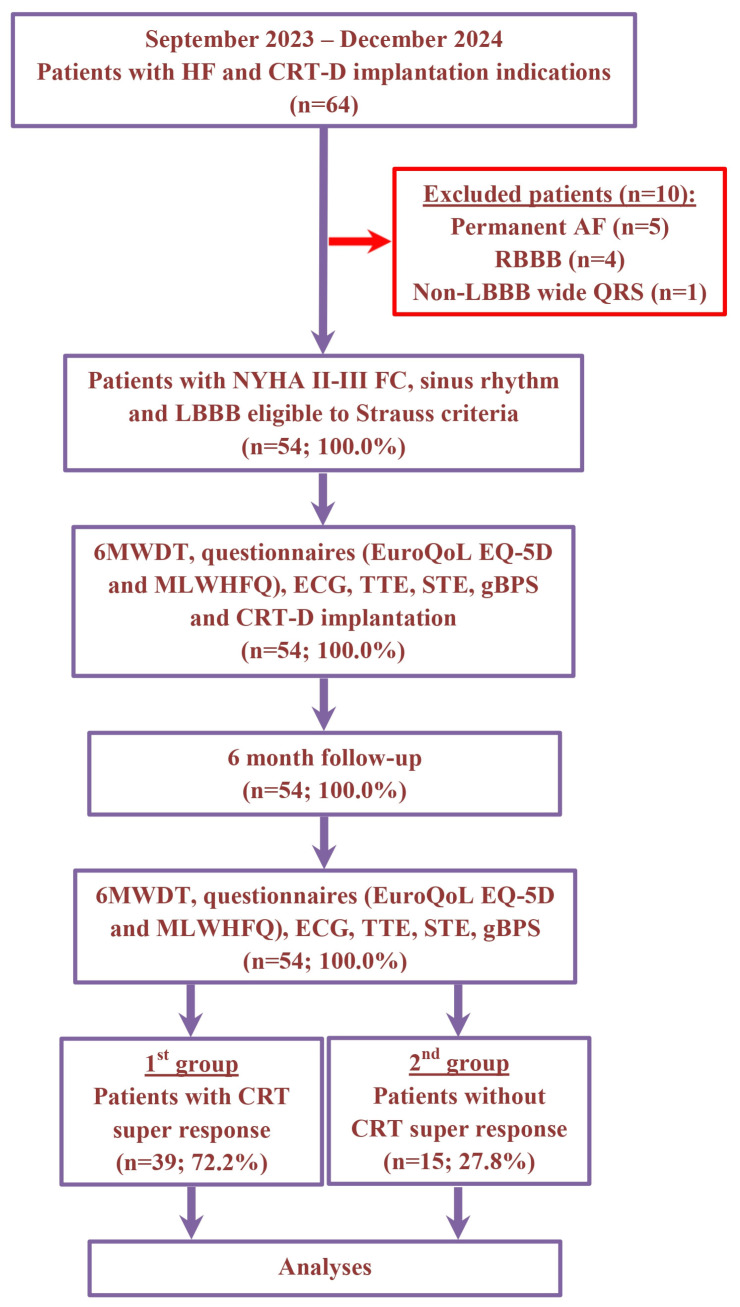 Figure 1
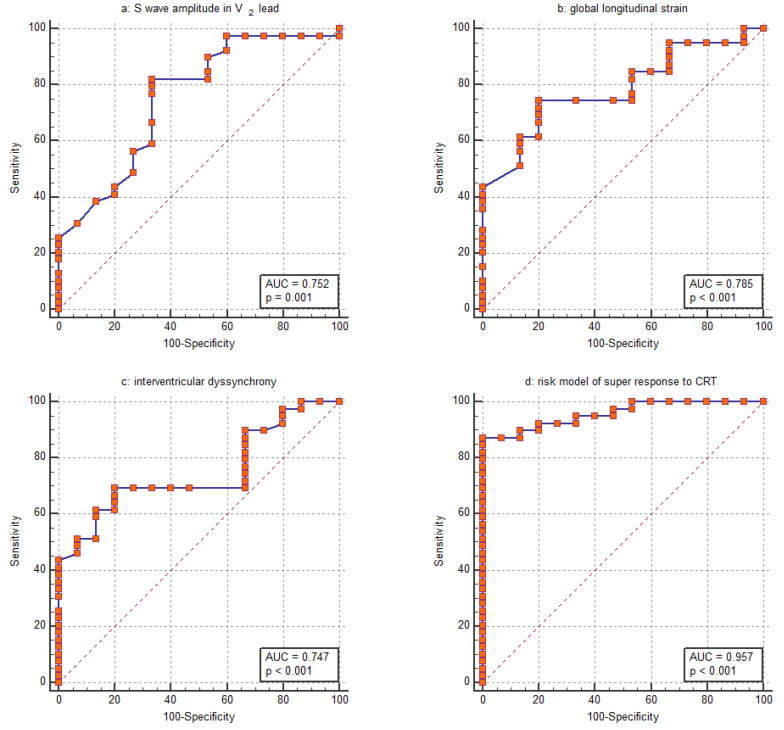 Figure 2
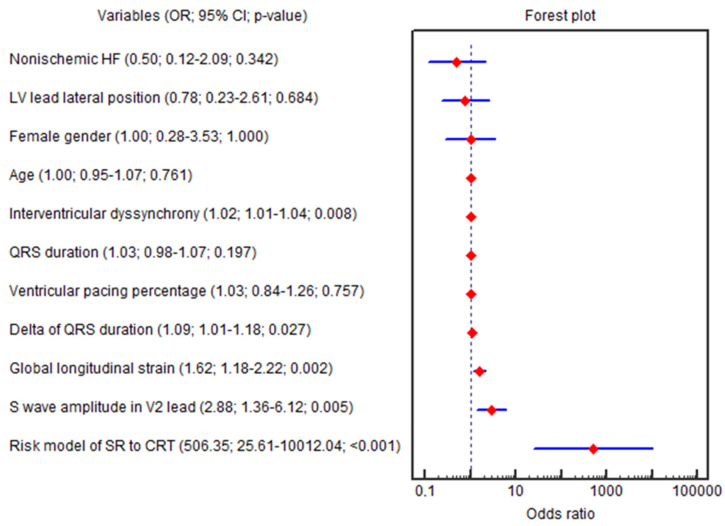 Figure 3
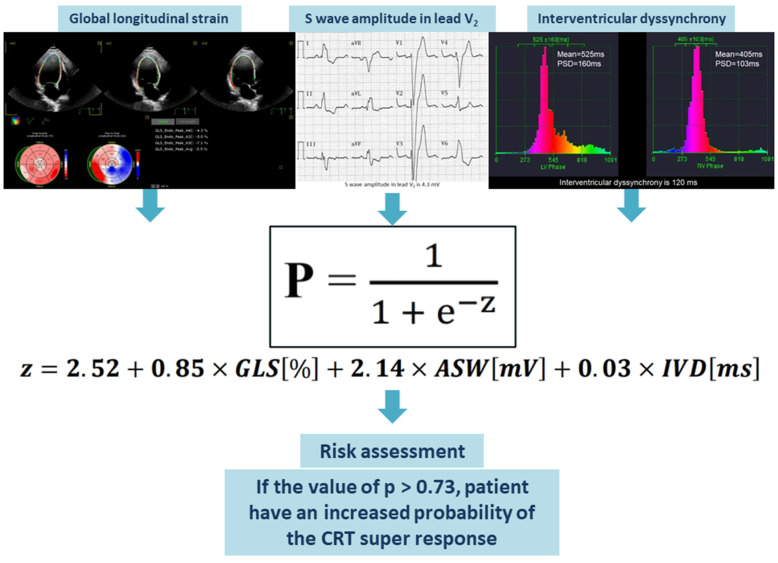 Figure 4
Peer Reviews
No public reviews on file for this paper yet. If you reviewed it on a platform where reviews are public (OpenReview, ICLR, NeurIPS, ICML), you can paste yours below so the community can read it here.
Videos
No videos yet. Explain this paper in a talk, walkthrough, or lecture? Add one.
Taxonomy
TopicsCardiac pacing and defibrillation studies · Cardiac Arrhythmias and Treatments · Cardiac electrophysiology and arrhythmias