The Impact of Cyclic Oxidation in Dissociated Air on the Mechanical Properties of Freeze-Cast ZrB2/MoSi2 Ceramics
Ludovic Charpentier, Eric Bêche, Hervé Glénat, Álvaro Sández-Gómez, Pedro Miranda

TL;DR
This study examines how ZrB2/MoSi2 ceramics withstand high-temperature oxidation, finding that they are suitable for reusable thermal shields below 1800 K.
Contribution
The paper provides new insights into the oxidation behavior and mechanical degradation of ZrB2/MoSi2 ceramics under cyclic high-temperature conditions.
Findings
At 1800 K, ZrB2/MoSi2 forms a protective silica-based oxide layer with semi-parabolic oxidation kinetics.
At 2150 K, the material shows continuous linear oxidation and significant mechanical degradation.
Nanoindentation revealed that oxidation weakens the material, suggesting a temperature limit for reusability.
Abstract
Creating reusable thermal shields would decrease our carbon footprint by eliminating the need for the reapplication of single-use ablative alternatives. Our previous investigations identified ultra-high-temperature ZrB2 with 20 vol.% MoSi2 ceramics as a promising candidate for the fabrication of reusable thermal shields. Therefore, in this study, this material was exposed to cyclic oxidation at 1800 and 2150 K in dissociated air in order to investigate how it might withstand multiple terrestrial re-entries. At 1800 K, we observed semi-parabolic oxidation kinetics with the growth of a protective oxide layer, the silica-based composition of which was determined using XRD and SEM (coupled with EDS). More dramatic damage was observed at 2150 K, with continuous linear oxidation kinetics seen. Cross-section hardness measurements using nanoindentation revealed that the oxidized part of the…
Genes, proteins, chemicals, diseases, species, mutations and cell lines named across the full text — each resolved to its canonical identifier and authoritative record.
Click any figure to enlarge with its caption.
 Figure 1
 Figure 2
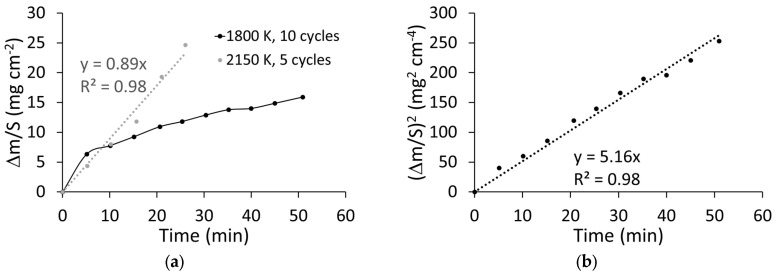 Figure 3
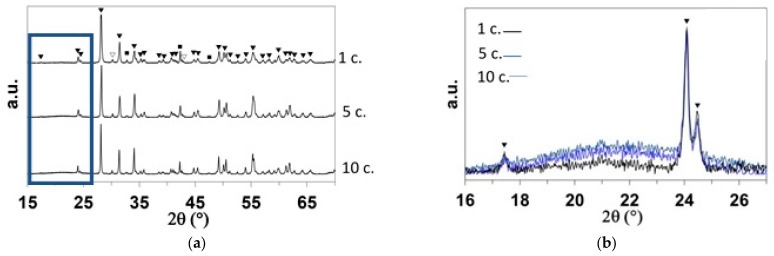 Figure 4
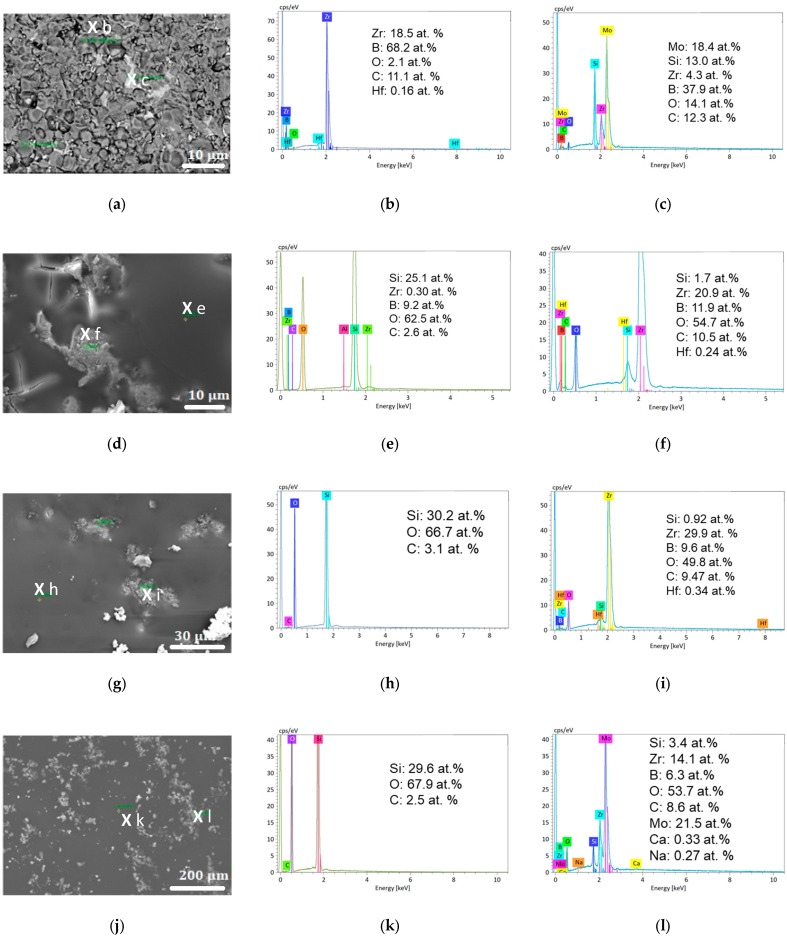 Figure 5
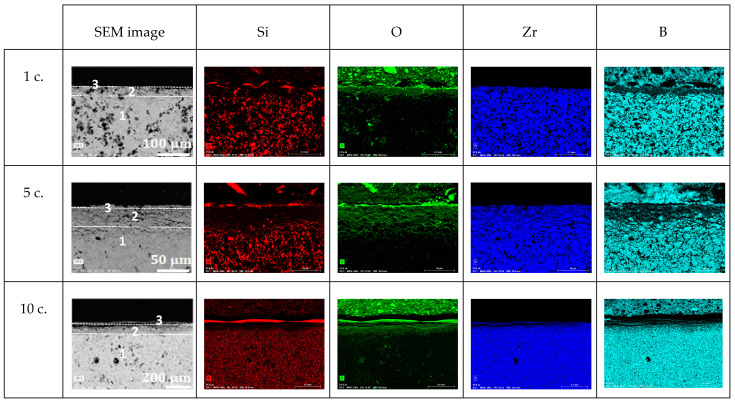 Figure 6
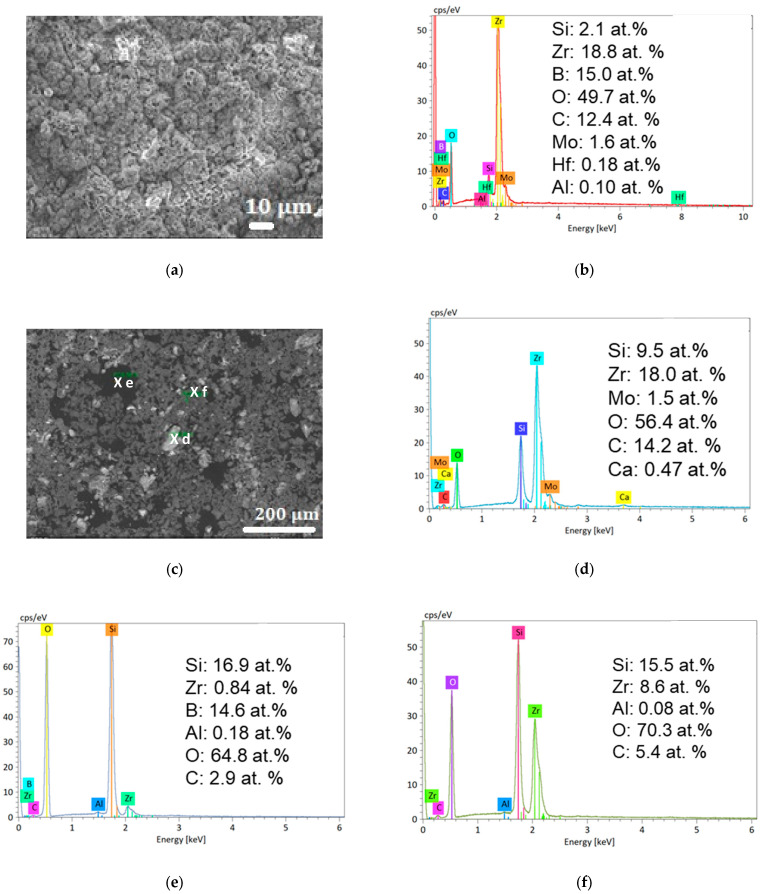 Figure 7
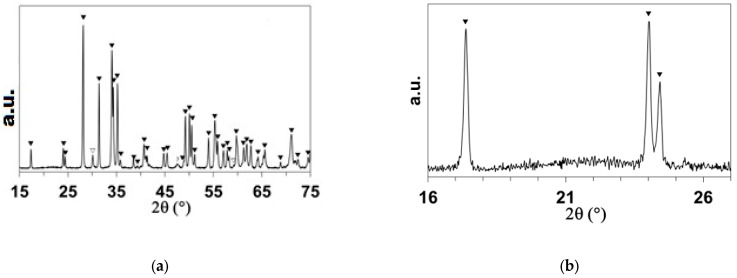 Figure 8
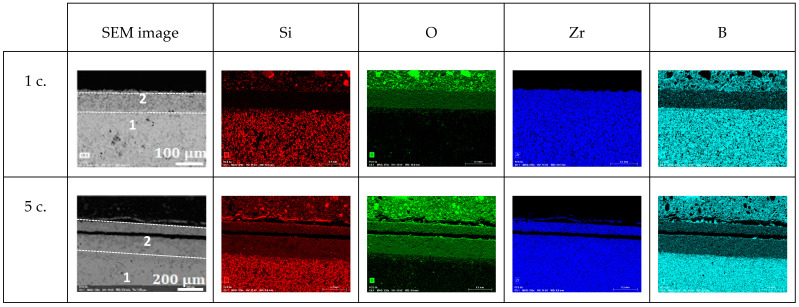 Figure 9
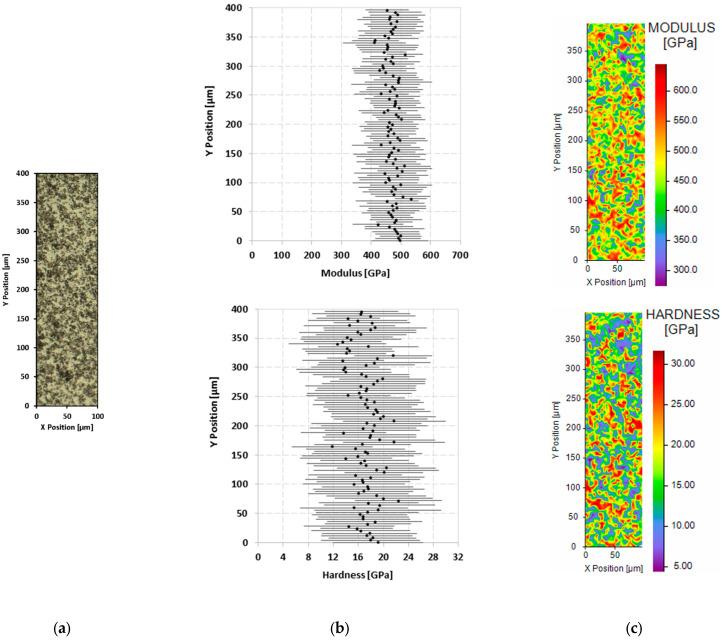 Figure 10
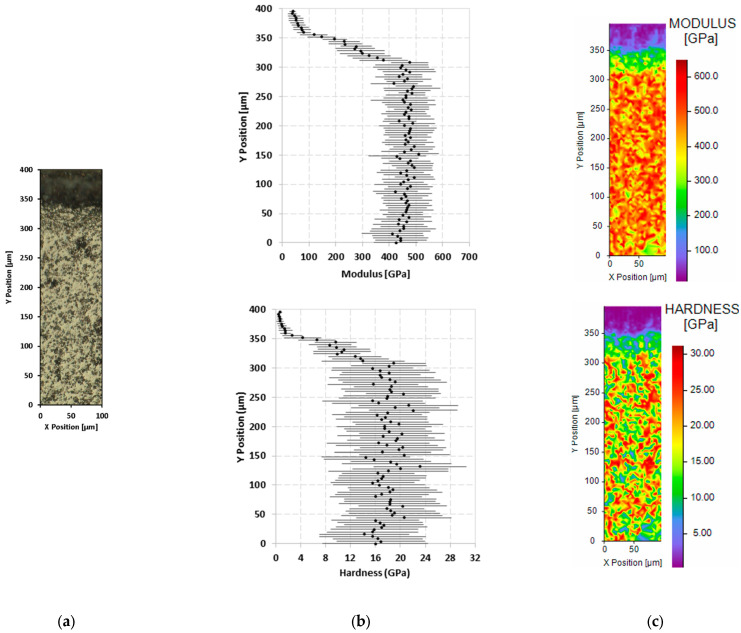 Figure 11
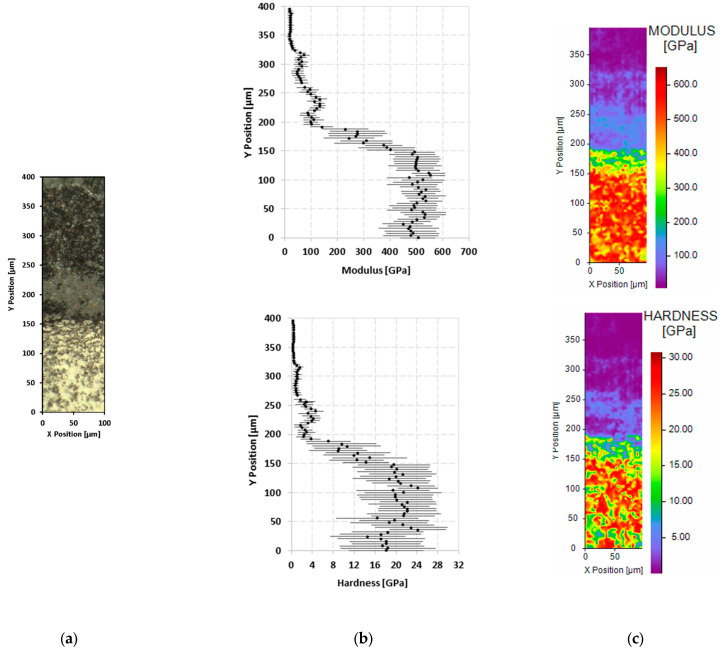 Figure 12
 Figure 13
 Figure 14
 Figure 15
 Figure 16
 Figure 17
 Figure 18
 Figure 19
Peer Reviews
No public reviews on file for this paper yet. If you reviewed it on a platform where reviews are public (OpenReview, ICLR, NeurIPS, ICML), you can paste yours below so the community can read it here.
Videos
No videos yet. Explain this paper in a talk, walkthrough, or lecture? Add one.
Taxonomy
TopicsAdvanced ceramic materials synthesis · Advanced materials and composites · Nuclear Materials and Properties