Xanthocillin X Dimethyl Ether Exhibits Anti-Proliferative Effect on Triple-Negative Breast Cancer by Depletion of Mitochondrial Heme
Jingjing Du, Xuening Zhang, Kaiqiang Guo, Wanjun Lin, Wenjian Lan, Zi Wang, Meina Shi, Zifeng Huang, Houjin Li, Wenzhe Ma

TL;DR
Xanthocillin X dimethyl ether fights triple-negative breast cancer by reducing mitochondrial heme, disrupting energy production in cancer cells.
Contribution
XanDME's novel anti-cancer mechanism involves mitochondrial heme depletion and disruption of the electron transport chain in TNBC.
Findings
XanDME binds to hemin and depletes regulatory heme in cells.
XanDME enters mitochondria and interacts with cytochromes, disrupting the electron transport chain.
Mitochondrial respiration is inhibited, leading to anti-proliferative effects in TNBC both in vitro and in vivo.
Abstract
Triple-negative breast cancer (TNBC) presents a significant therapeutic challenge due to the absence of specific targeted treatments. In this study, we explored the therapeutic potential of xanthocillin X dimethyl ether (XanDME), a naturally occurring isocyanide isolated from the marine fungus Scedosporium apiospermum, on TNBC. To elucidate the underlying mechanism, we initially demonstrated that XanDME directly binds to hemin, the oxidized form of heme, in vitro, corroborating previous reports. This interaction led to the depletion of intracellular regulatory heme. We further established that XanDME translocates into the mitochondria, where it interacts with crucial hemoproteins, namely cytochromes. The binding of XanDME with mitochondrial cytochromes disrupts the electron transport chain (ETC), inhibits the activity of mitochondrial complexes, and inactivates mitochondrial…
Genes, proteins, chemicals, diseases, species, mutations and cell lines named across the full text — each resolved to its canonical identifier and authoritative record.
Click any figure to enlarge with its caption.
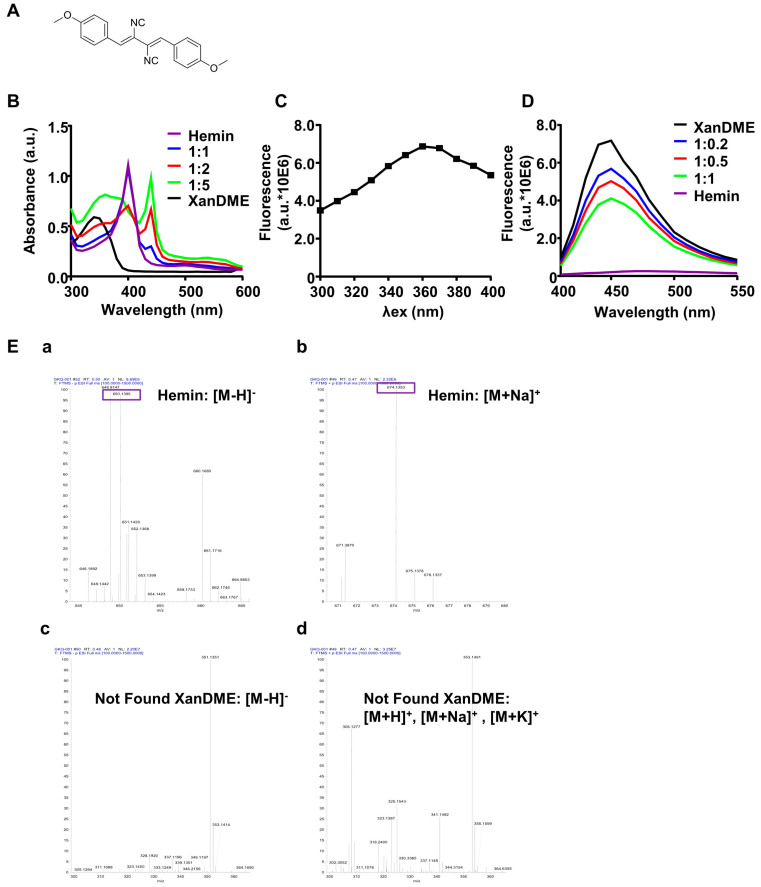 Figure 1
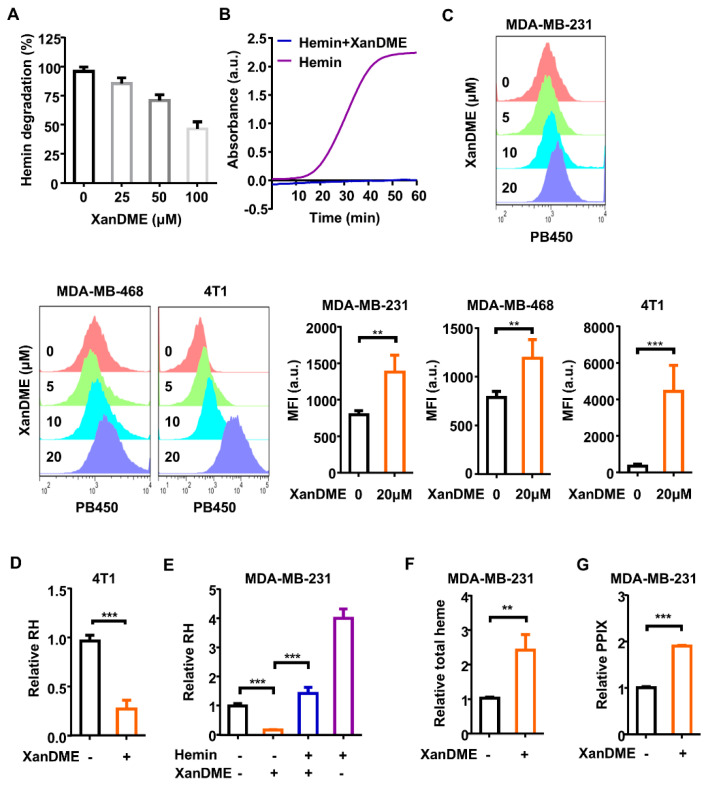 Figure 2
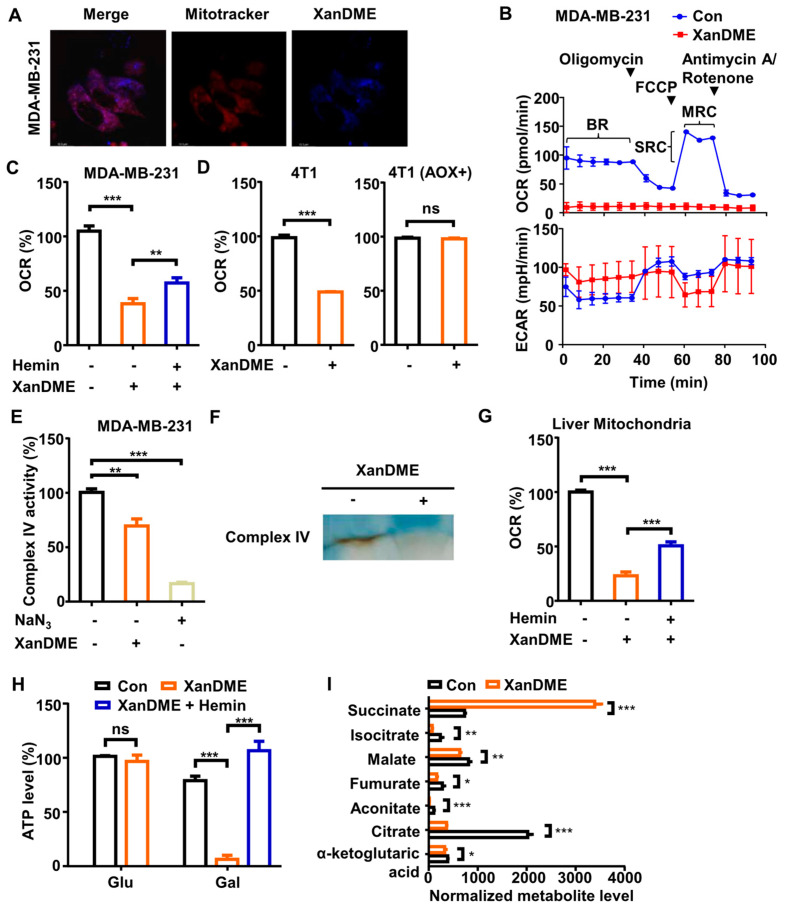 Figure 3
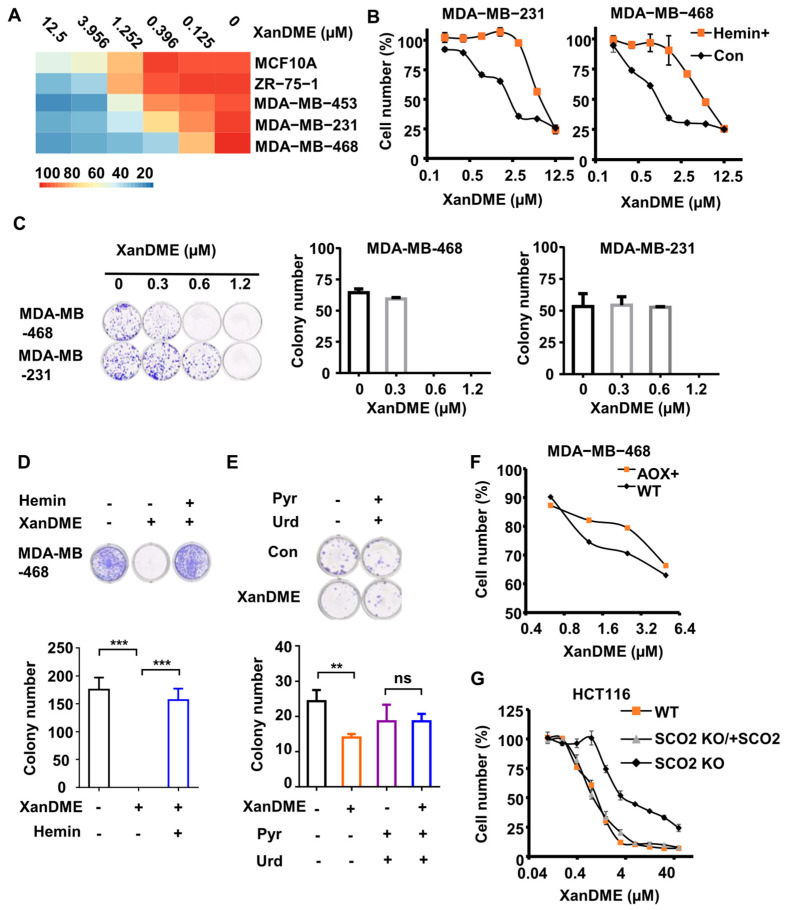 Figure 4
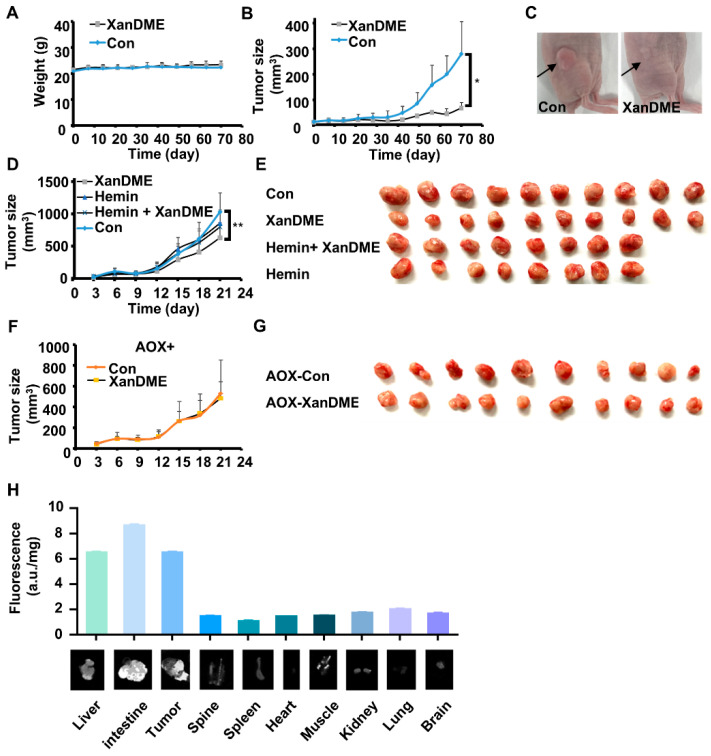 Figure 5
Peer Reviews
No public reviews on file for this paper yet. If you reviewed it on a platform where reviews are public (OpenReview, ICLR, NeurIPS, ICML), you can paste yours below so the community can read it here.
Videos
No videos yet. Explain this paper in a talk, walkthrough, or lecture? Add one.
Taxonomy
TopicsAutophagy in Disease and Therapy · RNA modifications and cancer · Cancer, Hypoxia, and Metabolism