Traumatic Bilateral Asymmetrical Hip Dislocation with Acetabular Fracture: A Case Report and Review of Current Evidence
Jovana Grupkovic, Uros Dabetic, Nikola Bogosavljevic, Dejan Aleksandric, Mladen Milanovic, Dunja Savicevic, Slavisa Zagorac

TL;DR
A rare case of traumatic bilateral asymmetrical hip dislocation with acetabular fracture is reported, highlighting successful treatment and recovery strategies.
Contribution
This case report adds to the limited literature on bilateral asymmetrical hip dislocations and emphasizes the importance of early intervention and individualized rehabilitation.
Findings
Successful closed reduction followed by surgical stabilization led to full recovery without avascular necrosis or osteoarthritis.
Early reduction within six hours and timely surgical intervention are critical for favorable outcomes.
Individualized rehabilitation protocols are essential for recovery from complex hip dislocations.
Abstract
Bilateral asymmetrical hip dislocations are rare, occurring in only 0.01–0.02% of all joint dislocations, typically following high-energy trauma. We present a 22-year-old male involved in a high-speed motor vehicle collision, sustaining a right posterior hip dislocation with an associated posterior wall acetabular fracture and a left obturator-type anterior dislocation. He underwent successful closed reduction within two hours post-injury, but due to persistent instability of the posterior acetabular wall fracture, open reduction and internal fixation (ORIF) via a Kocher–Langenbeck approach was performed. A structured rehabilitation protocol facilitated full functional recovery at six months, with no evidence of avascular necrosis (AVN) or post-traumatic osteoarthritis. A literature review of relevant studies highlights the importance of early reduction (<6 h) to reduce AVN risk, timely…
Genes, proteins, chemicals, diseases, species, mutations and cell lines named across the full text — each resolved to its canonical identifier and authoritative record.
Click any figure to enlarge with its caption.
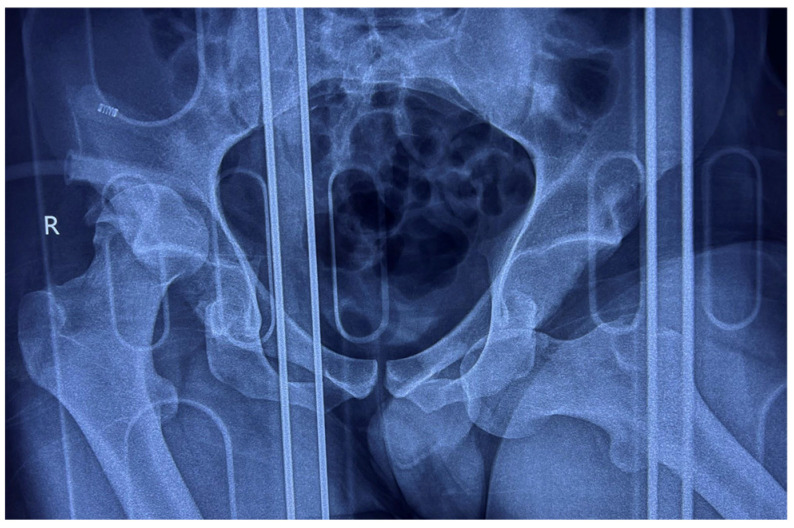 Figure 1
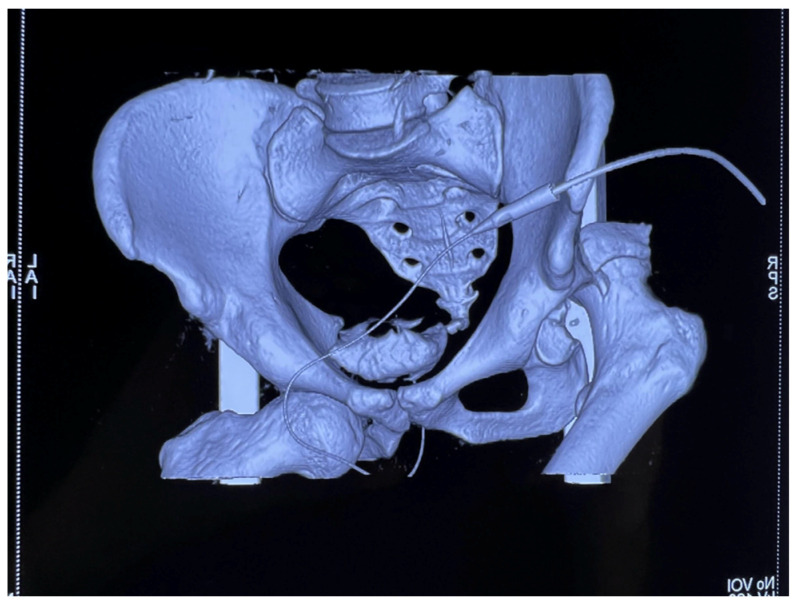 Figure 2
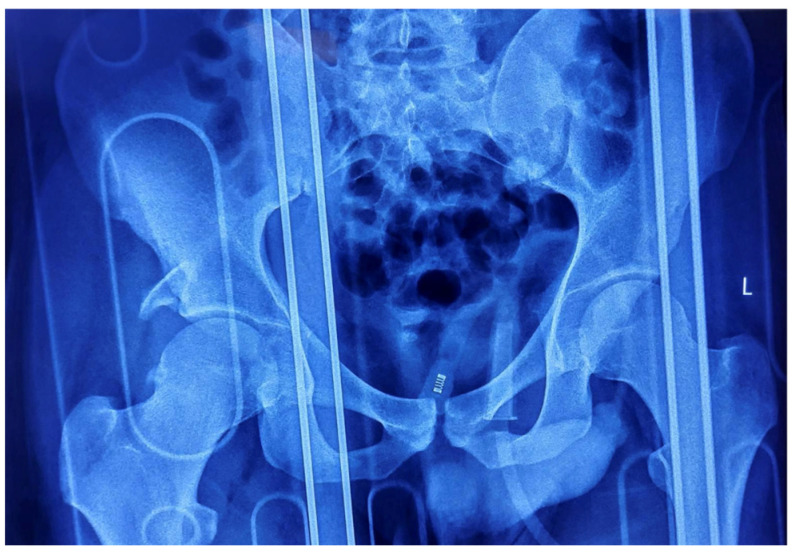 Figure 3
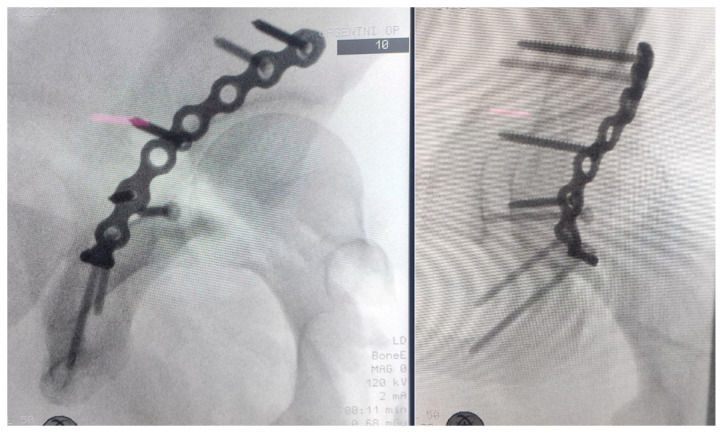 Figure 4
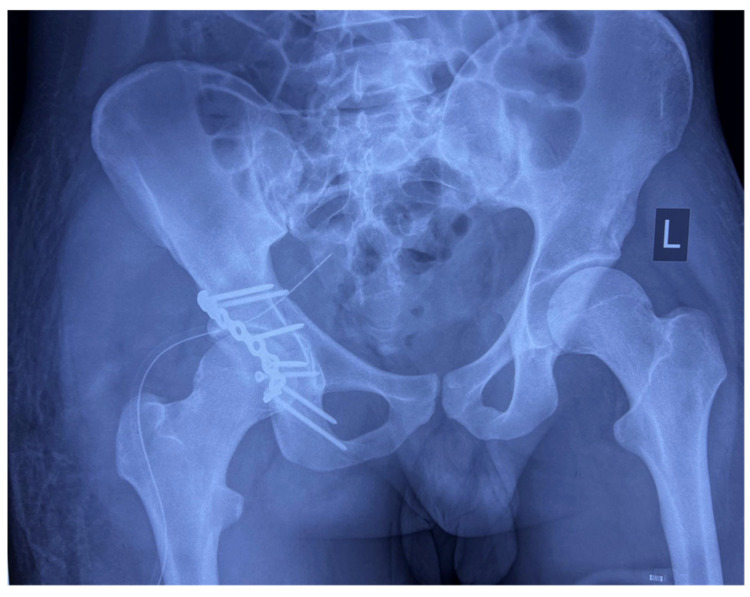 Figure 5
Peer Reviews
No public reviews on file for this paper yet. If you reviewed it on a platform where reviews are public (OpenReview, ICLR, NeurIPS, ICML), you can paste yours below so the community can read it here.
Videos
No videos yet. Explain this paper in a talk, walkthrough, or lecture? Add one.
Taxonomy
TopicsPelvic and Acetabular Injuries · Hip disorders and treatments · Hip and Femur Fractures