Microstructural and Mechanical Characterization of Cu/SnAg Pillar Bumps with Ni-Less Surface Finish Utilizing Laser-Assisted Bonding (LAB)
Sang-Eun Han, Dong-Gyu Choi, Seonghui Han, Tae-Young Lee, Deok-Gon Han, Hoo-Jeong Lee, Sehoon Yoo

TL;DR
This paper studies how laser-assisted bonding affects the strength and structure of copper/silver-tin solder bumps used in electronics.
Contribution
The study introduces a laser-assisted bonding method for Cu/SnAg pillar bumps with Ni-less pads and evaluates its mechanical and microstructural performance.
Findings
Laser-assisted bonding (LAB) achieved minimal intermetallic compound growth and high bonding strength under optimized conditions.
Solder splashing occurred at temperatures above 300 °C due to explosive flux vaporization.
Failure modes shifted from solder to intermetallic compounds with higher laser power density.
Abstract
In this study, an interconnection was formed between a Cu/SnAg pillar bump and an Ni-less surface-treated Cu pad through laser-assisted bonding (LAB), and its bonding characteristics were evaluated. The LAB process influences the bond quality and mechanical strength based on the laser irradiation time and laser power density. The growth of the intermetallic compound (IMC) in the joint cross-section was observed via FE-SEM analysis. Under optimized LAB conditions, minimal IMC growth and high bonding strength were achieved compared to conventional thermo-compression bonding (TCB) and mass reflow (MR) processes. As the laser irradiation time and laser power density increased, solder splashing was observed at bump temperatures above 300 °C. This is hypothesized to be due to the rapid temperature rise causing the flux to vaporize explosively, resulting in simultaneous solder splashing. With…
Genes, proteins, chemicals, diseases, species, mutations and cell lines named across the full text — each resolved to its canonical identifier and authoritative record.
Click any figure to enlarge with its caption.
 Figure 1
 Figure 2
 Figure 3
 Figure 4
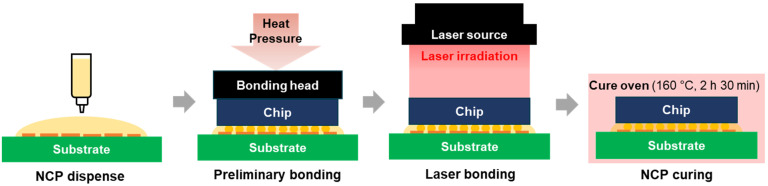 Figure 5
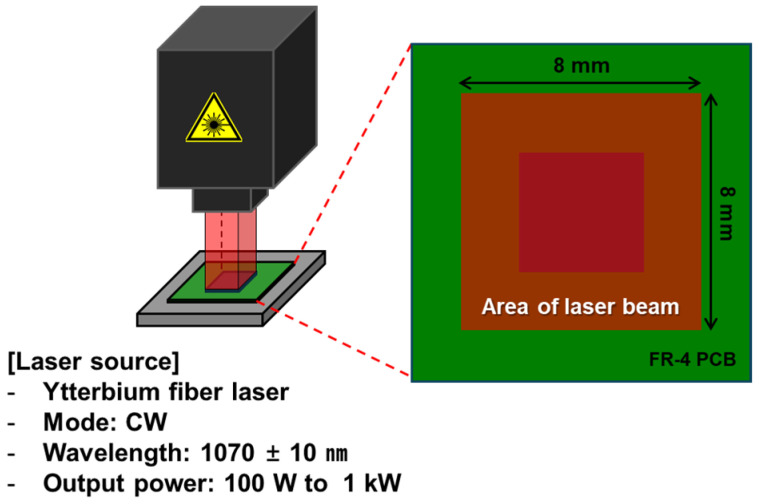 Figure 6
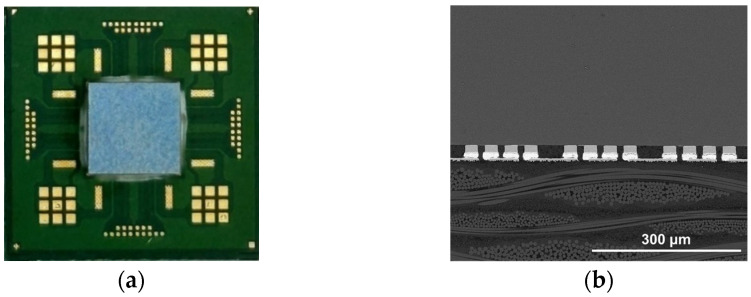 Figure 7
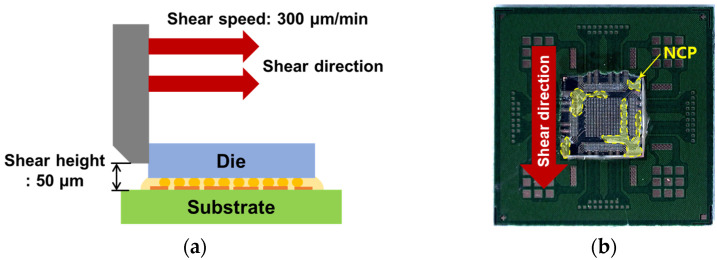 Figure 8
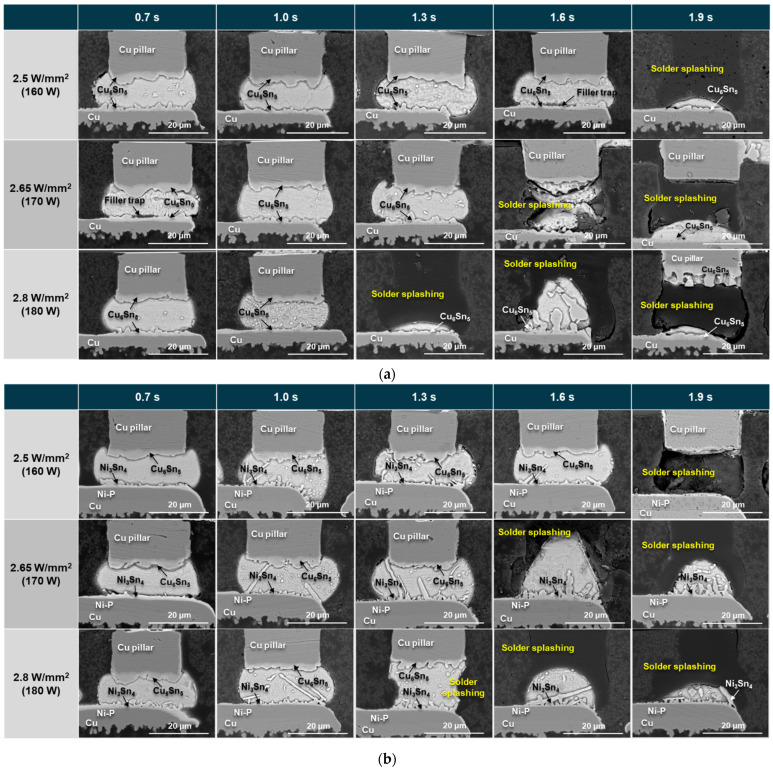 Figure 9
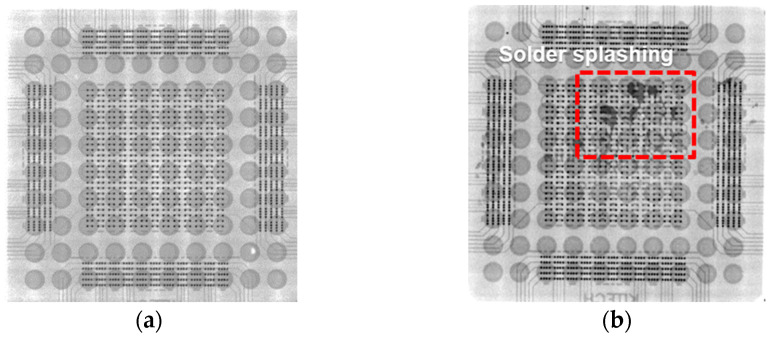 Figure 10
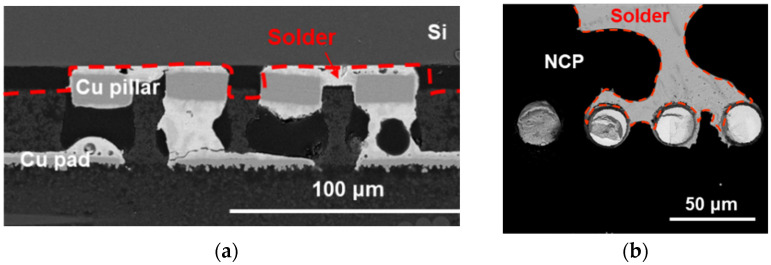 Figure 11
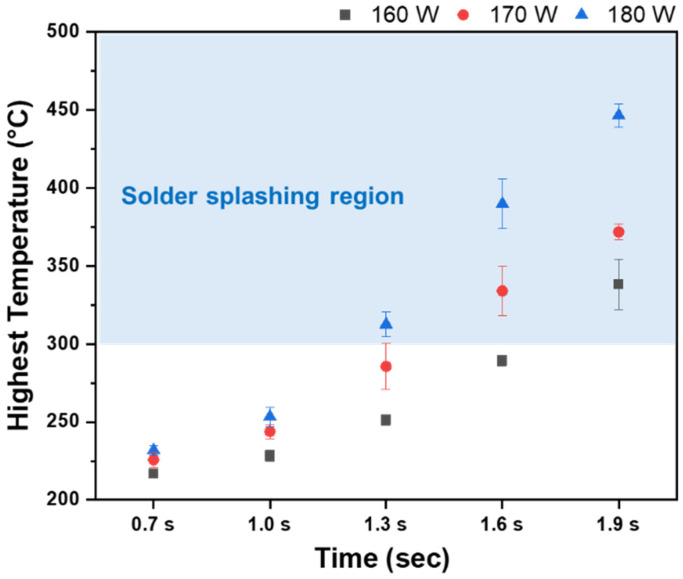 Figure 12
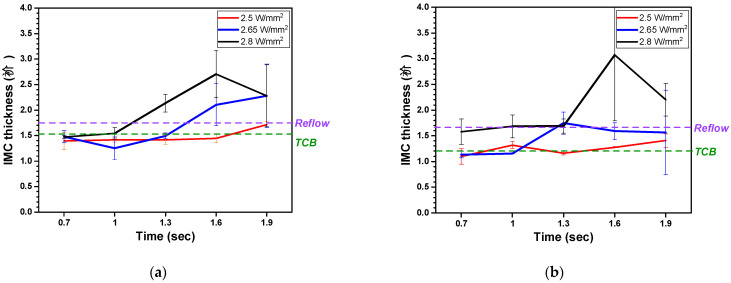 Figure 13
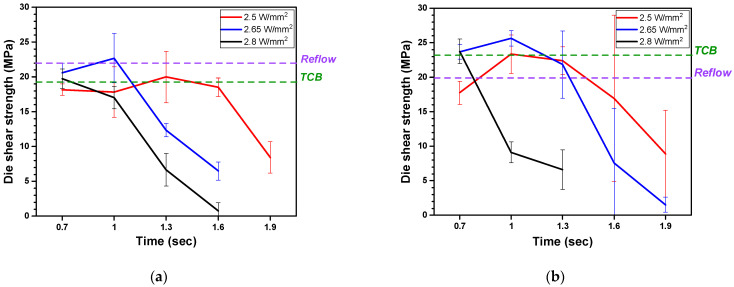 Figure 14
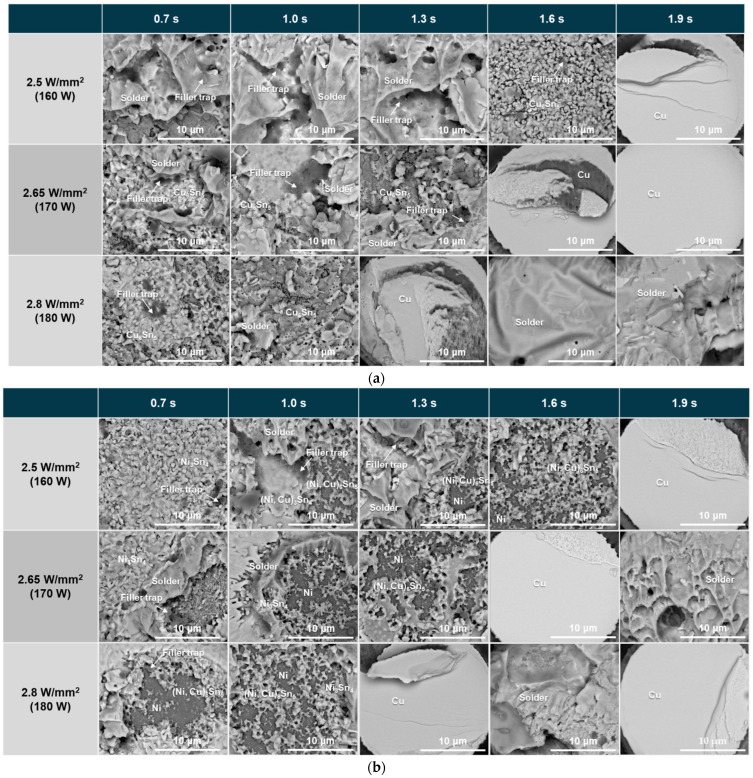 Figure 15
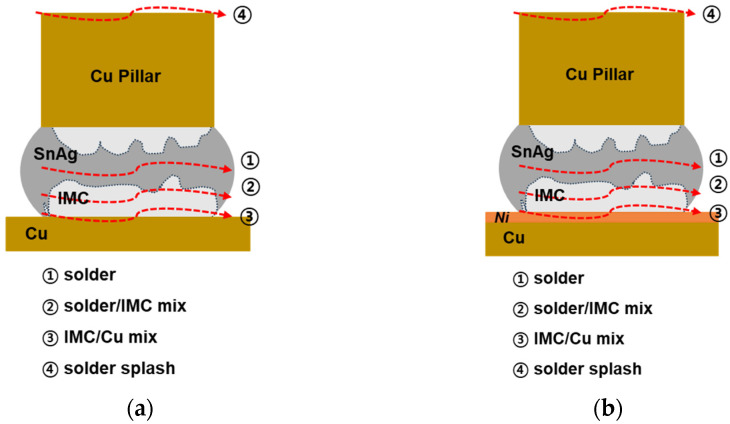 Figure 16
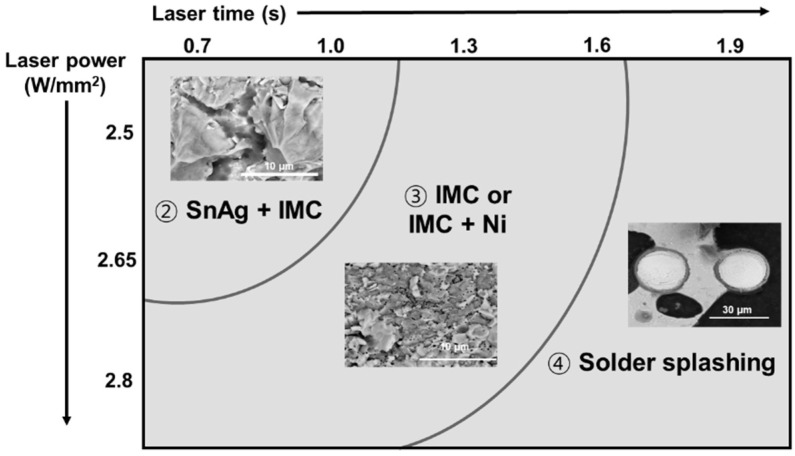 Figure 17
Peer Reviews
No public reviews on file for this paper yet. If you reviewed it on a platform where reviews are public (OpenReview, ICLR, NeurIPS, ICML), you can paste yours below so the community can read it here.
Videos
No videos yet. Explain this paper in a talk, walkthrough, or lecture? Add one.
Taxonomy
Topics3D IC and TSV technologies · Electronic Packaging and Soldering Technologies · Additive Manufacturing and 3D Printing Technologies