Effects of TC4 Thickness on the Penetration Resistance Behavior of Ti-Al3Ti Metal–Intermetallic Laminated Composites
Yang Wang, Meini Yuan, Pengfei Zhou, Xin Pei, Wei Yang, Zehui Tian

TL;DR
This study shows that increasing the thickness of titanium layers in Ti-Al3Ti metal composites significantly improves their resistance to high-speed penetration.
Contribution
The novel contribution is demonstrating that millimeter-thick Ti layers enhance anti-penetration performance through controlled crack propagation and interface failure.
Findings
A 2.5 mm Ti layer reduces projectile residual velocity by up to 100% at 600 m/s impact.
Thicker Ti layers increase crack propagation angles, improving energy absorption.
Stress wave propagation analysis reveals enhanced performance via ductile layer thickness.
Abstract
Ti-Al3Ti metal–intermetallic laminate (MIL) composites with microscale layer thickness have attracted attention in aerospace applications. However, whether millimeter-thick Ti layers can enhance the anti-penetration of Ti-Al3Ti MIL composites under 400–1000 m/s impact velocities remains unclear. In this study, a Ti-Al3Ti MIL composite target was prepared by hot press sintering, and the 2D finite element model validated by anti-penetration testing was used to prove that increasing the thickness of the Ti layer significantly increases the stress level and anti-penetration limit of the target. Simulations show that compared with a 0.1 mm Ti layer, a 2.5 mm Ti layer reduces the projectile residual velocity by 100% (600 m/s), 72% (800 m/s), and 38.5% (1000 m/s). With a total thickness difference of 0.1 mm, the crack propagation angles increase by 4° (0.06 mm Ti) and 14° (2.5 mm Ti) compared…
Genes, proteins, chemicals, diseases, species, mutations and cell lines named across the full text — each resolved to its canonical identifier and authoritative record.
Click any figure to enlarge with its caption.
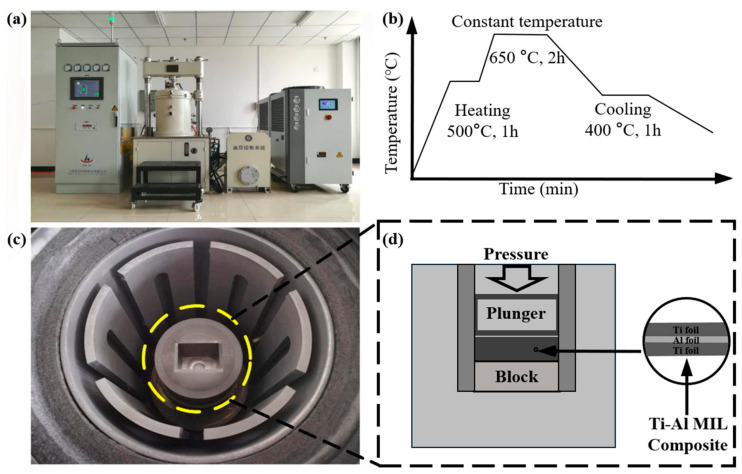 Figure 1
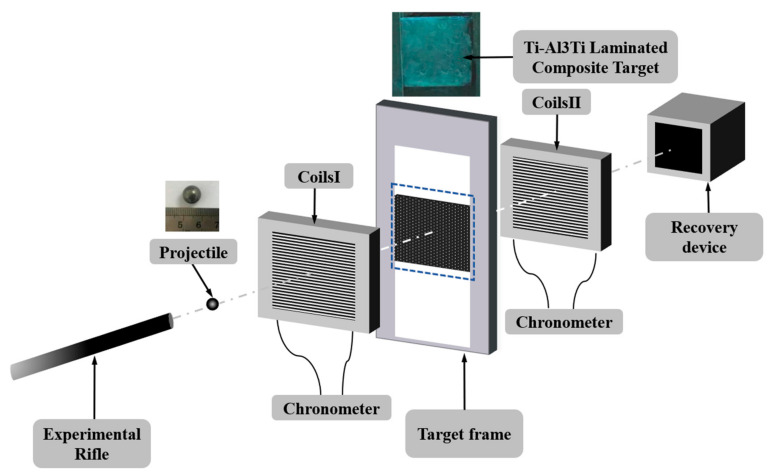 Figure 2
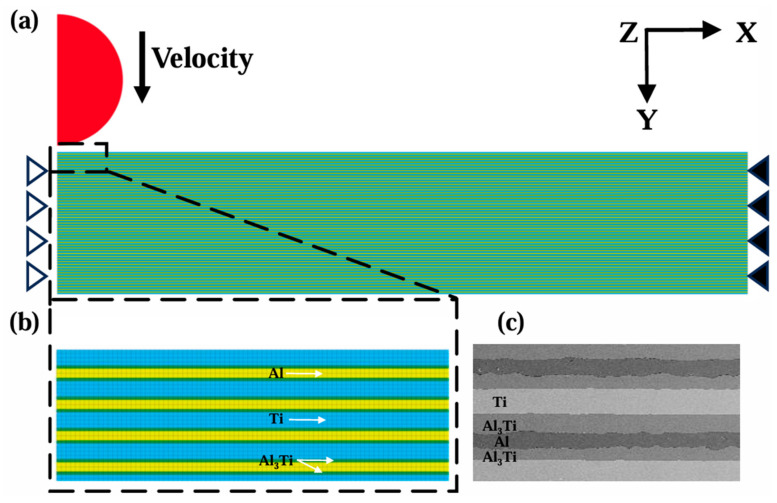 Figure 3
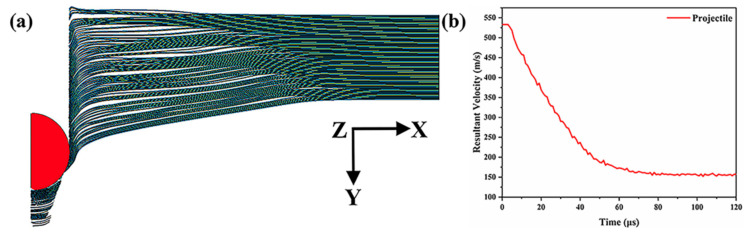 Figure 4
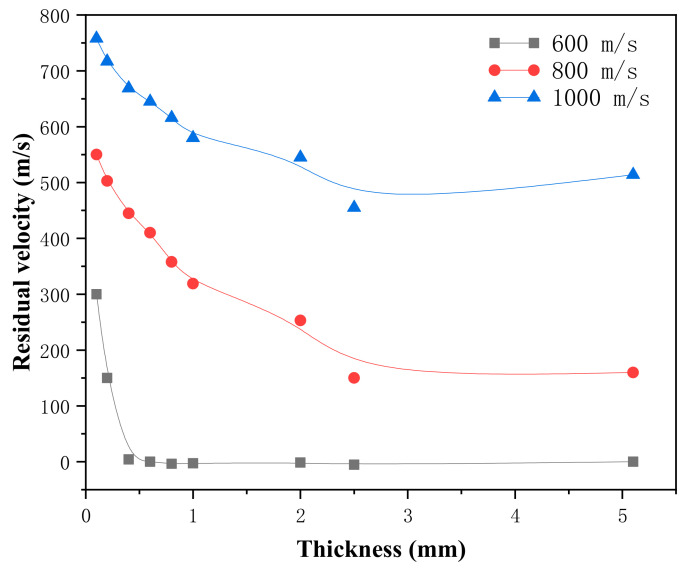 Figure 5
 Figure 6
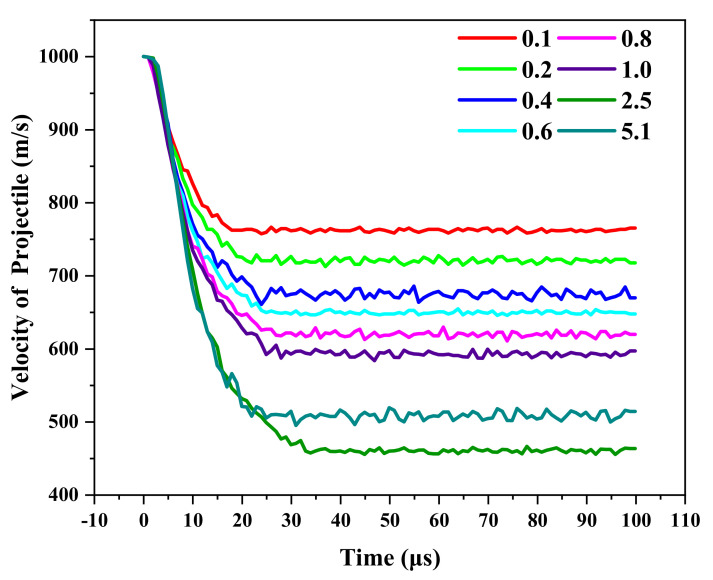 Figure 7
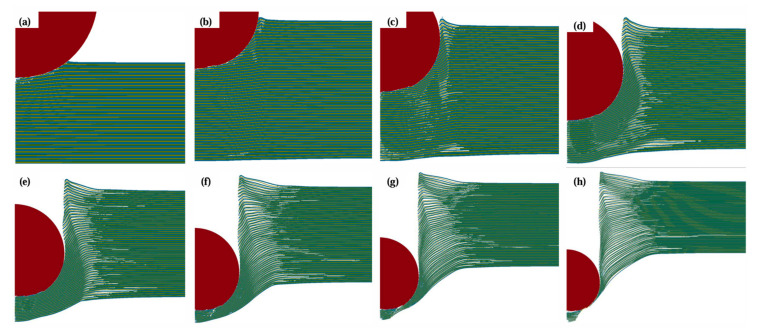 Figure 8
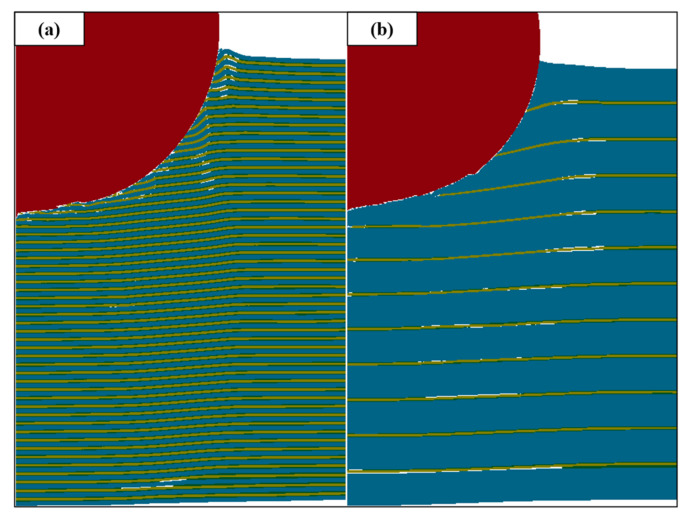 Figure 9
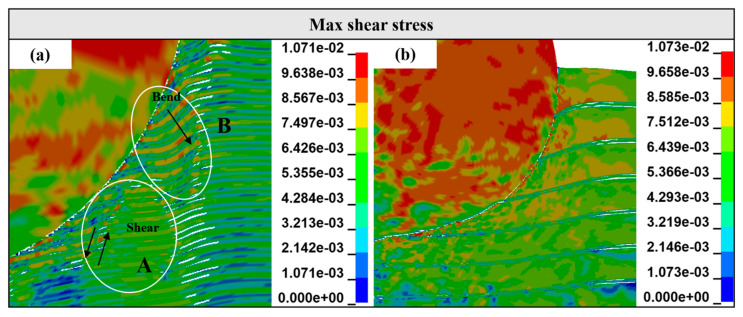 Figure 10
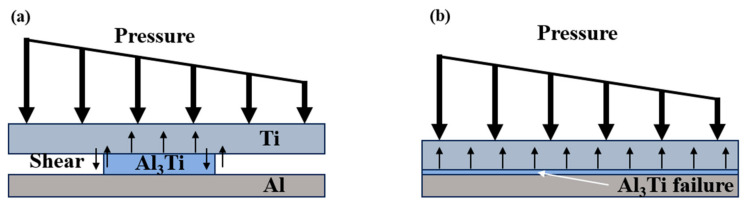 Figure 11
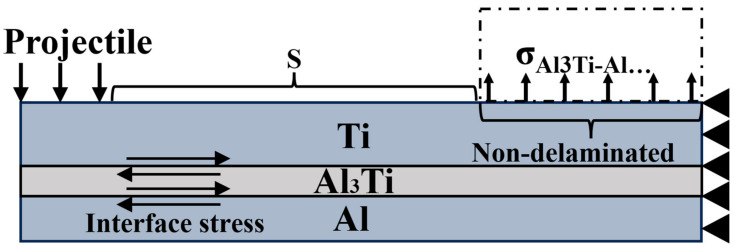 Figure 12
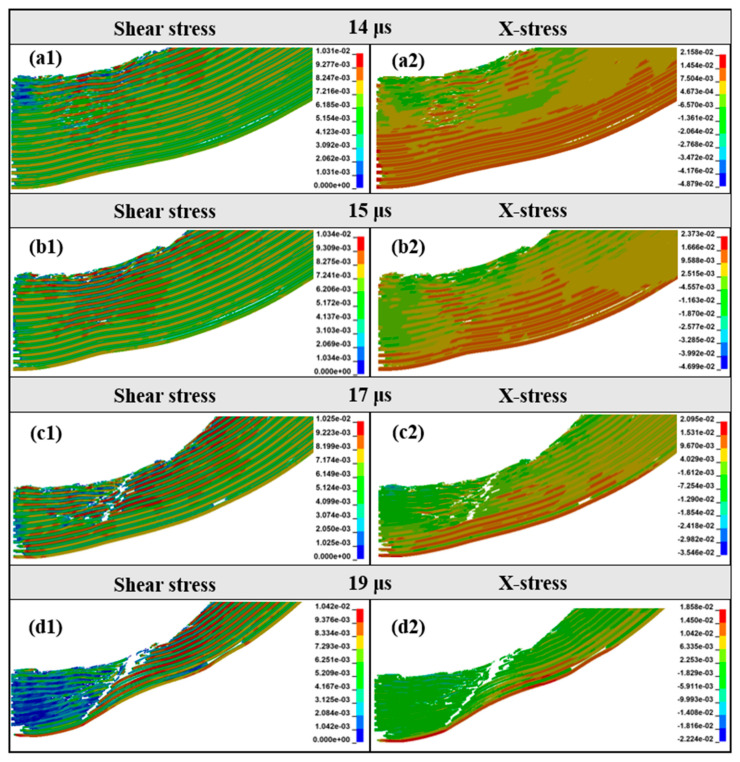 Figure 13
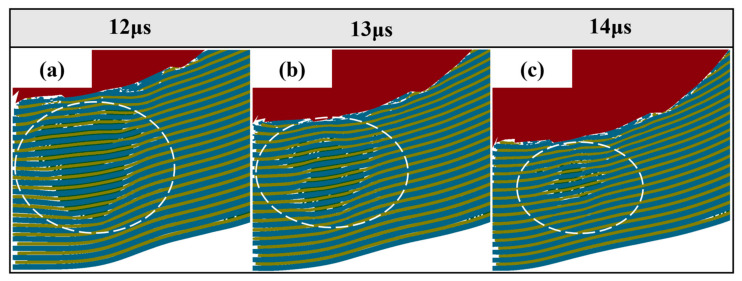 Figure 14
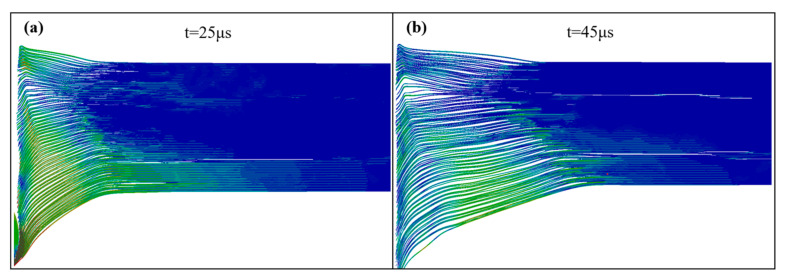 Figure 15
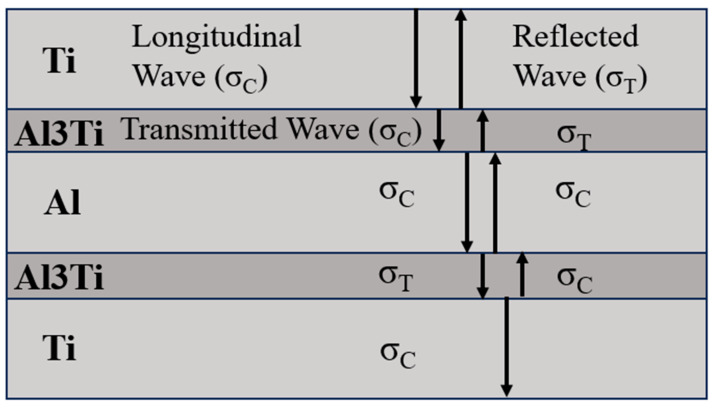 Figure 16
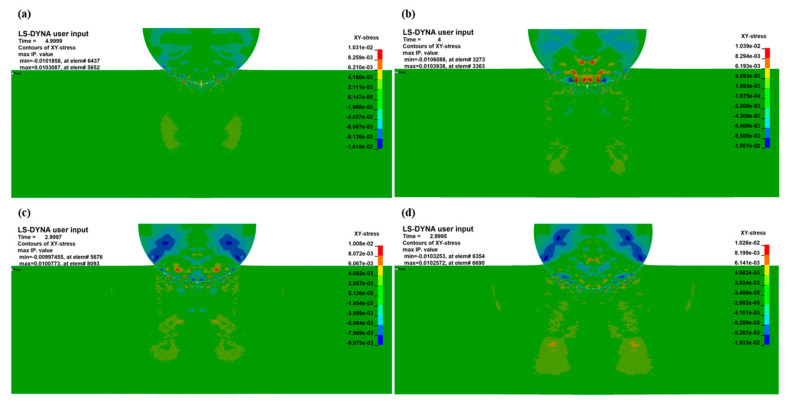 Figure 17
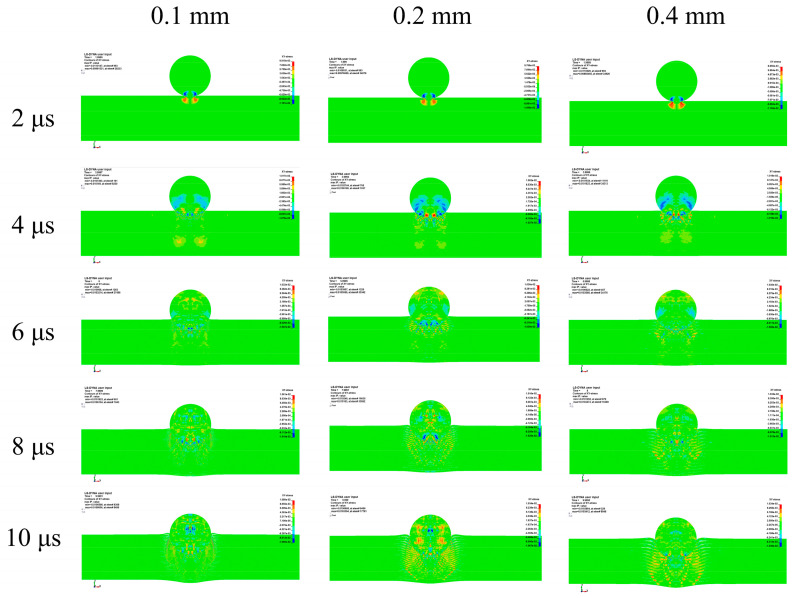 Figure 18
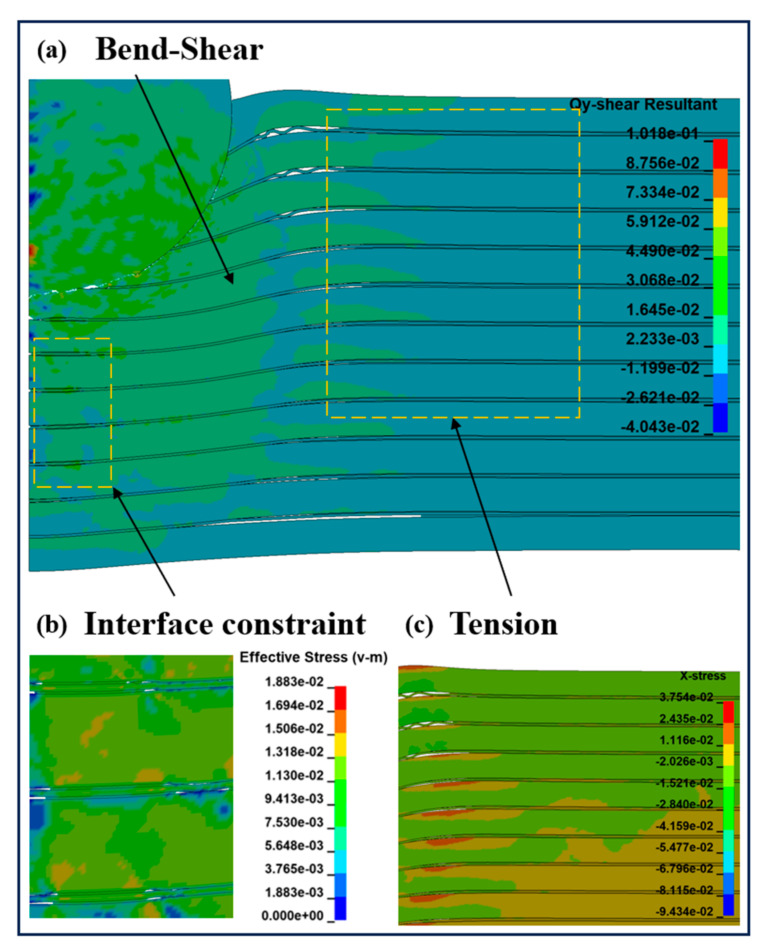 Figure 19
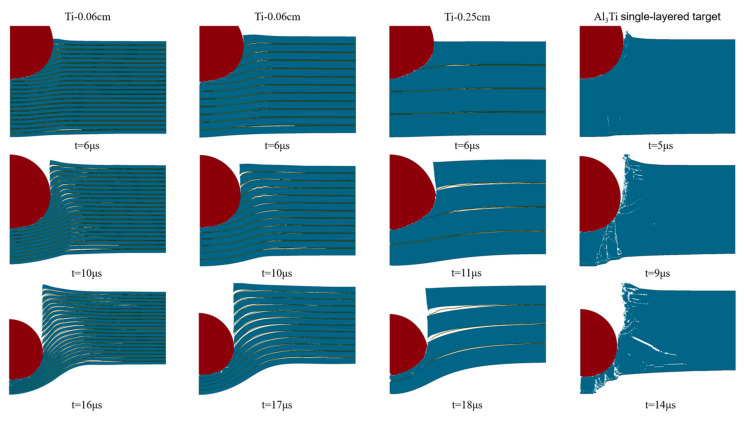 Figure 20
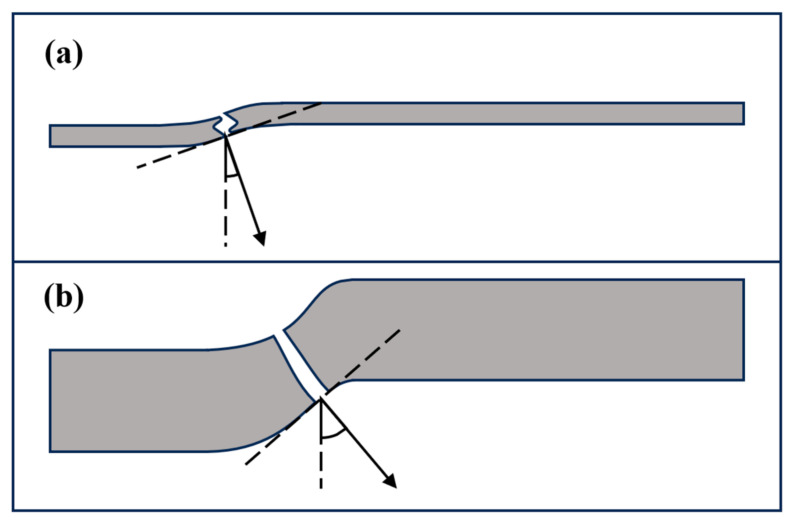 Figure 21
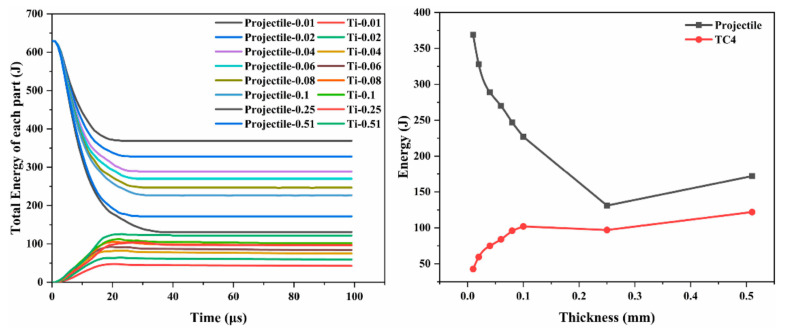 Figure 22
Peer Reviews
No public reviews on file for this paper yet. If you reviewed it on a platform where reviews are public (OpenReview, ICLR, NeurIPS, ICML), you can paste yours below so the community can read it here.
Videos
No videos yet. Explain this paper in a talk, walkthrough, or lecture? Add one.
Taxonomy
TopicsHigh-Velocity Impact and Material Behavior · Energetic Materials and Combustion · Metal and Thin Film Mechanics