Assessment of Primary Stability and Micromotion of Different Fixation Techniques for Scapular Spine Bone Blocks for the Reconstruction of Critical Bone Loss of the Anterior Glenoid—A Biomechanical Study
Anton Brehmer, Yasmin Youssef, Martin Heilemann, Toni Wendler, Jean-Pierre Fischer, Stefan Schleifenbaum, Pierre Hepp, Jan Theopold

TL;DR
This study compares different methods for fixing bone blocks in shoulder surgery, finding that some techniques offer better stability than others.
Contribution
The study provides novel biomechanical data comparing suture-based and screw-based fixation techniques for scapular spine bone blocks.
Findings
Double-screw fixation showed significantly less medial irreversible displacement compared to single-suture cerclage.
Double-suture cerclage provided stability comparable to double-screw fixation without using metal.
Single-suture cerclage had inferior biomechanical properties, suggesting lower clinical reliability.
Abstract
Anteroinferior shoulder dislocations require surgical intervention when related to critical glenoid bone loss. Scapular spine bone blocks have emerged as a promising alternative to traditional bone augmentation techniques. However, limited data exist on their biomechanical stability when using different suture-based fixation techniques. This study aimed to evaluate primary stability and micromotion after glenoid augmentation using a scapular spine bone block. A total of 31 fresh-frozen human shoulder specimens underwent bone block augmentation. The specimens were randomized into three groups: double-screw fixation (DSF), single-suture bone block cerclage (SSBBC), and double-suture bone block cerclage (DSBBC). Biomechanical testing was conducted using cyclic loading (5000 cycles at 1 Hz) and micromotion was analyzed using an optical 3D measurement system. Statistical analysis showed that…
Genes, proteins, chemicals, diseases, species, mutations and cell lines named across the full text — each resolved to its canonical identifier and authoritative record.
Click any figure to enlarge with its caption.
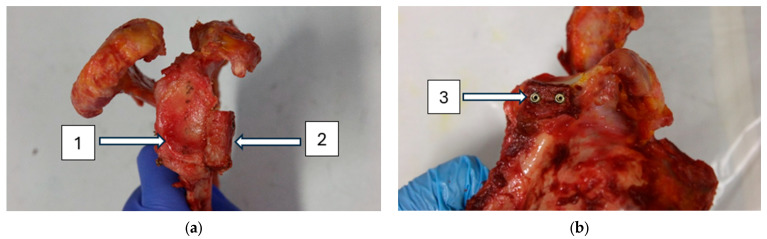 Figure 1
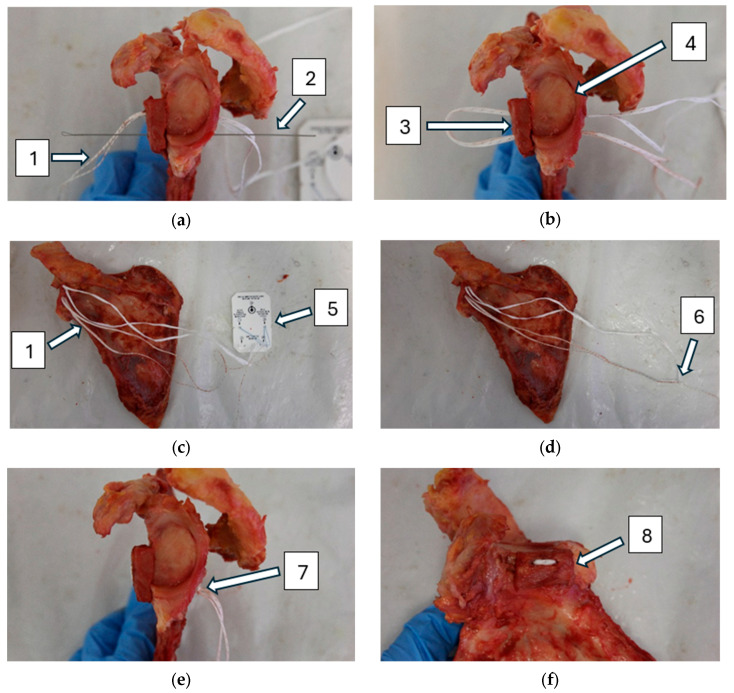 Figure 2
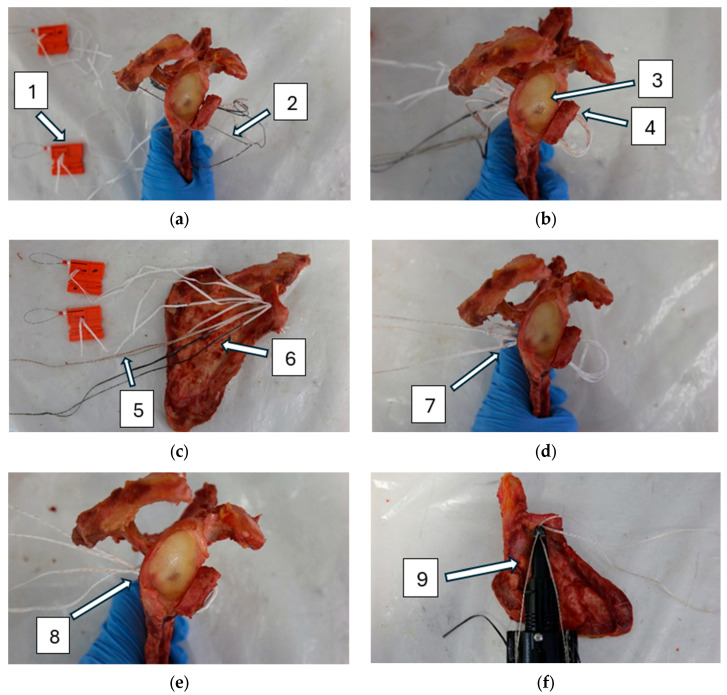 Figure 3
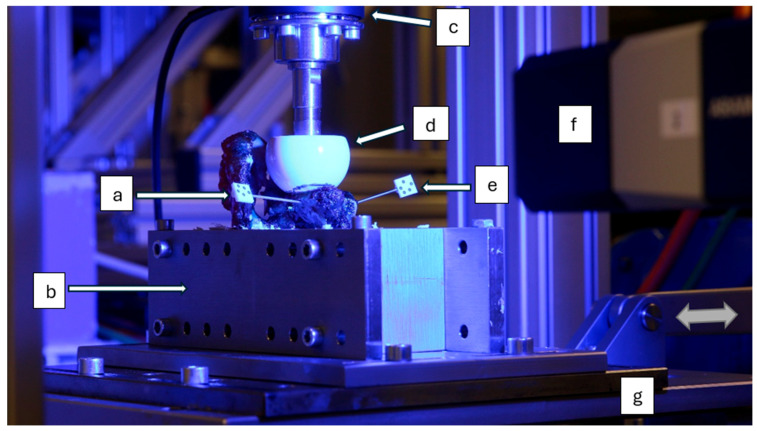 Figure 4
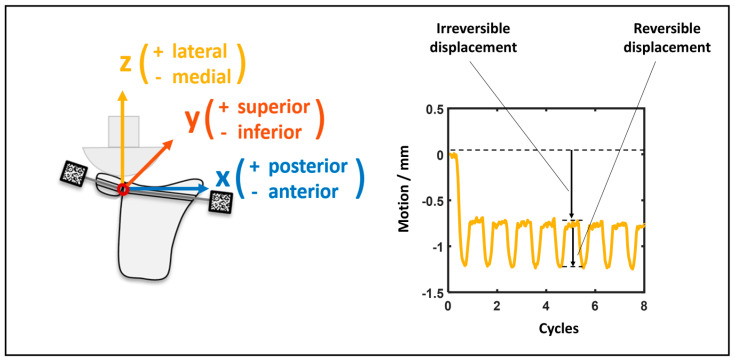 Figure 5
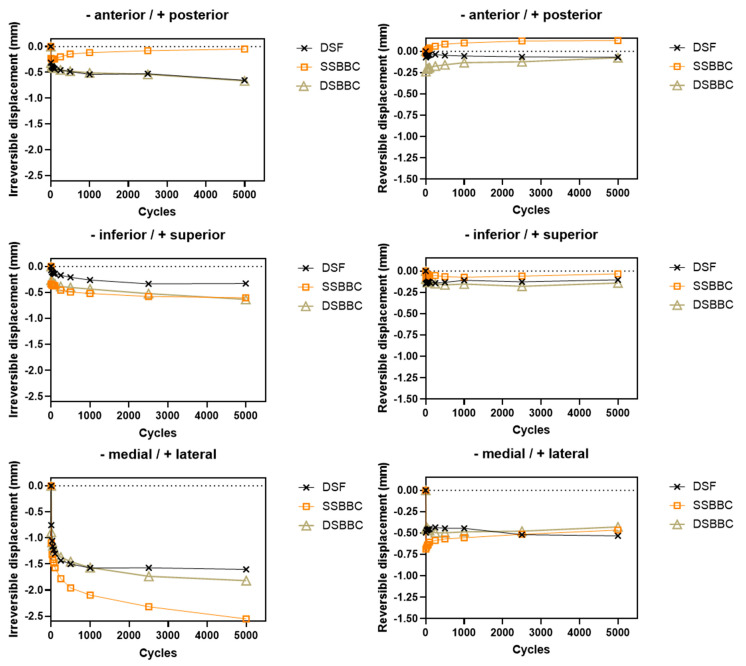 Figure 6
Peer Reviews
No public reviews on file for this paper yet. If you reviewed it on a platform where reviews are public (OpenReview, ICLR, NeurIPS, ICML), you can paste yours below so the community can read it here.
Videos
No videos yet. Explain this paper in a talk, walkthrough, or lecture? Add one.
Taxonomy
TopicsShoulder Injury and Treatment · Shoulder and Clavicle Injuries · Nerve Injury and Rehabilitation