Prediction Model for Risk of Death in Elderly Critically Ill Patients with Kidney Failure
Jinping Zeng, Feng Ye, Jiaolan Du, Min Zhang, Jun Yang, Yinyin Wu

TL;DR
This study develops machine learning models to predict mortality risk in elderly ICU patients with kidney failure, finding that the XGBoost model performs best.
Contribution
The novel contribution is the development and comparison of machine learning models for mortality prediction in elderly ICU patients with kidney failure.
Findings
The XGBoost model achieved the highest AUC (0.851) and lowest IBS (0.102), indicating superior performance.
Key predictors of mortality included urine output, metastatic solid tumor, body weight, body temperature, and severity score.
XGBoost outperformed logistic regression, random forest, and SVM in prediction accuracy and stability.
Abstract
Background and Objectives: Kidney failure (KF) is associated with high mortality, especially among critically ill patients in the intensive care unit (ICU). Conversely, age is an independent risk factor for the development of KF. Therefore, understanding the mortality risk profile of elderly critically ill patients with KF can help clinicians in implementing appropriate measures to improve patients’ prognosis. The aim of this study was to construct high-performance mortality risk prediction models for elderly ICU patients with KF using machine learning methods. Materials and Methods: Elderly (≥65 years) ICU patients diagnosed with KF were selected and relevant information (including demographic details, vital signs, laboratory tests, etc.) was collected. They were randomly divided into training, validation, and test sets in a 6:2:2 ratio. Logistic regression (LR), random forest (RF),…
Genes, proteins, chemicals, diseases, species, mutations and cell lines named across the full text — each resolved to its canonical identifier and authoritative record.
Click any figure to enlarge with its caption.
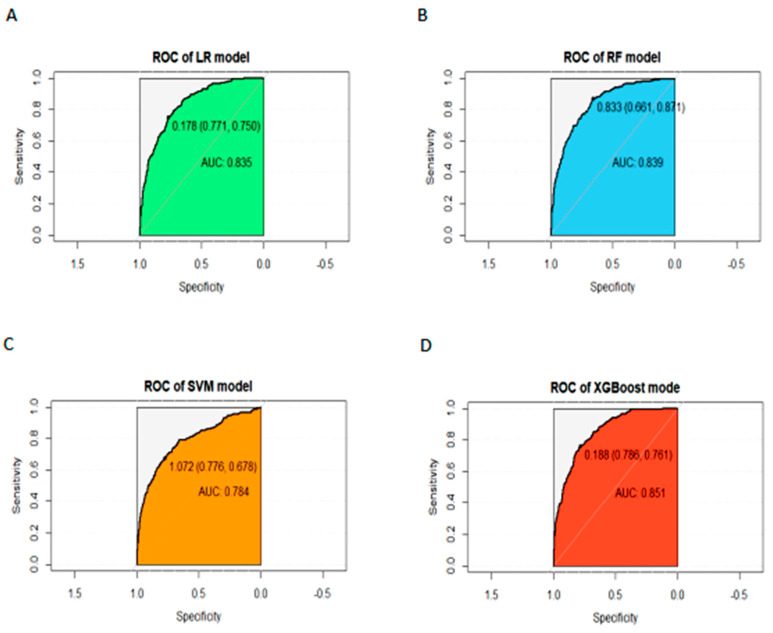 Figure 1
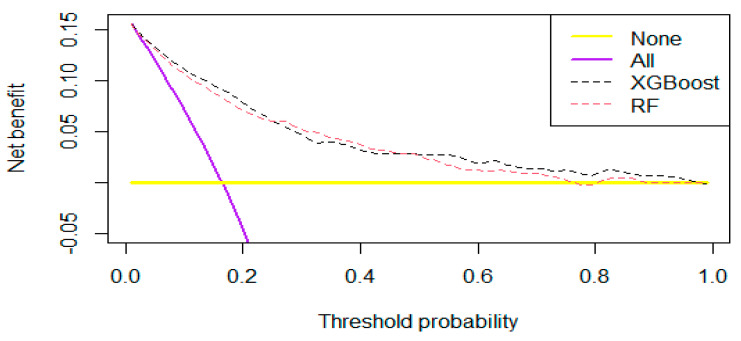 Figure 2
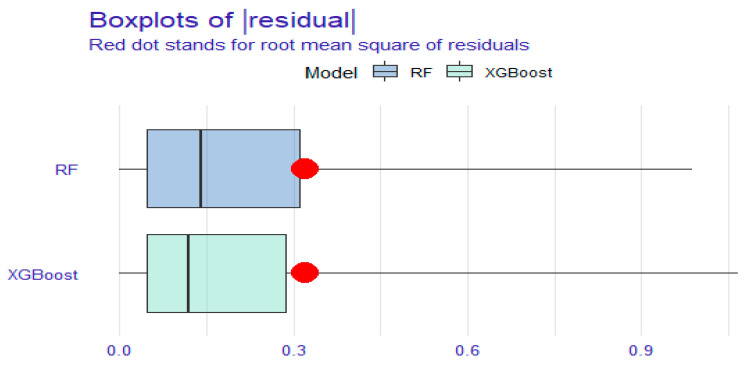 Figure 3
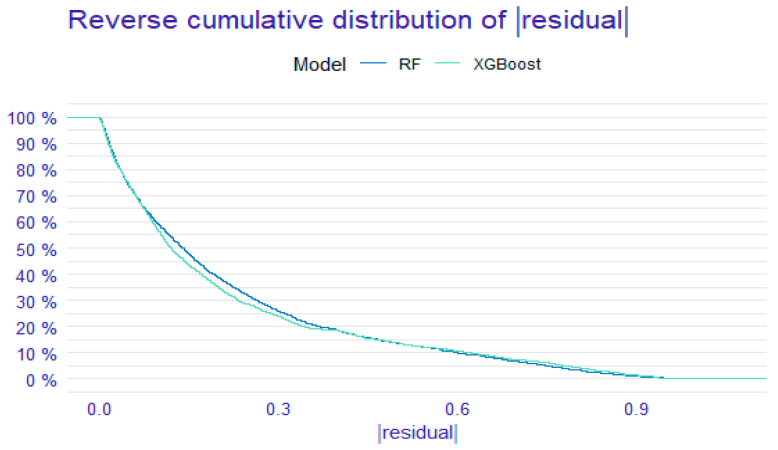 Figure 4
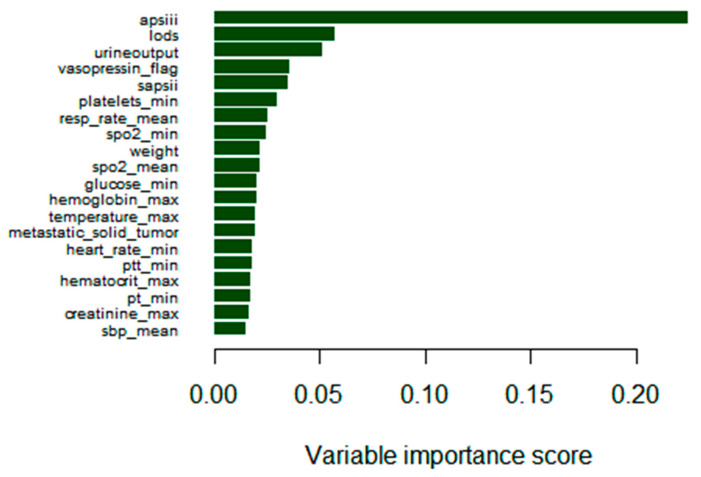 Figure 5
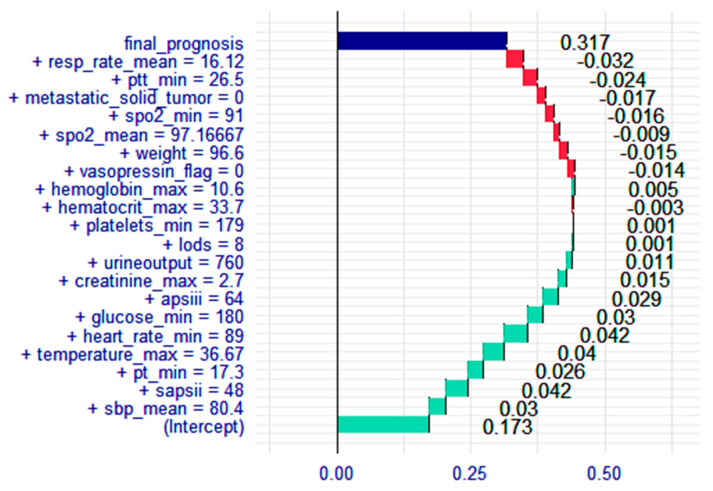 Figure 6
Peer Reviews
No public reviews on file for this paper yet. If you reviewed it on a platform where reviews are public (OpenReview, ICLR, NeurIPS, ICML), you can paste yours below so the community can read it here.
Videos
No videos yet. Explain this paper in a talk, walkthrough, or lecture? Add one.
Taxonomy
TopicsArtificial Intelligence in Healthcare · Machine Learning in Healthcare