The Three-Dimensional Structure of the Genome of the Dark Septate Endophyte Exophiala tremulae and Its Symbiosis Effect on Alpine Meadow Plant Growth
Chu Wu, Junjie Fan, Die Hu, Honggang Sun, Guangxin Lu, Yun Wang, Yujie Yang

TL;DR
This study explores the genome structure and symbiotic effects of a fungus that may help improve plant growth in alpine meadows.
Contribution
The paper presents the first chromosome-level genome assembly of Exophiala tremulae and its 3D genome structure.
Findings
The genome of Exophiala tremulae contains 12,277 predicted protein-coding genes with high annotation success.
E. tremulae has a unique profile of carbohydrate-active enzymes and effector proteins compared to other fungi.
The genome has 155 TADs and 40 compartment As, with no significant GC content differences between compartments.
Abstract
The establishment of artificial grassland is a good pathway for resolving serious social and economic problems in the Qinghai–Tibet Plateau. Some beneficial indigenous microbes may be used to improve productivity in artificial grassland. The genome of the indigenous dark septate fungus, Exophiala tremulae CICC2537, was sequenced and assembled at the chromosome level using the PacBio sequencing platform, with the assistance of the Hi-C technique for scaffolding, and its 3D genome structures were investigated. The genome size of E. tremulae is 51.903848 Mb, and it contains eight chromosomes. A total of 12,277 protein-coding genes were predicted, and 11,932 genes (97.19%) were annotated. As for the distribution of exon and intron number and the distribution of gene GC and CDS GC, E. tremulae showed similar distribution patterns to the other investigated members of the genus Exophiala. The…
Genes, proteins, chemicals, diseases, species, mutations and cell lines named across the full text — each resolved to its canonical identifier and authoritative record.
Click any figure to enlarge with its caption.
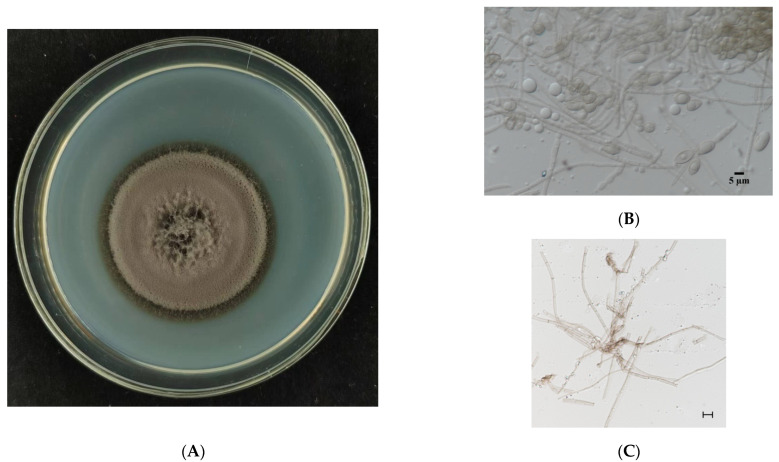 Figure 1
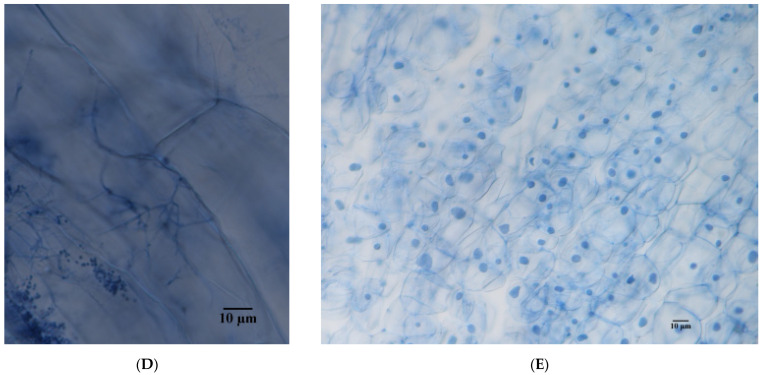 Figure 2
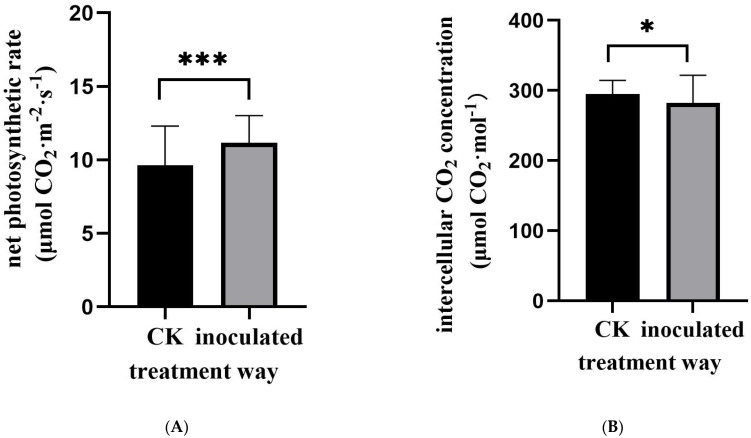 Figure 3
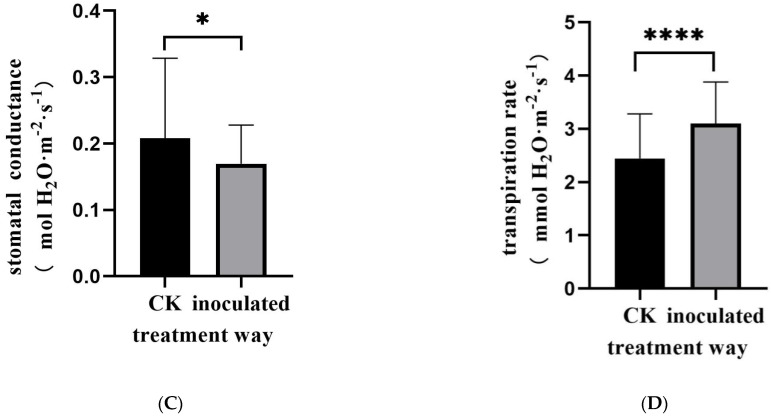 Figure 4
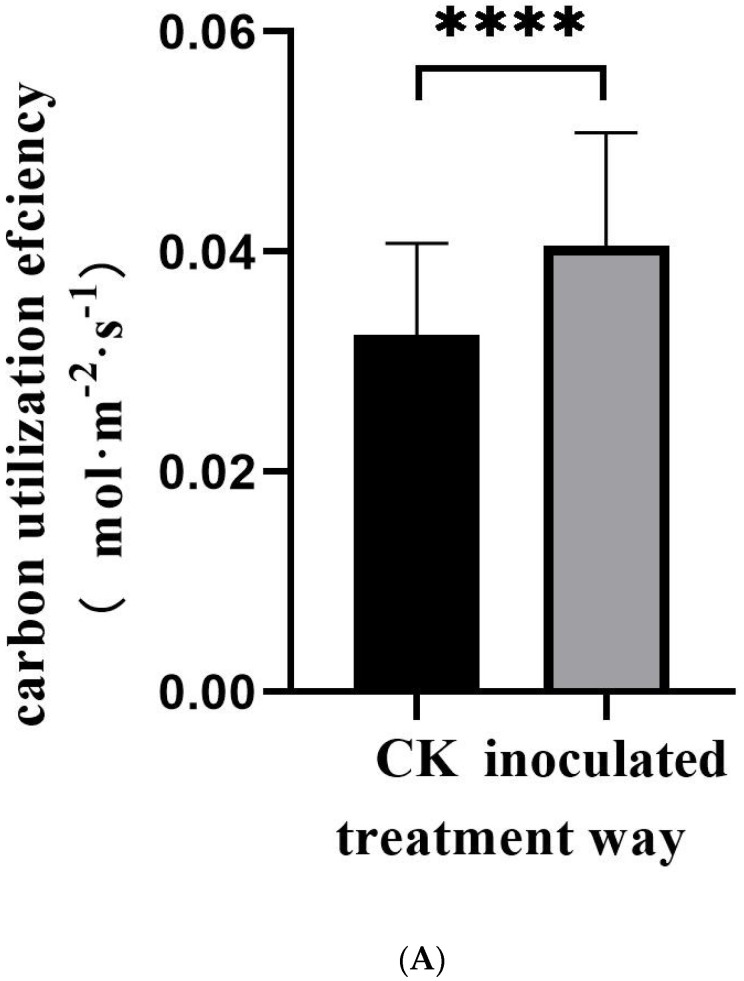 Figure 5
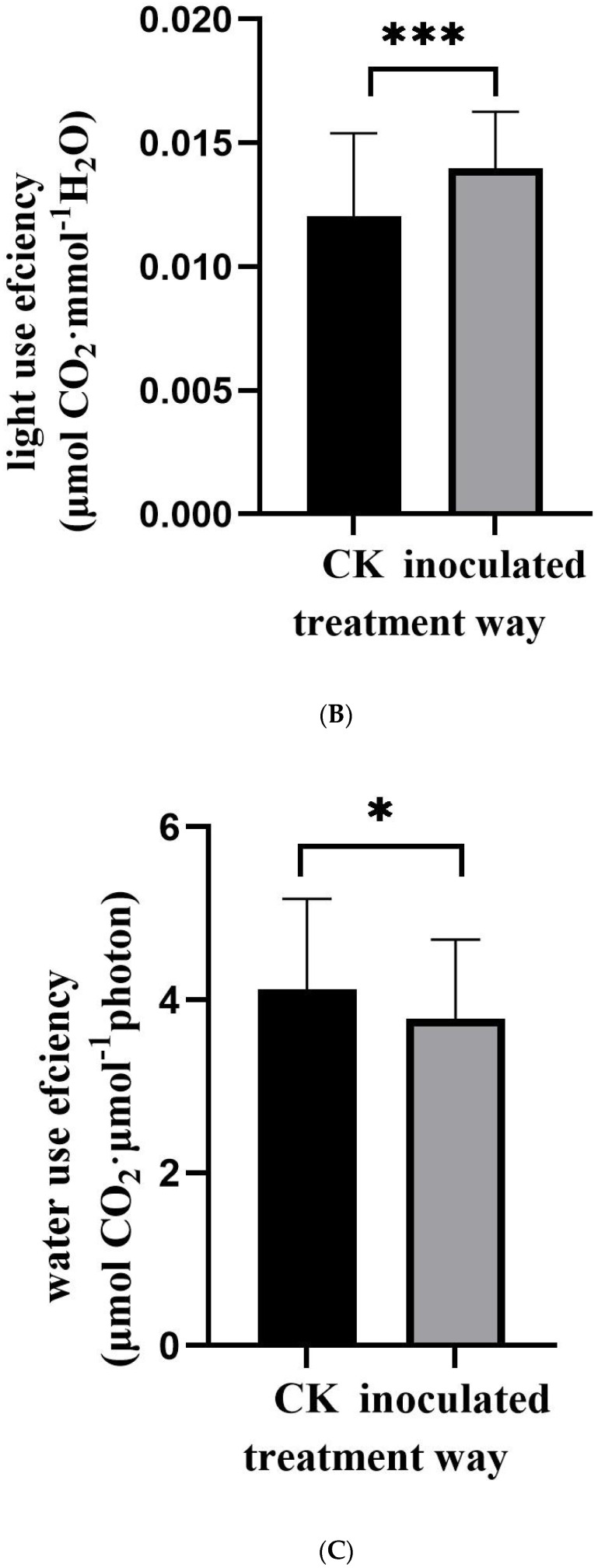 Figure 6
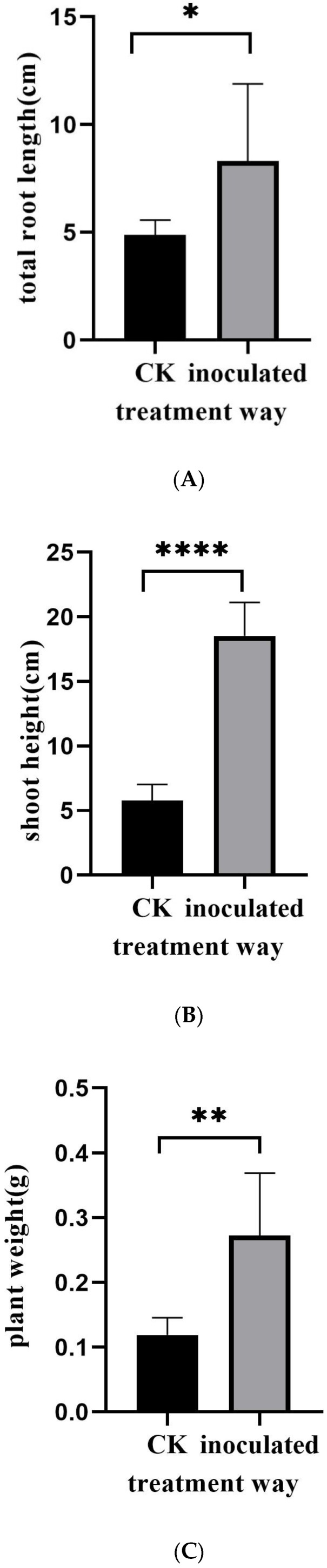 Figure 7
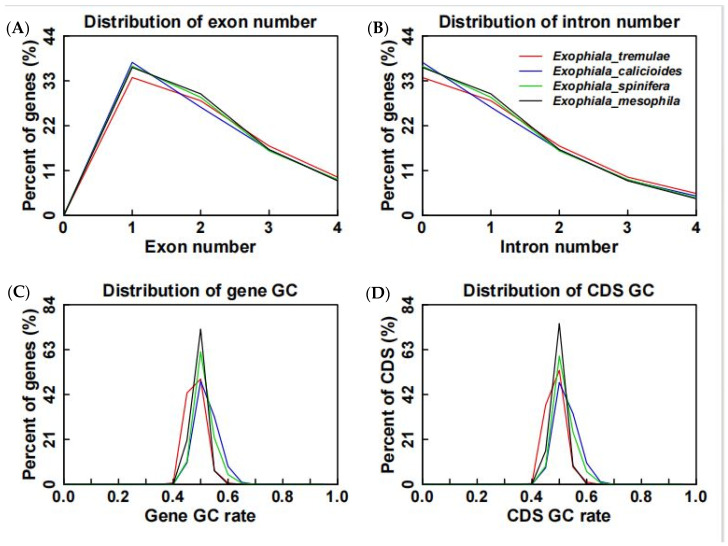 Figure 8
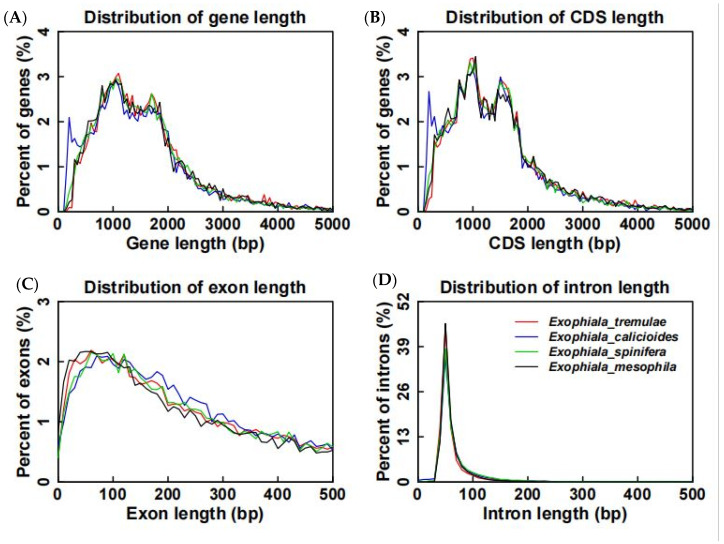 Figure 9
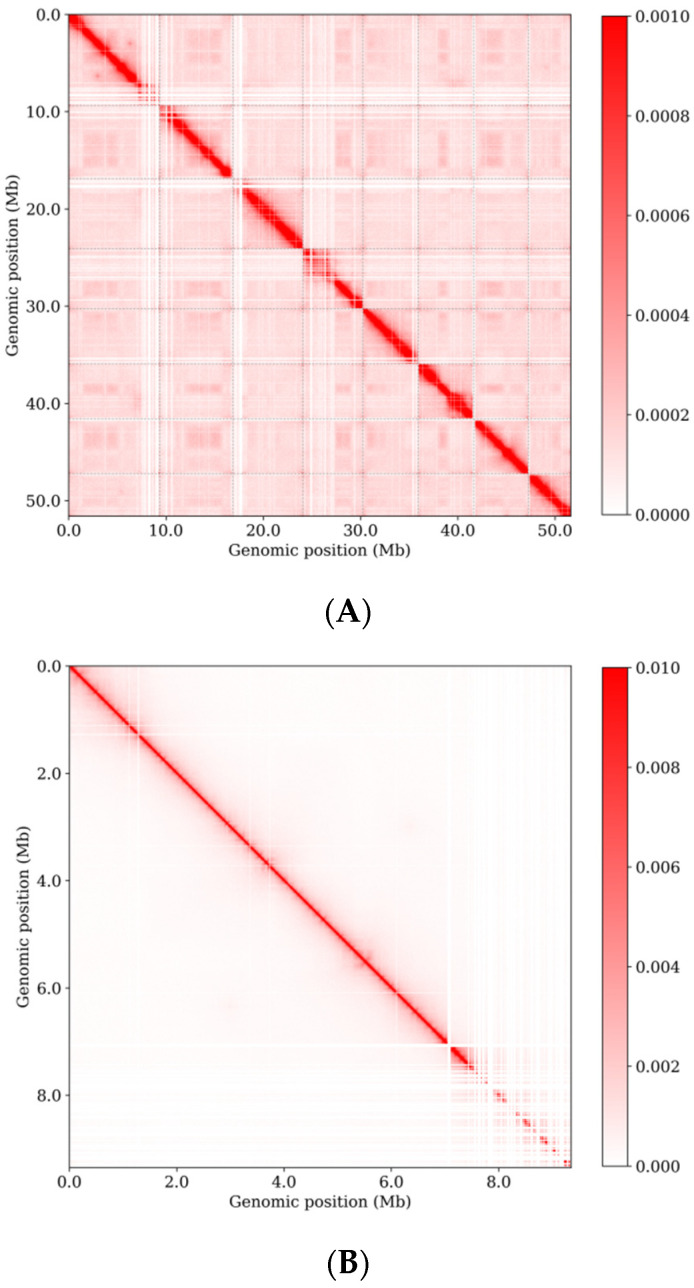 Figure 10
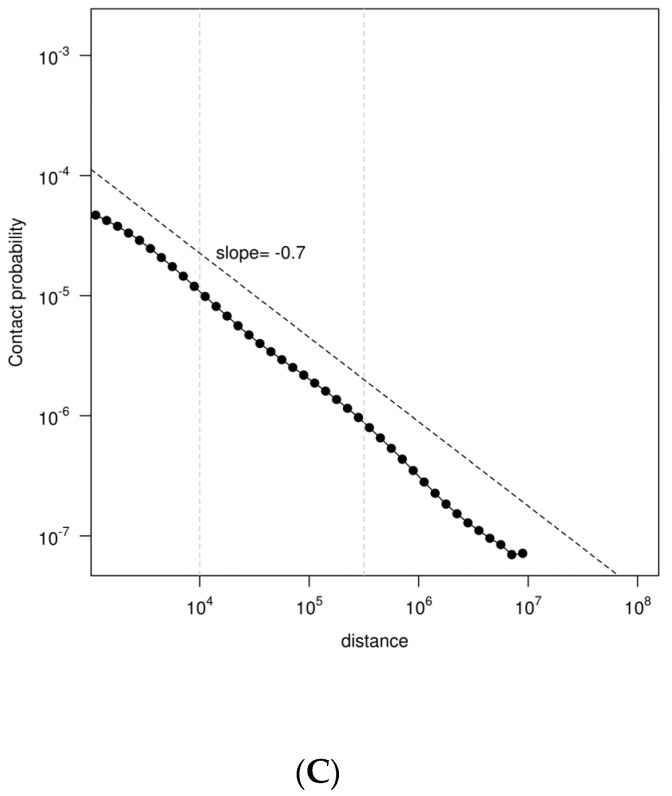 Figure 11
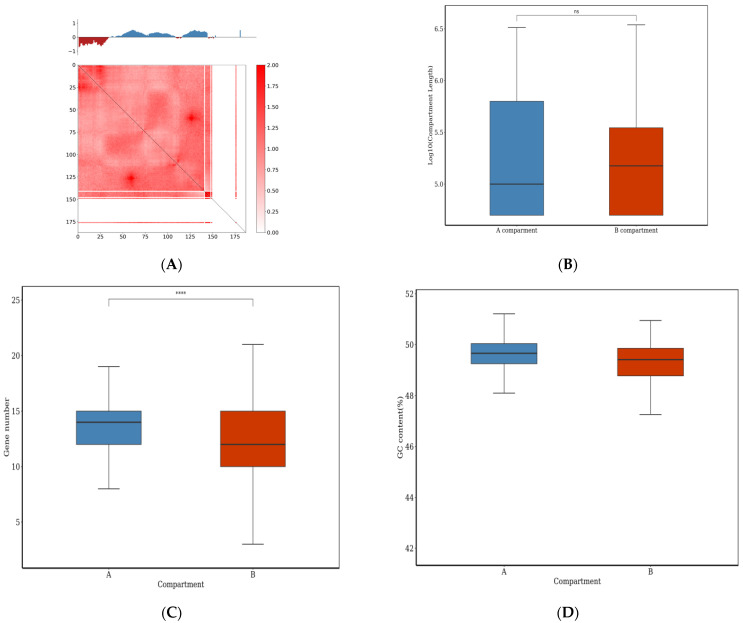 Figure 12
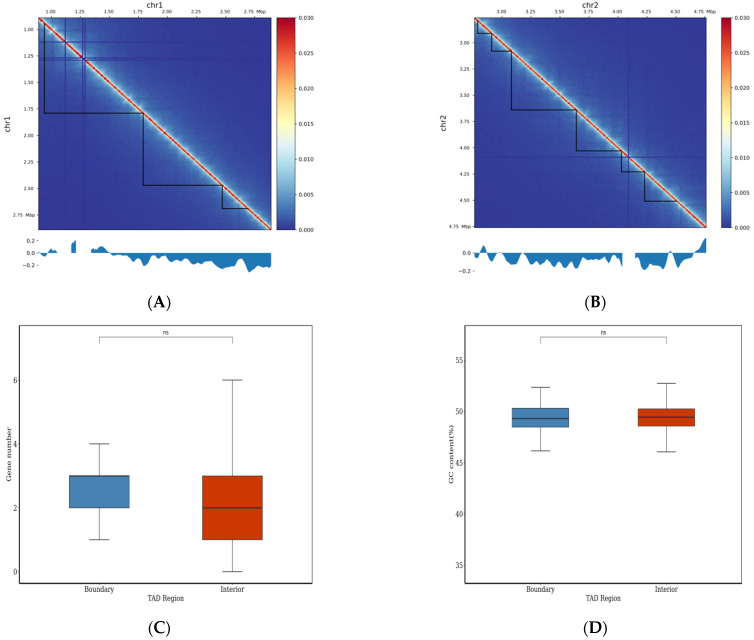 Figure 13
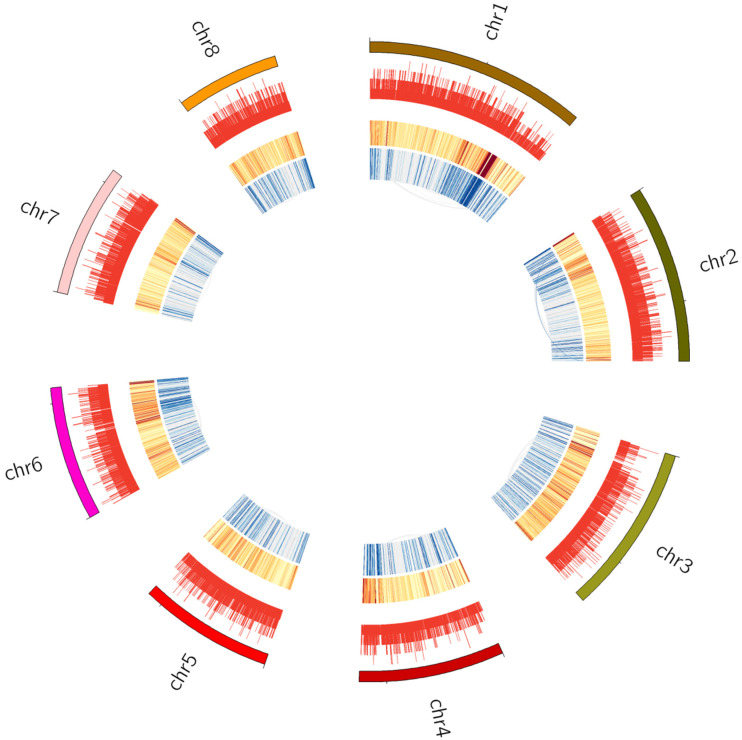 Figure 14
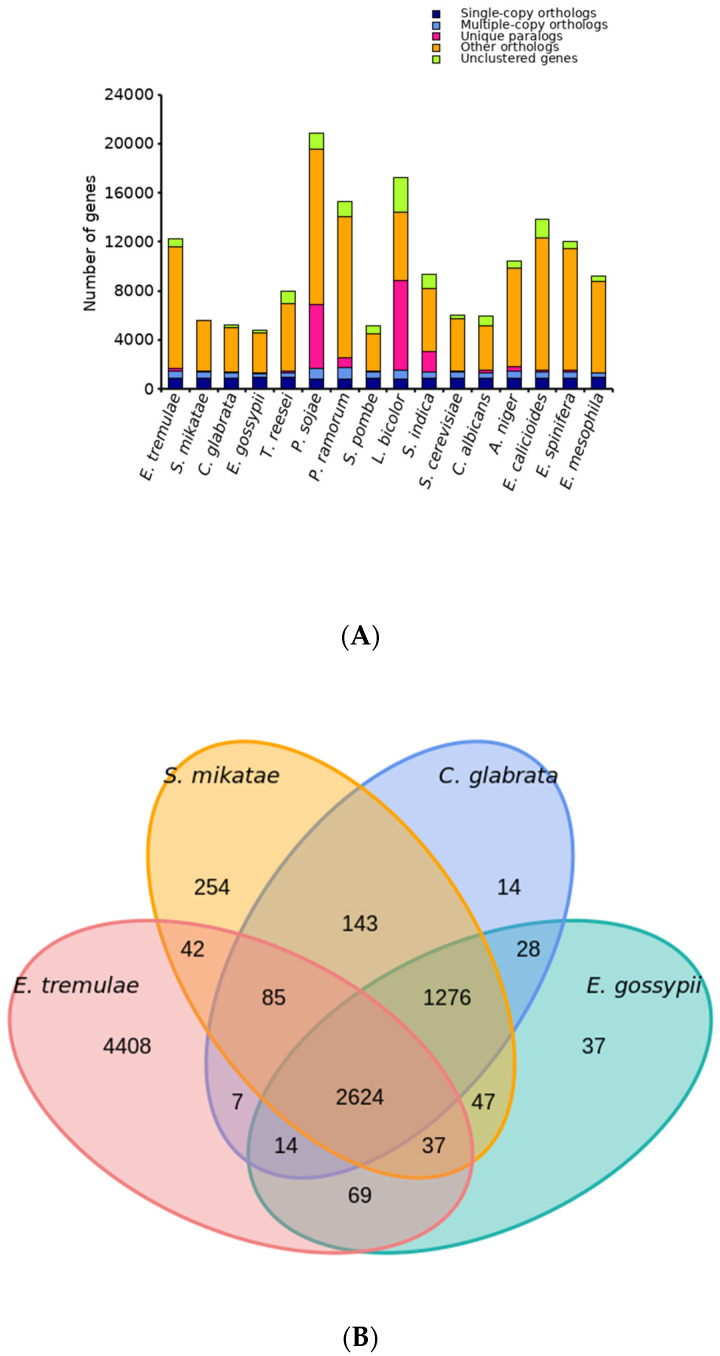 Figure 15
 Figure 16
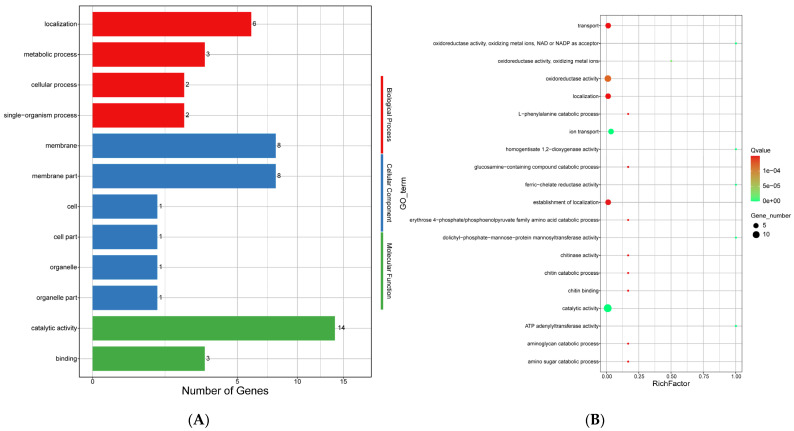 Figure 17
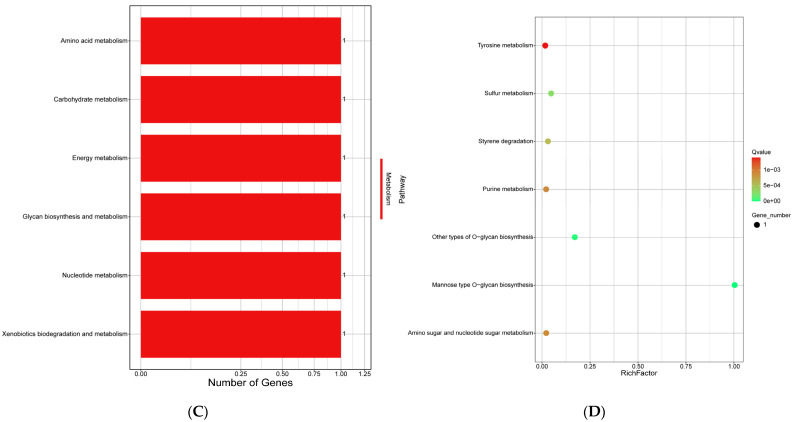 Figure 18
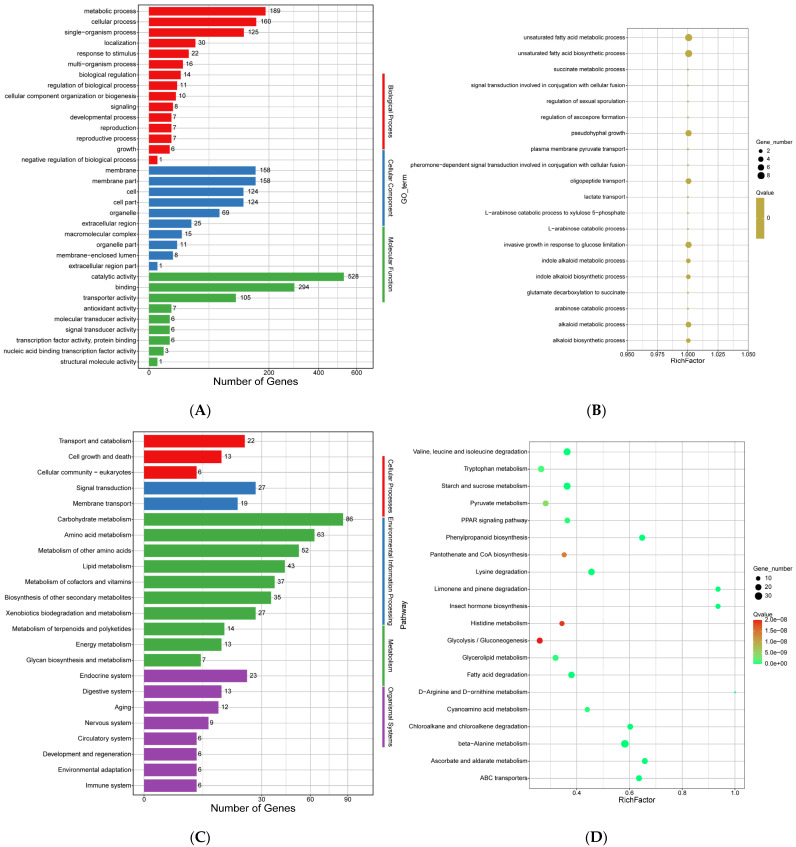 Figure 19
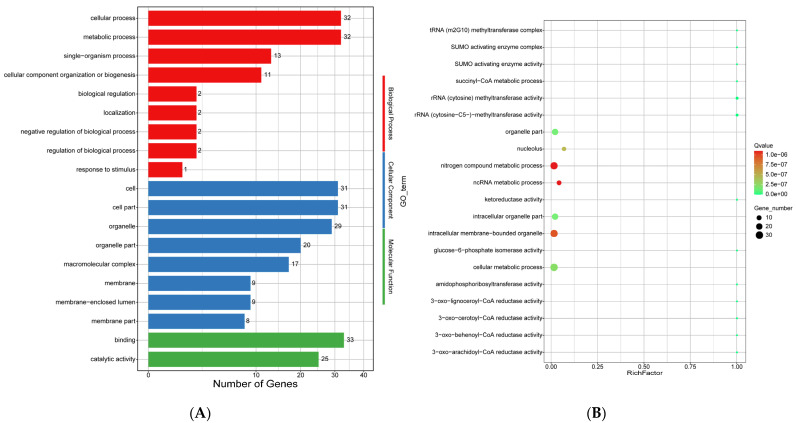 Figure 20
 Figure 21
Peer Reviews
No public reviews on file for this paper yet. If you reviewed it on a platform where reviews are public (OpenReview, ICLR, NeurIPS, ICML), you can paste yours below so the community can read it here.
Videos
No videos yet. Explain this paper in a talk, walkthrough, or lecture? Add one.
Taxonomy
TopicsGenomics and Phylogenetic Studies · Plant Pathogens and Fungal Diseases · Mycorrhizal Fungi and Plant Interactions