A Color-Based Multispectral Imaging Approach for a Human Detection Camera
Shuji Ono

TL;DR
This paper introduces a color-based multispectral imaging method for detecting humans by distinguishing clothing from the background using four specific wavelengths.
Contribution
A lightweight machine learning model using four selected wavelengths achieves high accuracy for real-time human detection.
Findings
The method achieves 0.95 accuracy, 0.97 precision, 0.93 recall, and 0.95 F1-score for human detection.
The approach is computationally efficient due to its reliance on pixel-wise spectral reflectance rather than spatial patterns.
The four-band camera setup is suitable for real-time applications like autonomous driving and disaster response.
Abstract
In this study, we propose a color-based multispectral approach using four selected wavelengths (453, 556, 668, and 708 nm) from the visible to near-infrared range to separate clothing from the background. Our goal is to develop a human detection camera that supports real-time processing, particularly under daytime conditions and for common fabrics. While conventional deep learning methods can detect humans accurately, they often require large computational resources and struggle with partially occluded objects. In contrast, we treat clothing detection as a proxy for human detection and construct a lightweight machine learning model (multi-layer perceptron) based on these four wavelengths. Without relying on full spectral data, this method achieves an accuracy of 0.95, precision of 0.97, recall of 0.93, and an F1-score of 0.95. Because our color-driven detection relies on pixel-wise…
Genes, proteins, chemicals, diseases, species, mutations and cell lines named across the full text — each resolved to its canonical identifier and authoritative record.
Click any figure to enlarge with its caption.
 Figure 1
 Figure 2
 Figure 3
 Figure 4
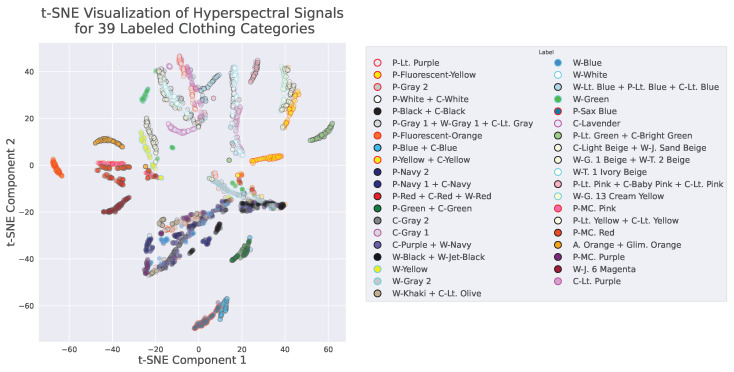 Figure 5
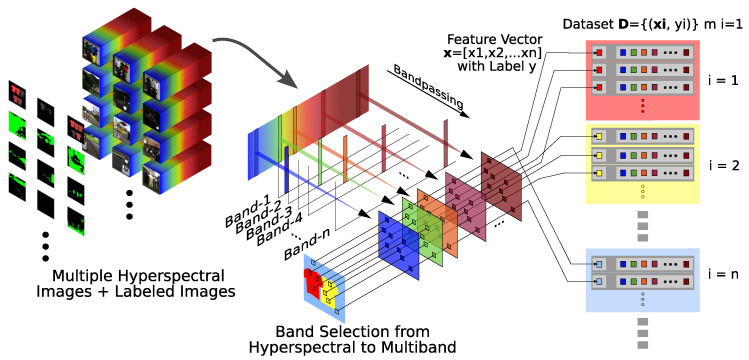 Figure 6
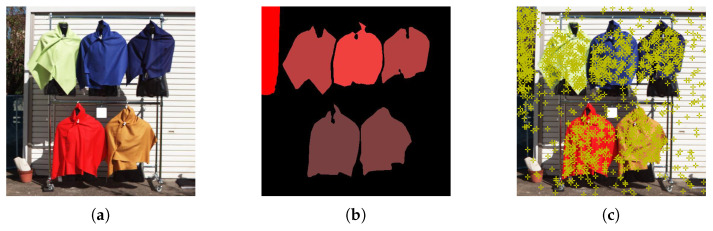 Figure 7
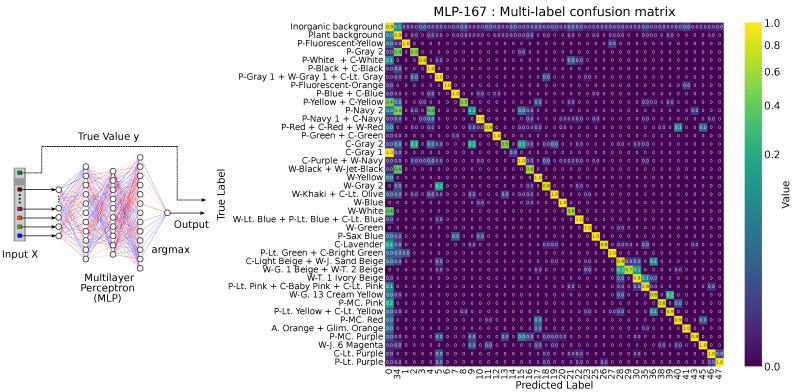 Figure 8
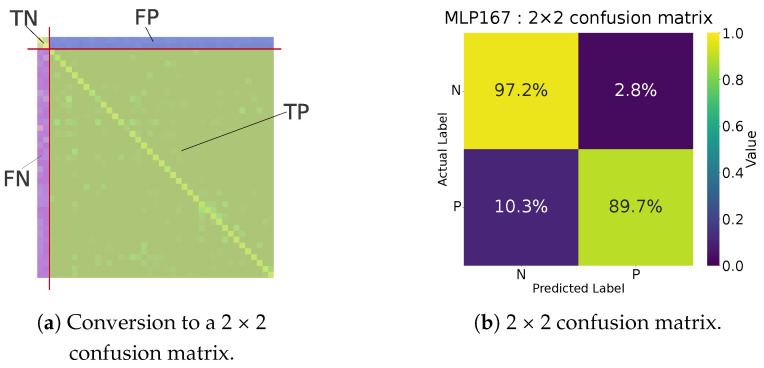 Figure 9
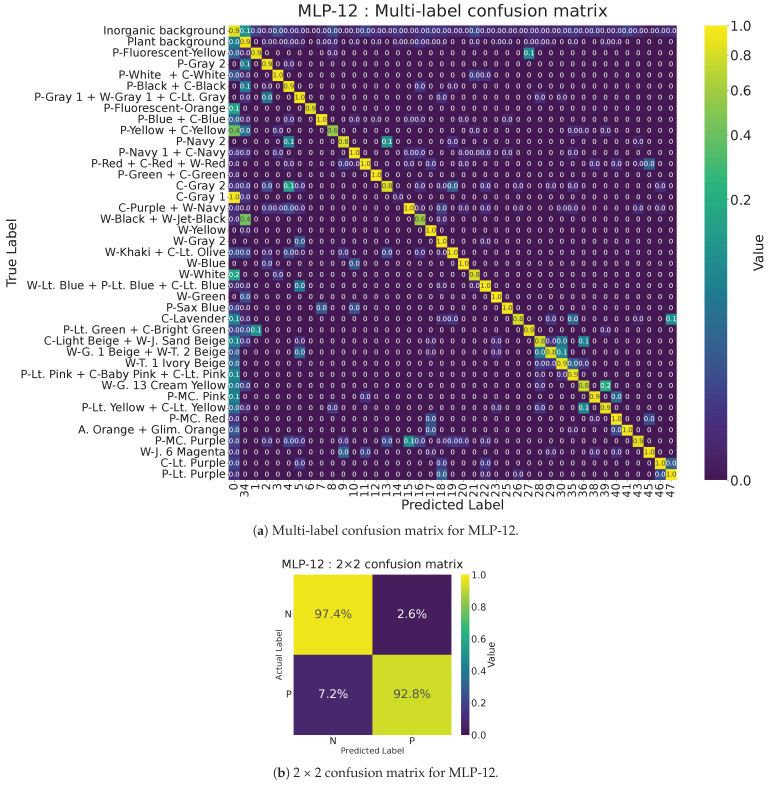 Figure 10
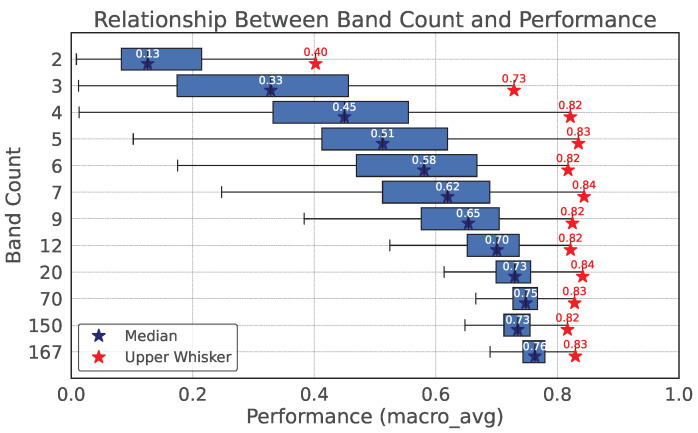 Figure 11
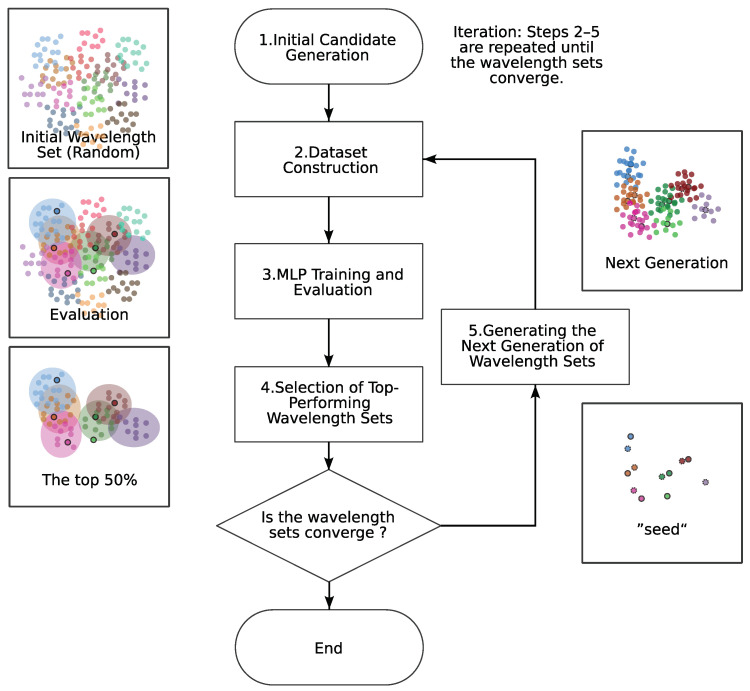 Figure 12
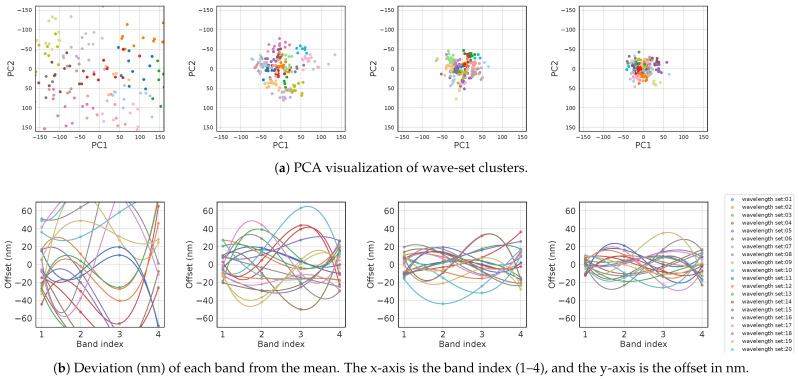 Figure 13
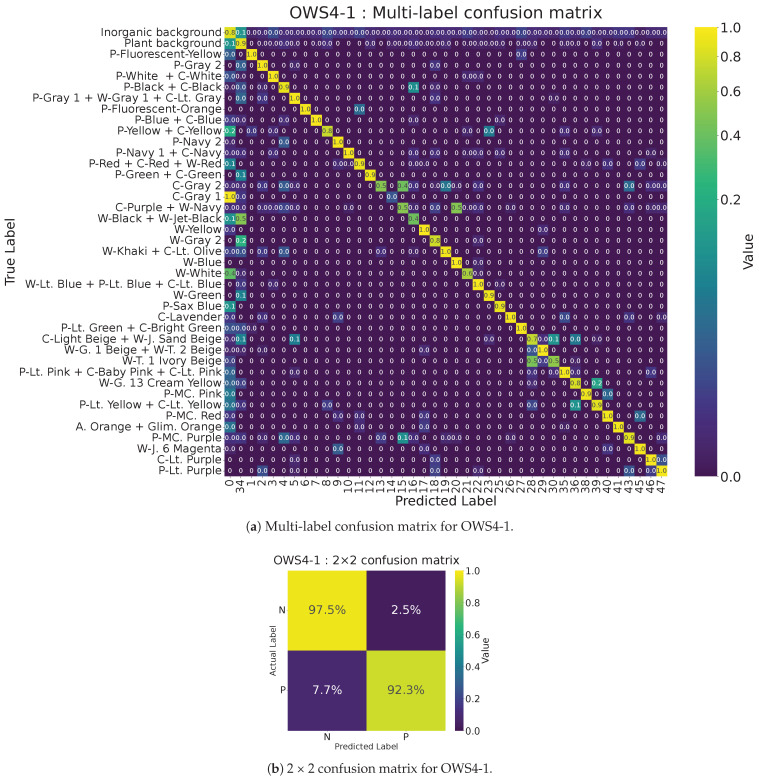 Figure 14
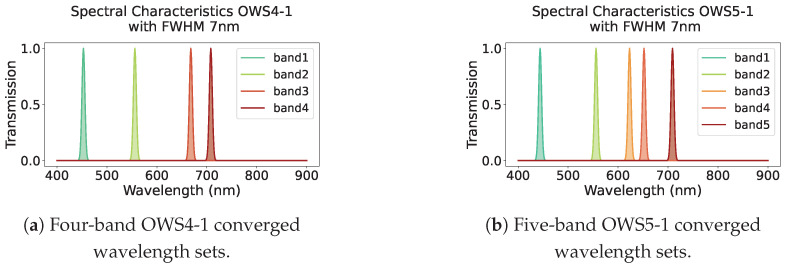 Figure 15
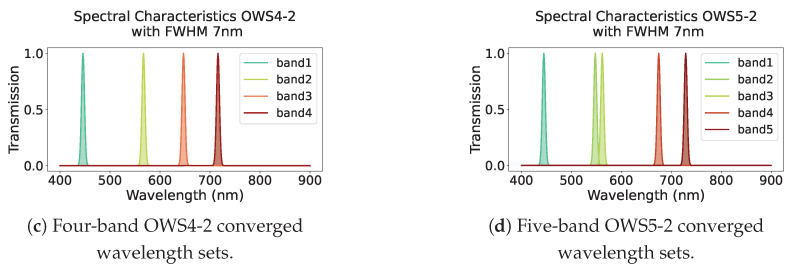 Figure 16
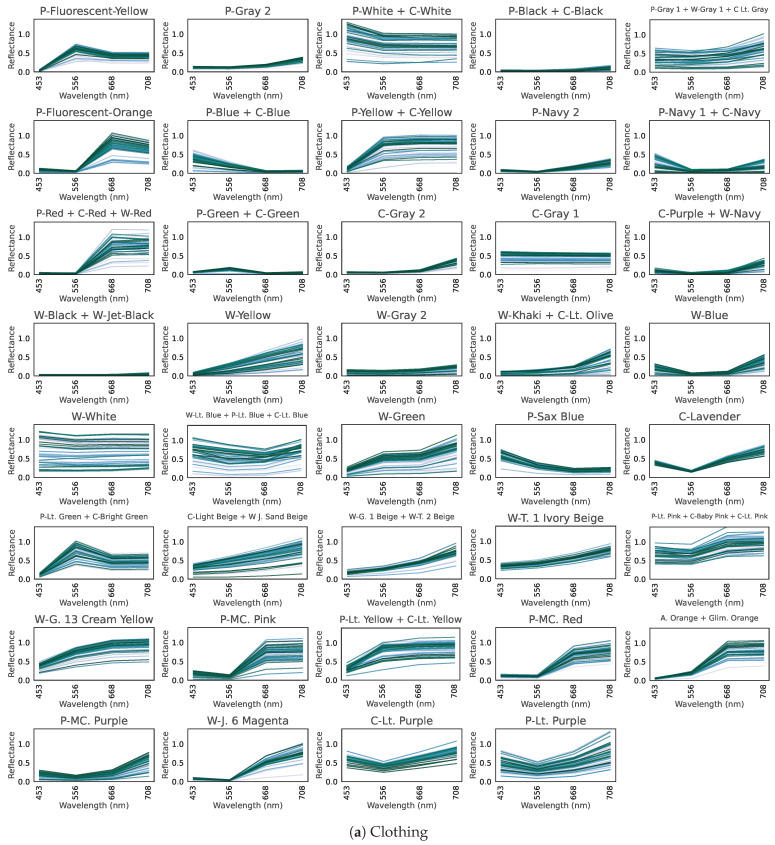 Figure 17
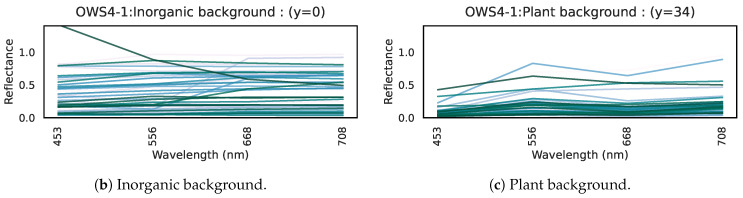 Figure 18
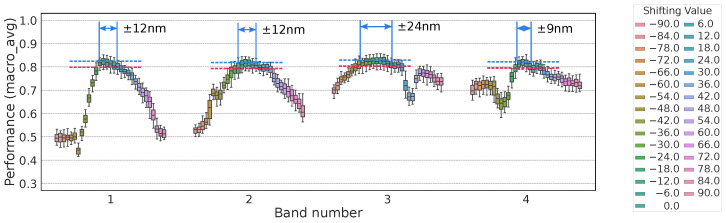 Figure 19
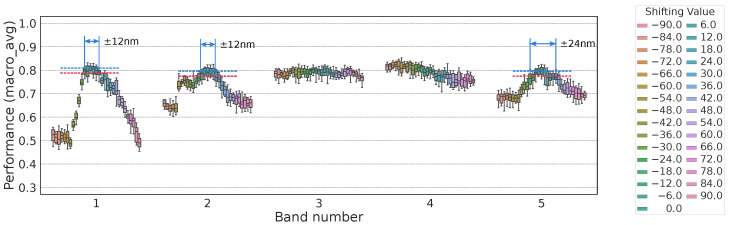 Figure 20
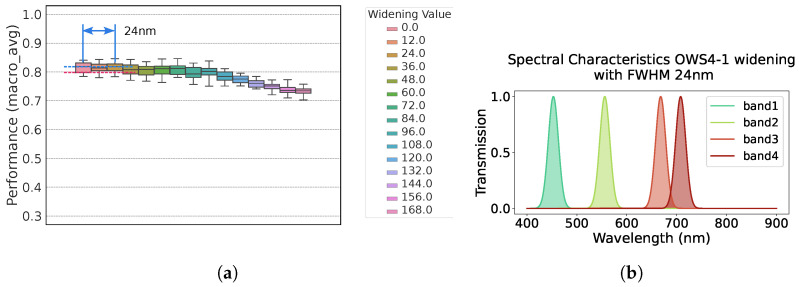 Figure 21
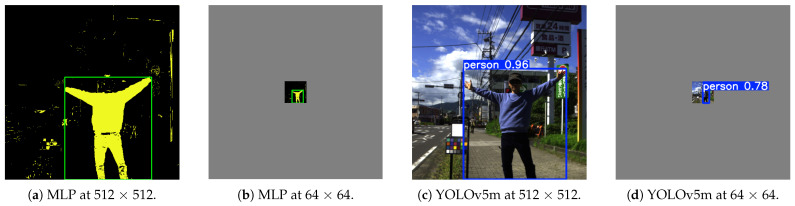 Figure 22
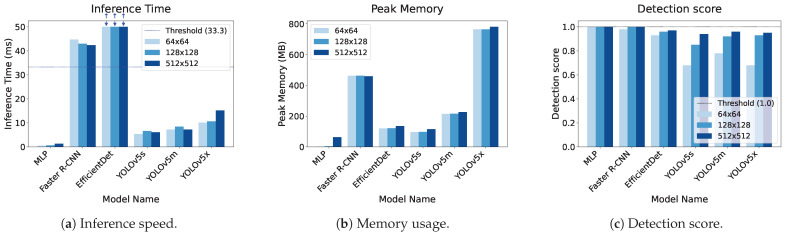 Figure 23
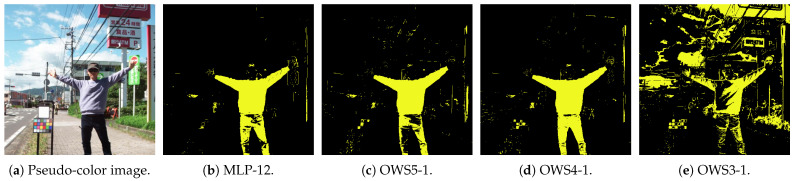 Figure 24
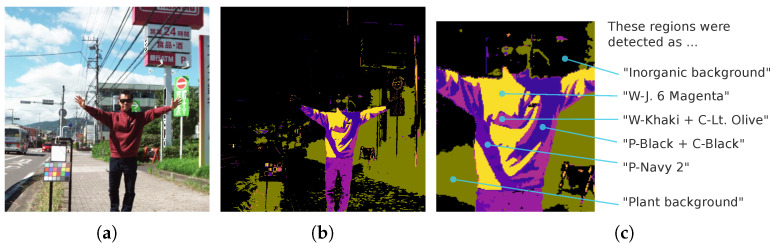 Figure 25
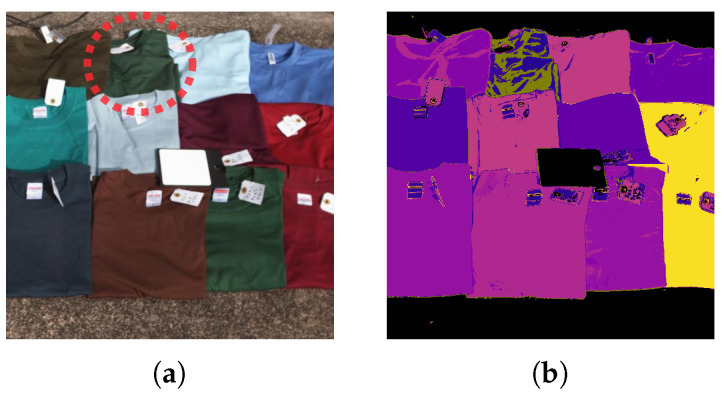 Figure 26
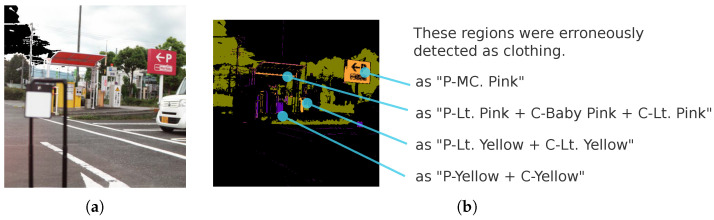 Figure 27
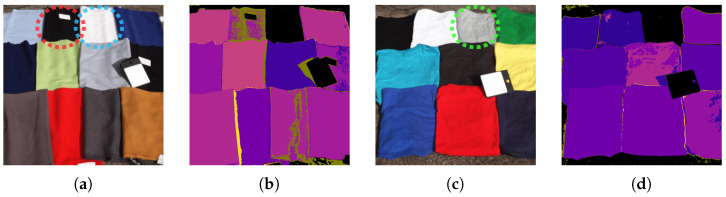 Figure 28
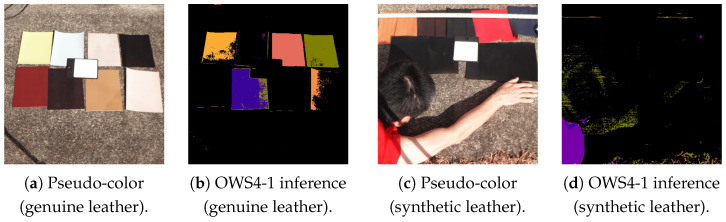 Figure 29
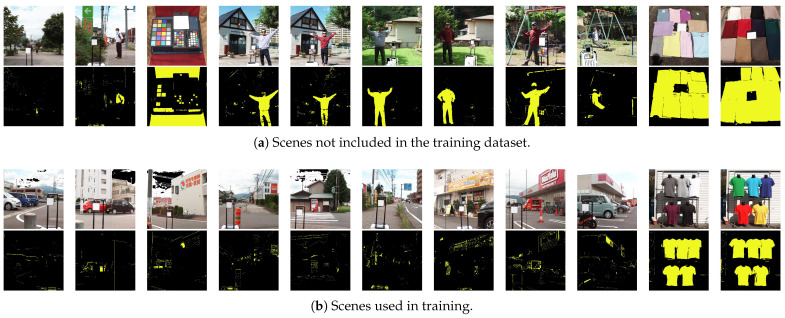 Figure 30
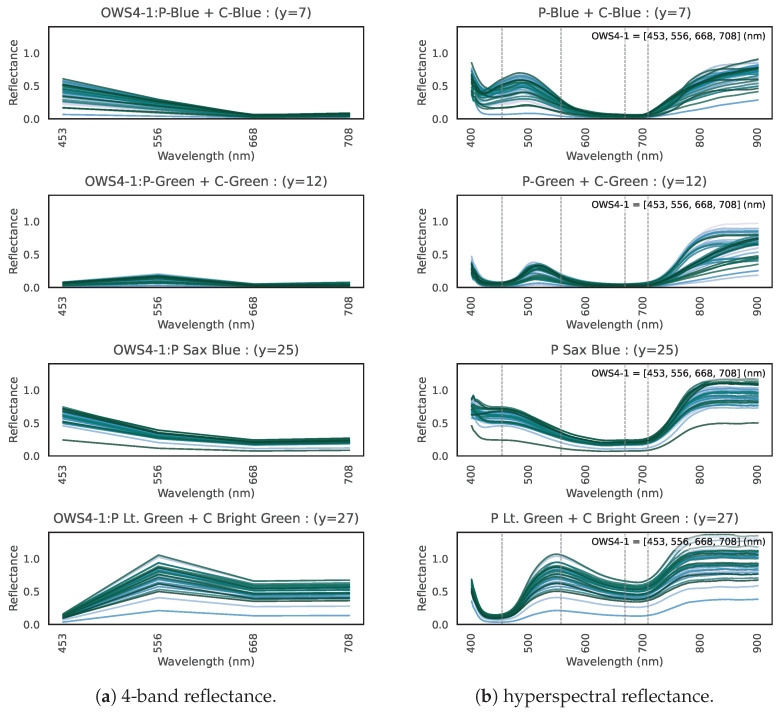 Figure 31
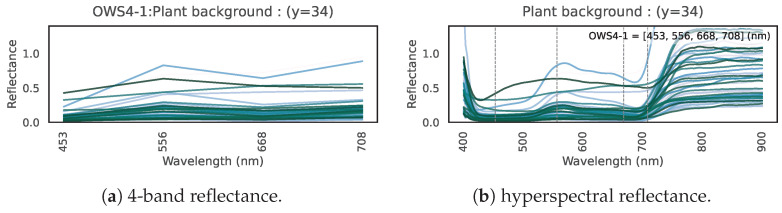 Figure 32
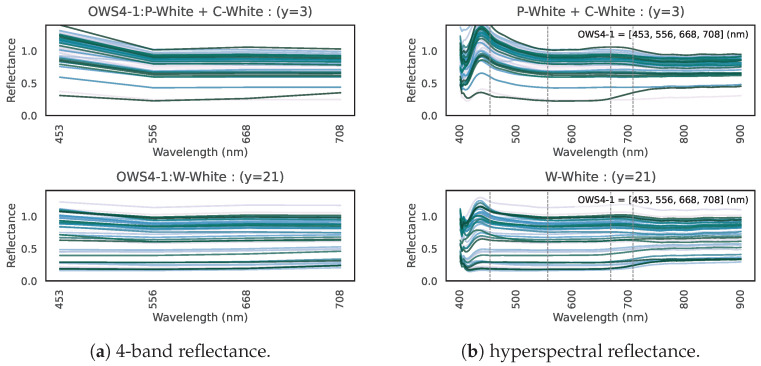 Figure 33
Peer Reviews
No public reviews on file for this paper yet. If you reviewed it on a platform where reviews are public (OpenReview, ICLR, NeurIPS, ICML), you can paste yours below so the community can read it here.
Videos
No videos yet. Explain this paper in a talk, walkthrough, or lecture? Add one.
Taxonomy
TopicsVideo Surveillance and Tracking Methods · Image Enhancement Techniques · Infrared Target Detection Methodologies