Invasive Fungal Infection by Scedosporium apiospermum with Cerebral Involvement in a Pediatric Patient Affected by Chronic Granulomatous Disease After Hematopoietic Cell Transplant
Chiara Garonzi, Matteo Chinello, Giulia Caddeo, Elisa Bonetti, Maria Pia Esposto, Vincenza Pezzella, Virginia Vitale, Ada Zaccaron, Annarita Sorrentino, Davide Gibellini, Simone Cesaro

TL;DR
A child with a weakened immune system died from a severe fungal infection after a bone marrow transplant, highlighting the challenges of treating such infections.
Contribution
This case highlights the poor prognosis of scedosporiosis and the potential utility of the B-D-glucan test for early diagnosis.
Findings
The patient developed cerebral abscesses caused by Scedosporium apiospermum after a hematopoietic cell transplant.
B-D-glucan test was positive and may aid in early diagnosis of fungal infections.
Despite antifungal treatment, the patient's condition worsened and resulted in death.
Abstract
A 5-year-old boy affected by chronic granulomatous disease (CGD) underwent two allogeneic hematopoietic cell transplants (HCT) from the same unrelated donor. The first HCT was complicated by prolonged fever and primary graft failure. While fully aplastic, the patient developed a disseminated infection by Scedosporium apiospermum involving the knee and parasternal skin (day +34 and +40 post-HCT). The patient was treated with voriconazole and granulocyte transfusions followed by a second HCT 80 days after the first HCT. At day +105, the patient developed fever, headache, and altered level of consciousness associated with multiple bilateral cerebral abscesses at magnetic resonance imaging. The serum B-D-glucan test was positive. Micafungin was added to voriconazole. Despite an initial clinical improvement, the patient developed hydrocephalus. Scedosporium apiospermum was cultured from…
Genes, proteins, chemicals, diseases, species, mutations and cell lines named across the full text — each resolved to its canonical identifier and authoritative record.
Click any figure to enlarge with its caption.
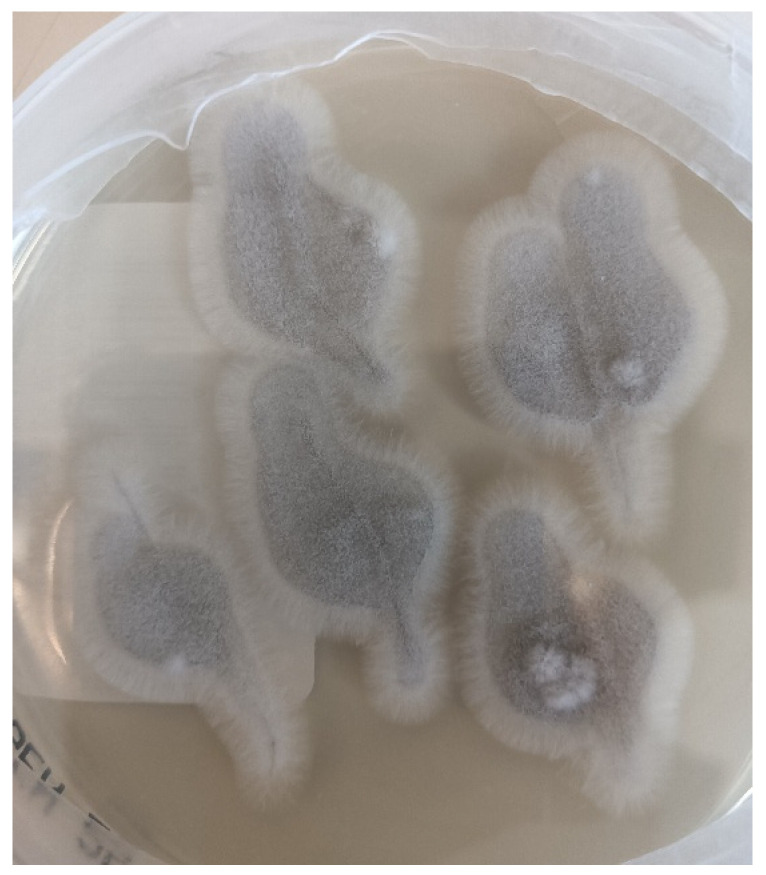 Figure 1
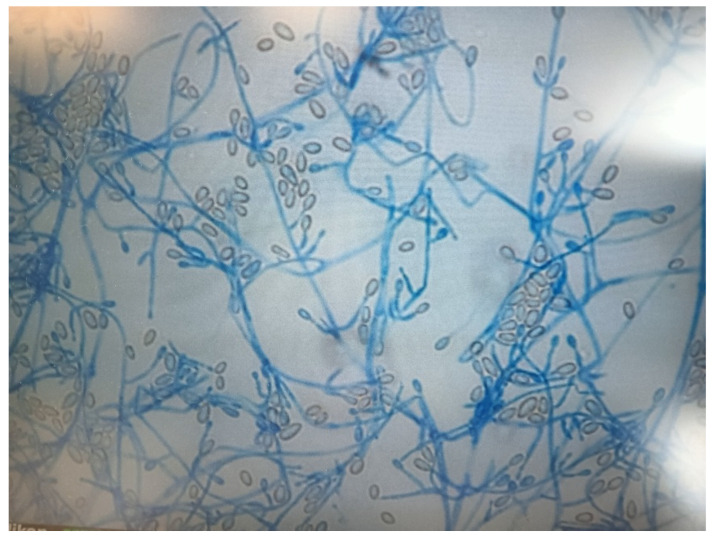 Figure 2
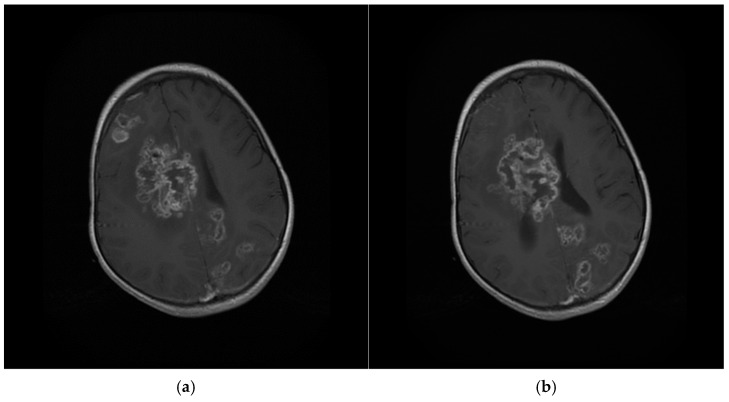 Figure 3
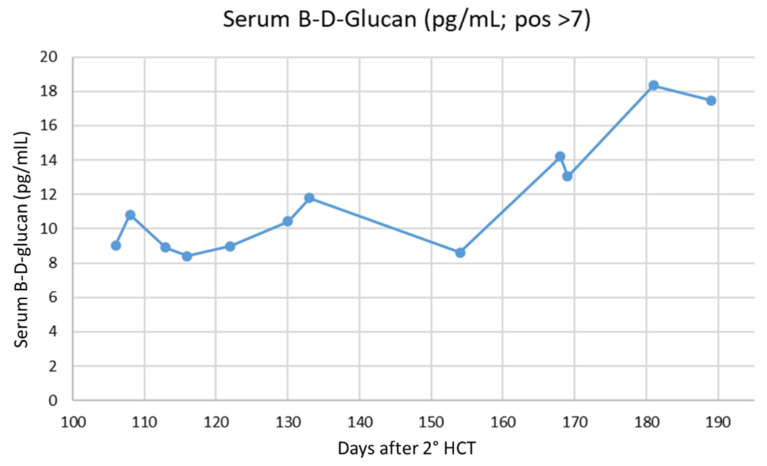 Figure 4
Peer Reviews
No public reviews on file for this paper yet. If you reviewed it on a platform where reviews are public (OpenReview, ICLR, NeurIPS, ICML), you can paste yours below so the community can read it here.
Videos
No videos yet. Explain this paper in a talk, walkthrough, or lecture? Add one.
Taxonomy
TopicsAntifungal resistance and susceptibility · Fungal Infections and Studies · Ocular Infections and Treatments