Mechanisms Maintaining Mitochondrial DNA Polymorphisms: The Role of Mito-Nuclear Interactions, Sex-Specific Selection, and Genotype-by-Environment Interactions in Drosophila subobscura
Pavle Erić, Marija Savić Veselinović, Aleksandra Patenković, Marija Tanasković, Bojan Kenig, Katarina Erić, Boris Inđić, Stefan Stanovčić, Mihailo Jelić

TL;DR
This study explores how mitochondrial DNA variation is maintained in fruit flies through interactions with nuclear genes, environmental factors, and sex-specific selection.
Contribution
The research provides new insights into mito-nuclear interactions and genotype-by-environment effects in maintaining mtDNA polymorphisms.
Findings
Mito-nuclear interactions are more important as units of selection for mtDNA variability.
Genotype-by-environment interactions show weak but present effects on mtDNA haplotype frequencies.
No strong evidence of sex-specific selection was found between the two main mtDNA haplotypes.
Abstract
Drosophila subobscura is an interesting model to study forces that shape and maintain sympatric mitochondrial DNA (mtDNA) variation, due to the widespread presence of the two main, almost equally frequent haplotypes. Experimental setups using different life-history components enable us to study the adaptive significance of mtDNA variation and its effects on fitness while also trying to disentangle the role of different balancing selection mechanisms that operate in order to promote stable variation in natural populations. Constructing mito-nuclear experimental lines using backcrossing enables us to discern whether mito-nuclear interactions play a role in maintaining the aforementioned mtDNA variation. Since studies examining the maintenance of intrapopulation mitochondrial variability are scarce, our experimental results significantly contribute to this field of research. Experimental…
Genes, proteins, chemicals, diseases, species, mutations and cell lines named across the full text — each resolved to its canonical identifier and authoritative record.
Click any figure to enlarge with its caption.
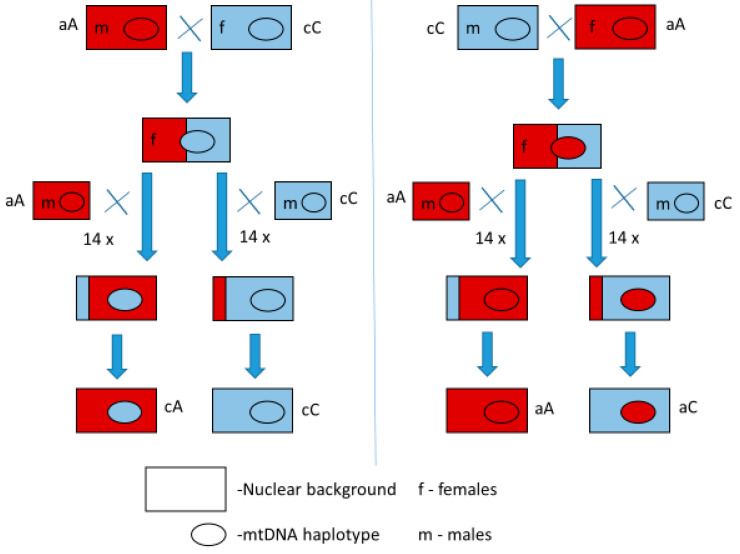 Figure 1
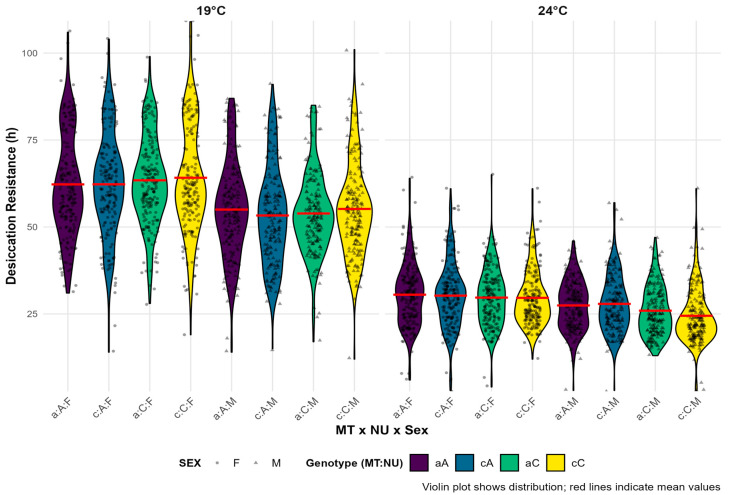 Figure 2
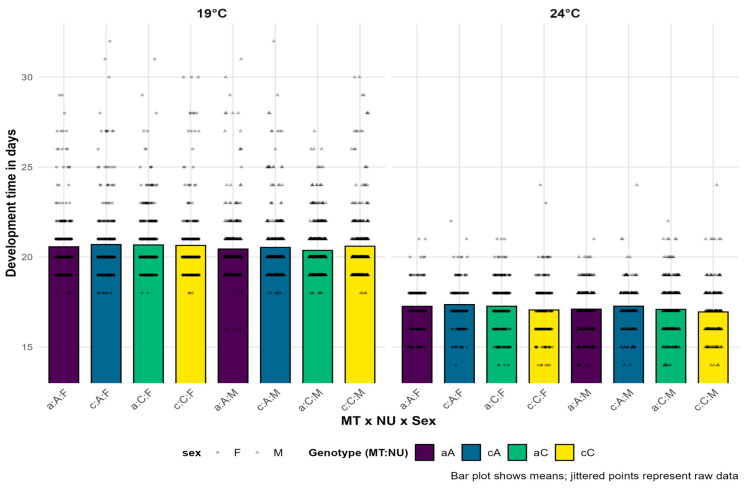 Figure 3
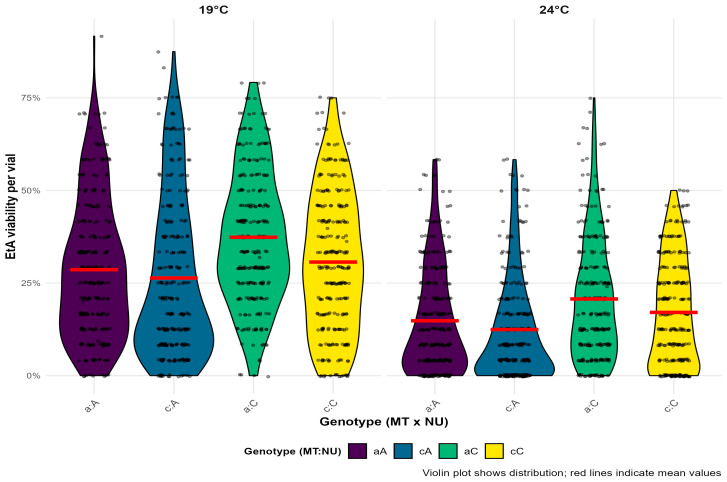 Figure 4
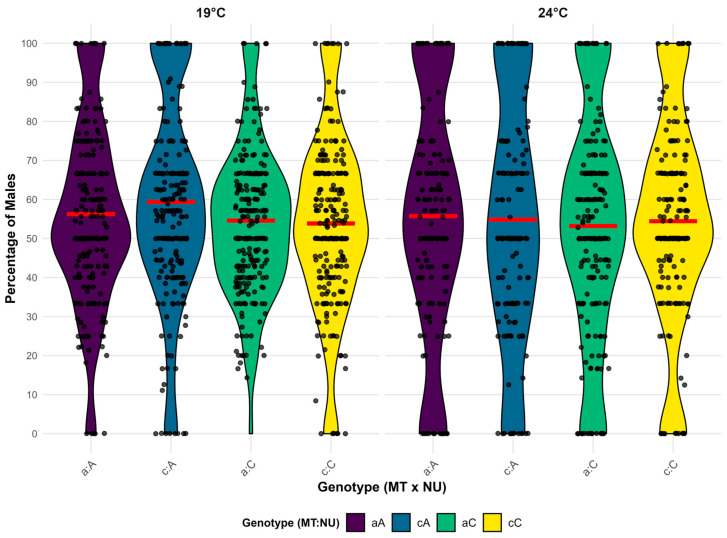 Figure 5
Peer Reviews
No public reviews on file for this paper yet. If you reviewed it on a platform where reviews are public (OpenReview, ICLR, NeurIPS, ICML), you can paste yours below so the community can read it here.
Videos
No videos yet. Explain this paper in a talk, walkthrough, or lecture? Add one.
Taxonomy
TopicsGenetic diversity and population structure · Physiological and biochemical adaptations · Insect-Plant Interactions and Control