Wing Variability in Some Andean Brown Lacewing Insects as an Adaptive Survival Strategy (Insecta, Neuropterida, Neuroptera: Hemerobiidae)
Víctor J. Monserrat, Óscar Gavira

TL;DR
Some Andean brown lacewing insects use wing variability to avoid predators, increasing their survival by making it harder for predators to recognize them.
Contribution
This study demonstrates that wing variability in Hemerobiidae species increases environmental entropy, serving as an effective anti-predatory survival strategy.
Findings
Natural wing patterns of Hemerobiidae species increase image entropy, making them harder to detect.
Artificially colored wings reduce entropy, making insects more visible to predators.
Greater morphological and chromatic diversity in wings leads to higher entropy and better crypsis.
Abstract
The family of brown lacewings (Neuroptera, Hemerobiidae) shows many strategies of crypsis, including a brown general body; disruptive, dark variegated or maculated wings; falcate wings; and so on. On this basis, some species present a real marked variability in the shape and size of their wings, as well as a remarkably wide variation in wing coloration patterns, which do not seem to be affected by their geographical distribution, sex, or age. This variability makes it more difficult for a potential predator to learn a certain wing model to locate. In this contribution, we demonstrate the efficacy of such variability as an anti-predatory strategy used to maximize the survival and reproductive success of the species by avoiding or minimizing the risk of potential visual identification by predators. The variability in shape and coloration patterns associated with strategies of crypsis…
Genes, proteins, chemicals, diseases, species, mutations and cell lines named across the full text — each resolved to its canonical identifier and authoritative record.
Click any figure to enlarge with its caption.
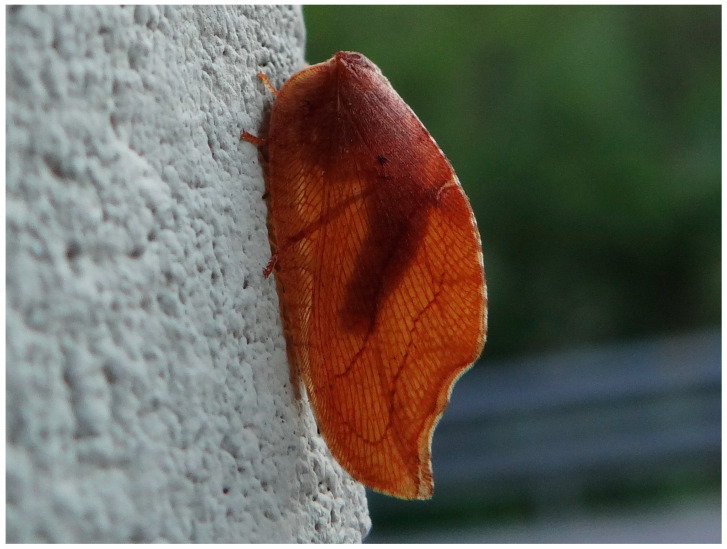 Figure 1
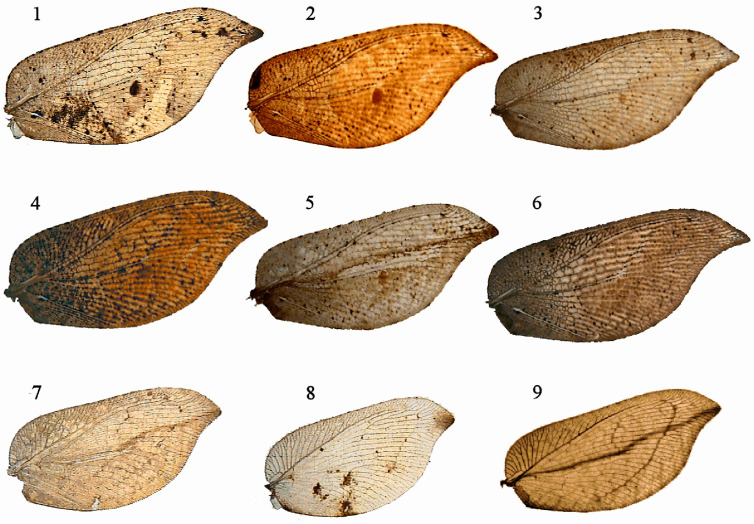 Figure 2
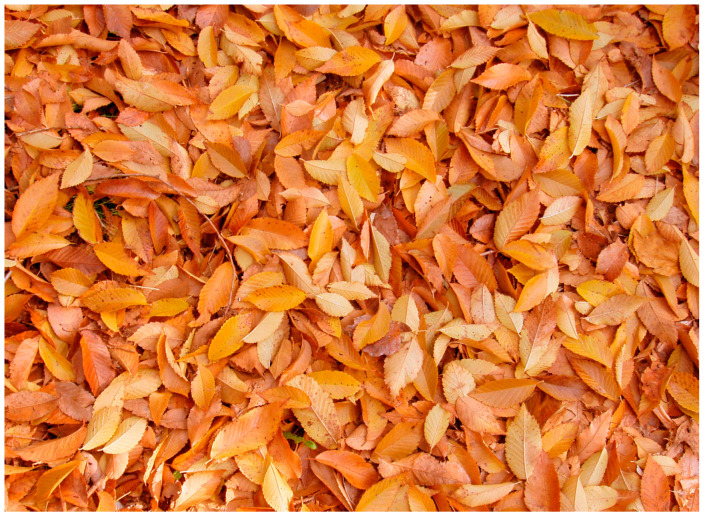 Figure 3
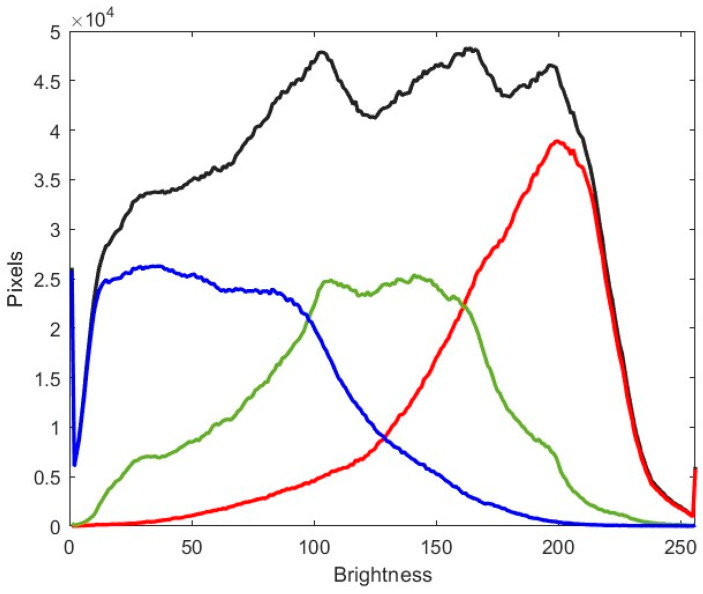 Figure 4
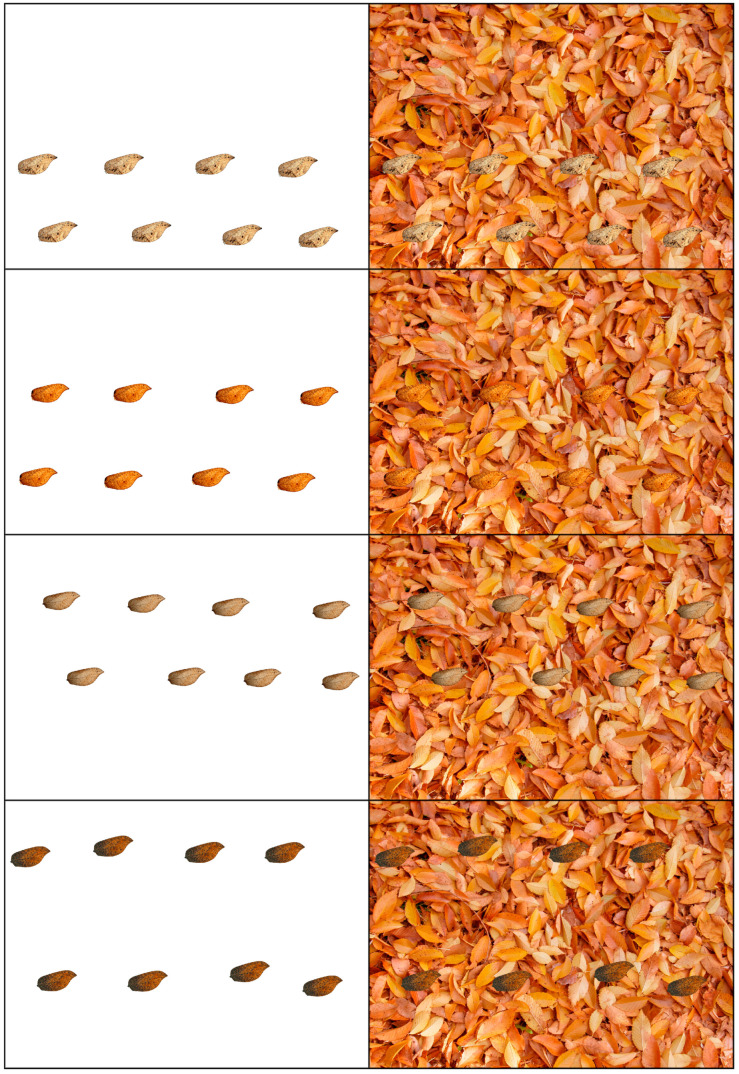 Figure 5
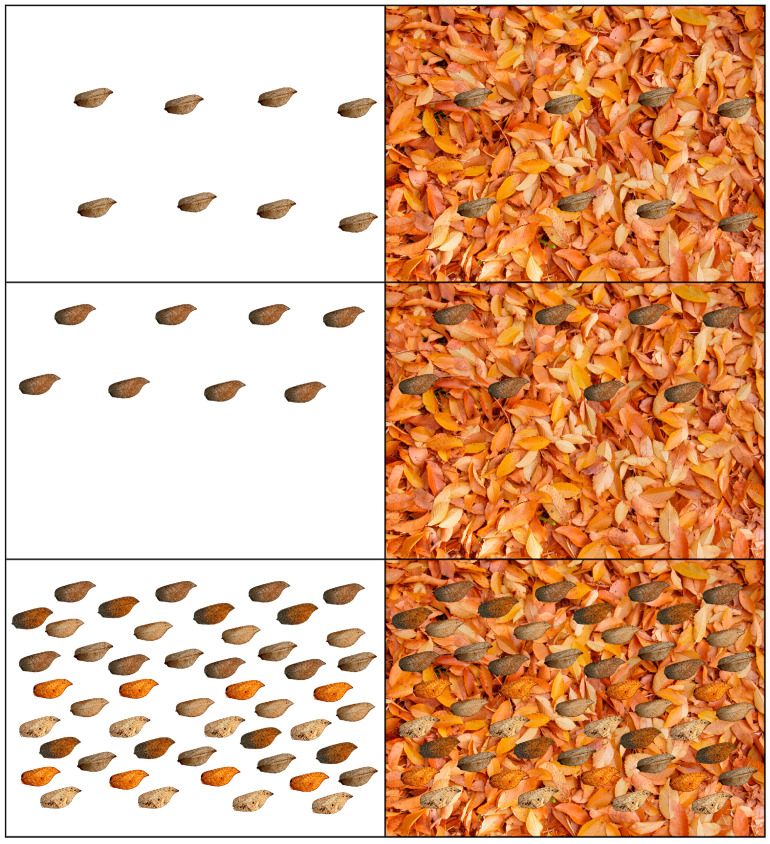 Figure 6
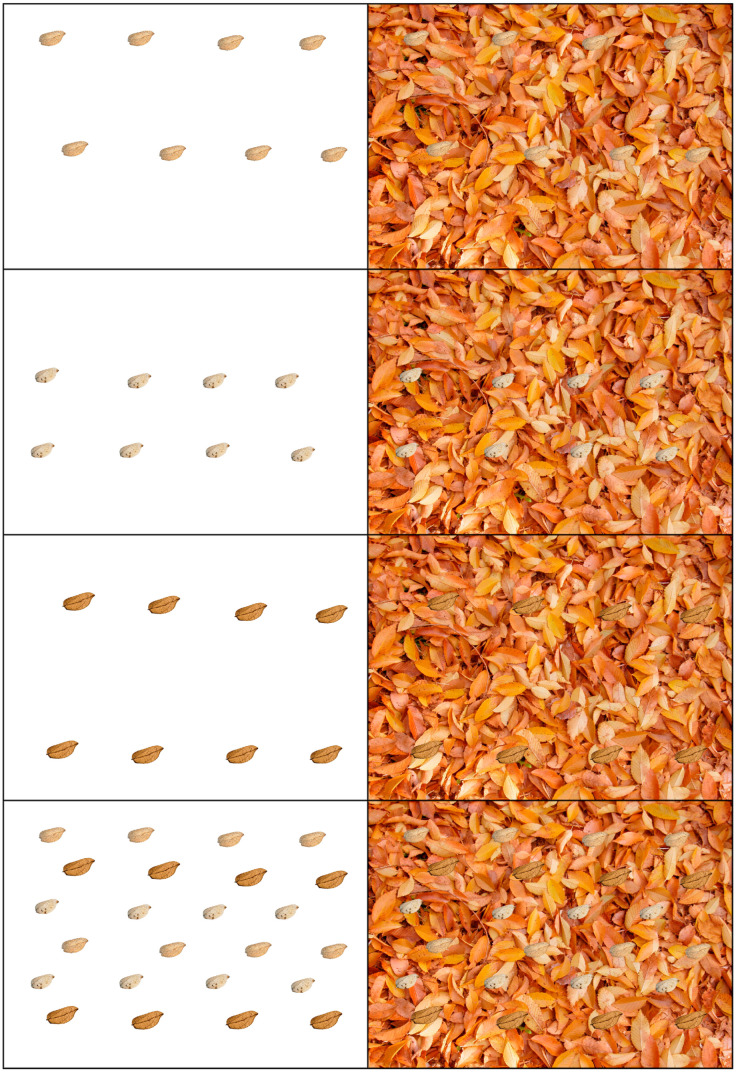 Figure 7
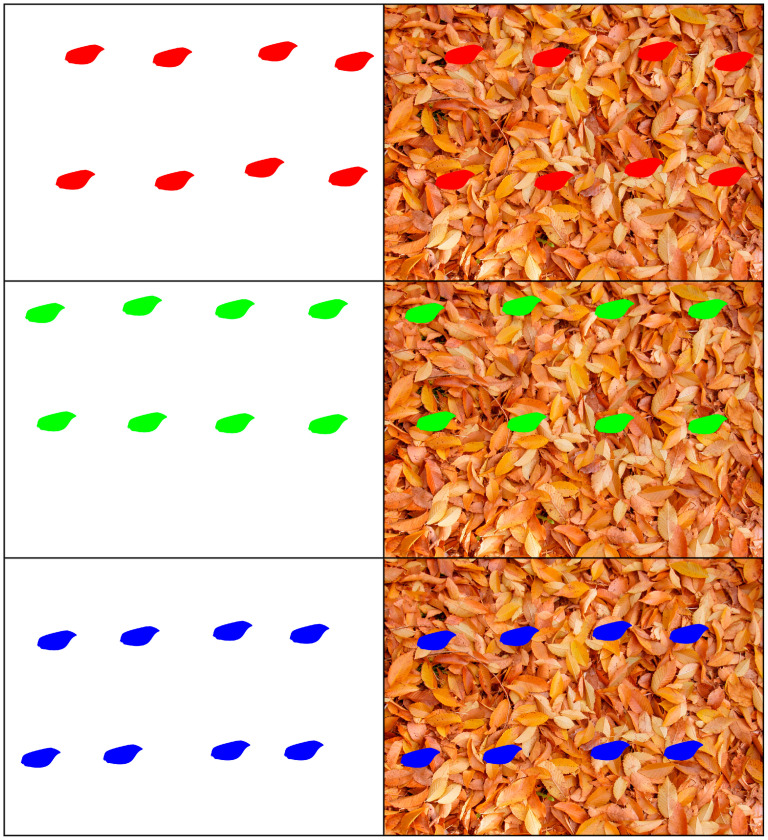 Figure 8
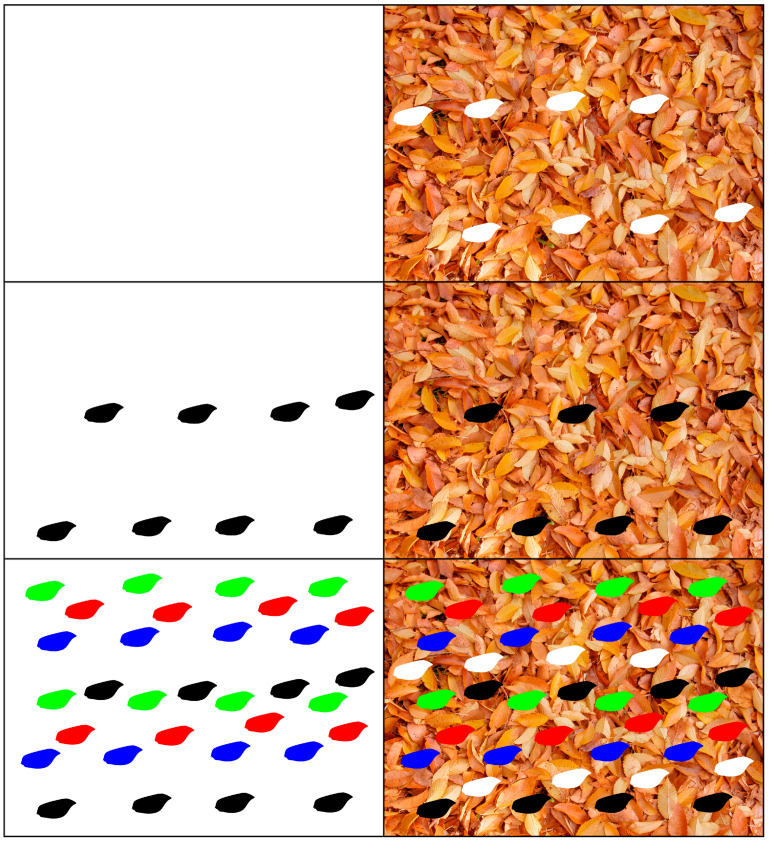 Figure 9
Peer Reviews
No public reviews on file for this paper yet. If you reviewed it on a platform where reviews are public (OpenReview, ICLR, NeurIPS, ICML), you can paste yours below so the community can read it here.
Videos
No videos yet. Explain this paper in a talk, walkthrough, or lecture? Add one.
Taxonomy
TopicsPlant and animal studies · Insect and Arachnid Ecology and Behavior · Animal Behavior and Reproduction