Ionic and Non-Ionic Counterparts Based on Bis(Uracilyl)Alkane Moiety with Highest Selectivity Towards Acetylcholinesterase for Protection Against Organophosphate Poisoning and Treating Alzheimer’s Disease
Irina V. Zueva, Liliya F. Saifina, Liliya M. Gubaidullina, Marina M. Shulaeva, Alexandra D. Kharlamova, Oksana A. Lenina, Grigory P. Belyaev, Albina Y. Ziganshina, Shan Gao, Wenjian Tang, Vyacheslav E. Semenov, Konstantin A. Petrov

TL;DR
Scientists developed new compounds that selectively block a brain enzyme, showing potential for treating Alzheimer's and protecting against nerve agent poisoning.
Contribution
The study introduces bisuracils with high selectivity for acetylcholinesterase, offering dual applications in organophosphate poisoning and Alzheimer’s.
Findings
Bisuracils inhibited acetylcholinesterase at nano- and sub-nanomolar concentrations with high selectivity over butyrylcholinesterase.
Compound 2b protected acetylcholinesterase from paraoxon poisoning in mice at low doses.
Compound 3c reversed memory loss in mice, suggesting potential for Alzheimer’s treatment.
Abstract
A series of bisuracils, in which uracil and 3,6-dimethyluracil moieties were bridged with a polymethylene spacer, and the uracil moiety contained a pentamethylene radical with ionic and non-ionic aminobenzyl groups, were synthesised. These bisuracils have been identified as cholinesterase inhibitors with exceptional selectivity for acetylcholinesterase (AChE) over butyrylcholinesterase (BuChE). These bisuracils, which have been identified as highly effective AChE inhibitors, demonstrated activity at nano- and sub-nanomolar concentrations, with exceptional selectivity for AChE over BuChE. In kinetic studies of lead bisuracils 2b and 3c, both compounds exhibited mixed-type inhibition against AChE and BuChE. Additionally, molecular dynamic simulations demonstrated robust and stable interactions of 2b and 3c with the binding sites of their target. Bisuracil 2b showed significant potential…
Genes, proteins, chemicals, diseases, species, mutations and cell lines named across the full text — each resolved to its canonical identifier and authoritative record.
Click any figure to enlarge with its caption.
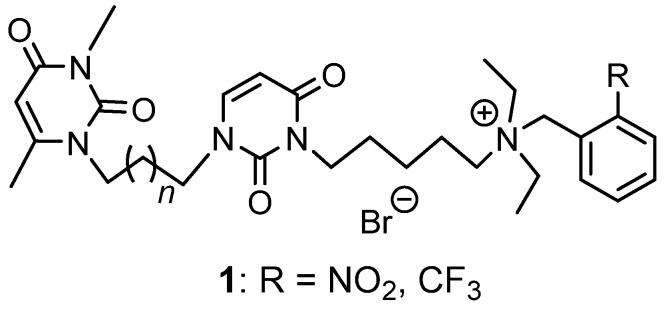 Figure 1
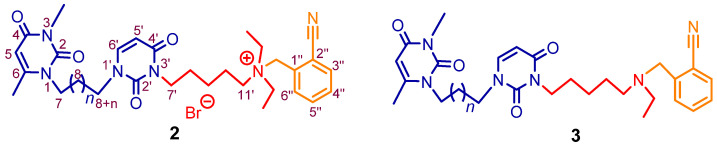 Figure 2
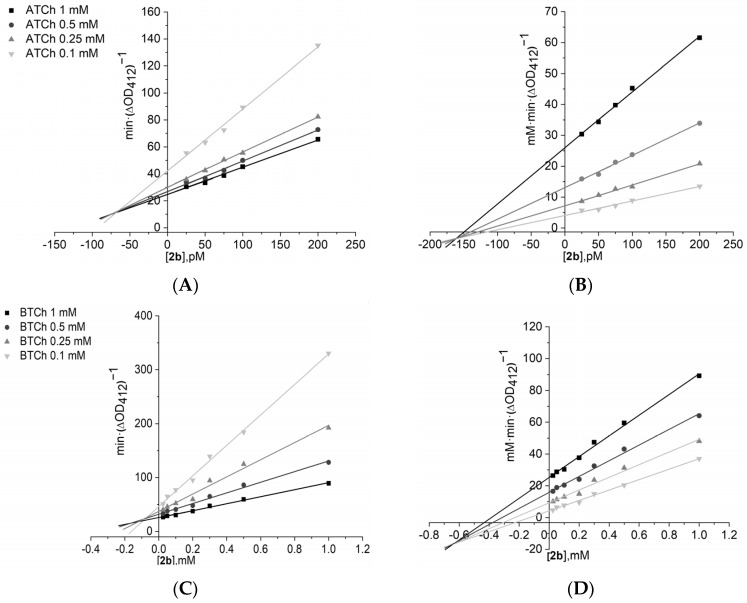 Figure 3
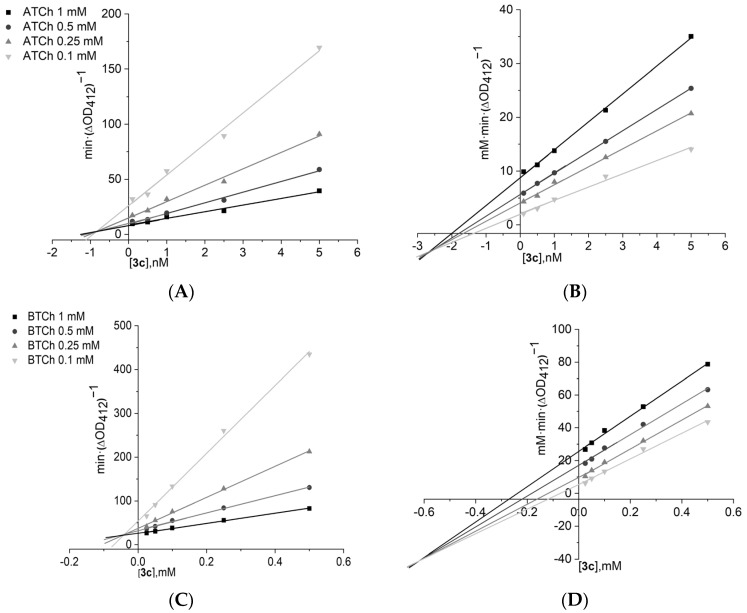 Figure 4
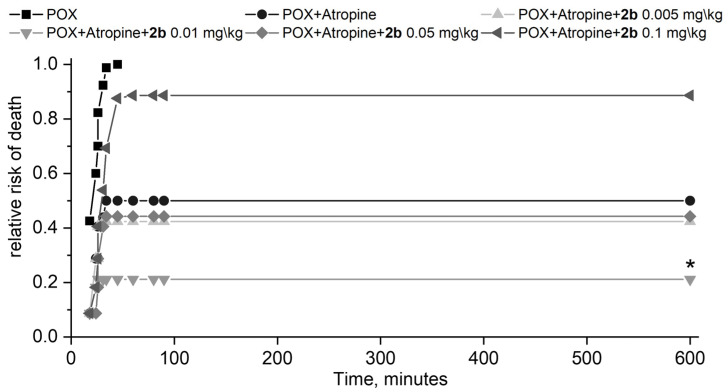 Figure 5
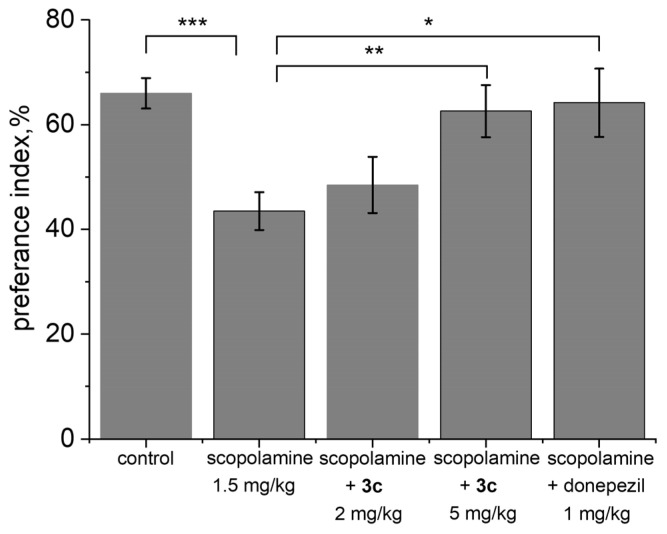 Figure 6
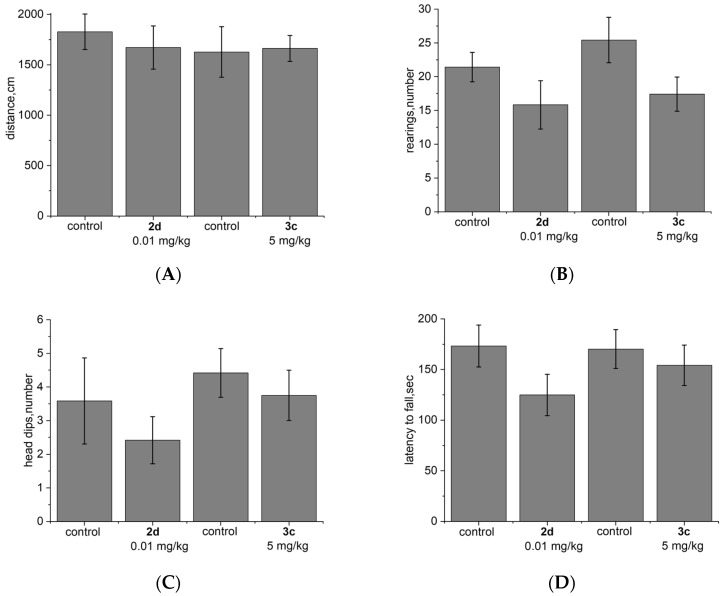 Figure 7
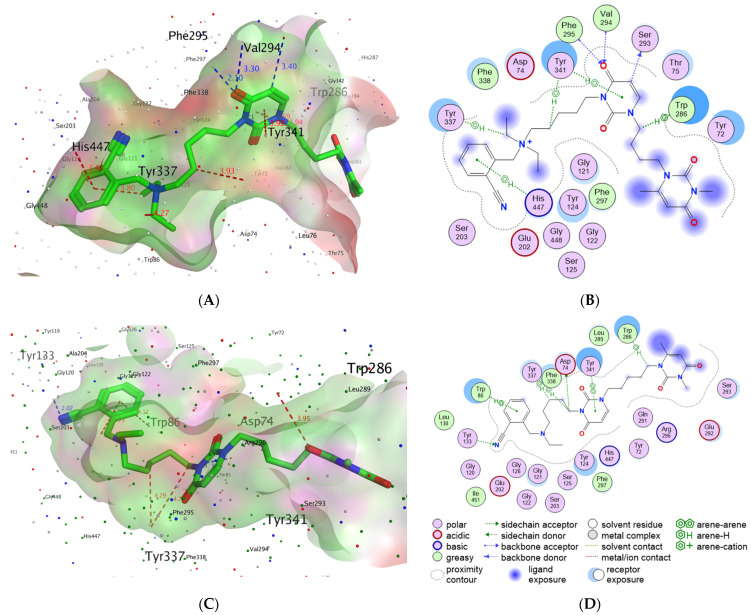 Figure 8
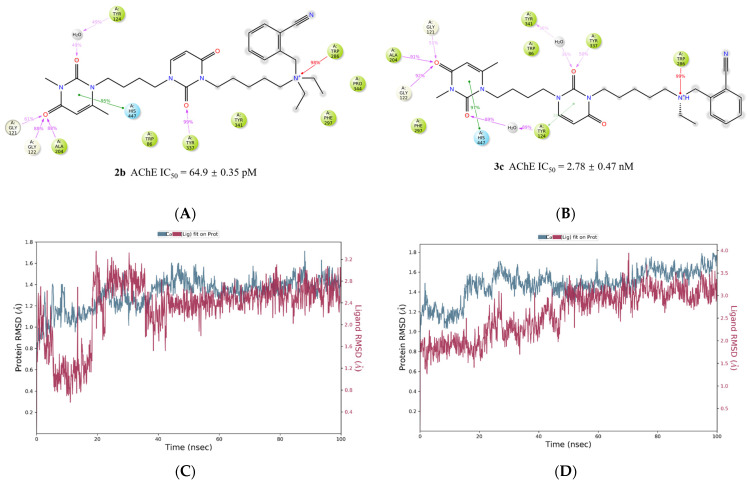 Figure 9
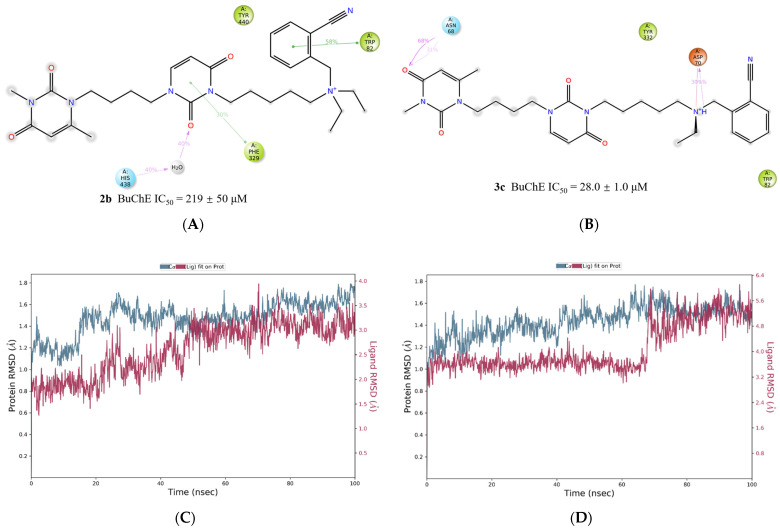 Figure 10
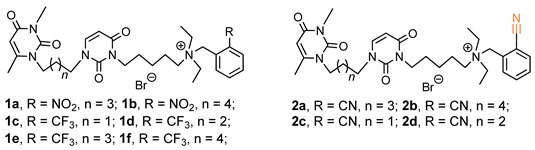 Figure 11
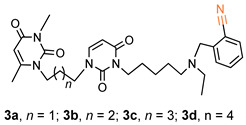 Figure 12
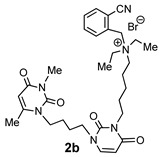 Figure 13
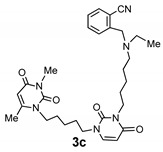 Figure 14
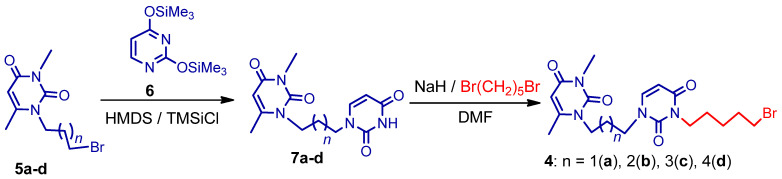 Figure 15
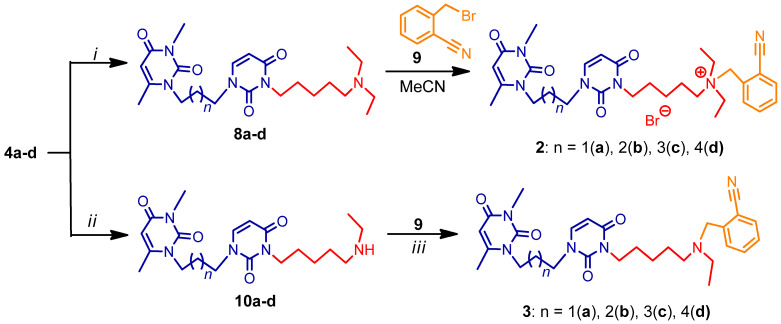 Figure 16
Peer Reviews
No public reviews on file for this paper yet. If you reviewed it on a platform where reviews are public (OpenReview, ICLR, NeurIPS, ICML), you can paste yours below so the community can read it here.
Videos
No videos yet. Explain this paper in a talk, walkthrough, or lecture? Add one.
Taxonomy
TopicsPesticide Exposure and Toxicity · Cholinesterase and Neurodegenerative Diseases · Environmental Toxicology and Ecotoxicology