A Discussion of a Case of Paradoxical Ipsilateral Hemiparesis in a Patient Diagnosed with Pterional Meningioma
Ligia Gabriela Tataranu

TL;DR
A 43-year-old woman with a brain tumor showed unexpected paralysis on the same side as the tumor, and her symptoms resolved after surgery.
Contribution
This case report provides new clinical insights into the possible mechanisms of ipsilateral hemiparesis caused by pterional meningioma.
Findings
The patient showed right-sided hemiparesis despite a right pterional meningioma.
Complete tumor removal led to full neurological recovery within three weeks.
The case supports the need for further research into ipsilateral hemiparesis mechanisms.
Abstract
Background: Although various theories have been developed to explain ipsilateral hemiparesis, the causes behind this clinical phenomenon are still poorly understood. The main pathophysiological hypotheses include the anatomical variations in decussation of the corticospinal tract, the theory of diaschisis, the Kernohan-Woltman notch phenomenon, and Ectors’ syndrome. The current article aims to report the case of a 43-year-old woman diagnosed with ipsilateral hemiparesis following a right pterional meningioma, later treated by surgery. The different theories behind this paradoxical clinical phenomenon are discussed to elucidate the most likely mechanism behind it. Methods: A 43-year-old right-handed woman with a history of splenomegaly and iron deficiency anemia was admitted to our hospital for refractory headache, right-sided hemiparesis, and generalized tonic-clonic seizures. Clinical…
Genes, proteins, chemicals, diseases, species, mutations and cell lines named across the full text — each resolved to its canonical identifier and authoritative record.
Click any figure to enlarge with its caption.
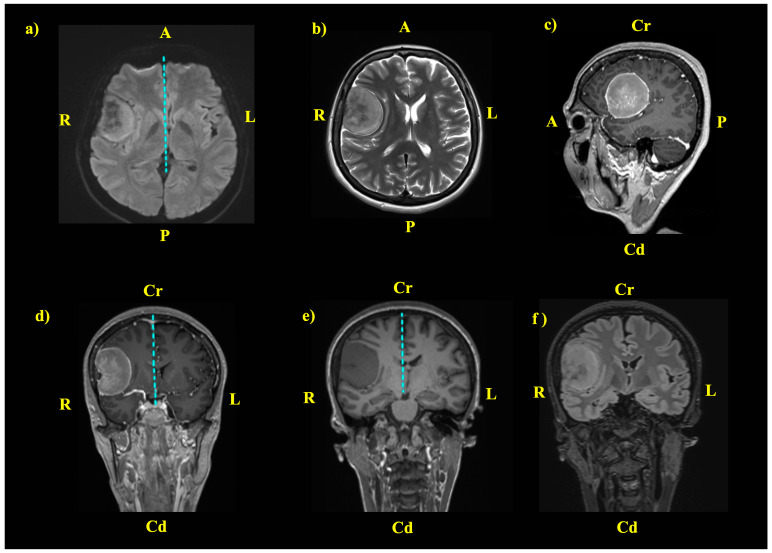 Figure 1
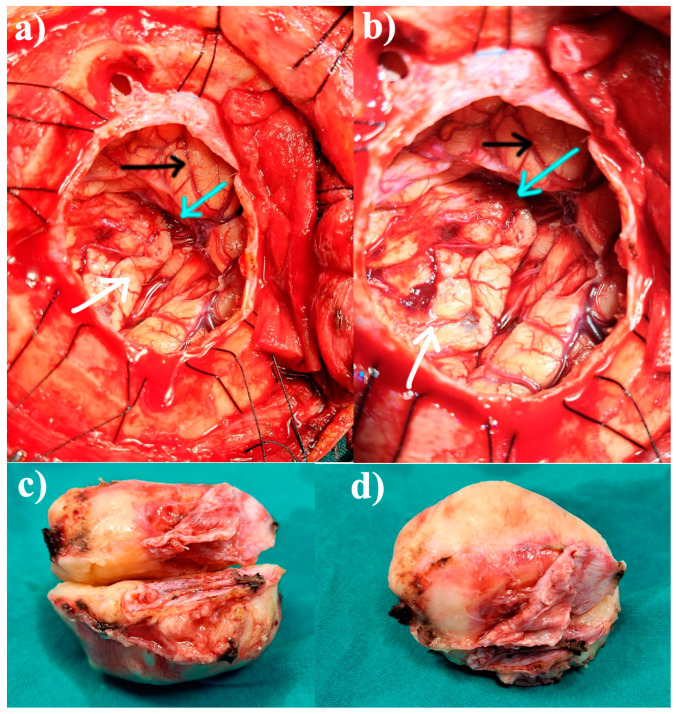 Figure 2
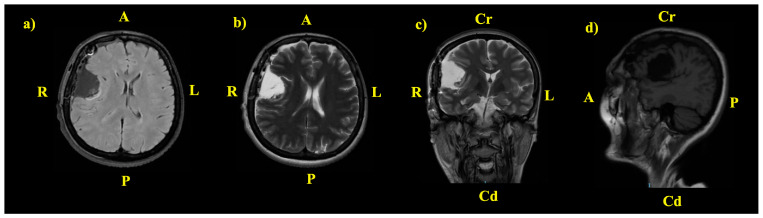 Figure 3
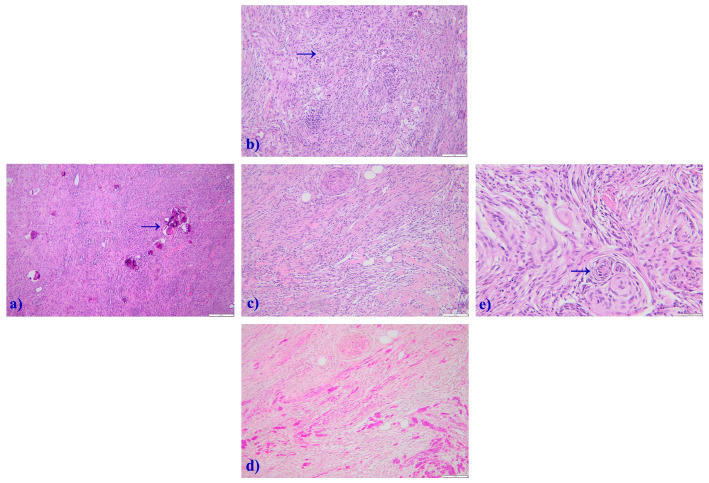 Figure 4
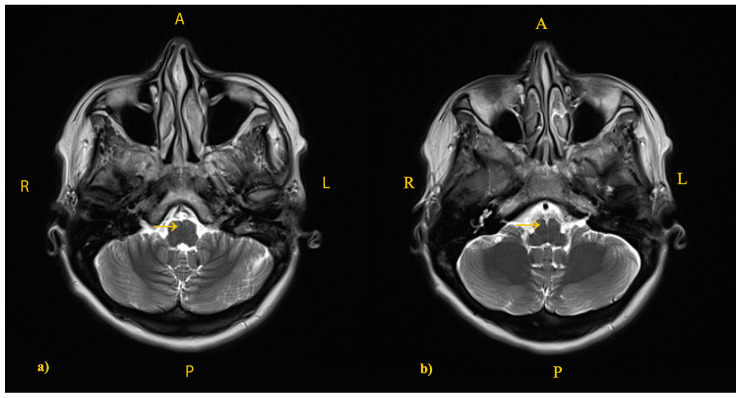 Figure 5
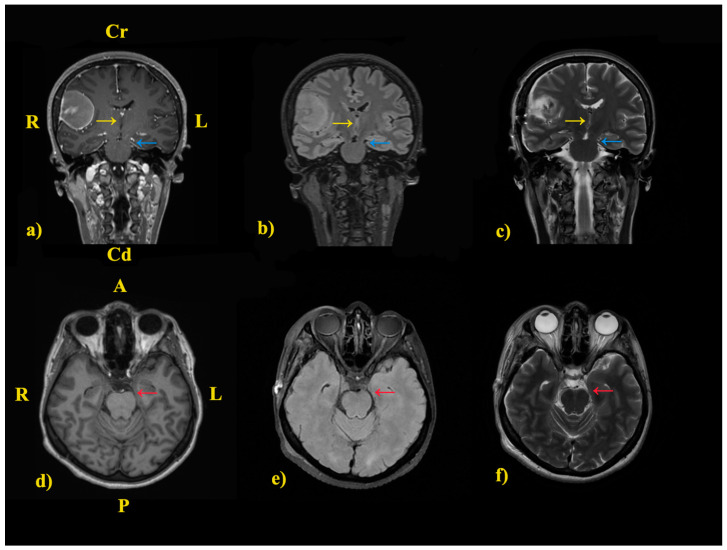 Figure 6
Peer Reviews
No public reviews on file for this paper yet. If you reviewed it on a platform where reviews are public (OpenReview, ICLR, NeurIPS, ICML), you can paste yours below so the community can read it here.
Videos
No videos yet. Explain this paper in a talk, walkthrough, or lecture? Add one.
Taxonomy
TopicsMeningioma and schwannoma management · Ophthalmology and Eye Disorders · Pituitary Gland Disorders and Treatments