Establishment of a Human iPSC Line from Mucolipidosis Type II That Expresses the Key Markers of the Disease
Maria Eduarda Moutinho, Mariana Gonçalves, Ana Joana Duarte, Marisa Encarnação, Maria Francisca Coutinho, Liliana Matos, Juliana Inês Santos, Diogo Ribeiro, Olga Amaral, Paulo Gaspar, Sandra Alves, Luciana Vaz Moreira

TL;DR
Scientists created a new human cell line for Mucolipidosis type II, a rare fatal disease, which can help study its causes and treatments.
Contribution
A novel iPSC line for Mucolipidosis type II was established, carrying the most frequent disease-causing mutation.
Findings
The iPSC line expresses pluripotency markers and maintains a normal karyotype.
ML II iPSCs show key disease hallmarks like reduced M6P-dependent hydrolase activity and cholesterol accumulation.
The iPSCs can differentiate into three germ layers, making them a versatile disease model.
Abstract
Mucolipidosis type II (ML II) is a rare and fatal disease of acid hydrolase trafficking. It is caused by pathogenic variants in the GNPTAB gene, leading to the absence of GlcNAc-1-phosphotransferase activity, an enzyme that catalyzes the first step in the formation of the mannose 6-phosphate (M6P) tag, essential for the trafficking of most lysosomal hydrolases. Without M6P, these do not reach the lysosome, which accumulates undegraded substrates. The lack of samples and adequate disease models limits the investigation into the pathophysiological mechanisms of the disease and potential therapies. Here, we report the generation and characterization of an ML II induced pluripotent stem cell (iPSC) line carrying the most frequent ML II pathogenic variant [NM_024312.5(GNPTAB):c.3503_3504del (p.Leu1168fs)]. Skin fibroblasts were successfully reprogrammed into iPSCs that express pluripotency…
Genes, proteins, chemicals, diseases, species, mutations and cell lines named across the full text — each resolved to its canonical identifier and authoritative record.
Click any figure to enlarge with its caption.
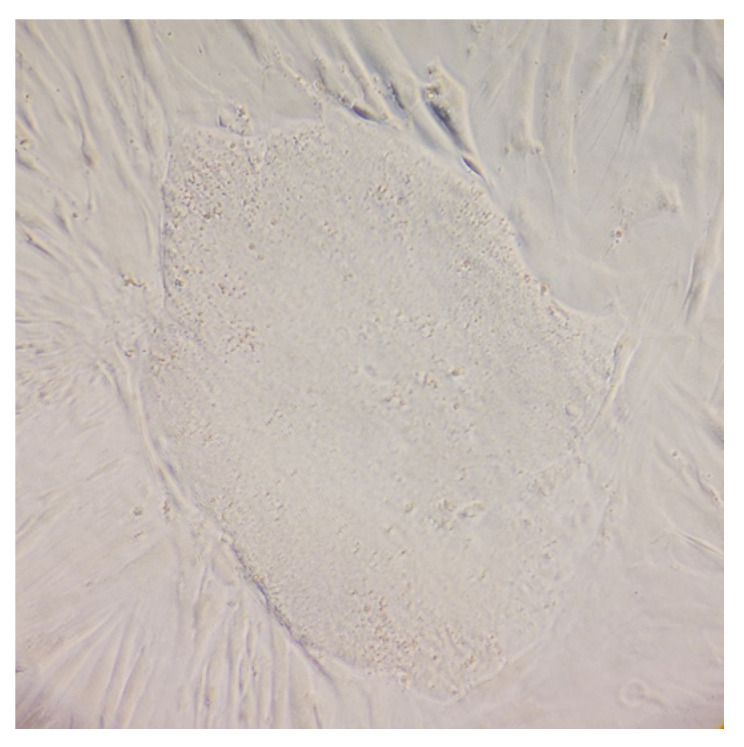 Figure 1
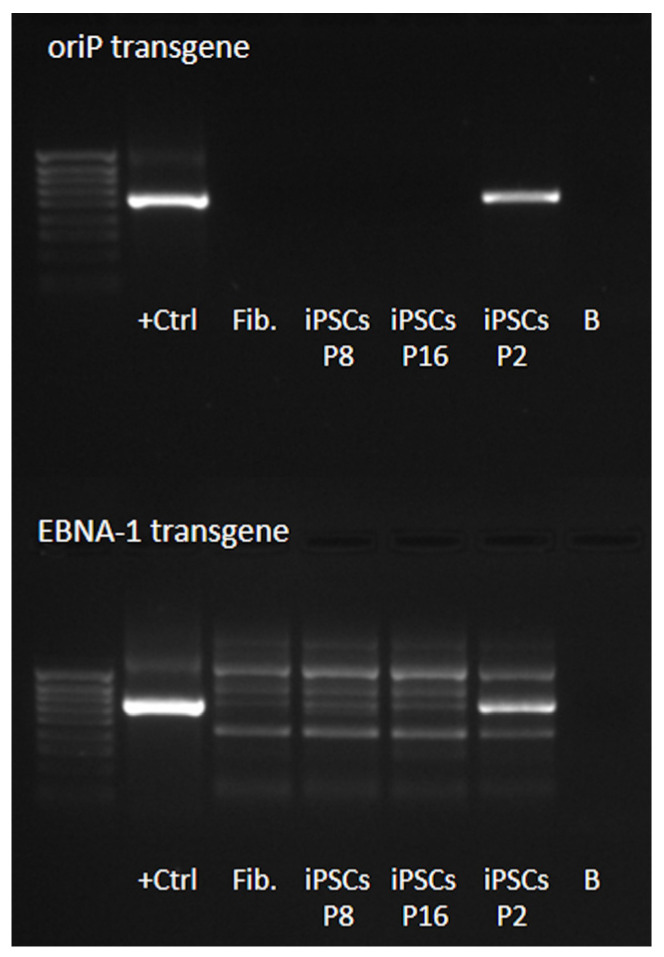 Figure 2
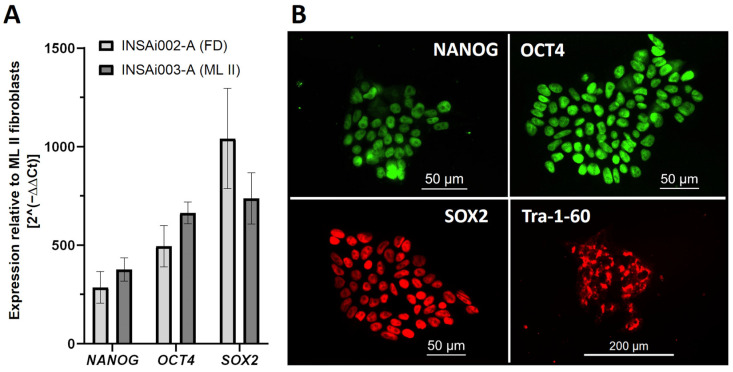 Figure 3
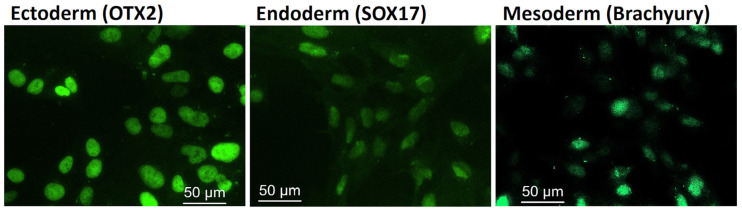 Figure 4
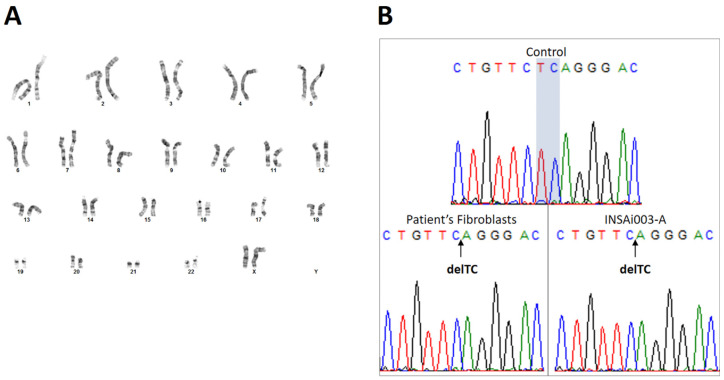 Figure 5
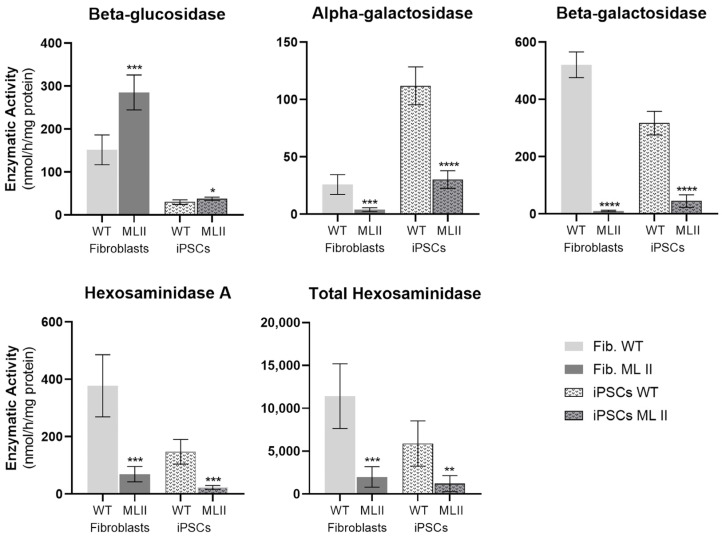 Figure 6
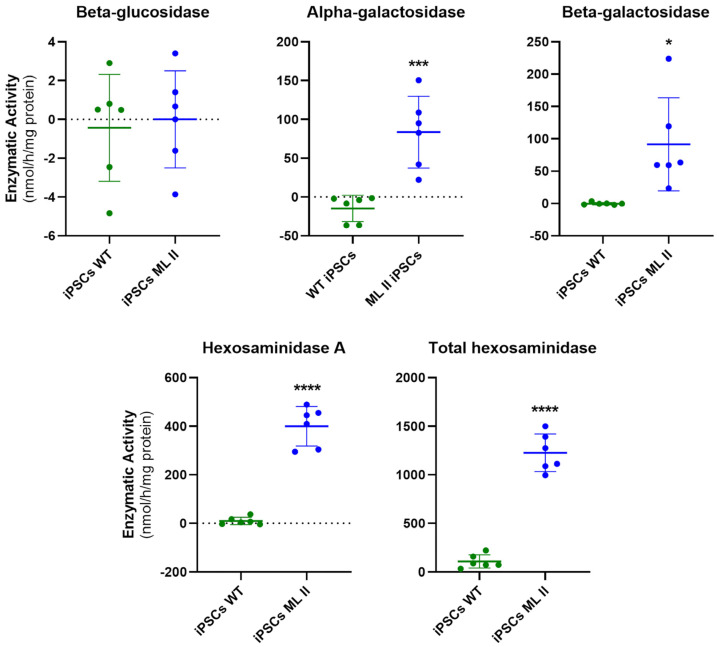 Figure 7
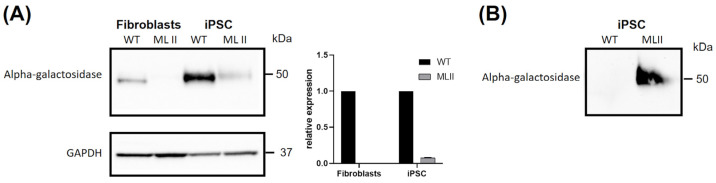 Figure 8
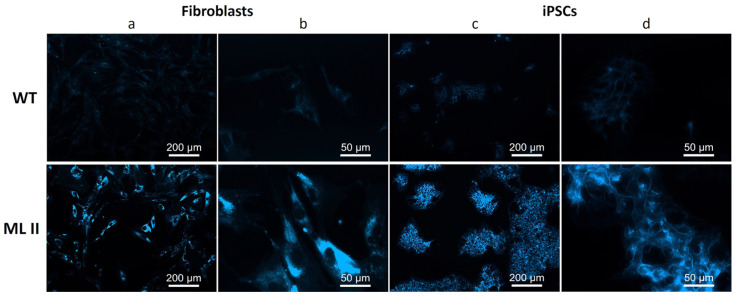 Figure 9
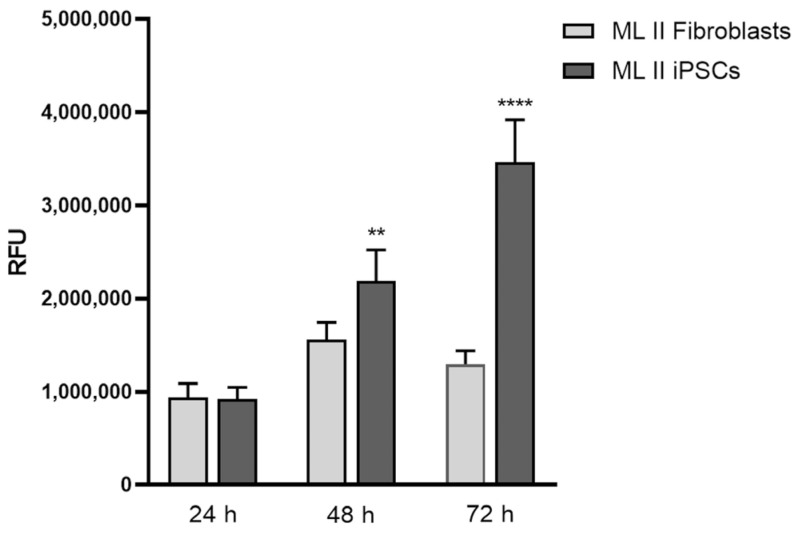 Figure 10
Peer Reviews
No public reviews on file for this paper yet. If you reviewed it on a platform where reviews are public (OpenReview, ICLR, NeurIPS, ICML), you can paste yours below so the community can read it here.
Videos
No videos yet. Explain this paper in a talk, walkthrough, or lecture? Add one.
Taxonomy
TopicsCalcium signaling and nucleotide metabolism · Lysosomal Storage Disorders Research · Pancreatic function and diabetes