The Aesthetic Appreciation of Multi-Stable Images
Levin Saracbasi, Heiko Hecht

TL;DR
The study explores whether the ability of multi-stable images to switch interpretations affects their perceived beauty, finding that higher stability, not switching, increases aesthetic appreciation.
Contribution
The paper introduces a novel experimental approach to link perceptual stability and aesthetic liking in multi-stable images.
Findings
Higher perceptual stability of images correlates with increased liking and positive valence.
Inherent image properties, not viewer instructions, mainly influence aesthetic appreciation.
Perceptual switching reduces aesthetic liking, explained by processing fluency theory.
Abstract
Does the quality that renders multi-stable images fascinating, the sudden perceptual reorganization, the switching from one interpretation into another, also make these images appear beautiful? Or is the aesthetic quality of multi-stable figures unrelated to the ease with which they switch? Across two experiments, we presented multi-stable images and manipulated their perceptual stability. We also presented their unambiguous components in isolation. In the first experiment, this manipulation targeted the inherent stimulus stability through properties like figural size and composition. The second experiment added an instruction for observers to actively control the stability, by attempting to either enhance or prevent perceptual switches as best they could. We found that higher stability was associated with higher liking, positive valence, and lower arousal. This increase in appreciation…
Genes, proteins, chemicals, diseases, species, mutations and cell lines named across the full text — each resolved to its canonical identifier and authoritative record.
Click any figure to enlarge with its caption.
 Figure 1
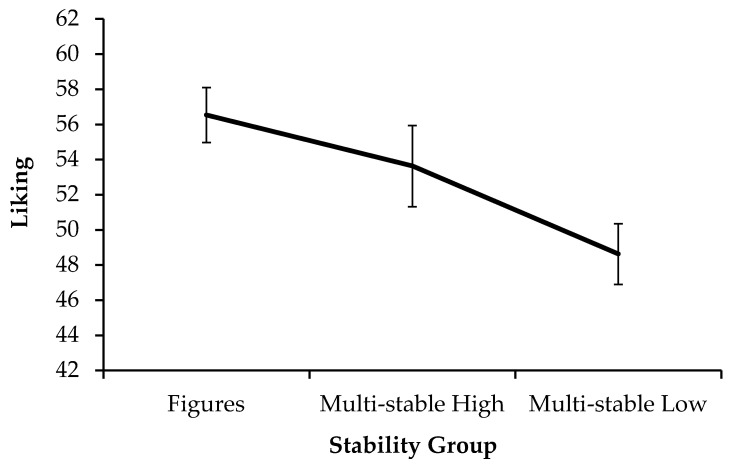 Figure 2
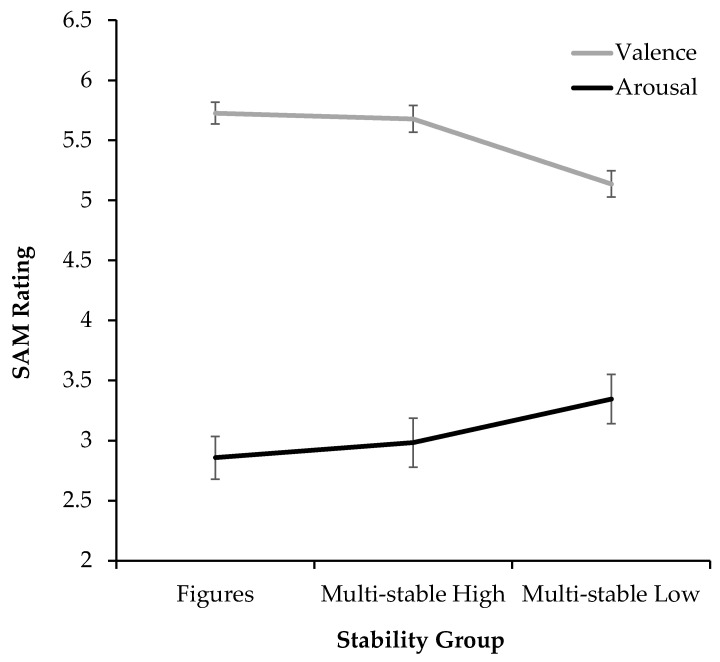 Figure 3
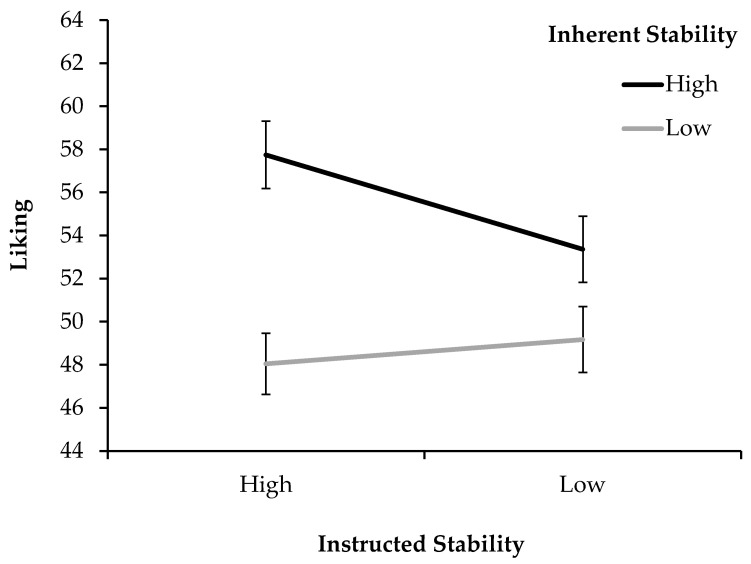 Figure 4
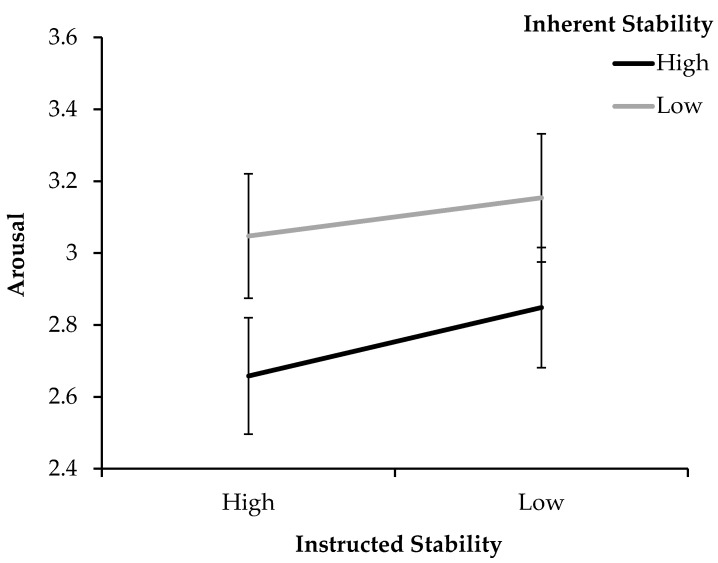 Figure 5
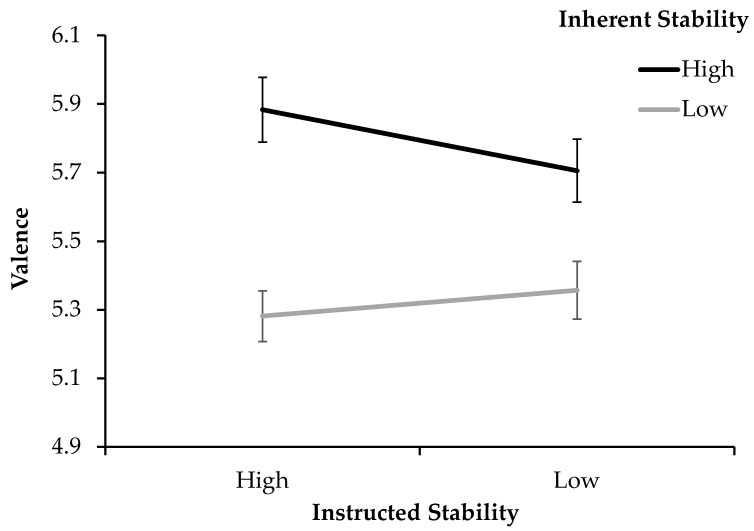 Figure 6
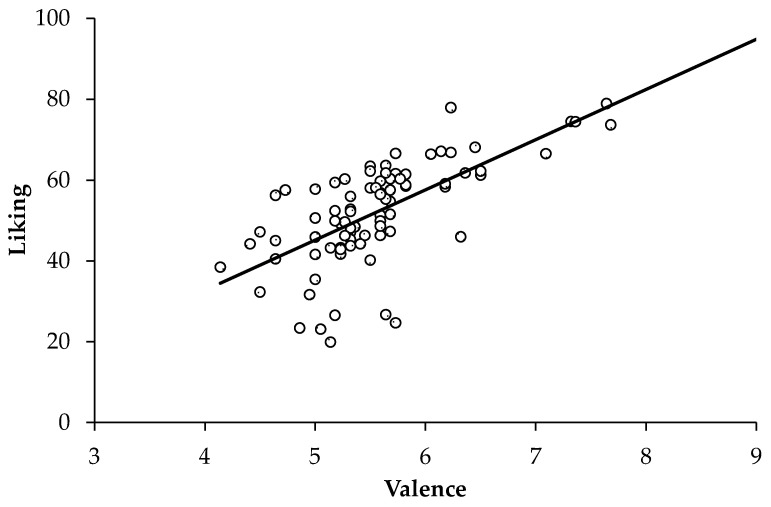 Figure 7
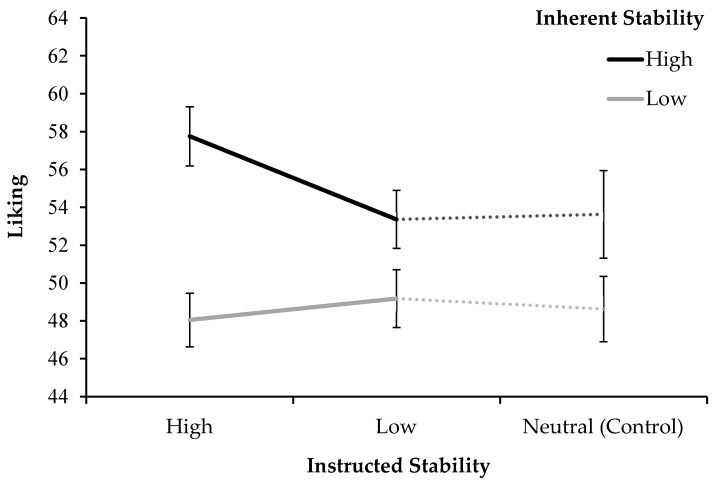 Figure 8
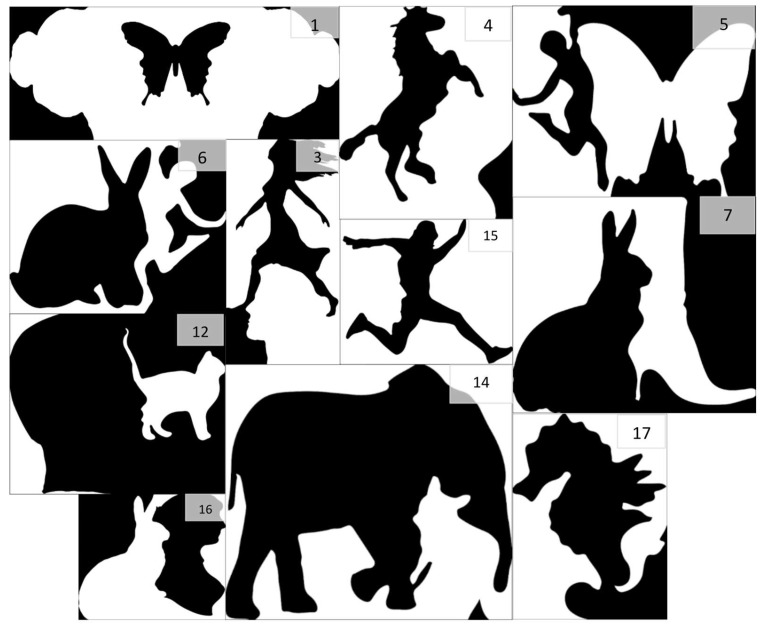 Figure 9
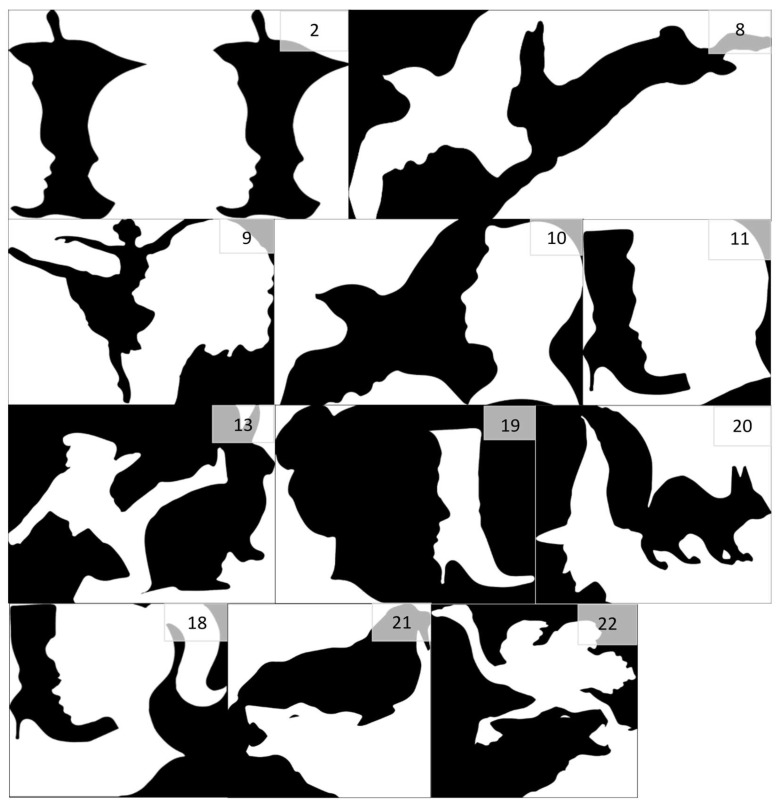 Figure 10
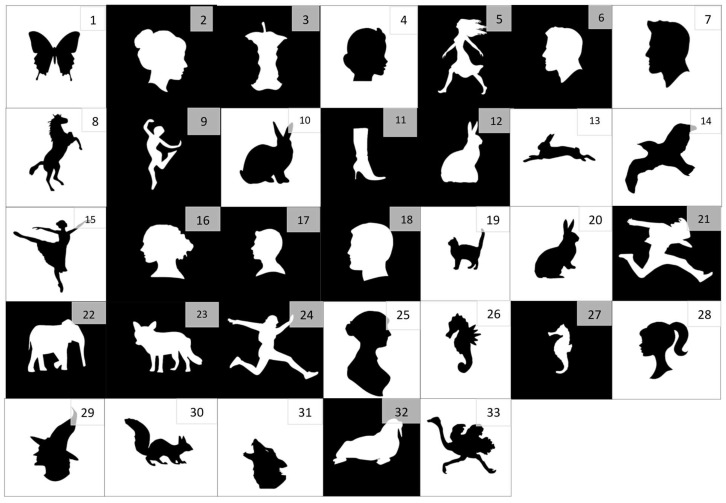 Figure 11
 Figure 12
Peer Reviews
No public reviews on file for this paper yet. If you reviewed it on a platform where reviews are public (OpenReview, ICLR, NeurIPS, ICML), you can paste yours below so the community can read it here.
Videos
No videos yet. Explain this paper in a talk, walkthrough, or lecture? Add one.
Taxonomy
TopicsAesthetic Perception and Analysis · Visual perception and processing mechanisms · Olfactory and Sensory Function Studies