Lack of asmt1 or asmt2 Yields Different Phenotypes and Malformations in Larvae to Adult Zebrafish
Paula Aranda-Martínez, José Fernández-Martínez, María Elena Díaz-Casado, Yolanda Ramírez-Casas, María Martín-Estebané, Alba López-Rodríguez, Germaine Escames, Darío Acuña-Castroviejo

TL;DR
This study shows that knocking out asmt1 or asmt2 in zebrafish leads to different effects on melatonin levels, sleep patterns, and physical development.
Contribution
The study reveals distinct functional roles of asmt1 and asmt2 in melatonin synthesis and zebrafish development.
Findings
Loss of asmt2 reduces melatonin and disrupts sleep/wake rhythms in larvae.
Loss of asmt1 causes malformations and reduced locomotor activity in adults.
The two asmt genes have distinct expression and functional roles in zebrafish.
Abstract
Melatonin is an indolamine derived from tryptophan, which is highly conserved throughout evolution, including in zebrafish, where it controls important cellular processes, such as circadian rhythms, oxidative stress, inflammation, and mitochondrial homeostasis. These functions of melatonin and its synthesis route are quite similar to those in humans. One of the most important enzymes in melatonin synthesis is acetylserotonin O-methyltransferase (ASMT), the rate-limiting enzyme, which catalyzes its final step. Due to genome duplication, zebrafish has two genes for this enzyme, asmt1 and asmt2. These genes show differential expression; asmt1 is primarily expressed in the retina and the pineal gland, and asmt2 is expressed in peripheral tissues, indicating different functions. Therefore, the aim of this work was to develop a mutant model for each asmt gene and to analyze their phenotypic…
Genes, proteins, chemicals, diseases, species, mutations and cell lines named across the full text — each resolved to its canonical identifier and authoritative record.
Click any figure to enlarge with its caption.
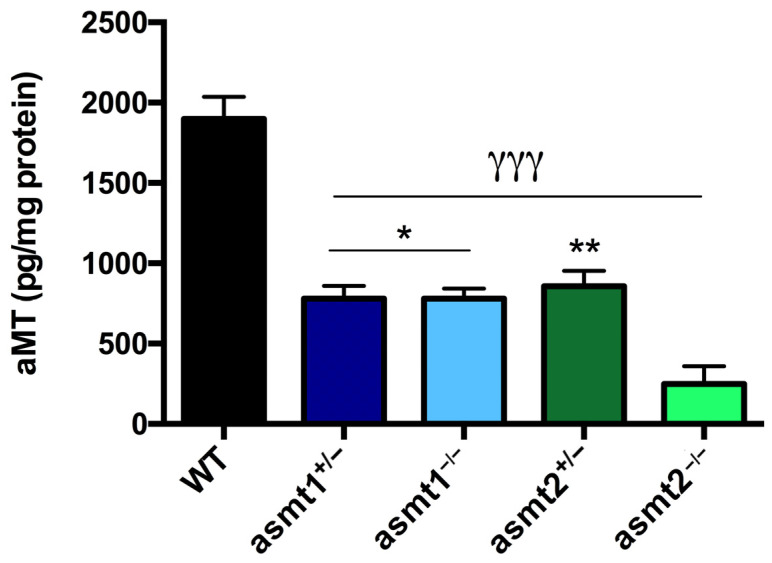 Figure 1
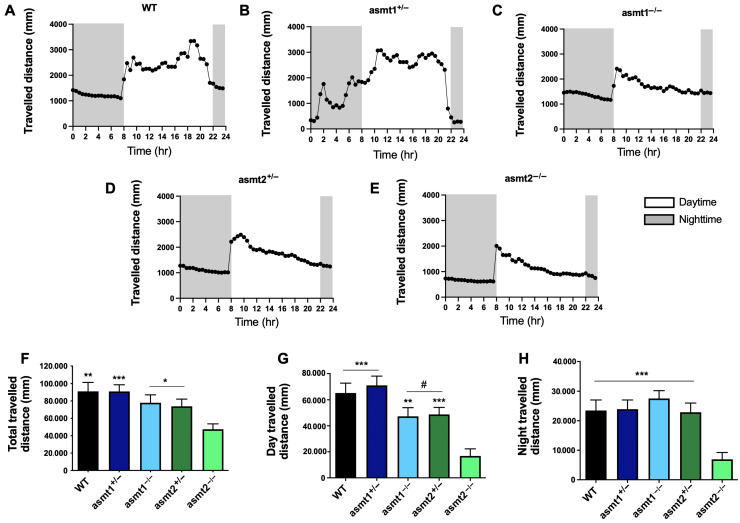 Figure 2
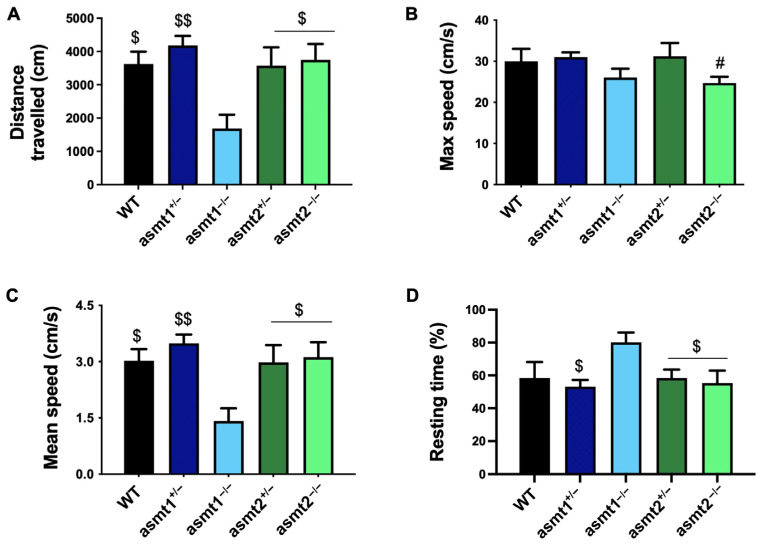 Figure 3
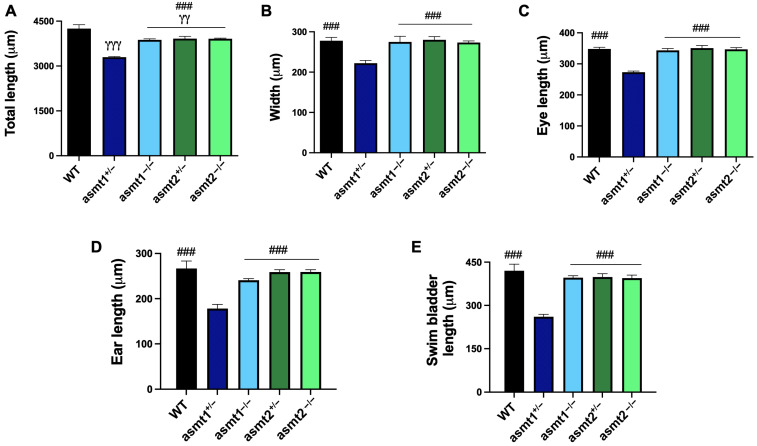 Figure 4
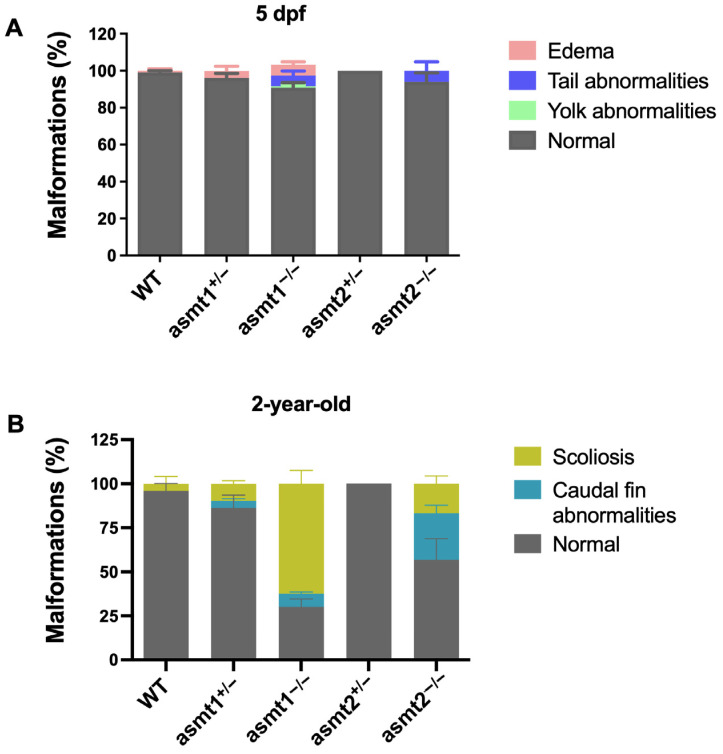 Figure 5
Peer Reviews
No public reviews on file for this paper yet. If you reviewed it on a platform where reviews are public (OpenReview, ICLR, NeurIPS, ICML), you can paste yours below so the community can read it here.
Videos
No videos yet. Explain this paper in a talk, walkthrough, or lecture? Add one.
Taxonomy
TopicsCircadian rhythm and melatonin · Epigenetics and DNA Methylation · Cognitive Abilities and Testing