Identifying Genes Associated with the Anticancer Activity of a Fluorinated Chalcone in Triple-Negative Breast Cancer Cells Using Bioinformatics Tools
Eduardo De la Cruz-Cano, José Ángel González-Díaz, Ivonne María Olivares-Corichi, Jorge Tonatiuh Ayala-Sumuano, José Alfredo Díaz-Gandarilla, Quirino Torres-Sauret, Violeta Larios-Serrato, Miguel Ángel Vilchis-Reyes, Carlos Javier López-Victorio, José Arnold González-Garrido

TL;DR
This study uses bioinformatics to identify genes affected by a fluorinated chalcone in triple-negative breast cancer cells, revealing potential new treatment pathways.
Contribution
The study identifies novel gene expression patterns and biological pathways influenced by a fluorinated chalcone in TNBC cells.
Findings
504 differentially expressed genes were identified in MDA-MB-231 cells treated with a fluorinated chalcone.
DE genes were enriched in processes like regulation of cell death and response to unfolded proteins.
The fluorinated chalcone may influence HSF-1 silencing and promote stress-induced apoptosis.
Abstract
Fluorinated chalcones are molecules reported to possess potent anticancer properties against triple-negative breast cancer (TNBC) cells. However, their molecular mechanisms have not yet been fully explored. Using bioinformatics tools, we analyzed the transcriptomes of MDA-MB-231 cells treated with either a novel fluorinated chalcone (compound 3) or a control in order to identify differentially expressed (DE) genes associated with its anticancer activity and determine the biological processes in which these genes are involved. A fluorinated chalcone was synthesized using the Claisen–Schmidt method. The transcriptome of MDA-MB-231 cells was then analyzed on an Illumina NextSeq500, and DE genes with significant changes in expression were identified using the DESeq2 v1.38.0 bioinformatics tool under the strict detection criteria of |log2FC| ≥ 2 and adjusted p < 0.05. We identified 504 DE…
Genes, proteins, chemicals, diseases, species, mutations and cell lines named across the full text — each resolved to its canonical identifier and authoritative record.
Click any figure to enlarge with its caption.
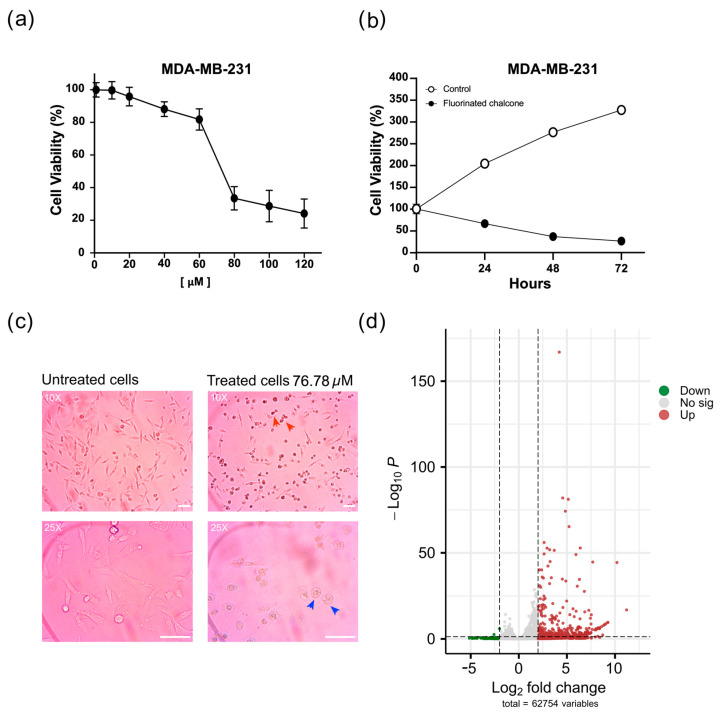 Figure 1
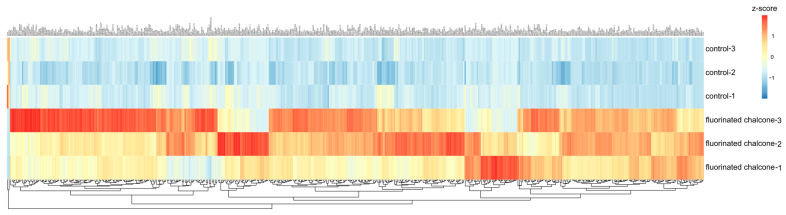 Figure 2
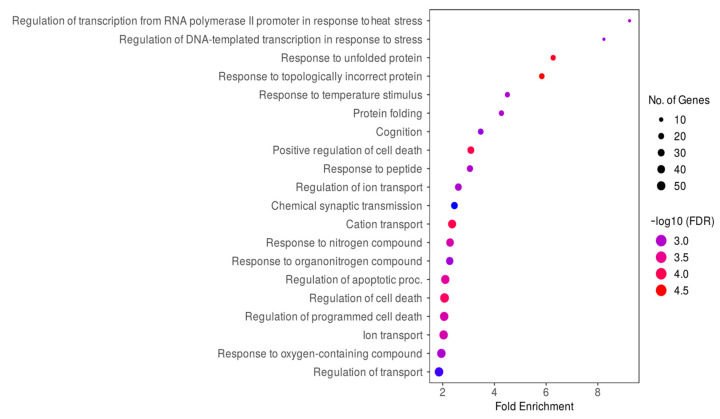 Figure 3
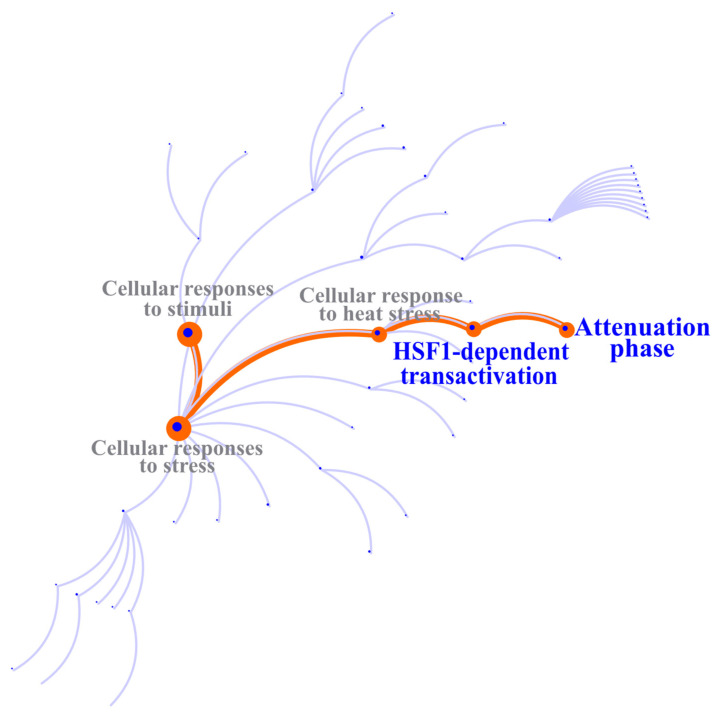 Figure 4
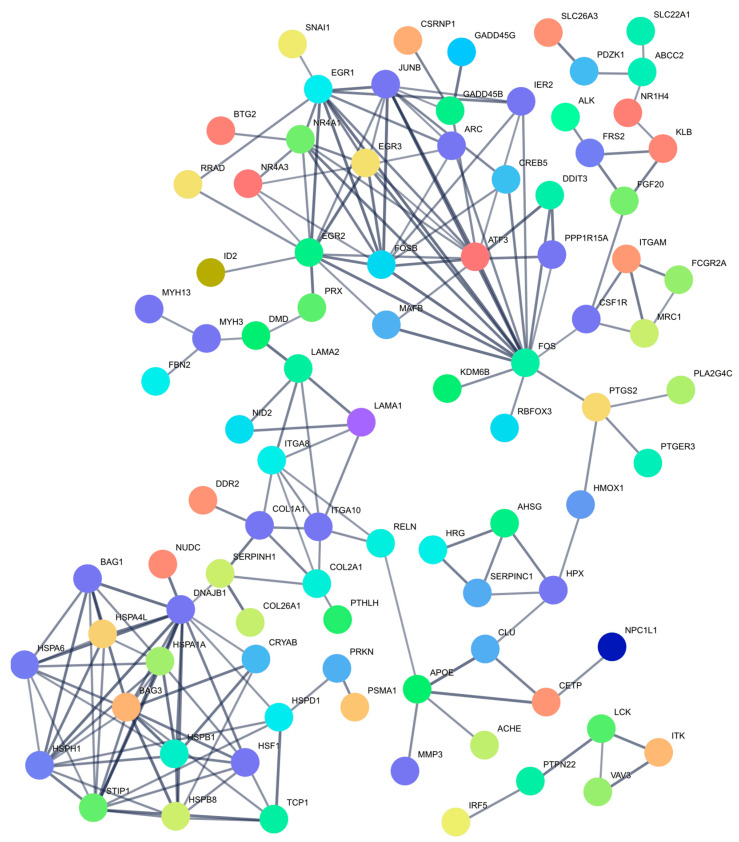 Figure 5
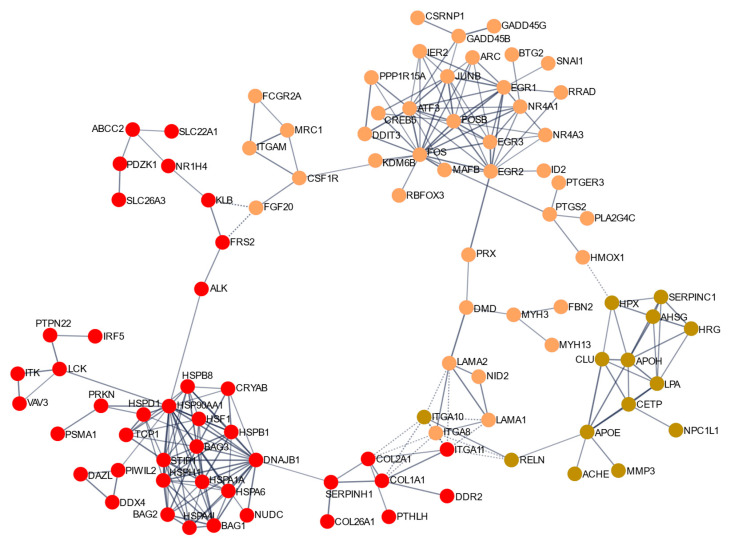 Figure 6
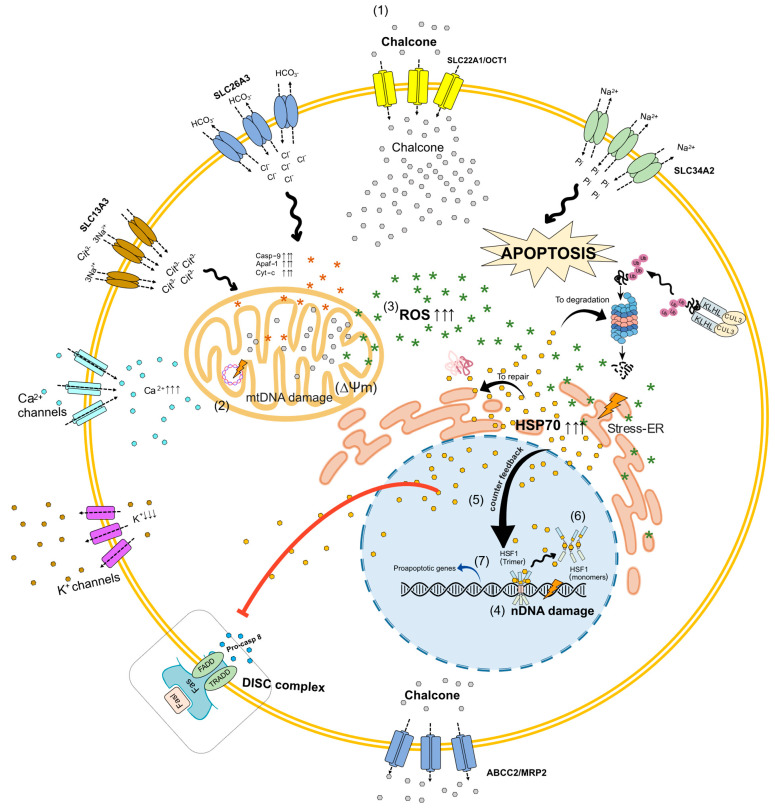 Figure 7
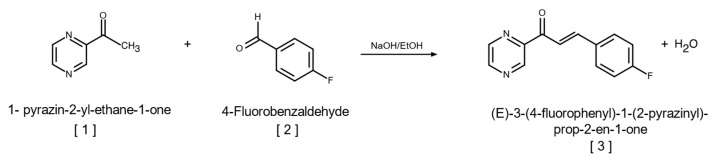 Figure 8
Peer Reviews
No public reviews on file for this paper yet. If you reviewed it on a platform where reviews are public (OpenReview, ICLR, NeurIPS, ICML), you can paste yours below so the community can read it here.
Videos
No videos yet. Explain this paper in a talk, walkthrough, or lecture? Add one.
Taxonomy
TopicsGenomics, phytochemicals, and oxidative stress · Nitrogen and Sulfur Effects on Brassica · ATP Synthase and ATPases Research