Percutaneous Treatment of Traumatic A3 Burst Fractures of the Thoracolumbar Junction Without Neurological Impairment: The Role of Timing and Characteristics of Fragment Blocks on Ligamentotaxis Efficiency
Mario De Robertis, Leonardo Anselmi, Ali Baram, Maria Pia Tropeano, Emanuela Morenghi, Daniele Ajello, Giorgio Cracchiolo, Gabriele Capo, Massimo Tomei, Alessandro Ortolina, Maurizio Fornari, Carlo Brembilla

TL;DR
This study shows that early surgery improves spinal recovery in patients with certain thoracolumbar fractures.
Contribution
The study identifies the impact of surgical timing and fragment block characteristics on ligamentotaxis effectiveness in A3 burst fractures.
Findings
Early surgery (<72 h) significantly improves spinal canal area and local kyphotic angle.
Fragment height ratio correlates with spinal canal area improvement.
Percutaneous short-segment fixation is effective for thoracolumbar A3 fractures without neurological issues.
Abstract
Background: This study aims to evaluate how surgical timing and the radiological characteristics of fragment blocks can affect the effectiveness of ligamentotaxis, in restoring the spinal canal area, and local kyphosis in adults with traumatic thoracolumbar A3 burst fractures without neurological impairment treated with percutaneous short-segment fixation. Methods: A retrospective observational study was conducted between January 2016 and December 2022 on neurologically intact adult patients with a single A3 thoracolumbar fracture. Data collected included demographics, injury mechanism, fracture level, and clinical and surgical details. Radiological assessments included spinal canal area, local kyphotic angle, anterior and posterior vertebral heights, and fragment block measurements. Results: Out of 101 treated patients, 9 met the criteria with a mean age of 52.22 years. Most fractures…
Genes, proteins, chemicals, diseases, species, mutations and cell lines named across the full text — each resolved to its canonical identifier and authoritative record.
Click any figure to enlarge with its caption.
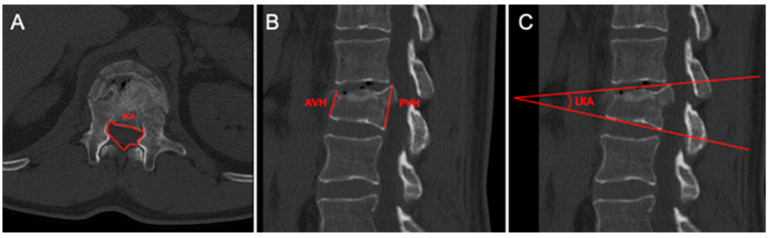 Figure 1
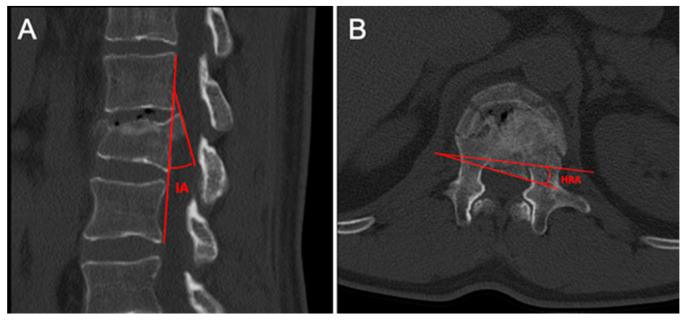 Figure 2
 Figure 3
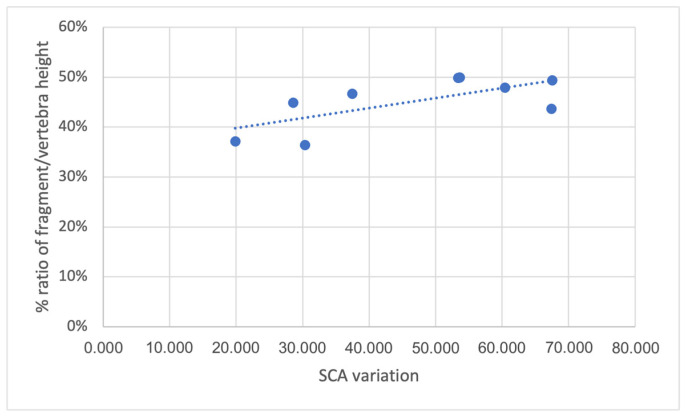 Figure 4
Peer Reviews
No public reviews on file for this paper yet. If you reviewed it on a platform where reviews are public (OpenReview, ICLR, NeurIPS, ICML), you can paste yours below so the community can read it here.
Videos
No videos yet. Explain this paper in a talk, walkthrough, or lecture? Add one.
Taxonomy
TopicsSpinal Fractures and Fixation Techniques · Spine and Intervertebral Disc Pathology · Pelvic and Acetabular Injuries