Evaluation of the Decrease in DPOAE Levels After VEMP Testing in Clinical Patients Referred to the Vertigo Outpatient Clinic
Shinnosuke Asakura, Teru Kamogashira, Hideaki Funayama, Toshitaka Kataoka, Shizuka Shoji, Megumi Koizumi, Shinichi Ishimoto, Tatsuya Yamasoba

TL;DR
This study found that VEMP testing, which uses loud sounds, can temporarily reduce DPOAE levels, especially at certain frequencies, and this effect may be more pronounced in older patients.
Contribution
The study provides evidence that VEMP testing can cause a measurable decrease in DPOAE levels, highlighting its potential invasiveness.
Findings
DPOAE levels significantly decreased after VEMP testing at multiple frequencies, including 1.4 kHz, 2 kHz, and 2.8 kHz.
The decrease in DPOAE levels at 6 kHz was significantly correlated with age but not with sex or side.
The observed DPOAE reductions suggest that VEMP testing may have an acoustic stimulation effect on the cochlea.
Abstract
Background/Objectives: The objective of this study is to determine whether the strong acoustic stimuli used in vestibular evoked myogenic potential (VEMP) testing contribute to distortion product otoacoustic emission (DPOAE) level reduction due to noise-induced hearing loss. Methods: The DPOAE levels were measured routinely to evaluate vestibular balance disorders with sensorineural hearing loss and to monitor changes in cochlear function before and after VEMP. The changes in DPOAE levels after VEMP testing in 174 patients (80 males and 94 females; median age, 53 years [interquartile range, 39–67 years; range, 15–85 years]) who were examined in the vertigo outpatient clinic between June 2021 and December 2024 were retrospectively analyzed. Results: The DPOAE levels decreased significantly after VEMP testing at 1.4 kHz, 2 kHz, 2.8 kHz, sum all 1/2 octave, and average 1/2 octave (1–6…
Genes, proteins, chemicals, diseases, species, mutations and cell lines named across the full text — each resolved to its canonical identifier and authoritative record.
Click any figure to enlarge with its caption.
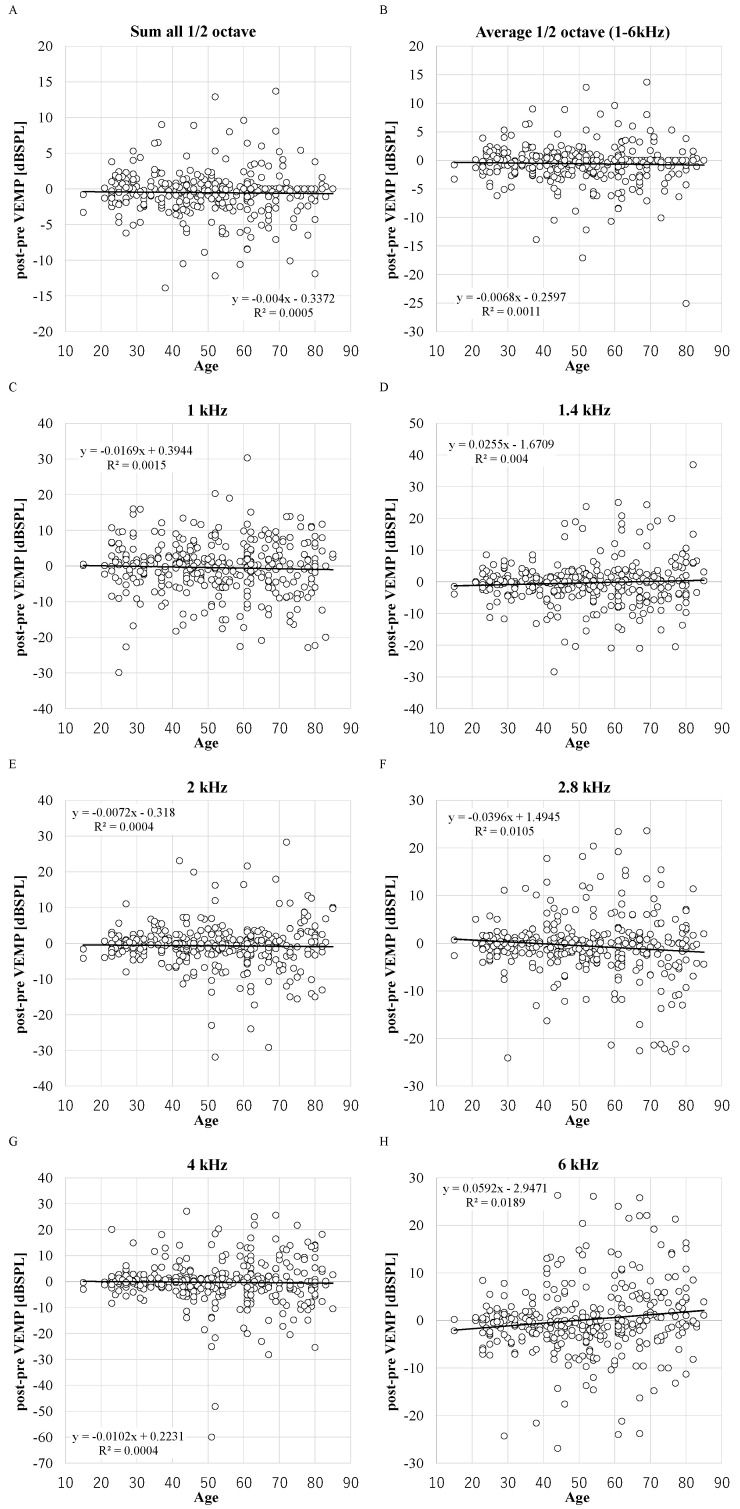 Figure 1
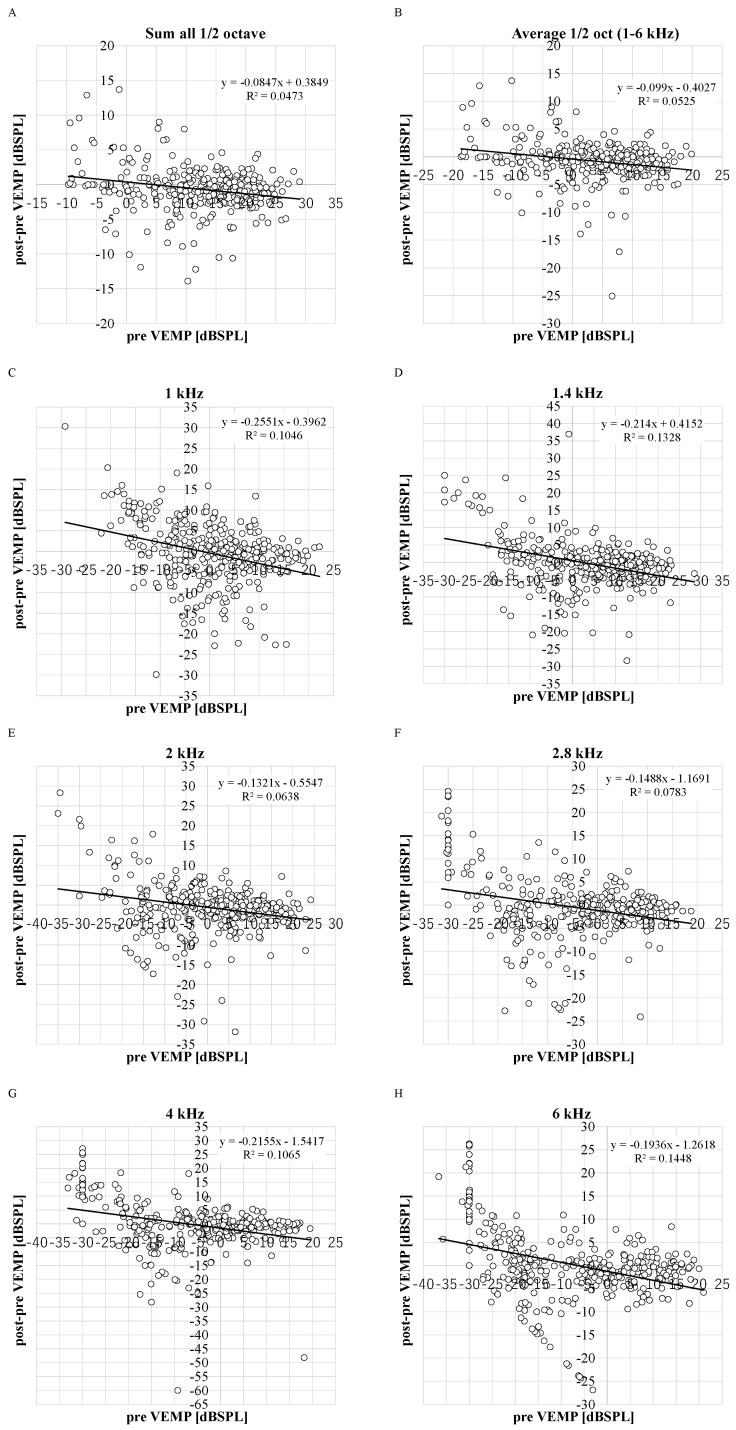 Figure 2
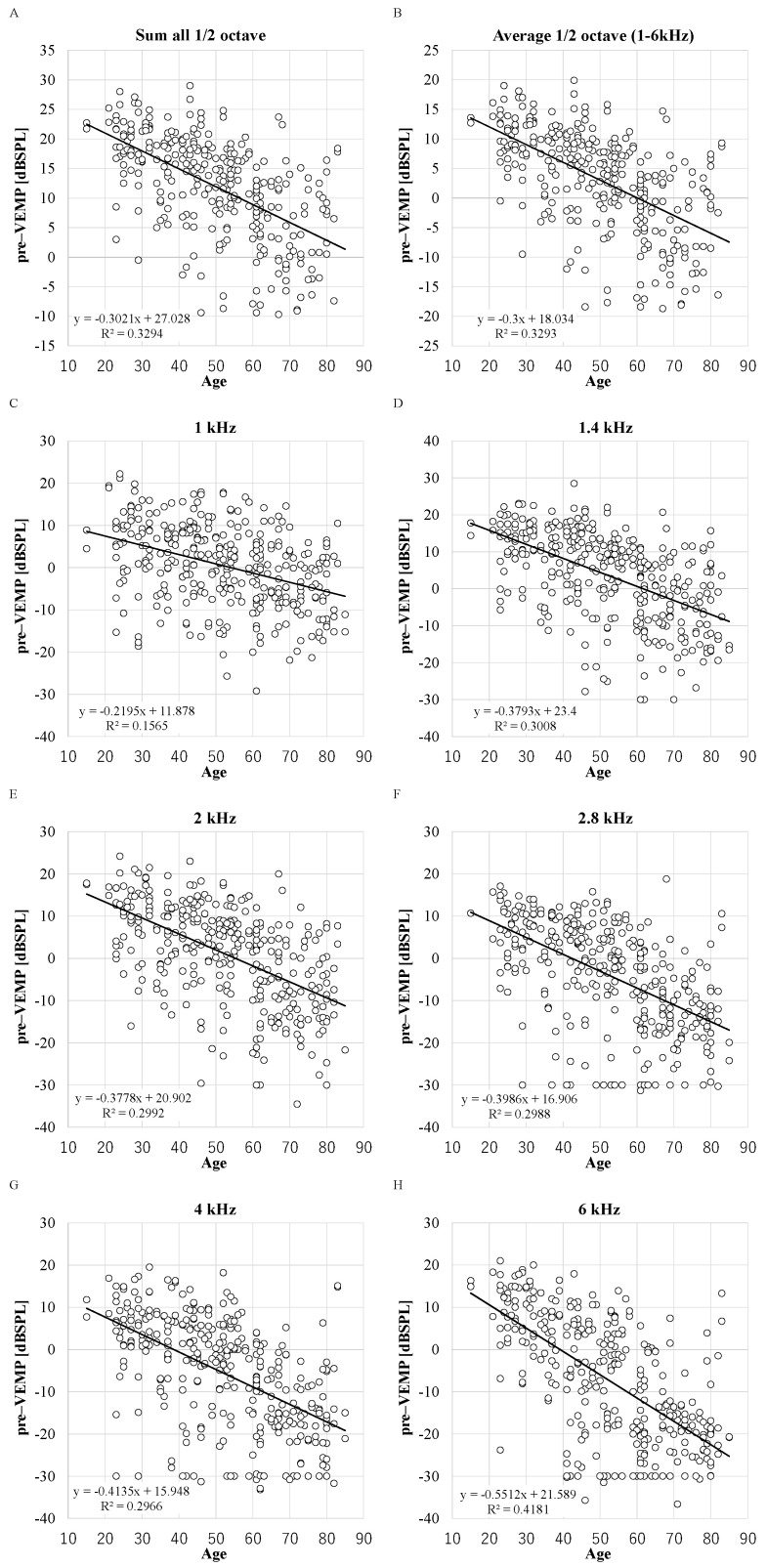 Figure 3
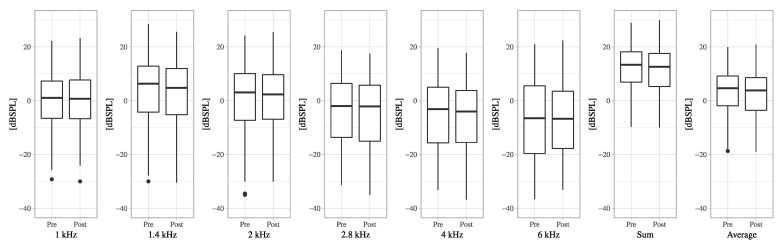 Figure 4
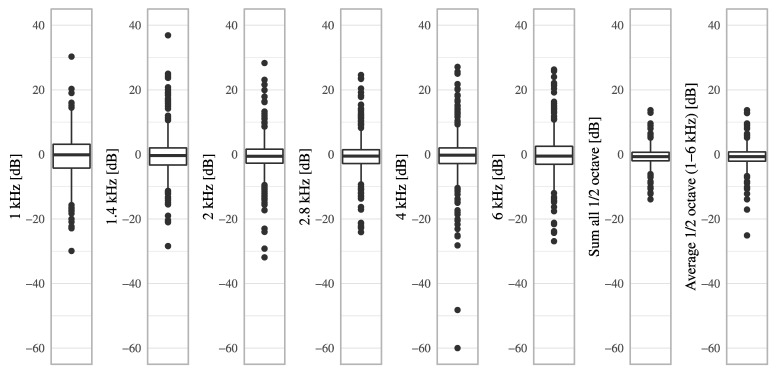 Figure 5
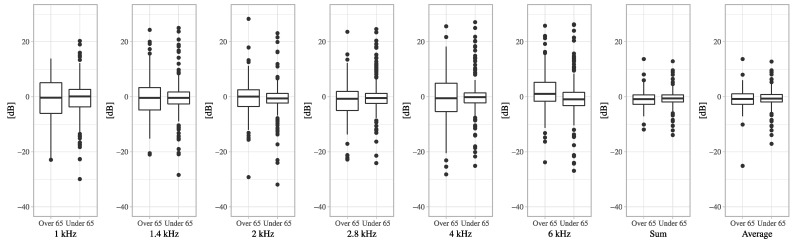 Figure 6
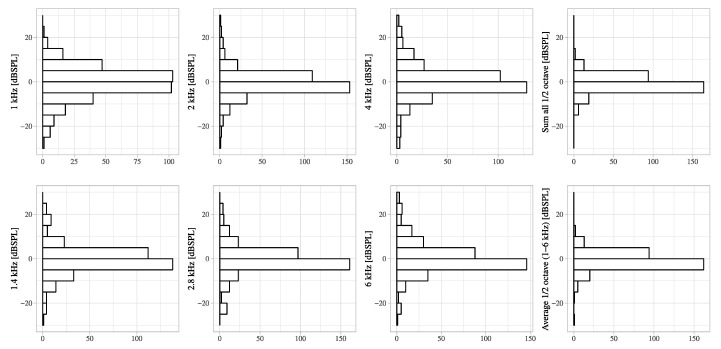 Figure 7
Peer Reviews
No public reviews on file for this paper yet. If you reviewed it on a platform where reviews are public (OpenReview, ICLR, NeurIPS, ICML), you can paste yours below so the community can read it here.
Videos
No videos yet. Explain this paper in a talk, walkthrough, or lecture? Add one.
Taxonomy
TopicsVestibular and auditory disorders · Hearing, Cochlea, Tinnitus, Genetics · Noise Effects and Management