Genome-Wide Identification and Transcriptome Analysis of P450 Superfamily Genes in Flax (Linum usitatissimum L.)
Yang Wu, Rula Sa, Yingnan Mu, Yu Zhou, Zhiwei Li, Xixia Song, Lili Tang, Dandan Liu, Liuxi Yi

TL;DR
This study identifies and analyzes P450 genes in flax, which may help reduce toxic cyanogenic glycosides through genetic engineering.
Contribution
The study provides a comprehensive genome-wide identification and transcriptome analysis of P450 genes in flax, linking them to cyanogenic glycoside synthesis.
Findings
412 P450 genes were identified in the flax genome, distributed across 15 chromosomes.
Eleven P450 genes were found to be potentially involved in cyanogenic glycoside synthesis.
Transcriptome analysis was validated using RT-qPCR, confirming gene expression patterns.
Abstract
Flax (Linum usitatissimum L.) seed is rich in α-linolenic acid, lignans, and fiber, which have potential health benefits. However, the potential toxicity of its cyanogenic glycosides limits its widespread use. The cytochrome P450 gene family is one of the largest gene families in plants and is involved in synthesizing phytohormones, secondary metabolites, and various defense compounds. Two P450 genes have been found to be important enzymes for the biosynthesis of cyanogenic glycosides in common sorghum (Sorghum bicolor (L.) Moench). However, the P450 gene family and its involvement in cyanogenic glycoside synthesis have been less studied in flax. In previous studies, we assembled a high-quality flax genome. In this study, a total of 412 P450 genes were identified in the flax genome, with molecular weights in the range of 7.42 kDa to 154.5 kDa and encoding amino acid lengths between 67…
Genes, proteins, chemicals, diseases, species, mutations and cell lines named across the full text — each resolved to its canonical identifier and authoritative record.
Click any figure to enlarge with its caption.
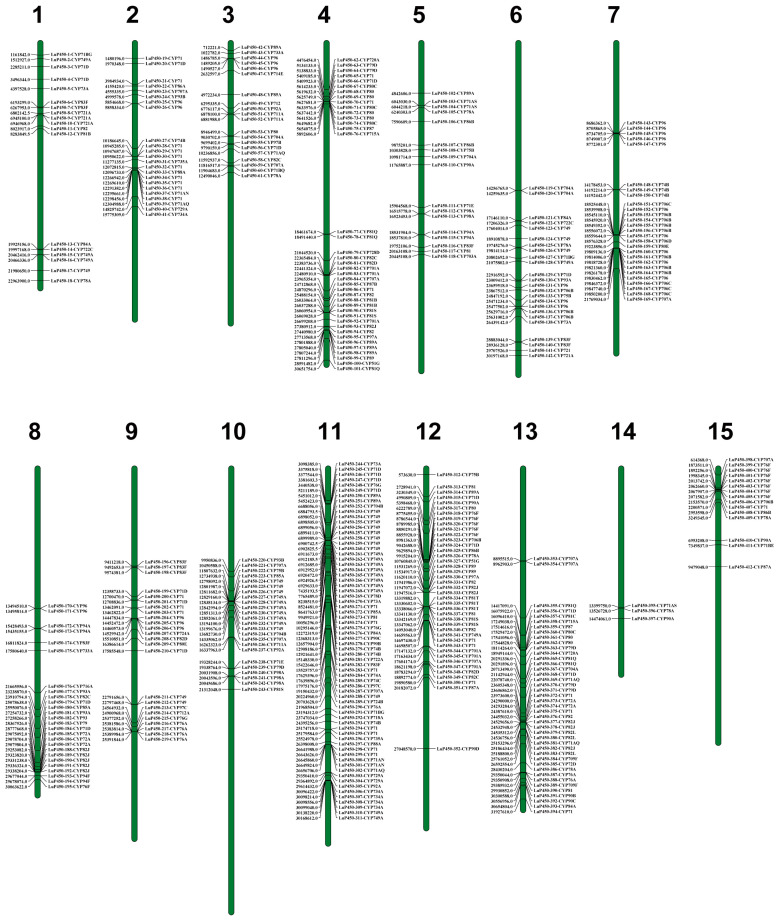 Figure 1
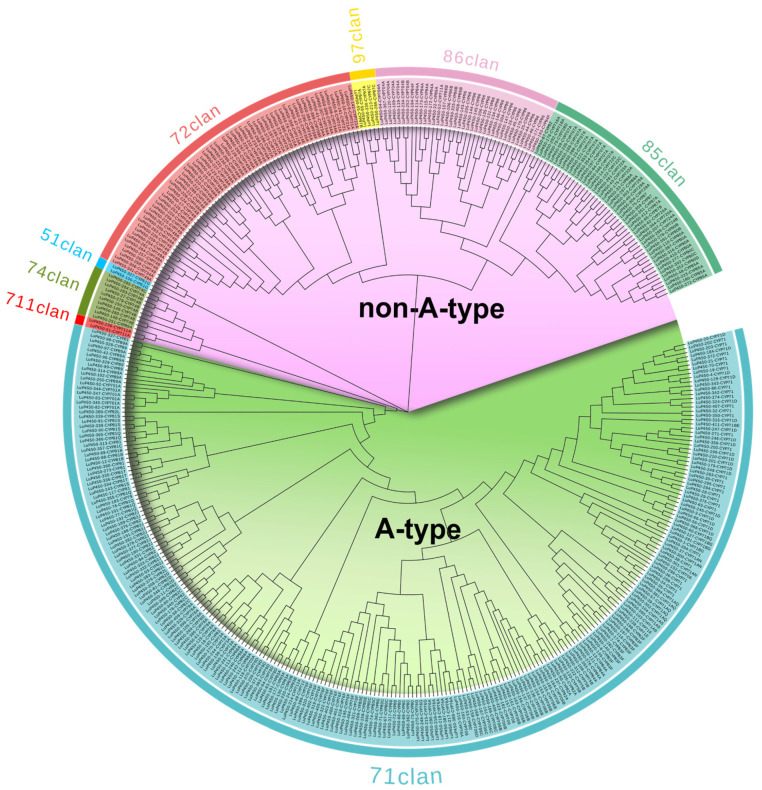 Figure 2
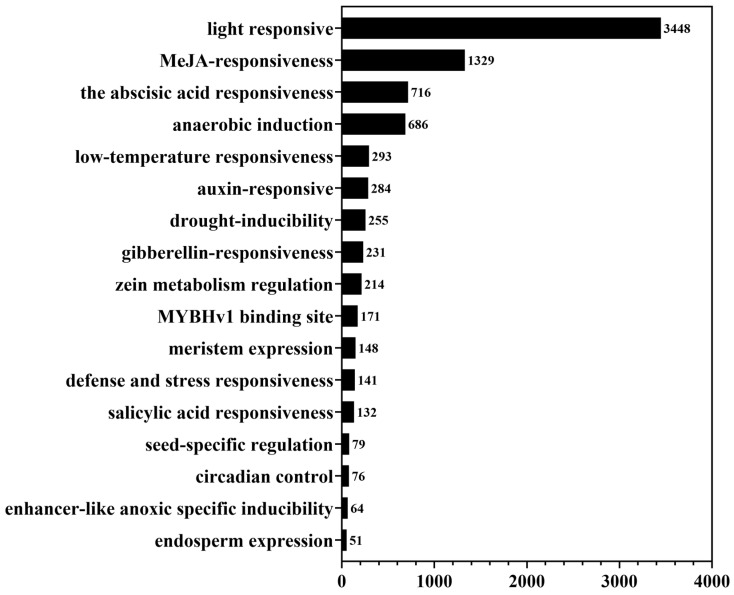 Figure 3
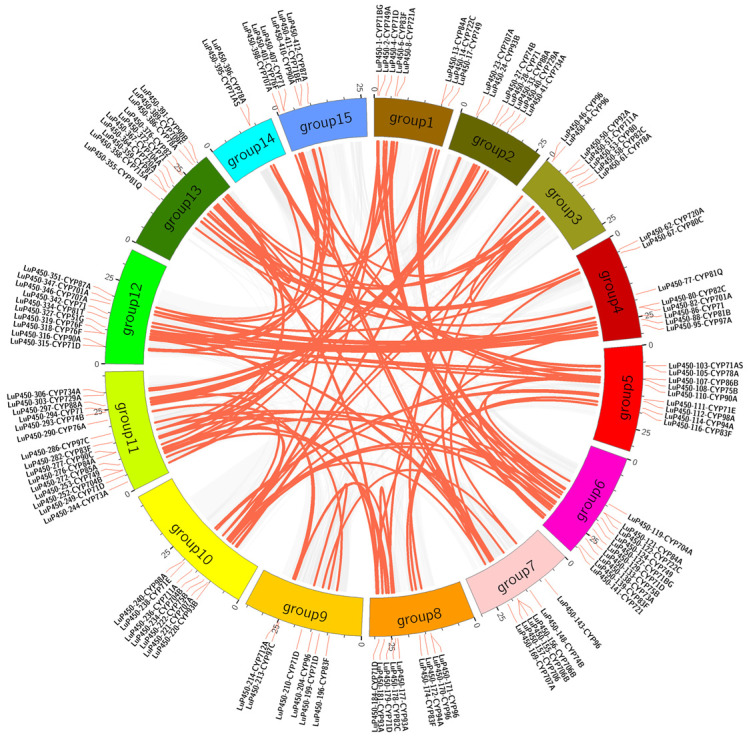 Figure 4
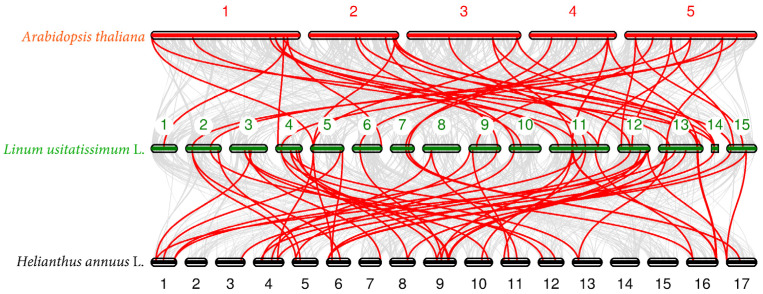 Figure 5
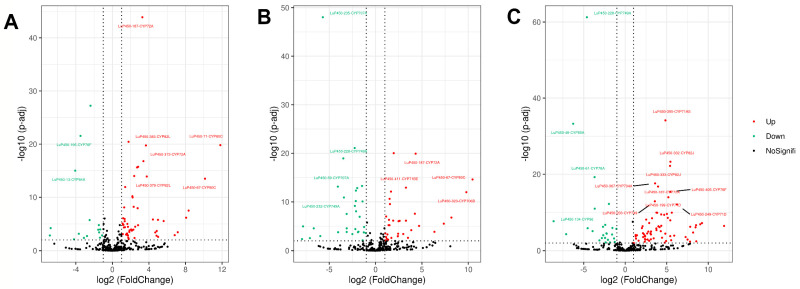 Figure 6
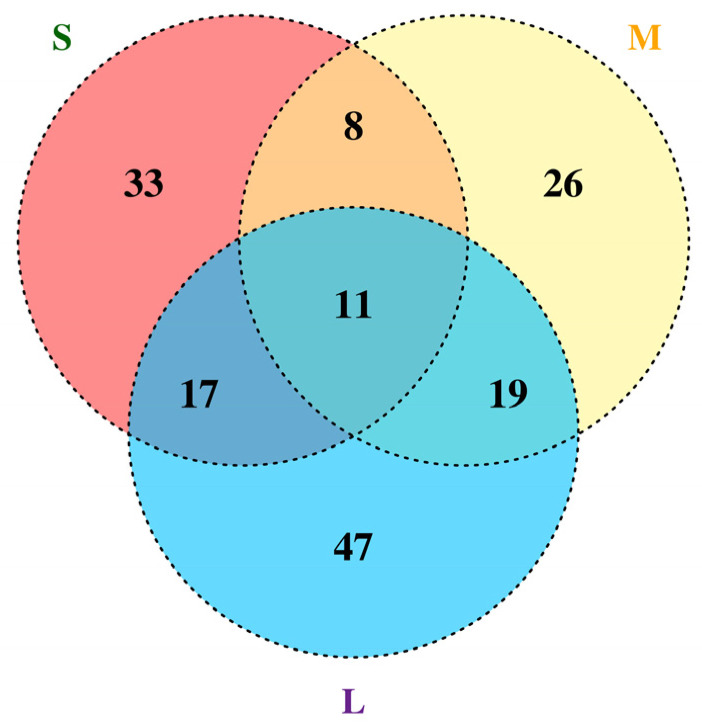 Figure 7
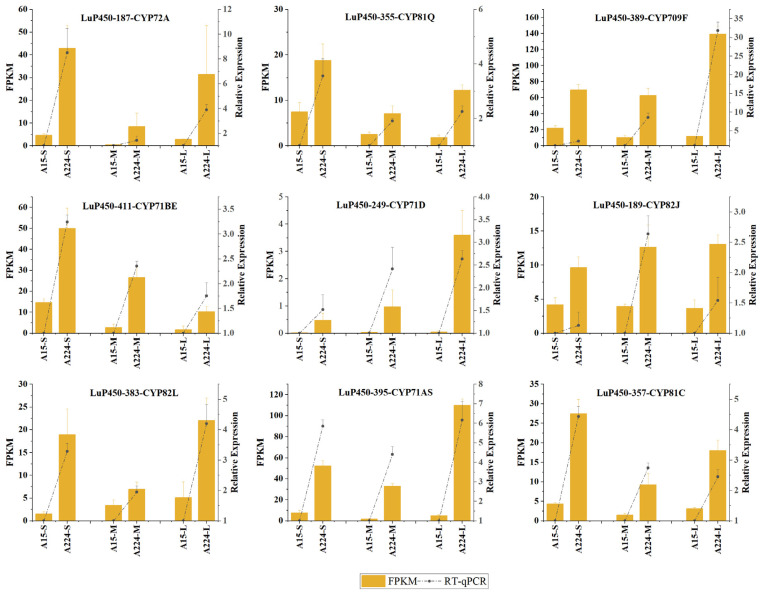 Figure 8
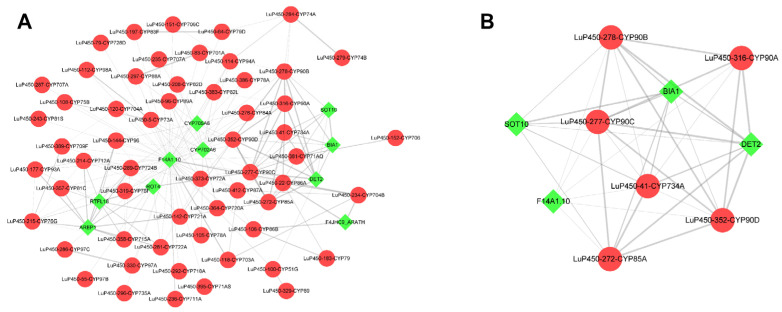 Figure 9
Peer Reviews
No public reviews on file for this paper yet. If you reviewed it on a platform where reviews are public (OpenReview, ICLR, NeurIPS, ICML), you can paste yours below so the community can read it here.
Videos
No videos yet. Explain this paper in a talk, walkthrough, or lecture? Add one.
Taxonomy
TopicsCassava research and cyanide · Plant responses to water stress