Passive Leg-Raising Test as a Predictor for the Drop in Blood Pressure After a Lumbar Epidural Block in the Pain Clinic: A Prospective Observational Study
Cho-Long Kim, Seung-Wan Hong, Yun-Do Jung, Sung-Yeon Jung, Seong-Hyop Kim

TL;DR
This study shows that a passive leg-raising test can predict blood pressure drops after a lumbar epidural block in pain clinics.
Contribution
The study identifies specific thresholds for height and blood pressure change during a test to predict significant post-block hypotension.
Findings
Changes in blood pressure during the passive leg-raising test correlate with post-epidural block blood pressure changes.
Patients with height below 156.5 cm and blood pressure change over 5.5 mmHg during the test are at higher risk for significant post-block hypotension.
Underlying hypertension and lower height are significant risk factors for a greater than 20% drop in mean blood pressure after the block.
Abstract
Background: Hypotension following lumbar epidural blocks is a concern in pain management, and predicting this complication remains challenging. Methods: Patients who received a transforaminal lumbar epidural block were enrolled. Before the epidural block, the PLRT was performed, and systolic, diastolic, and mean BP were measured. The BP measurements were taken again after the epidural block. The correlations between changes in BP before and after the PLRT, and changes in BP before and after the epidural block, were analyzed. The risk factors for a greater than 20% decrease in the mean BP after the epidural block were also analyzed. Results: The changes in BP, except diastolic BP before and after the PLRT, were correlated with the changes in the BP before and after the epidural block. Patients with more than a 20% decrease in mean BP after the epidural block had significantly lower…
Genes, proteins, chemicals, diseases, species, mutations and cell lines named across the full text — each resolved to its canonical identifier and authoritative record.
Click any figure to enlarge with its caption.
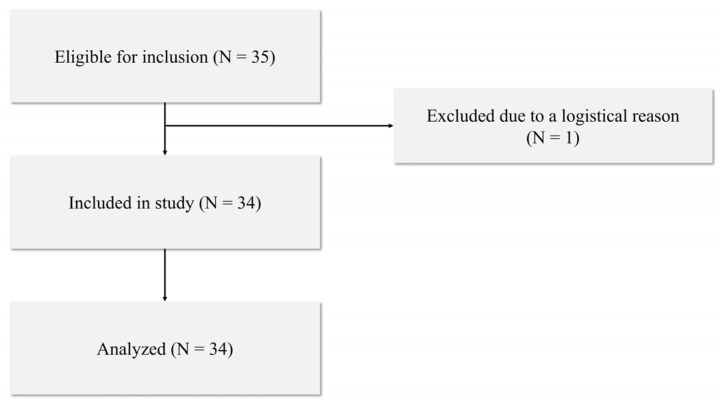 Figure 1
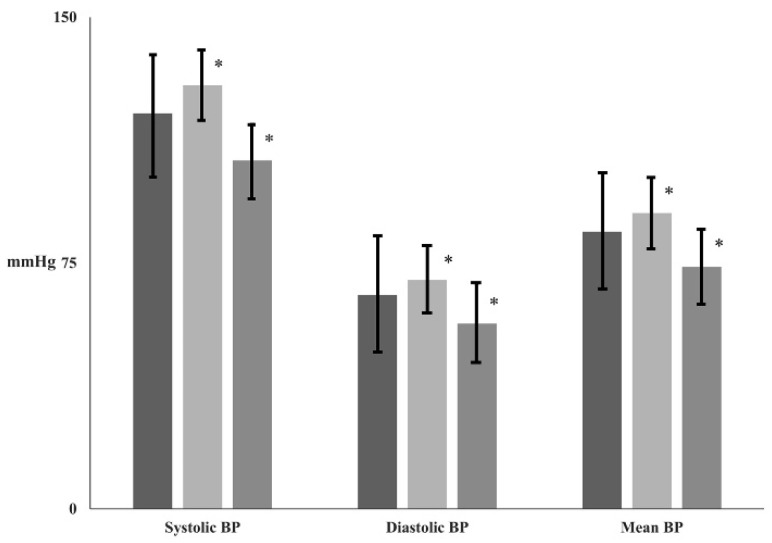 Figure 2
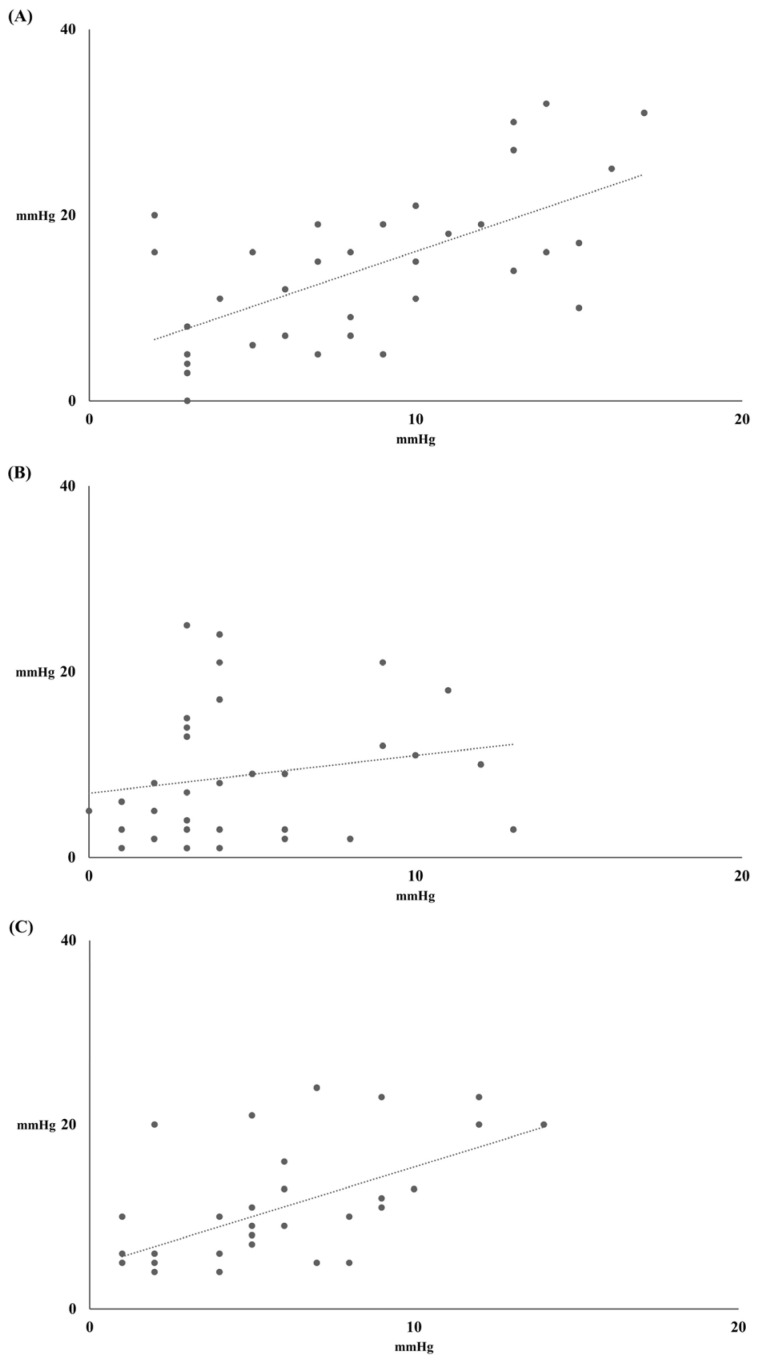 Figure 3
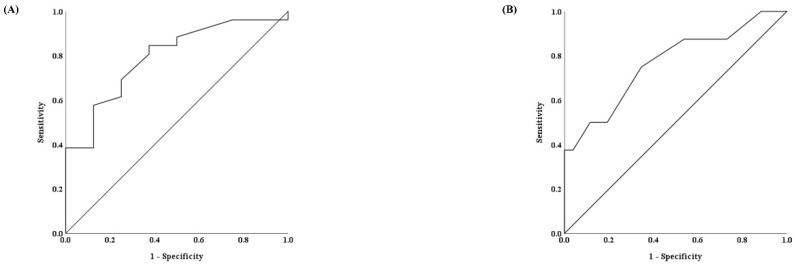 Figure 4
 Figure 5
 Figure 6
 Figure 7
Peer Reviews
No public reviews on file for this paper yet. If you reviewed it on a platform where reviews are public (OpenReview, ICLR, NeurIPS, ICML), you can paste yours below so the community can read it here.
Videos
No videos yet. Explain this paper in a talk, walkthrough, or lecture? Add one.
Taxonomy
TopicsHemodynamic Monitoring and Therapy · Anesthesia and Pain Management · Cardiovascular Syncope and Autonomic Disorders