Optimizing Factors in Murine Whole-Organ Cochlea Culture
Andrea Tröger, Werner Bader, Timo Gottfried, Matthias Santer, Charles Schmit, Anneliese Schrott-Fischer, Joachim Schmutzhard

TL;DR
Researchers optimized a method to culture cochleae from 10-day-old mice, preserving all cell types using neurotrophins and mild hypothermia.
Contribution
The study introduces neurotrophins and mild hypothermia to extend cochlea culture methods to older mice.
Findings
Adding Bdnf and Ntf3 to the culture medium ensures survival of all cochlear cell types in 10-day-old mice.
Culturing at 32 °C preserves cochlear cell viability and structure similar to in vivo conditions.
The modified method allows successful 3D cochlea culture beyond early postnatal stages.
Abstract
In 2008, Hahn et al. presented a method for cultivating a 3D organ culture of the cochlea. Although this method is well established, it is currently only applied to early postnatal animals. Given the known differences in regeneration and repair abilities between early postnatal and adult mammalian cochleae, our goal was to further develop and optimize this method to extend it beyond early postnatal animals to include adult mammalian cochleae. After rapidly dissecting the cochlea, it is opened and placed in a neurotrophin-containing culture medium. The culture is then maintained at 32 °C in a rotating bioreactor for 24 h. The combination of mild hypothermia (32 °C), quick cochlea dissection, and the addition of 10 ng/mL of Brain-derived neurotrophic factor (Bdnf) and 5 ng/mL of Neurotrophin 3 (Ntf3) to the culture medium ensures the complete cell survival of all cochlear cell types in…
Genes, proteins, chemicals, diseases, species, mutations and cell lines named across the full text — each resolved to its canonical identifier and authoritative record.
Click any figure to enlarge with its caption.
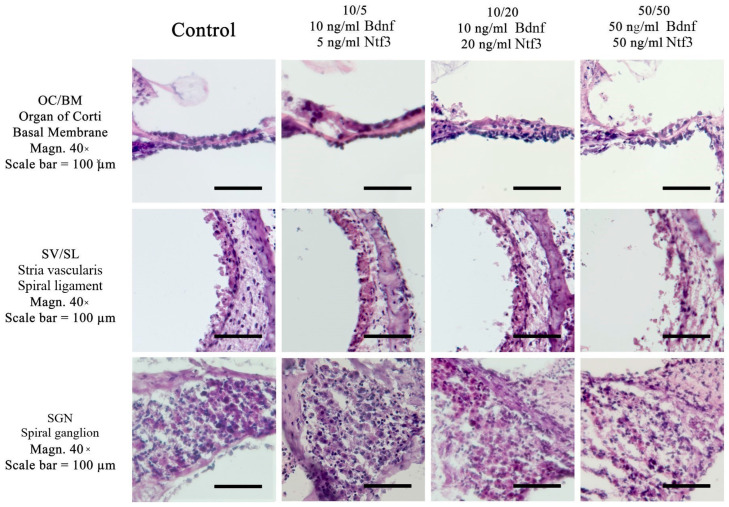 Figure 1
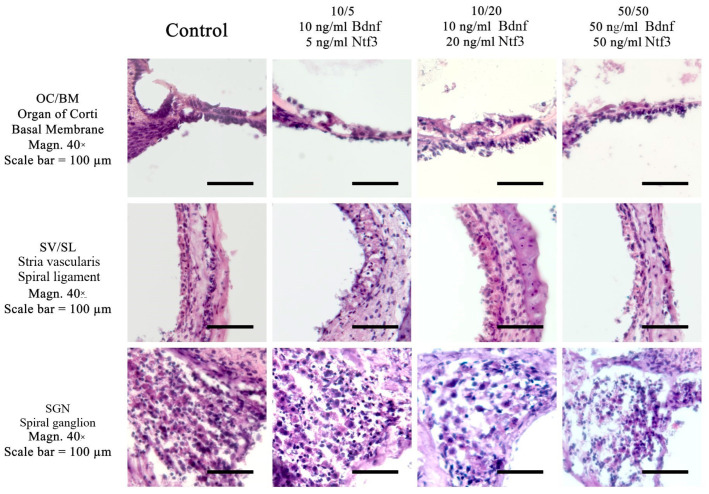 Figure 2
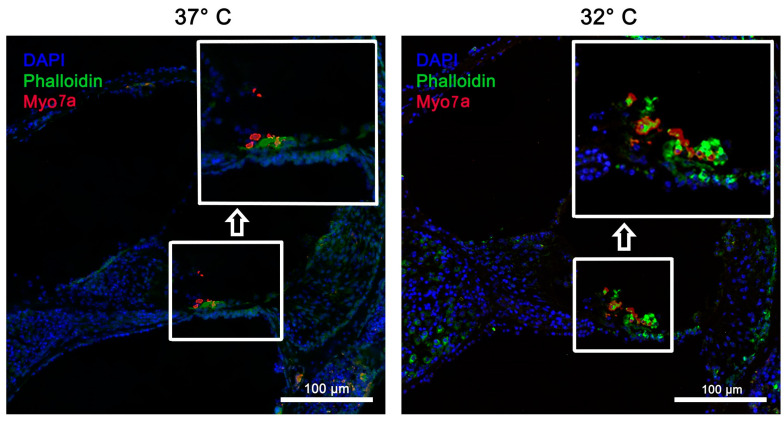 Figure 3
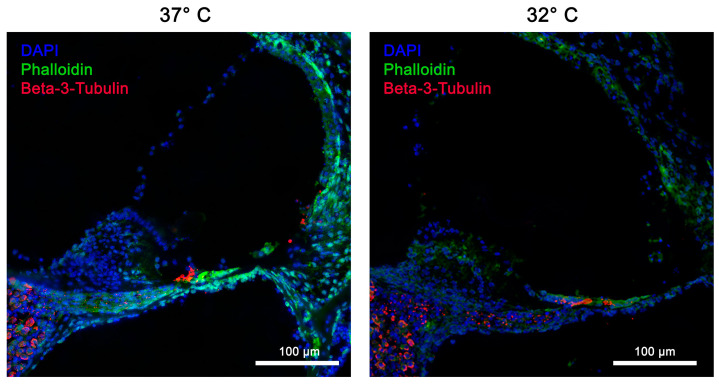 Figure 4
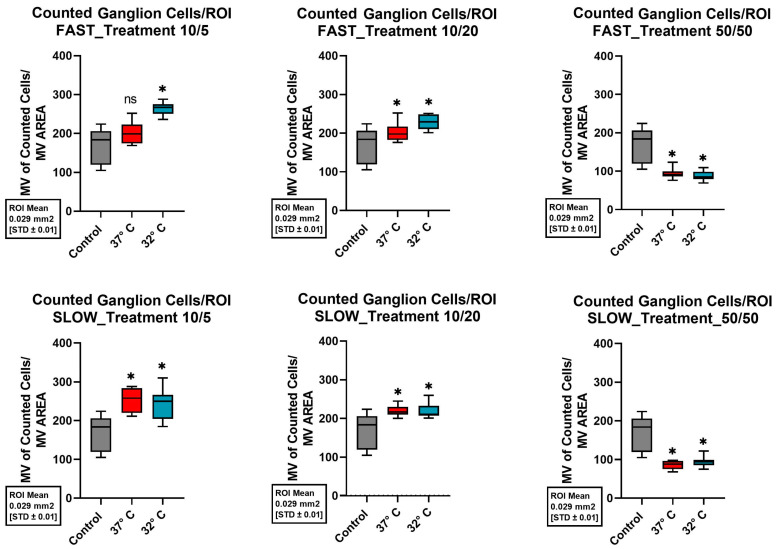 Figure 5
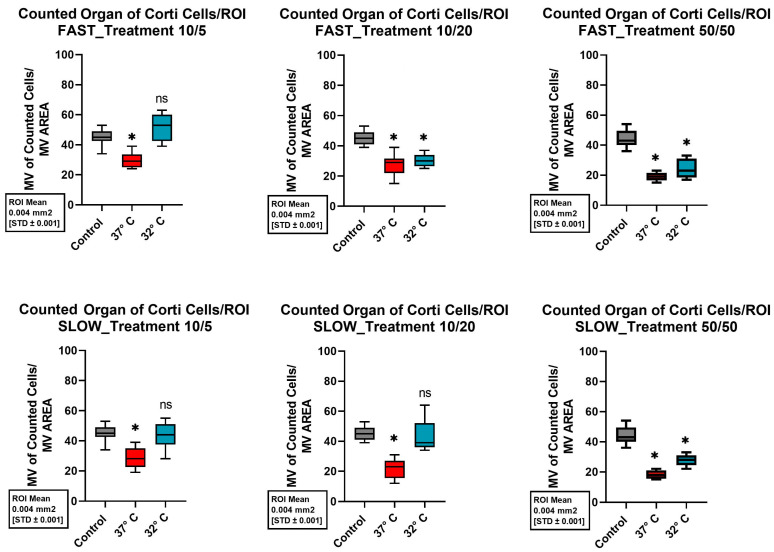 Figure 6
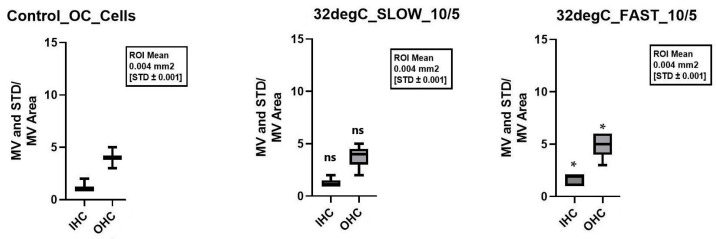 Figure 7
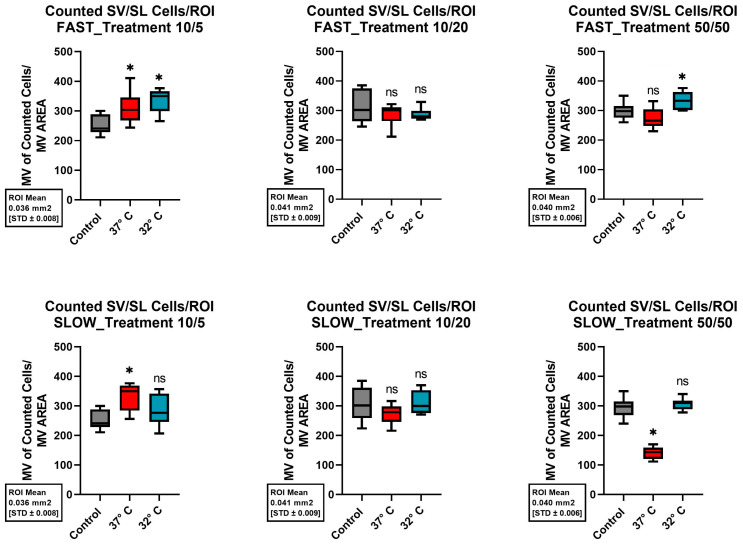 Figure 8
Peer Reviews
No public reviews on file for this paper yet. If you reviewed it on a platform where reviews are public (OpenReview, ICLR, NeurIPS, ICML), you can paste yours below so the community can read it here.
Videos
No videos yet. Explain this paper in a talk, walkthrough, or lecture? Add one.
Taxonomy
TopicsAnesthesia and Neurotoxicity Research · Hearing, Cochlea, Tinnitus, Genetics