Species Composition and Ecological Aspects of Immature Mosquitoes (Diptera: Culicidae) in Phytotelmata in Cantareira State Park, São Paulo, Brazil
Walter Ceretti-Junior, Antonio Ralph Medeiros-Sousa, Marcia Bicudo de Paula, Eduardo Evangelista, Karolina Morales Barrio-Nuevo, Ramon Wilk-da-Silva, Rafael Oliveira-Christe, Mauro Toledo Marrelli

TL;DR
This study explores mosquito species in plant-based water habitats in a Brazilian park, finding that these environments support diverse mosquitoes, including disease vectors.
Contribution
The study provides new insights into the diversity and ecological role of phytotelmata as mosquito breeding sites in a region with disease outbreaks.
Findings
Bromeliads had the highest mosquito species richness and diversity compared to tree holes and bamboo internodes.
Important disease vectors like Anopheles cruzii and Haemagogus leucocelaenus were identified in the study area.
Phytotelmata serve as critical habitats for maintaining mosquito populations near urban centers.
Abstract
Several mosquito species, including some that spread disease-causing pathogens, use cavities, depressions, and other plant structures, where rainwater can accumulate, as breeding sites. This study compared the diversity of mosquito species found in bromeliads, tree holes, and bamboo internodes in Cantareira State Park, São Paulo, Brazil, an area with reported yellow fever outbreaks in monkeys and the presence of malaria-causing parasites. We collected immature mosquitoes over 27 months, identifying 49 species from 11 genera. The bromeliads had the highest number and variety of mosquito species among the phytotelmata studied. The results showed that these microenvironments can support a wide range of mosquito species, including Anopheles cruzii, an important malaria vector in the Brazilian Atlantic Forest, the sylvatic yellow fever virus carrier Haemagogus leucocelaenus, and Aedes…
Genes, proteins, chemicals, diseases, species, mutations and cell lines named across the full text — each resolved to its canonical identifier and authoritative record.
Click any figure to enlarge with its caption.
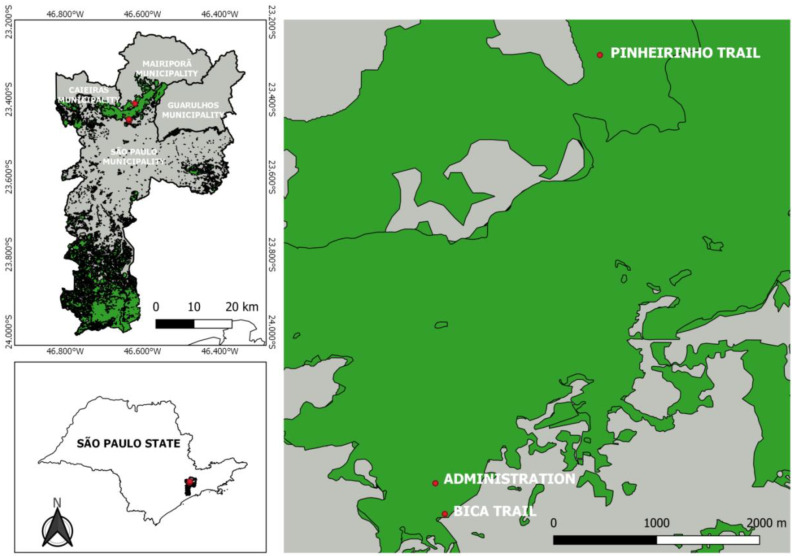 Figure 1
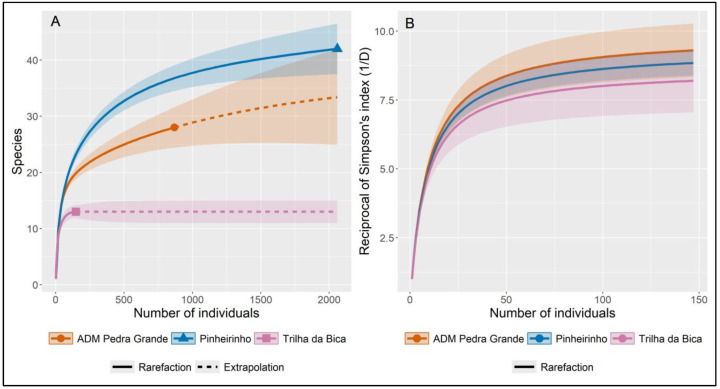 Figure 2
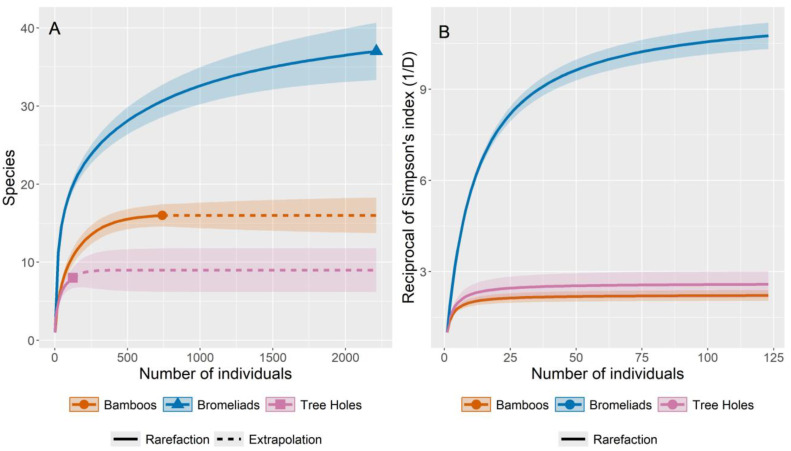 Figure 3
Peer Reviews
No public reviews on file for this paper yet. If you reviewed it on a platform where reviews are public (OpenReview, ICLR, NeurIPS, ICML), you can paste yours below so the community can read it here.
Videos
No videos yet. Explain this paper in a talk, walkthrough, or lecture? Add one.
Taxonomy
TopicsMosquito-borne diseases and control · Plant and animal studies · Plant Parasitism and Resistance