Molecular Insights into the Marine Gastropod Olivancillaria urceus: Transcriptomic and Proteopeptidomic Approaches Reveal Polypeptides with Putative Therapeutic Potential
Gabriel Marques de Barros, Letícia Fontes Gama, Felipe Ricardo de Mello, Claudia Neves Corrêa, Louise Oliveira Fiametti, Horácio Montenegro, Cristiane Angélica Ottoni, Leandro Mantovani de Castro

TL;DR
This study explores the marine gastropod Olivancillaria urceus using molecular techniques to identify potential therapeutic polypeptides.
Contribution
The study is the first to use transcriptomic and proteopeptidomic approaches to explore the therapeutic potential of Olivancillaria urceus.
Findings
The transcriptome identified 20 toxin-like transcripts and 2179 confirmed proteome transcripts with toxin activity.
The peptide fraction revealed 9663 peptides, including sequences with potential neurotoxic activity.
Findings suggest O. urceus contains molecules with possible therapeutic applications.
Abstract
The marine environment is a rich source of new biotechnologies and products. Bottom trawling for shrimp species such as Xiphopenaeus kroyeri and Farfantepenaeus brasiliensis leads to the unintentional capture of non-target species, known as bycatch, which includes a variety of marine life that are often discarded without economic value. A common bycatch species on the southeast coast of Brazil is Olivancillaria urceus (O. urceus), a carnivorous gastropod that feeds mainly on bivalves. Despite its abundance, this species is still little studied, especially for biotechnological applications. Other gastropods such as Conus are known for their diverse and potent toxins, which offer great potential for pharmacological discoveries. In this study, an omics approach, including transcriptomics and proteopeptidomics, was applied to explore O. urceus at the molecular level. The transcriptome of…
Genes, proteins, chemicals, diseases, species, mutations and cell lines named across the full text — each resolved to its canonical identifier and authoritative record.
Click any figure to enlarge with its caption.
 Figure 1
 Figure 2
 Figure 3
 Figure 4
 Figure 5
 Figure 6
 Figure 7
 Figure 8
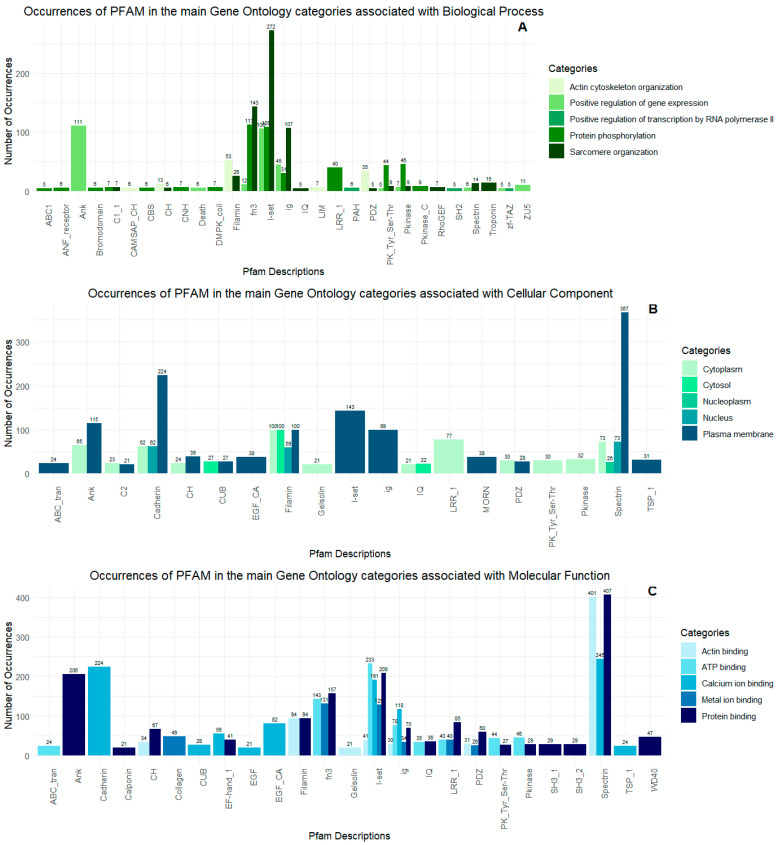 Figure 9
 Figure 10
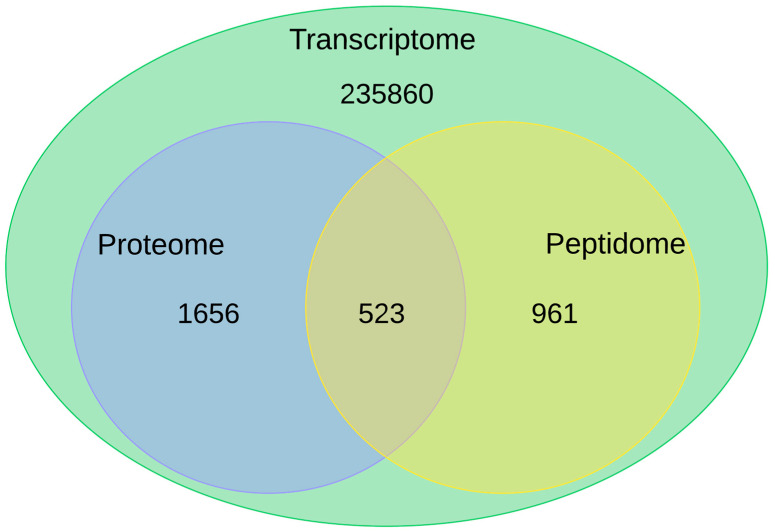 Figure 11
Peer Reviews
No public reviews on file for this paper yet. If you reviewed it on a platform where reviews are public (OpenReview, ICLR, NeurIPS, ICML), you can paste yours below so the community can read it here.
Videos
No videos yet. Explain this paper in a talk, walkthrough, or lecture? Add one.
Taxonomy
TopicsAntimicrobial Peptides and Activities · Nicotinic Acetylcholine Receptors Study · Protein Hydrolysis and Bioactive Peptides