Virus-Free Micro-Corm Induction and the Mechanism of Corm Development in Taro
Shenglin Wang, Yao Xiao, Zihao Li, Tao Liu, Jiarui Cui, Bicong Li, Qianglong Zhu, Sha Luo, Nan Shan, Jingyu Sun, Yingjin Huang, Qinghong Zhou

TL;DR
This study shows how to grow virus-free micro-corms in taro and identifies genes involved in corm development.
Contribution
The study introduces a virus-free micro-corm induction method and identifies key genes in taro corm development.
Findings
Shoot apical meristems can grow into virus-free plantlets on specific growth media.
Abscisic acid and sucrose treatments induce corm formation and activate cell division and metabolism genes.
Cell division occurs during corm formation, while carbohydrate synthesis happens during expansion.
Abstract
Taro (Colocasia esculenta (L.) Schott) is the fifth largest rhizome crop, and it is widely distributed in tropical and subtropical areas in the world. Vegetative propagation with virus-infected corms can lead to cultivar degradation, yield decline, and quality deterioration. In this study, the shoot apical meristems excised from taro corms infected with dasheen mosaic virus, which belongs to the genus Potyvirus in the family Potyviridae, were cultured and treated with exogenous abscisic acid and high sucrose concentrations to induce micro-corm formation. Subsequently, candidate genes involved in micro-corm expansion were screened via transcriptome sequencing analysis. The results revealed that the shoot apical meristems could grow into adventitious shoots on the medium 1 mg/L 6-benzylaminopurine + 0.3 mg/L 1-naphthaleneacetic acid, and reverse transcription–polymerase chain reaction…
Genes, proteins, chemicals, diseases, species, mutations and cell lines named across the full text — each resolved to its canonical identifier and authoritative record.
Click any figure to enlarge with its caption.
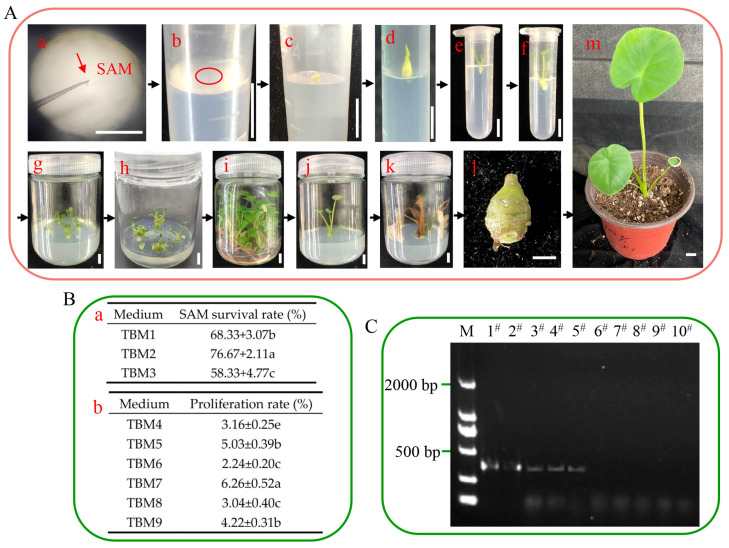 Figure 1
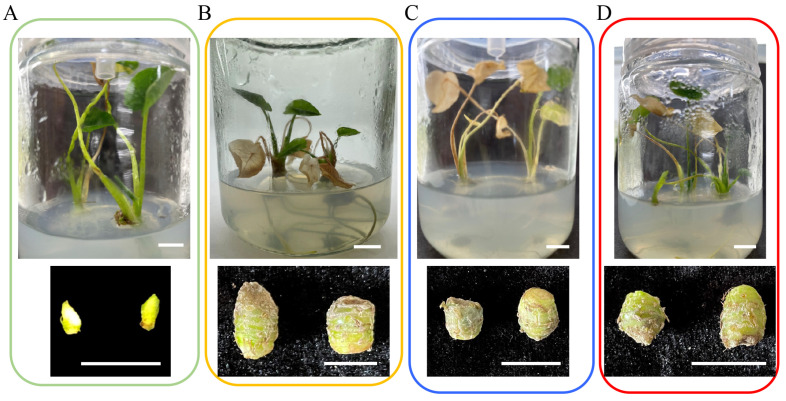 Figure 2
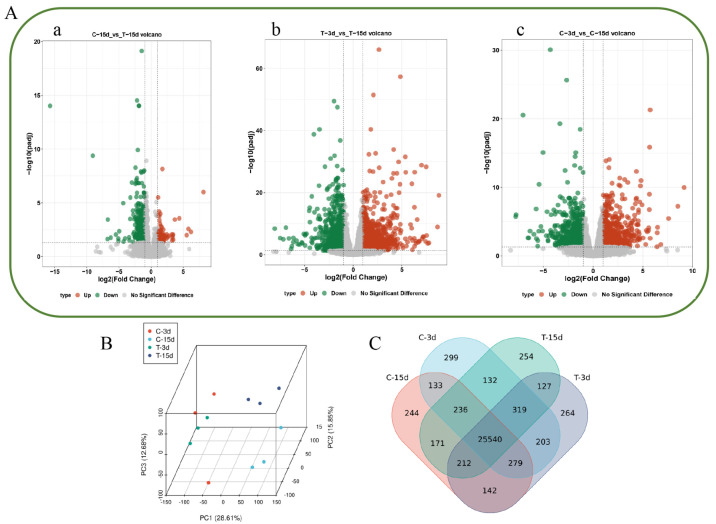 Figure 3
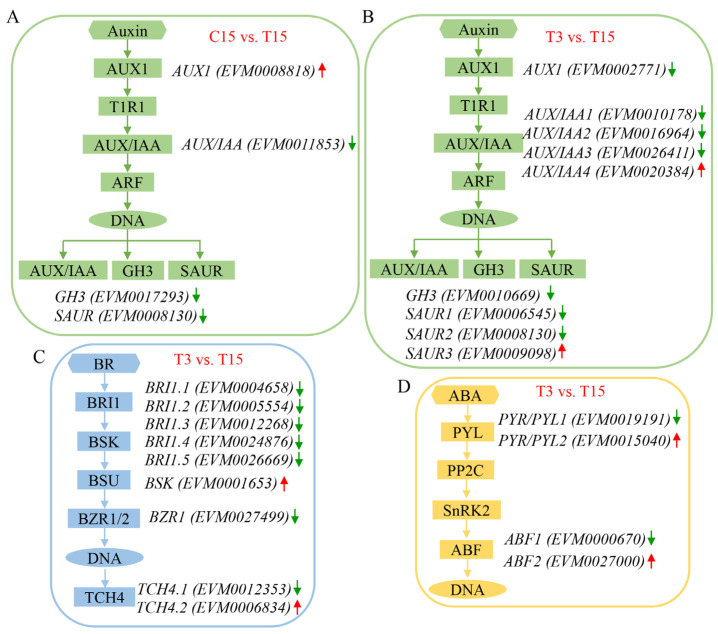 Figure 4
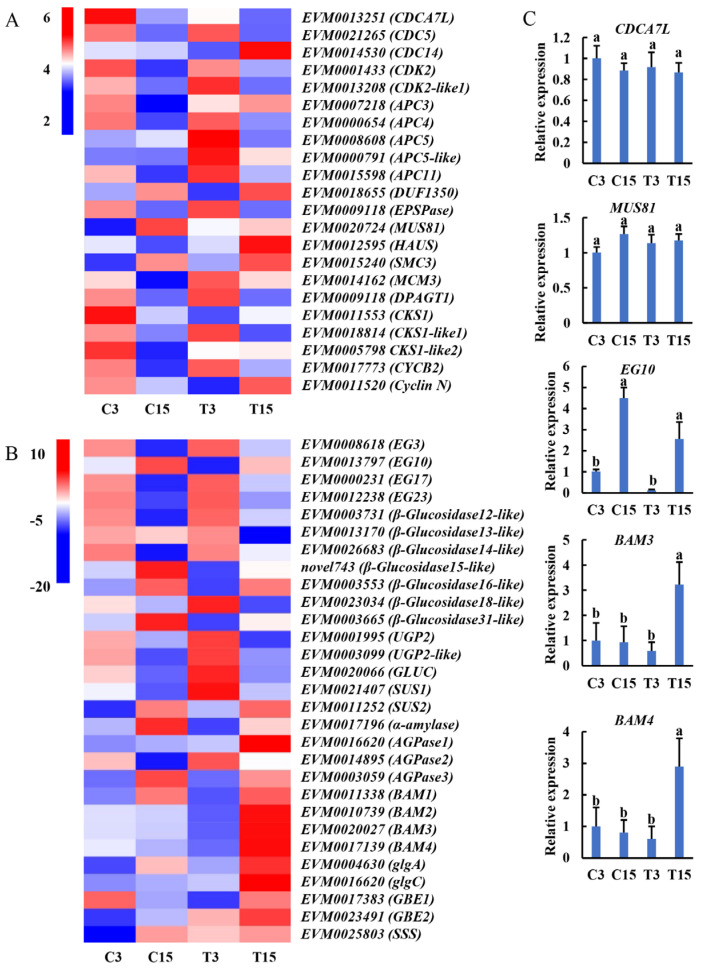 Figure 5
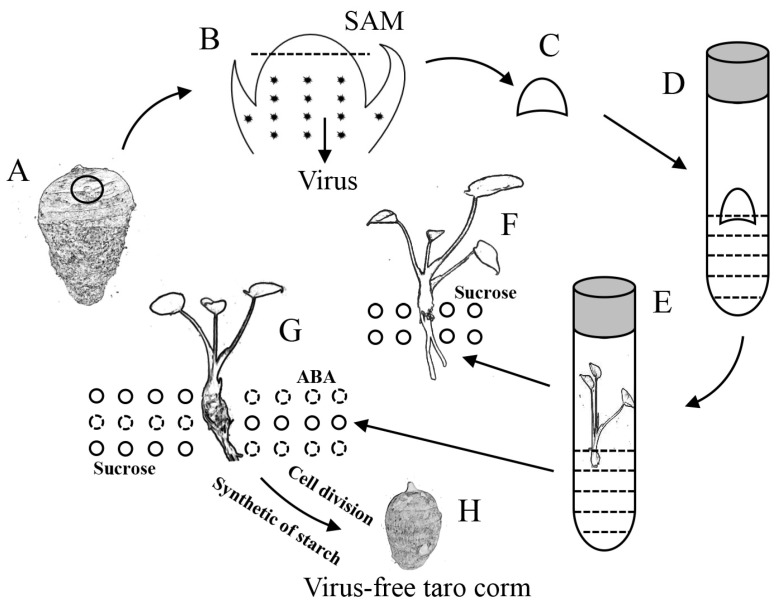 Figure 6
 Figure 7
Peer Reviews
No public reviews on file for this paper yet. If you reviewed it on a platform where reviews are public (OpenReview, ICLR, NeurIPS, ICML), you can paste yours below so the community can read it here.
Videos
No videos yet. Explain this paper in a talk, walkthrough, or lecture? Add one.
Taxonomy
TopicsPlant Molecular Biology Research · Cocoa and Sweet Potato Agronomy · Plant Virus Research Studies