Increased Myocardial MARK4 Expression in Patients with Heart Failure and Sleep-Disordered Breathing
Bettina Seydel, Philipp Hegner, Anna-Maria Lauerer, Sönke Schildt, Fatma Bayram, Maria Tafelmeier, Dominik Wermers, Leopold Rupprecht, Christof Schmid, Stefan Wagner, Lars Siegfried Maier, Michael Arzt, Simon Lebek

TL;DR
This study shows that increased MARK4 levels in the heart are linked to heart failure and sleep-disordered breathing, suggesting it could be a new treatment target.
Contribution
The study is the first to show MARK4 upregulation in human heart failure patients and its association with sleep-disordered breathing and hypoxia.
Findings
Myocardial MARK4 expression is inversely correlated with left ventricular ejection fraction.
MARK4 levels correlate with diastolic dysfunction and hypoxia-related parameters in heart failure patients.
Both ejection fraction and oxygen saturation independently associate with MARK4 dysregulation.
Abstract
Cardiovascular diseases are the leading cause of morbidity and mortality worldwide, underscoring the urgent need for novel therapeutic targets and strategies. The kinase MARK4 (MAP (microtubule-associated proteins)/microtubule affinity-regulating kinase 4) regulates microtubule-associated proteins pivotal for cell polarity, protein stability, and intracellular signaling. Animal models of heart failure revealed elevated MARK4 levels, which correlated with impaired cardiac contractility. However, the involvement of MARK4 and its potential as a molecular drug target has not yet been explored in the myocardium of cardiovascular patients. We investigated the MARK4 mRNA expression in human myocardial biopsies of 152 high-risk cardiovascular patients undergoing cardiac surgery. Comprehensive echocardiography as well as testing for sleep-disordered breathing (SDB), a critical comorbidity in…
Genes, proteins, chemicals, diseases, species, mutations and cell lines named across the full text — each resolved to its canonical identifier and authoritative record.
Click any figure to enlarge with its caption.
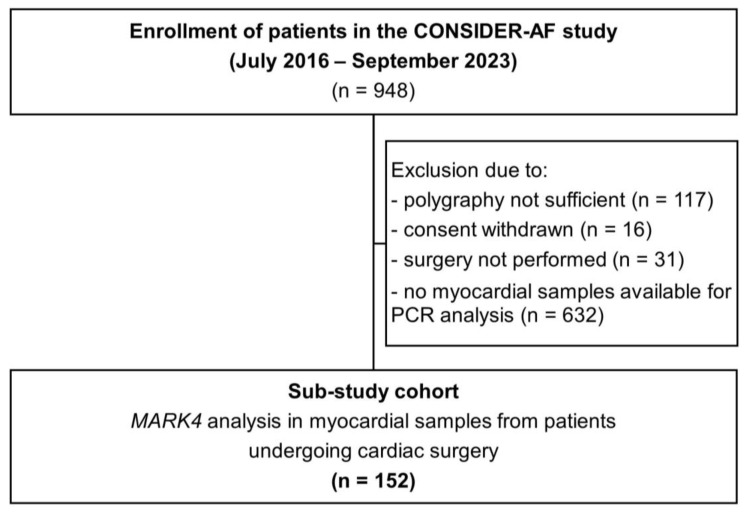 Figure 1
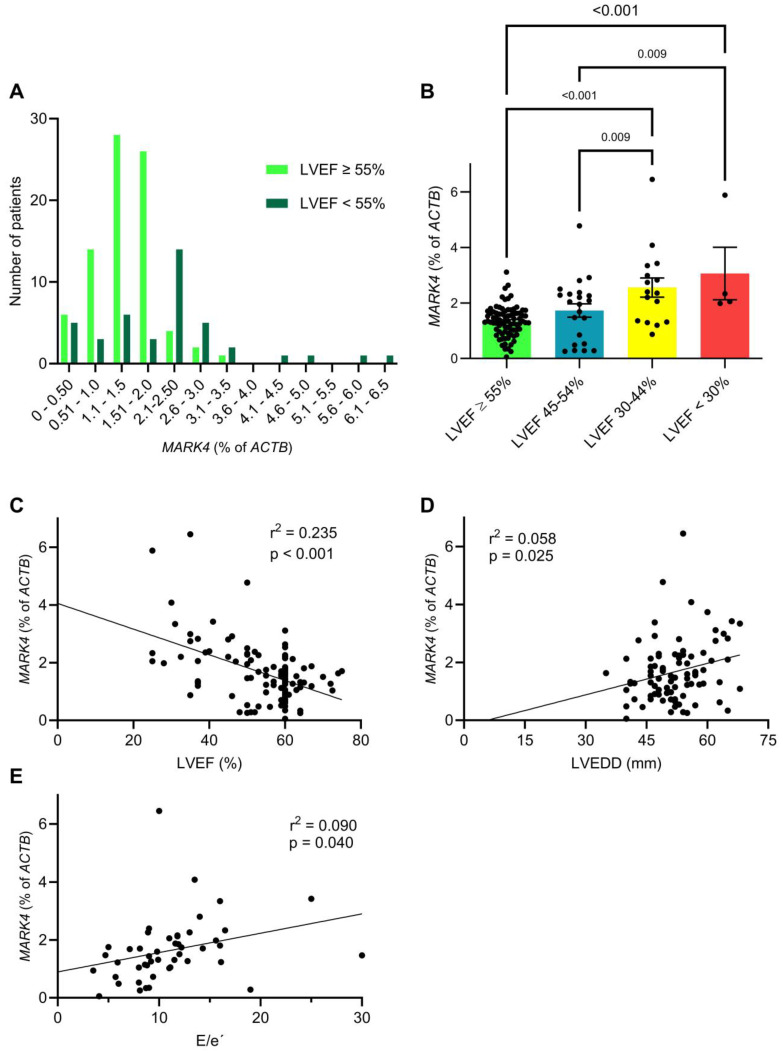 Figure 2
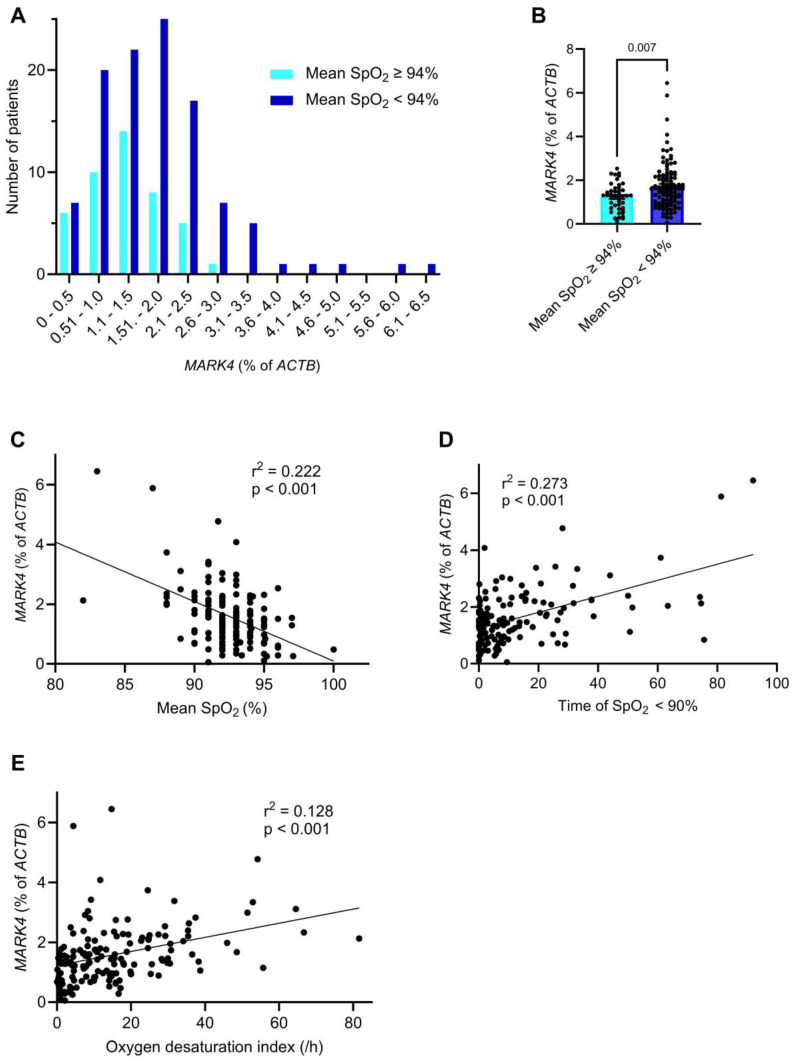 Figure 3
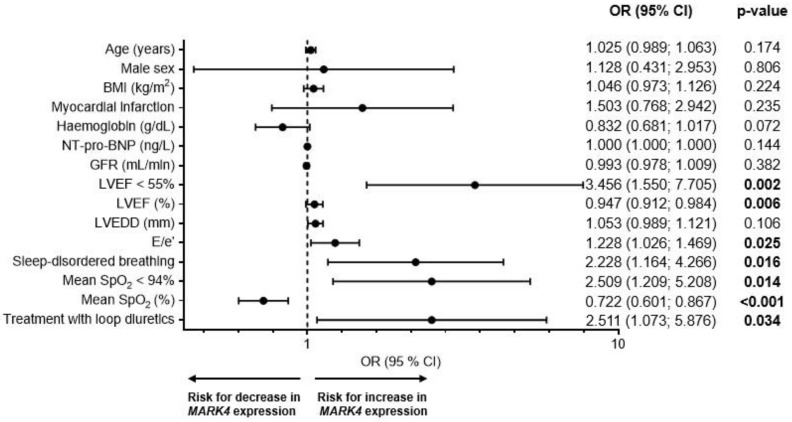 Figure 4
Peer Reviews
No public reviews on file for this paper yet. If you reviewed it on a platform where reviews are public (OpenReview, ICLR, NeurIPS, ICML), you can paste yours below so the community can read it here.
Videos
No videos yet. Explain this paper in a talk, walkthrough, or lecture? Add one.
Taxonomy
TopicsCardiovascular Function and Risk Factors · Heart Failure Treatment and Management · Chronic Obstructive Pulmonary Disease (COPD) Research