Experimental System Design and Modelling of EGFR Extracellular Domain and Its Mutant Binding to Antibody Interacting Partner
Feyzanur Erdemir, Bertan Koray Balcioglu, Tugba Arzu Ozal Ildeniz, Ozge Can

TL;DR
This study models how a specific EGFR mutation affects antibody binding and drug resistance in cancer, offering a method to detect the mutation for personalized treatment.
Contribution
A novel experimental and computational approach to model EGFR mutation effects on antibody binding and develop specific detection probes.
Findings
The R497K mutation in EGFR reduces Cetuximab binding affinity by altering domain III structure.
Cetuximab also binds to domain IV of MEGFR, suggesting alternative interaction sites.
Designed oligonucleotide probes can specifically detect the R497K mutation in transfected cells.
Abstract
The EGFR pathway is activated by ligand binding, and EGFR overexpression is linked to malignancies like colorectal and head and neck cancer. This pathway is targeted by monoclonal antibodies such as Cetuximab; however, drug resistance can arise, frequently because of EGFR gene alterations like mutation, particularly in domain III, which inhibits Cetuximab binding. EGFR and MEGFR (R497K mutated EGFR) plasmids were transfected into Chinese hamster ovary (CHO) cells, which do not express EGFR. Real-time PCR was performed using probes that were specifically developed for the R497K mutation. Furthermore, Cetuximab binding to EGFR and MEGFR was examined using molecular modeling. According to molecular modeling, the R497K mutation modifies the domain III structure, which lowers the binding affinity of Cetuximab. Curiously, Cetuximab also showed binding to MEGFR’s domain IV. Real-time PCR…
Genes, proteins, chemicals, diseases, species, mutations and cell lines named across the full text — each resolved to its canonical identifier and authoritative record.
Click any figure to enlarge with its caption.
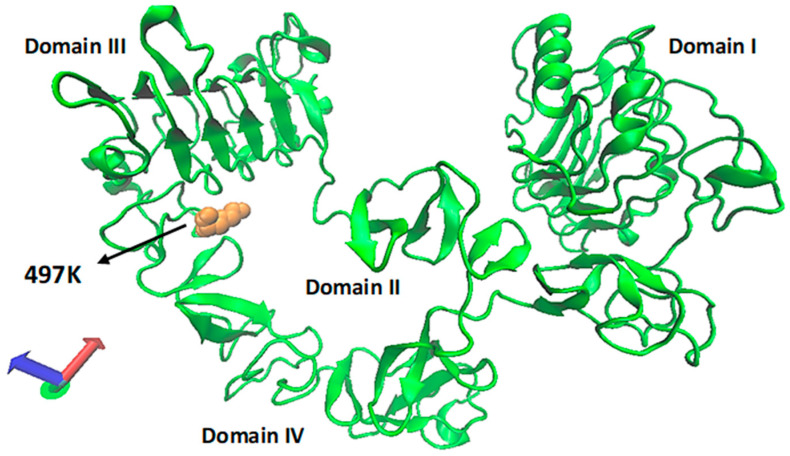 Figure 1
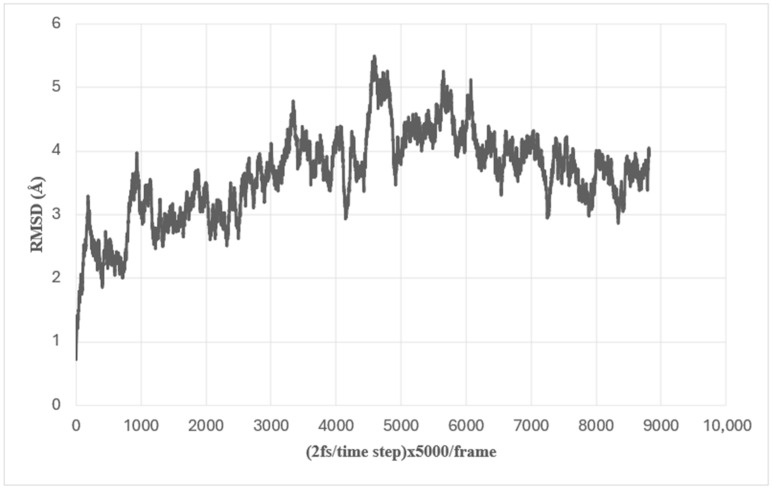 Figure 2
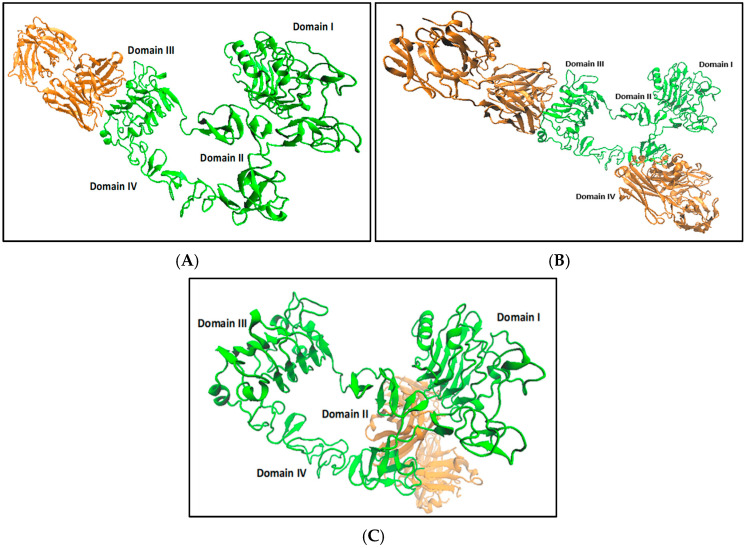 Figure 3
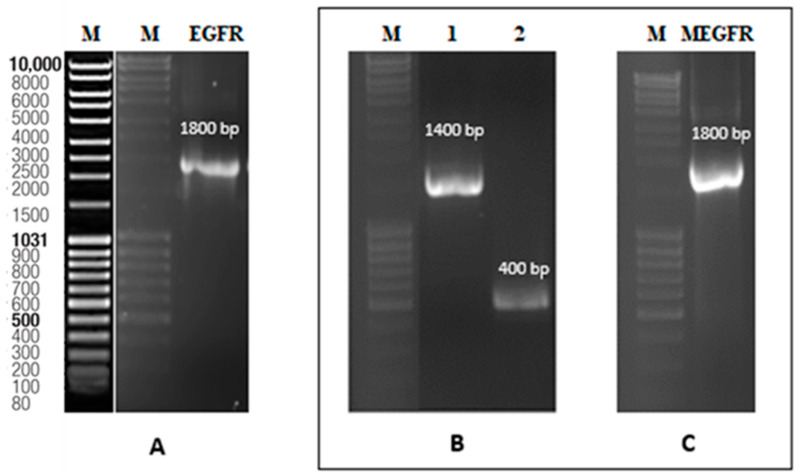 Figure 4
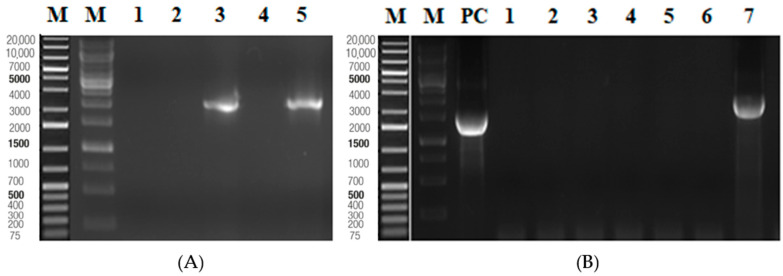 Figure 5
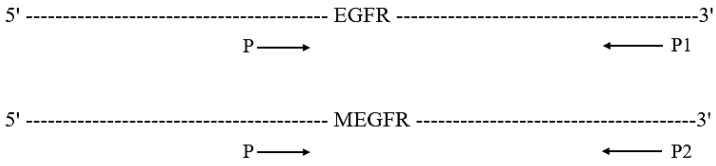 Figure 6
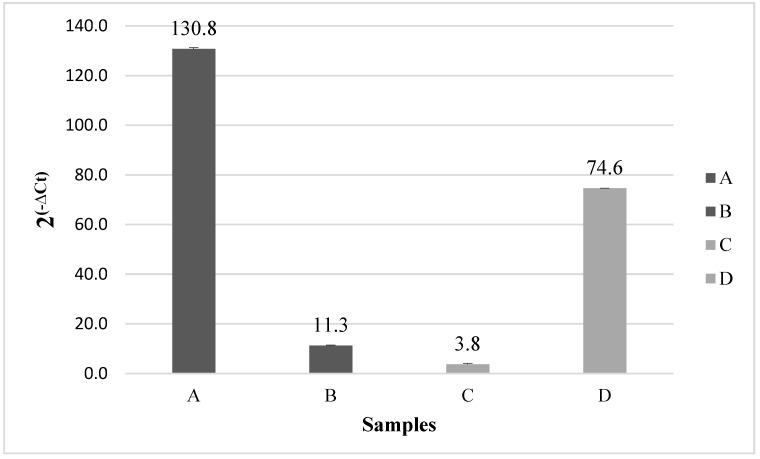 Figure 7
 Figure 8
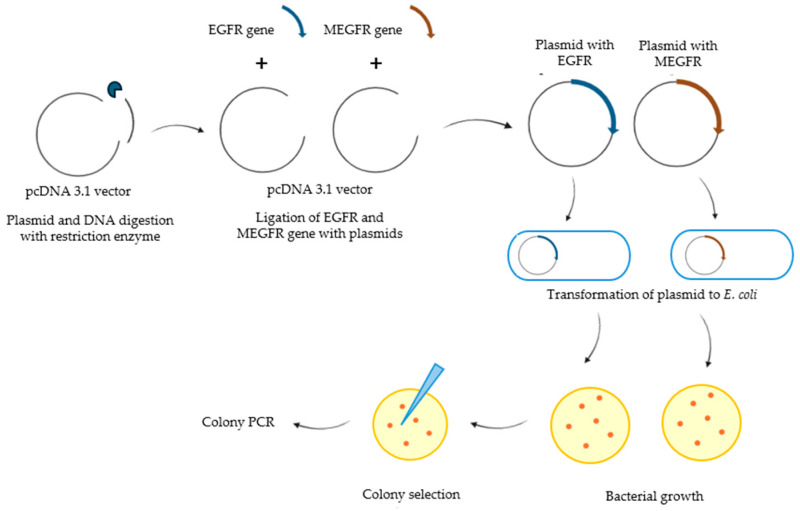 Figure 9
Peer Reviews
No public reviews on file for this paper yet. If you reviewed it on a platform where reviews are public (OpenReview, ICLR, NeurIPS, ICML), you can paste yours below so the community can read it here.
Videos
No videos yet. Explain this paper in a talk, walkthrough, or lecture? Add one.
Taxonomy
TopicsHER2/EGFR in Cancer Research · Monoclonal and Polyclonal Antibodies Research · Radiopharmaceutical Chemistry and Applications