Bioprocessing of Sargassum fusiforme via Lactobacillus Fermentation: Effects on Nutrient Composition, Organoleptic Properties, and In Vitro Antioxidant and Hypoglycemic Activities
Chao Zhang, Houyun Zhang, Shengli Lin, Laijin Su

TL;DR
Fermenting Sargassum fusiforme with Lactobacillus improves its nutrient content and health benefits, including antioxidant and blood sugar control properties.
Contribution
This study identifies specific Lactobacillus strains that enhance the bioactive and antioxidant properties of Sargassum fusiforme.
Findings
Fermentation with Lactobacillus delbrueckii increased total phenolic content and antioxidant activity in Sargassum fusiforme.
Lactobacillus fermentation reduced undesirable volatile compounds associated with the seaweed's odor.
Fermented Sargassum showed improved inhibition of α-glucosidase and α-amylase, suggesting potential for managing blood sugar.
Abstract
Sargassum fusiforme is an abundant source of biologically active compounds that are released during fermentation. However, the effects of Lactobacillus fermentation on the nutrient composition of S. fusiforme have yet to be sufficiently determined. In this study, we used five strains of Lactobacillus to ferment S. fusiforme and examined changes in the bioactive components, volatile compounds, and bioactivities of the fermentation supernatants. Among the assessed strains, fermentation with Lactobacillus delbrueckii promoted significant increases in the total phenolic contents, and fermentation with all strains contributed to reductions in the levels of undesirable volatile compounds associated with the characteristic odor of S. fusiforme. In addition, S. fusiforme fermented using L. delbrueckii showed superior ABTS radical scavenging activity, whereas S. fusiforme fermented using L.…
Genes, proteins, chemicals, diseases, species, mutations and cell lines named across the full text — each resolved to its canonical identifier and authoritative record.
Click any figure to enlarge with its caption.
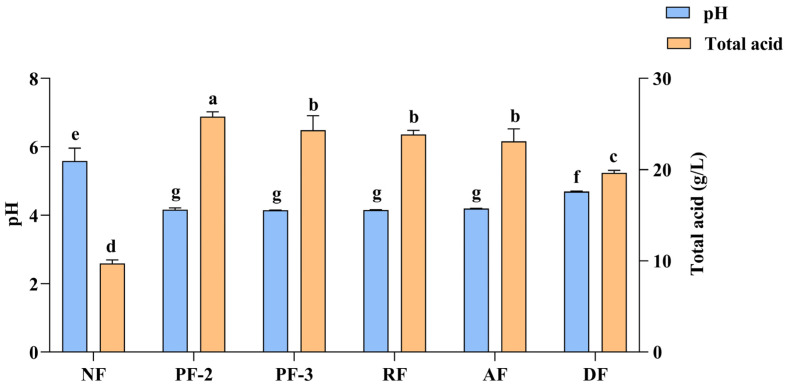 Figure 1
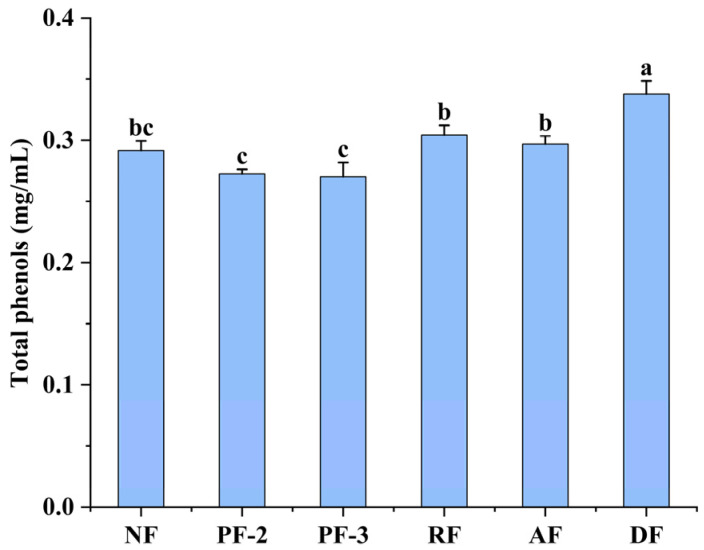 Figure 2
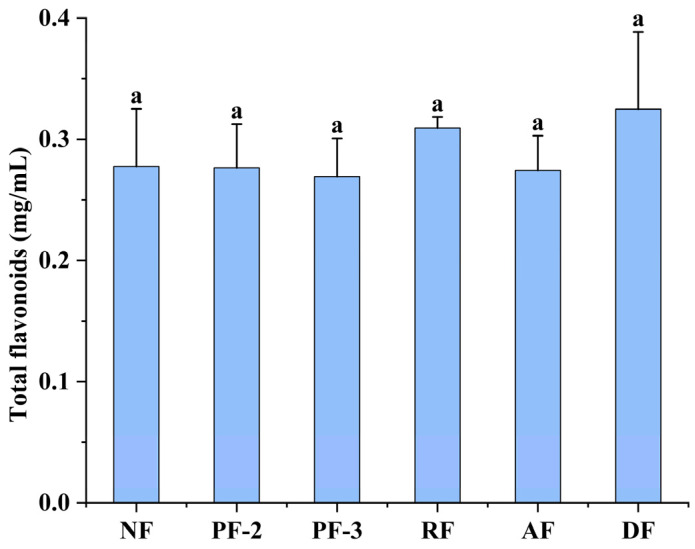 Figure 3
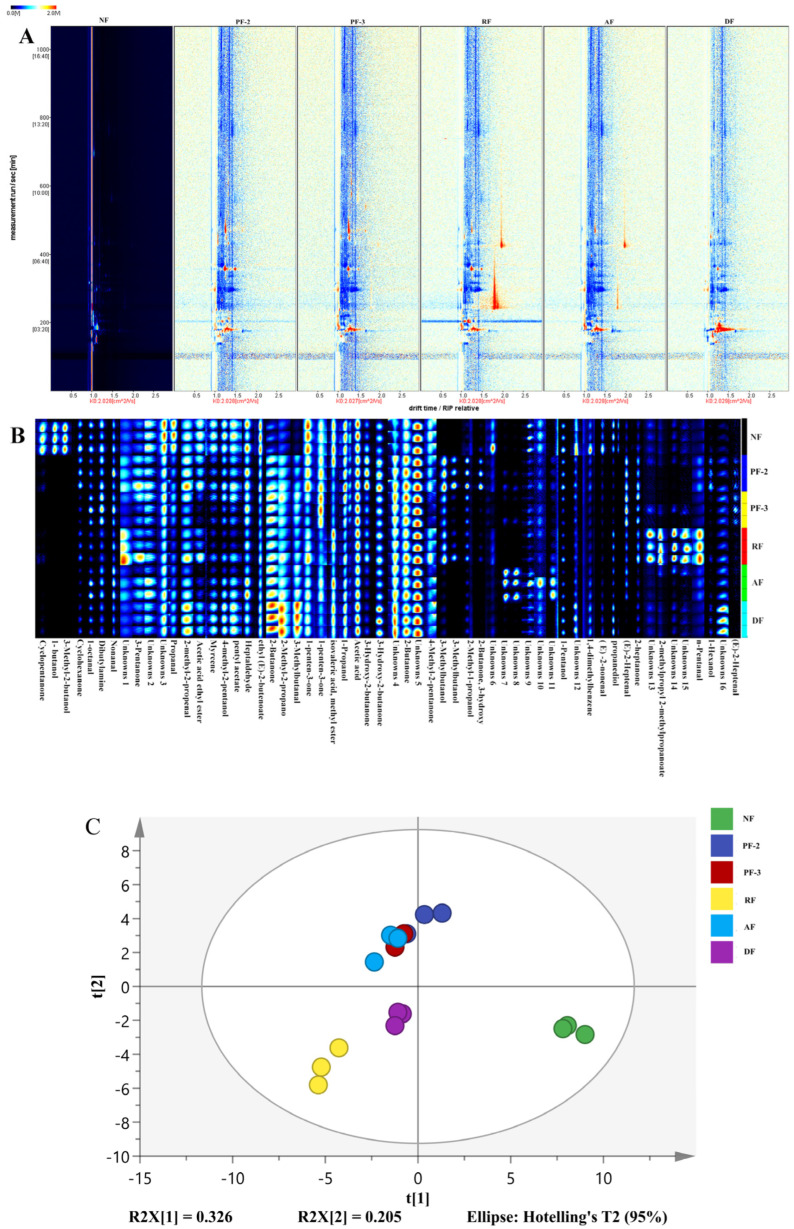 Figure 4
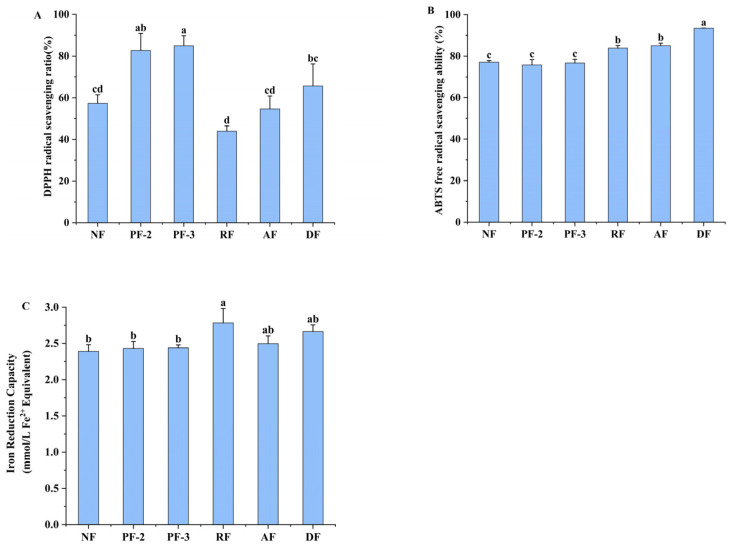 Figure 5
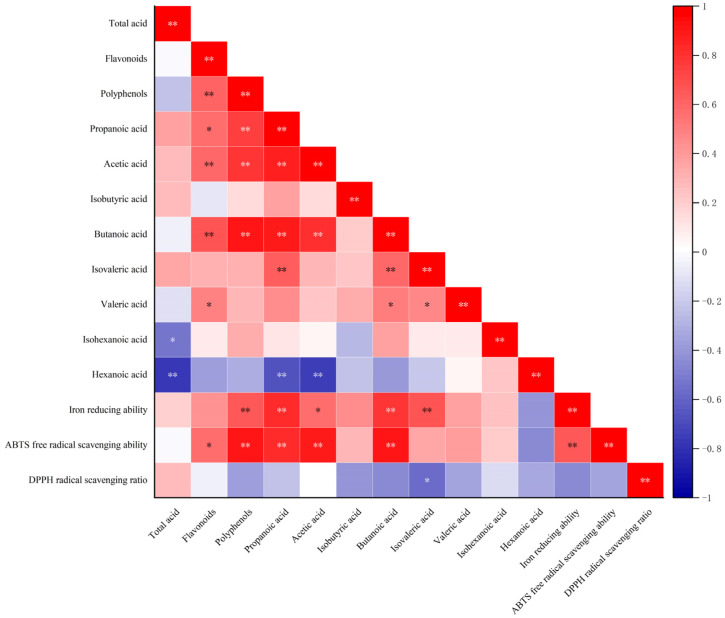 Figure 6
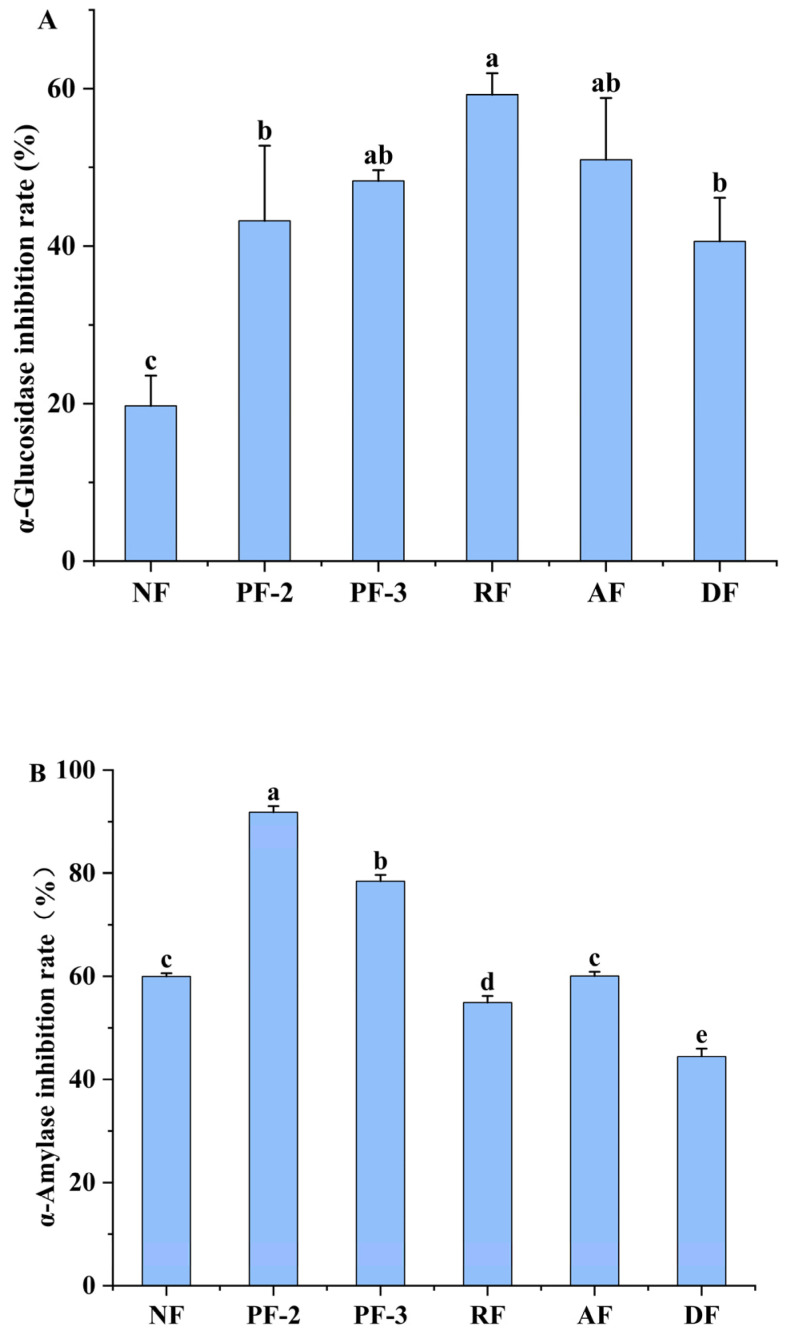 Figure 7
Peer Reviews
No public reviews on file for this paper yet. If you reviewed it on a platform where reviews are public (OpenReview, ICLR, NeurIPS, ICML), you can paste yours below so the community can read it here.
Videos
No videos yet. Explain this paper in a talk, walkthrough, or lecture? Add one.
Taxonomy
TopicsSeaweed-derived Bioactive Compounds · Microbial Metabolites in Food Biotechnology · Protein Hydrolysis and Bioactive Peptides