Uncovering a Novel Pathogenic Mechanism of BCS1L in Mitochondrial Disorders: Insights from Functional Studies on the c.38A>G Variant
Valeria Capaci, Luisa Zupin, Martina Magistrati, Maria Teresa Bonati, Fulvio Celsi, Irene Marrone, Francesco Baldo, Blendi Ura, Beatrice Spedicati, Anna Morgan, Irene Bruno, Massimo Zeviani, Cristina Dallabona, Giorgia Girotto, Andrea Magnolato

TL;DR
This study identifies a new pathogenic mechanism of a BCS1L gene variant in mitochondrial disorders, linking it to impaired mitochondrial function and complex III assembly.
Contribution
The paper reveals a novel pathogenic mechanism of the BCS1L c.38A>G variant through functional studies in yeast and patient fibroblasts.
Findings
The BCS1L c.38A>G variant impairs mitochondrial respiration and complex III activity.
The variant increases interaction between BCS1L and CIII, forming a nonfunctional preCIII complex.
The mutation alters mitochondrial morphology in patient-derived fibroblasts.
Abstract
The BCS1L gene encodes a mitochondrial chaperone which inserts the Fe2S2 iron–sulfur Rieske protein into the nascent electron transfer complex III. Variants in the BCS1L gene are associated with a spectrum of mitochondrial disorders, ranging from mild to severe phenotypes. Björnstad syndrome, a milder condition, is characterized by sensorineural hearing loss (SNHL) and pili torti. More severe disorders include Complex III Deficiency, which leads to neuromuscular and metabolic dysfunctions with multi-systemic issues and Growth Retardation, Aminoaciduria, Cholestasis, Iron Overload, and Lactic Acidosis syndrome (GRACILE). The severity of these conditions varies depending on the specific BCS1L mutation and its impact on mitochondrial function. This study describes a 27-month-old child with SNHL, proximal renal tubular acidosis, woolly hypopigmented hair, developmental delay, and metabolic…
Genes, proteins, chemicals, diseases, species, mutations and cell lines named across the full text — each resolved to its canonical identifier and authoritative record.
Click any figure to enlarge with its caption.
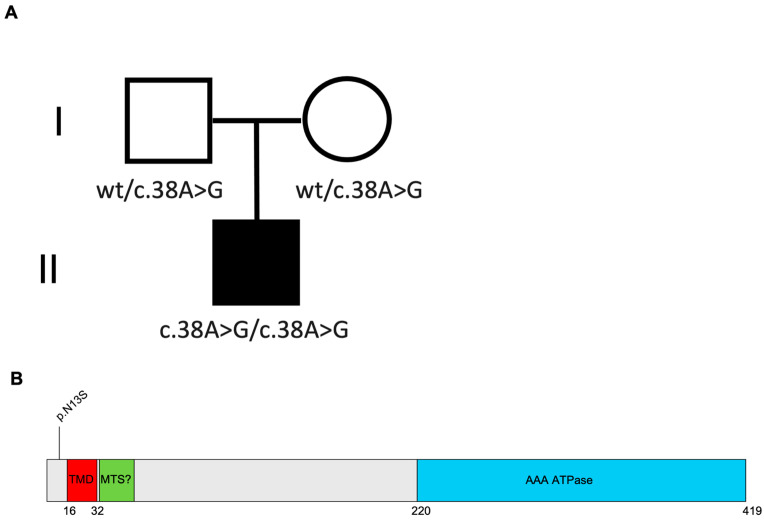 Figure 1
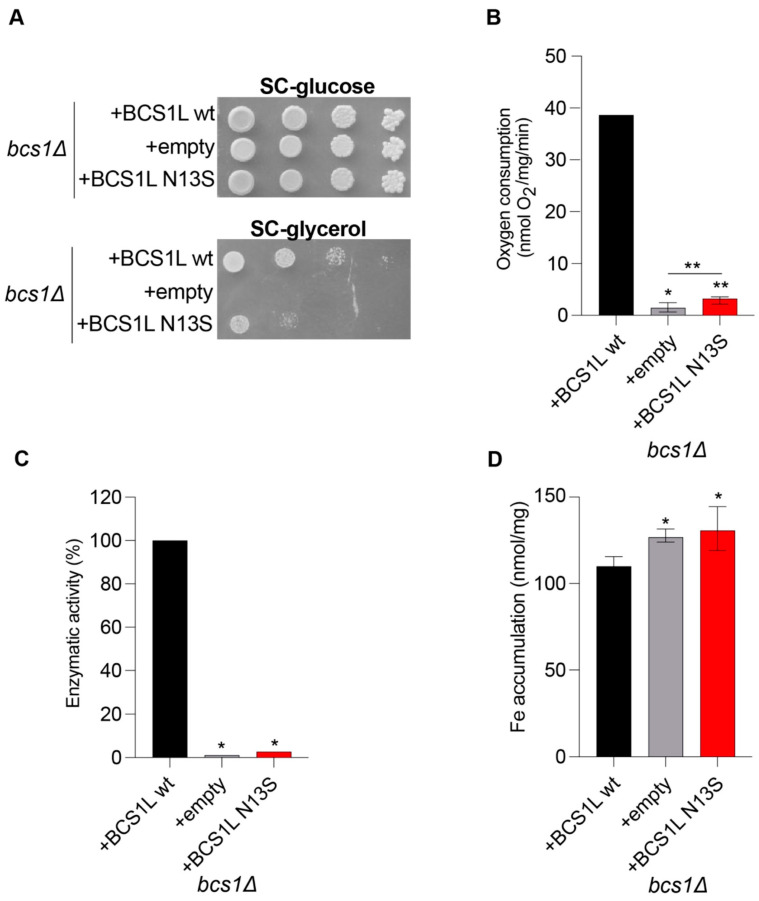 Figure 2
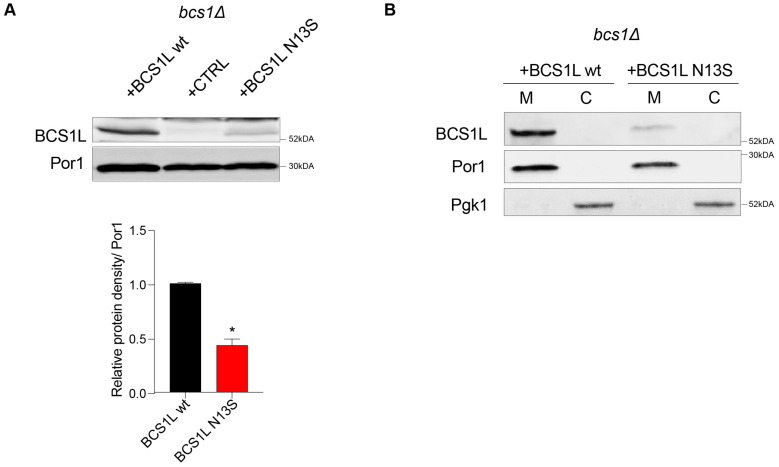 Figure 3
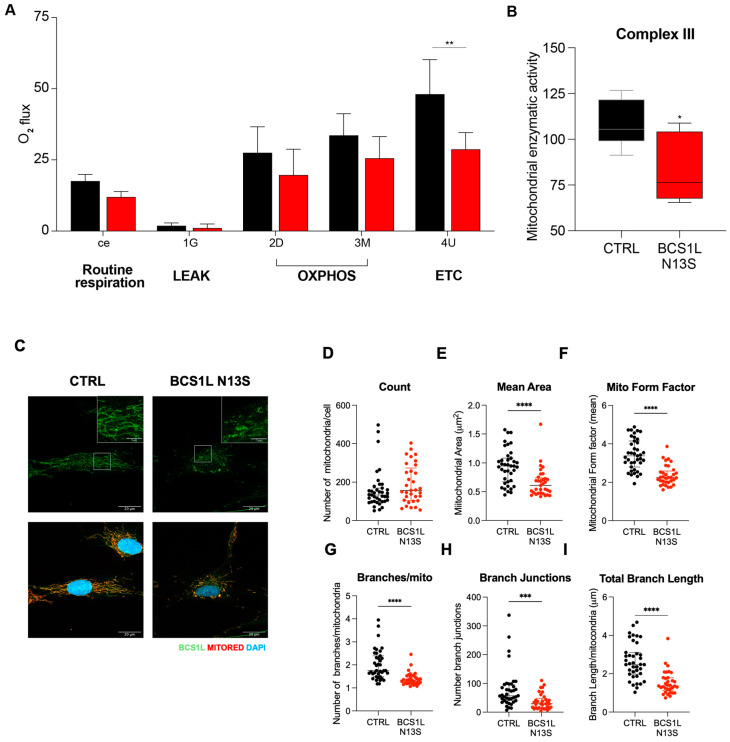 Figure 4
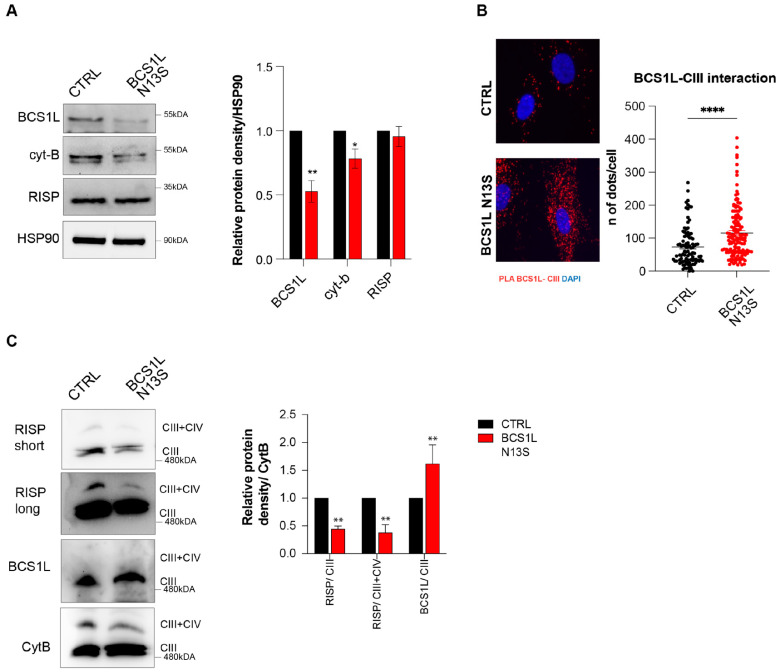 Figure 5
Peer Reviews
No public reviews on file for this paper yet. If you reviewed it on a platform where reviews are public (OpenReview, ICLR, NeurIPS, ICML), you can paste yours below so the community can read it here.
Videos
No videos yet. Explain this paper in a talk, walkthrough, or lecture? Add one.
Taxonomy
TopicsMitochondrial Function and Pathology · Metabolism and Genetic Disorders · Genomics and Rare Diseases