Genotype-Phenotype Correlation Insights Through Molecular Modeling Analysis in a Patient with Loeys-Dietz Syndrome
Galateia Stathori, Eleni Koniari, Dimitrios Vlachakis, Eleni Papanikolaou, George P. Chrousos, Christos Yapijakis

TL;DR
A patient with Loeys-Dietz syndrome had a genetic variant in TGFB2 that caused structural changes in the protein, leading to aortic aneurysms and highlighting the need for accurate diagnosis.
Contribution
The study identifies a novel pathogenic variant in TGFB2 and its structural impact through molecular modeling in a patient with Loeys-Dietz syndrome.
Findings
A de novo heterozygous variant c.896G>A in TGFB2 was found to cause p.Arg299Gln substitution.
Molecular modeling showed the variant has destabilizing effects on the 3D structure of the TGF-β protein.
The variant is linked to LDS type 4 and expands understanding of genotype-phenotype correlations.
Abstract
Background: Pathogenic variants within the gene encoding transforming growth factor β (TGF-β) are responsible for Loeys-Dietz syndrome (LDS), a heritable thoracic aortic disease sharing clinical features with Marfan syndrome, including craniofacial and skeletal abnormalities as well as aortic root aneurysms and dissections. In contrast to Marfan syndrome patients, who rarely develop aneurysms or dissections beyond the aortic root, LDS patients frequently exhibit vessel aneurysms in locations other than the aortic root. Here, we report the case of a 61-year-old patient who initially presented with marfanoid characteristics and an aortic root aneurysm and was presumed to have Marfan syndrome two decades ago. Later, the patient developed an abdominal aorta aneurysm, necessitating endovascular repair and stent placement. That fact raised doubts regarding the initial diagnosis of Marfan…
Genes, proteins, chemicals, diseases, species, mutations and cell lines named across the full text — each resolved to its canonical identifier and authoritative record.
Click any figure to enlarge with its caption.
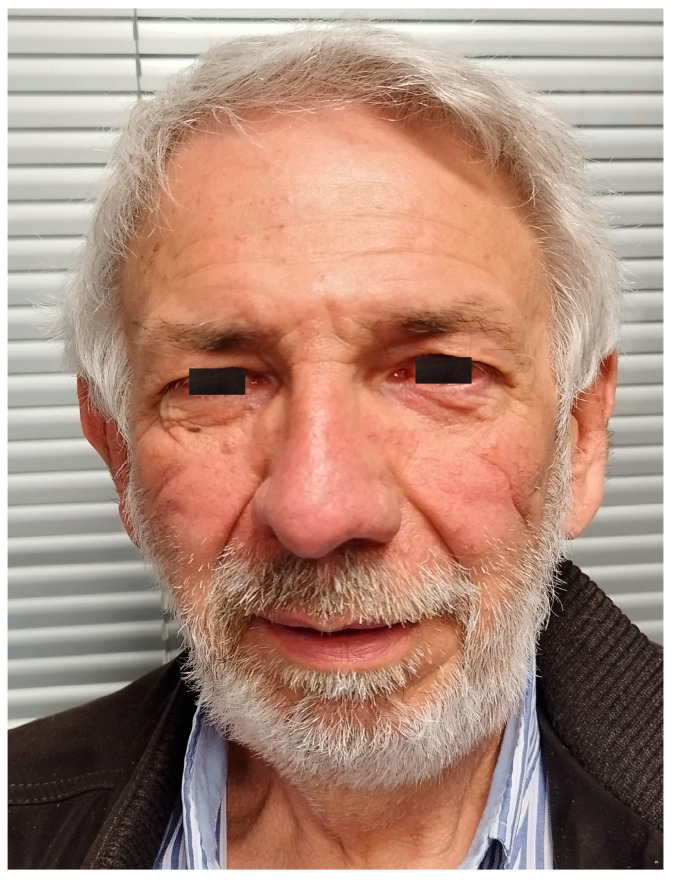 Figure 1
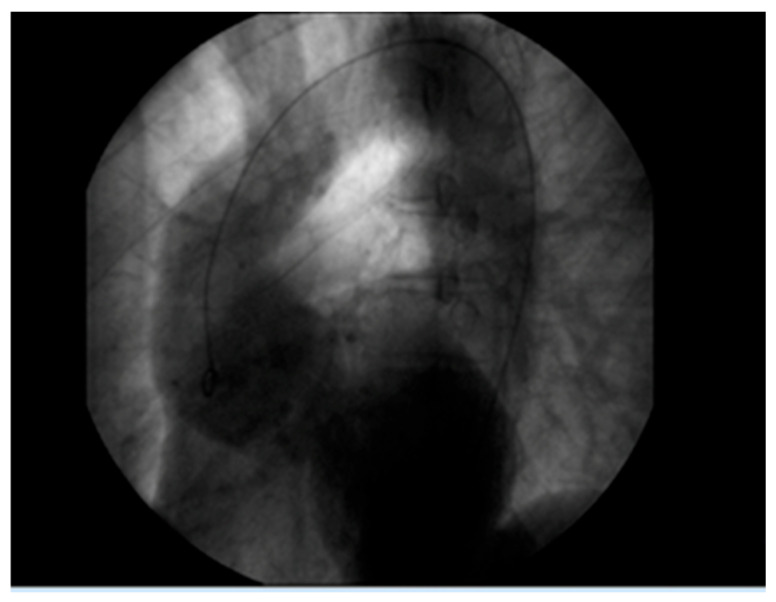 Figure 2
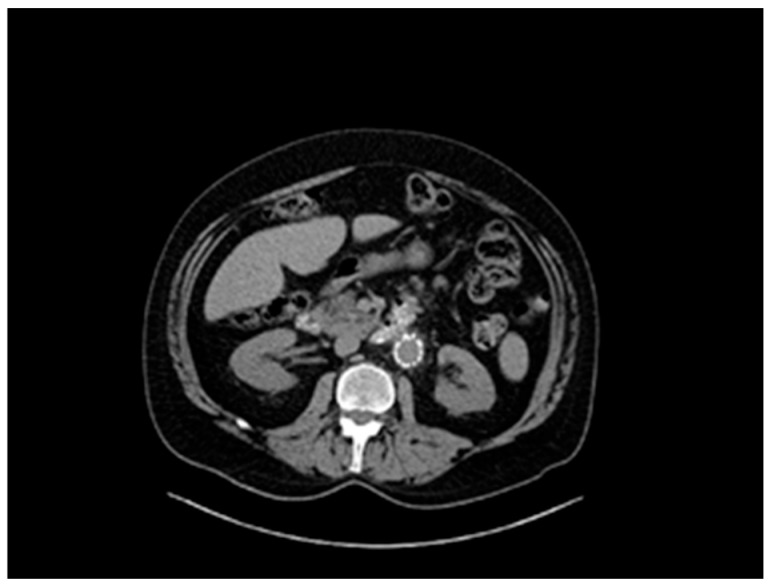 Figure 3
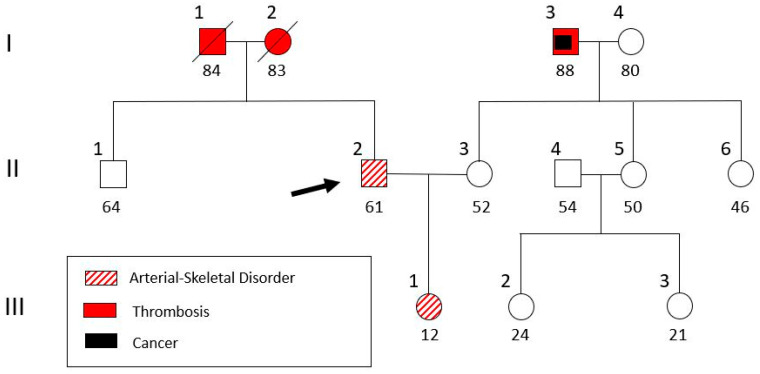 Figure 4
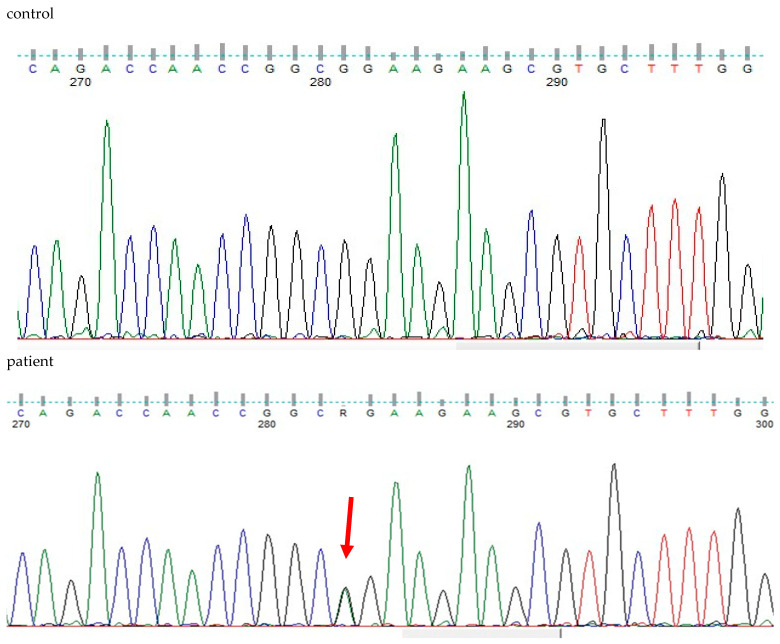 Figure 5
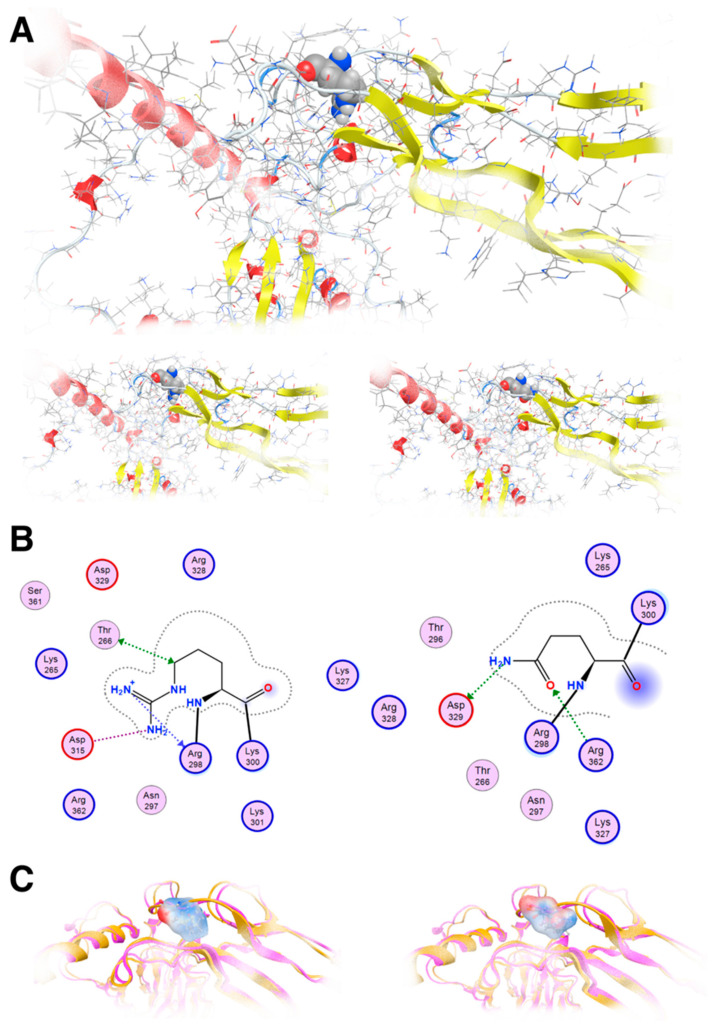 Figure 6
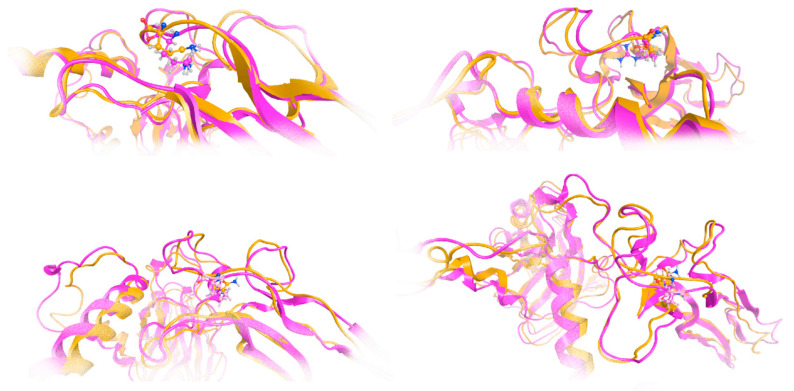 Figure 7
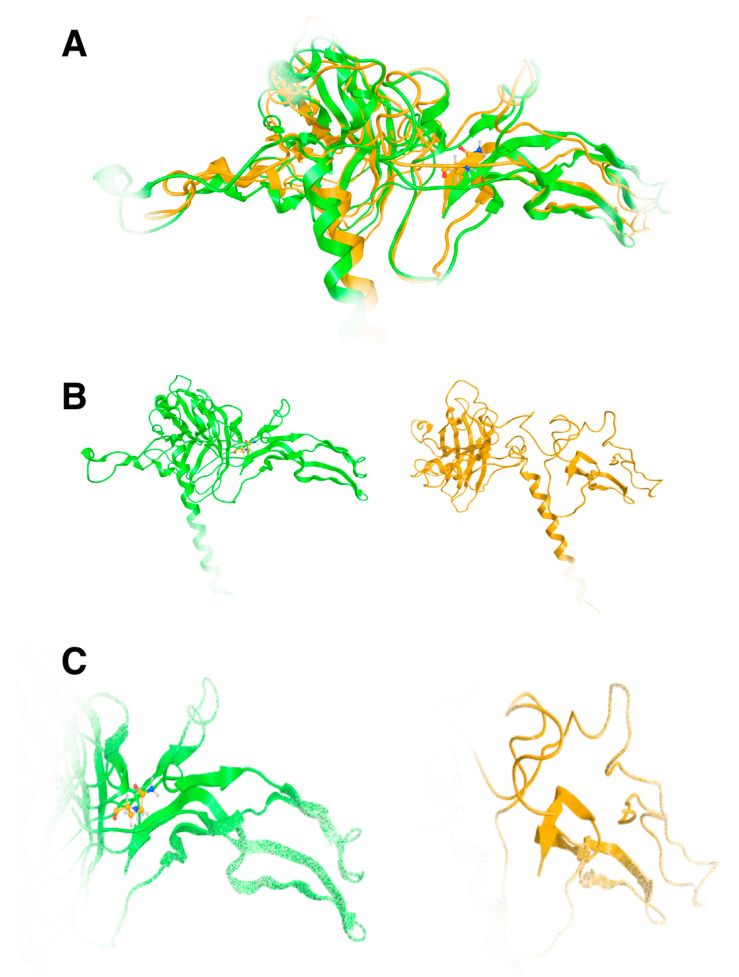 Figure 8
Peer Reviews
No public reviews on file for this paper yet. If you reviewed it on a platform where reviews are public (OpenReview, ICLR, NeurIPS, ICML), you can paste yours below so the community can read it here.
Videos
No videos yet. Explain this paper in a talk, walkthrough, or lecture? Add one.
Taxonomy
TopicsConnective tissue disorders research · Aortic aneurysm repair treatments · Aortic Disease and Treatment Approaches