An Improved SHANEL Procedure for Clearing and Staining Brain Tissue from Multiple Species
Fu Zeng, Lian Huang, Ding Han, Renjie Liu, Kongjia Zhang, Yuwen Su, Tong Su, Yarong Lin, Jianbo Xiu

TL;DR
This paper introduces an improved brain tissue clearing method, iSHANEL, that enhances 3D imaging across multiple species by improving transparency and reducing background noise.
Contribution
The novel iSHANEL procedure improves tissue clearing efficiency and compatibility with nonrodent species.
Findings
iSHANEL significantly enhances tissue transparency and lipid removal in brain tissue.
The method allows high-resolution imaging of vascular structures with reduced background noise.
iSHANEL preserves protein immunogenicity and is effective for large tissue samples from pigs and monkeys.
Abstract
Recent advances in tissue clearing chemistry have revolutionized three-dimensional imaging by enabling whole-organ antibody labeling, even in thick human tissue samples. However, these techniques face limitations, including reduced clearance efficiency in thick tissue blocks, prolonged processing times, and other challenges specific to formalin-fixed human brain tissue, such as autofluorescence due to the presence of lipofuscin, neuromelanin pigments, and residual blood. To address these challenges, we have developed an improved SHANEL procedure, iSHANEL, which is compatible with brain tissue from multiple species, including nonrodents. iSHANEL significantly enhances the tissue transparency. It effectively removes lipids, particularly sphingolipids, from brain tissue across different species. For brain vasculature imaging, it offers the better visualization of vascular structures at…
Genes, proteins, chemicals, diseases, species, mutations and cell lines named across the full text — each resolved to its canonical identifier and authoritative record.
Click any figure to enlarge with its caption.
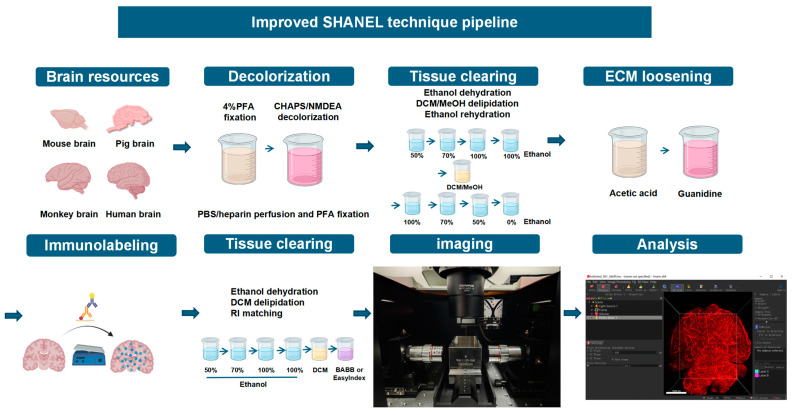 Figure 1
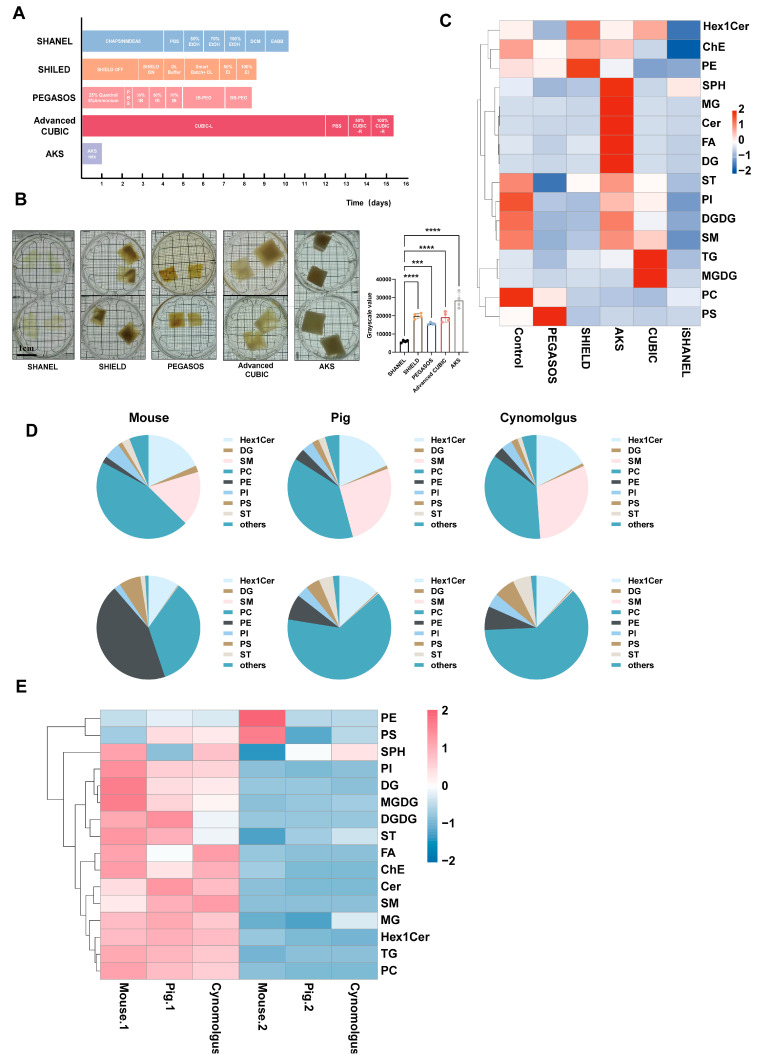 Figure 2
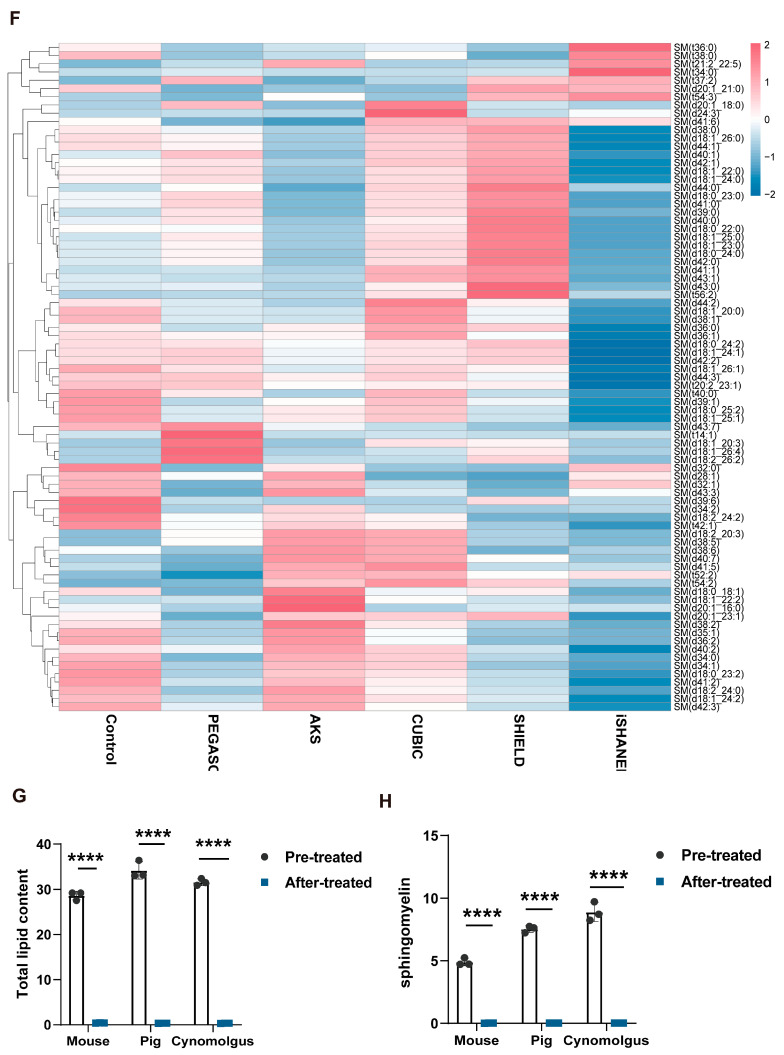 Figure 3
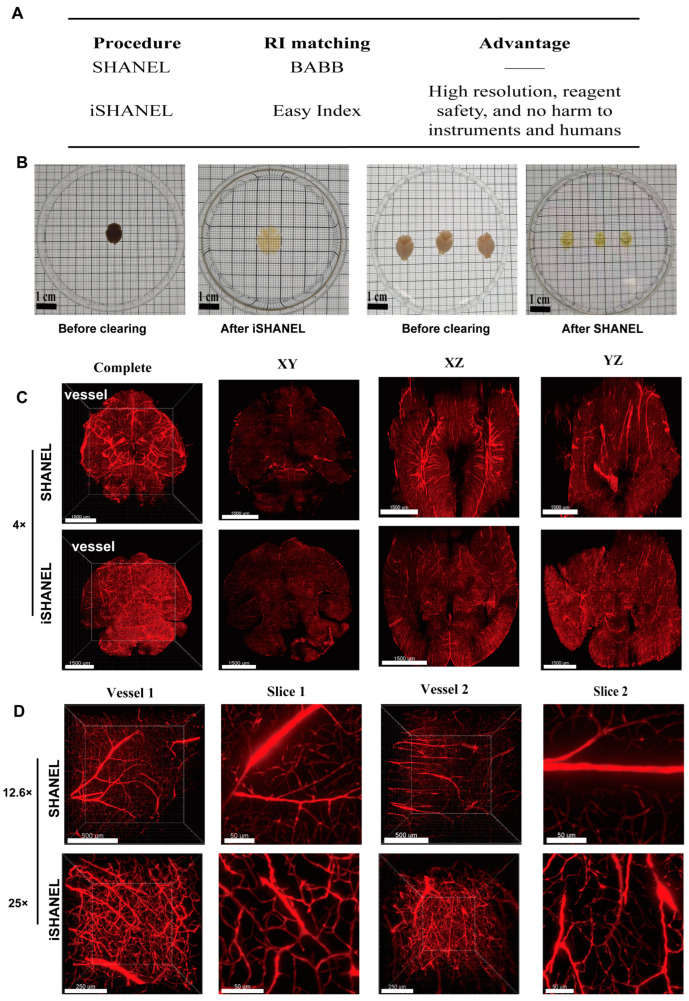 Figure 4
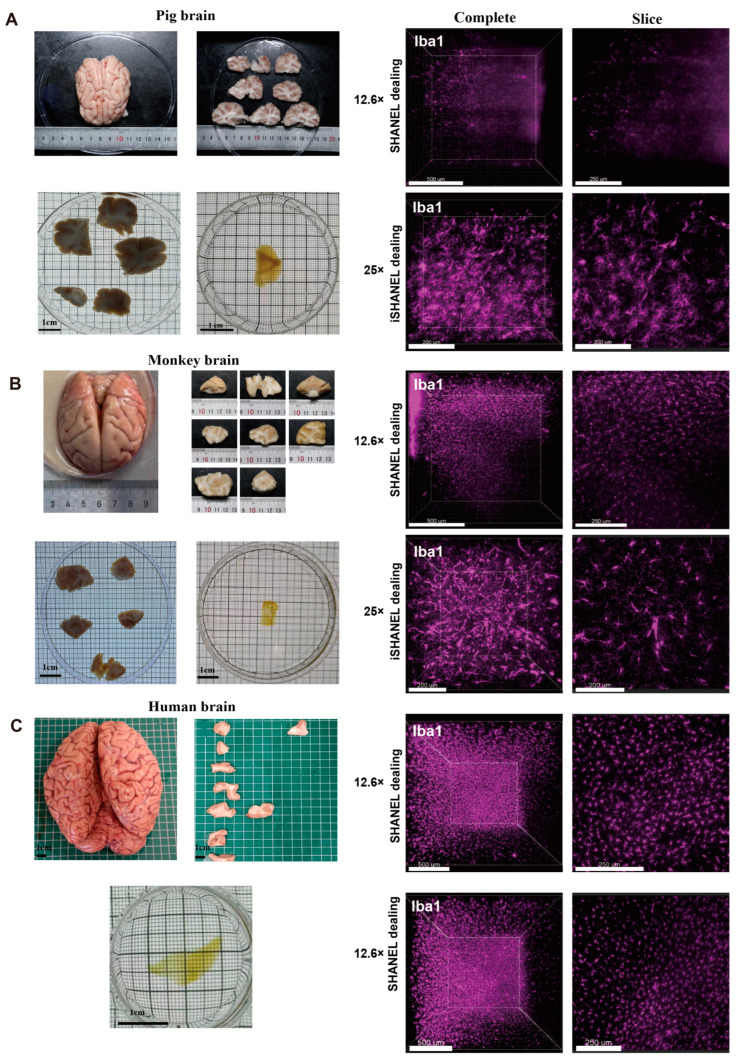 Figure 5
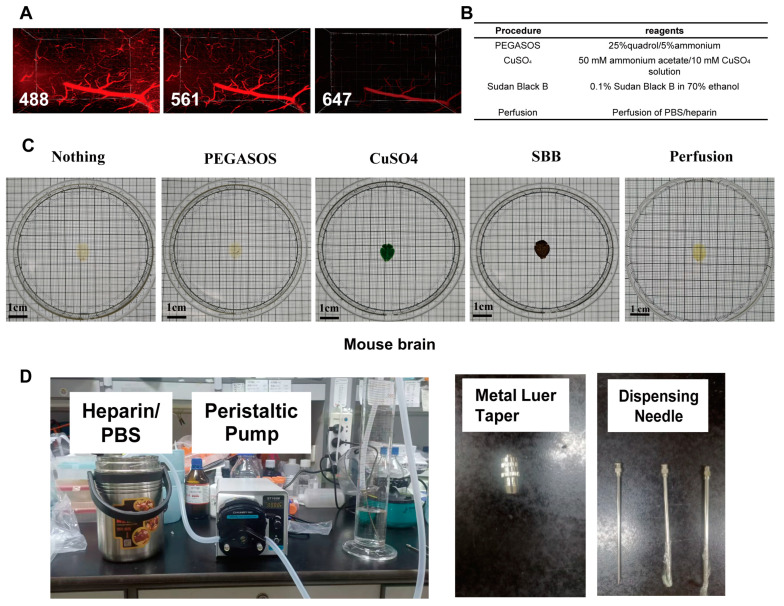 Figure 6
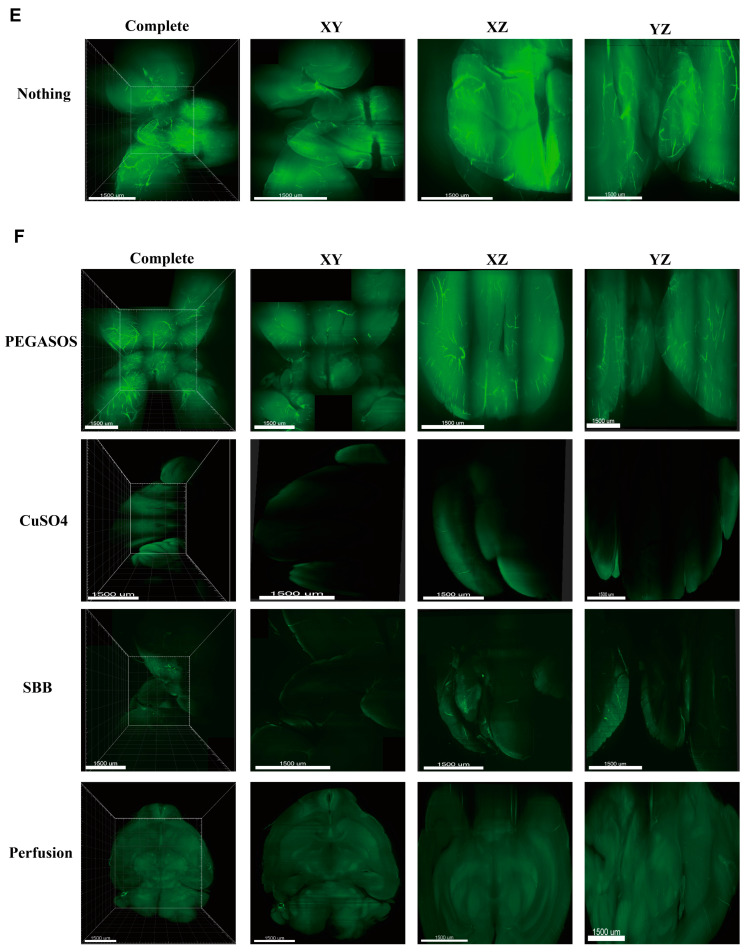 Figure 7
Peer Reviews
No public reviews on file for this paper yet. If you reviewed it on a platform where reviews are public (OpenReview, ICLR, NeurIPS, ICML), you can paste yours below so the community can read it here.
Videos
No videos yet. Explain this paper in a talk, walkthrough, or lecture? Add one.
Taxonomy
TopicsAdvanced Fluorescence Microscopy Techniques · Single-cell and spatial transcriptomics · Molecular Biology Techniques and Applications