Plastome Sequences Uncover the Korean Endemic Species Polygonatum grandicaule (Asparagaceae) as Part of the P. odoratum Complex
Joonhyung Jung, Hyuk-Jin Kim, Joo-Hwan Kim

TL;DR
This study uses plastome sequences to show that the Korean endemic Polygonatum grandicaule is part of the P. odoratum complex, despite morphological differences.
Contribution
The study provides new plastome data and proposes a taxonomic reclassification of several Polygonatum species into a single complex.
Findings
The plastomes of P. grandicaule are identical to those of P. falcatum, P. odoratum, and P. infundiflorum.
Phylogenetic analysis shows P. odoratum and its variety are nested within other species in the complex.
The study suggests using plastome-based super-barcoding for species identification in Polygonatum.
Abstract
Background/Objectives: Polygonatum grandicaule Y.S.Kim, B.U.Oh & C.G.Jang (Asparagaceae Juss.), a Korean endemic species, has been described based on its erect stem, tubular perianth shape, and pedicel length. However, its taxonomic status remains unclear due to limited molecular data. Methods: This study presents the complete plastid genomes (plastomes) of two P. grandicaule individuals and its close relative, P. odoratum (Mill.) Druce var. thunbergii (C.Morren & Decne.) H.Hara. Results: The plastomes, ranging from 154,578 to 154,579 base pairs (bp), are identical to those of P. falcatum A.Gray, P. odoratum var. odoratum, and another Korean endemic species, P. infundiflorum Y.S.Kim, B.U.Oh & C.G.Jang. All contain 78 plastid protein-coding genes (PCGs), 30 tRNA genes, and four rRNA genes, except for the pseudogene infA. Phylogenetic analyses using 78 plastid PCGs and whole intergenic…
Genes, proteins, chemicals, diseases, species, mutations and cell lines named across the full text — each resolved to its canonical identifier and authoritative record.
Click any figure to enlarge with its caption.
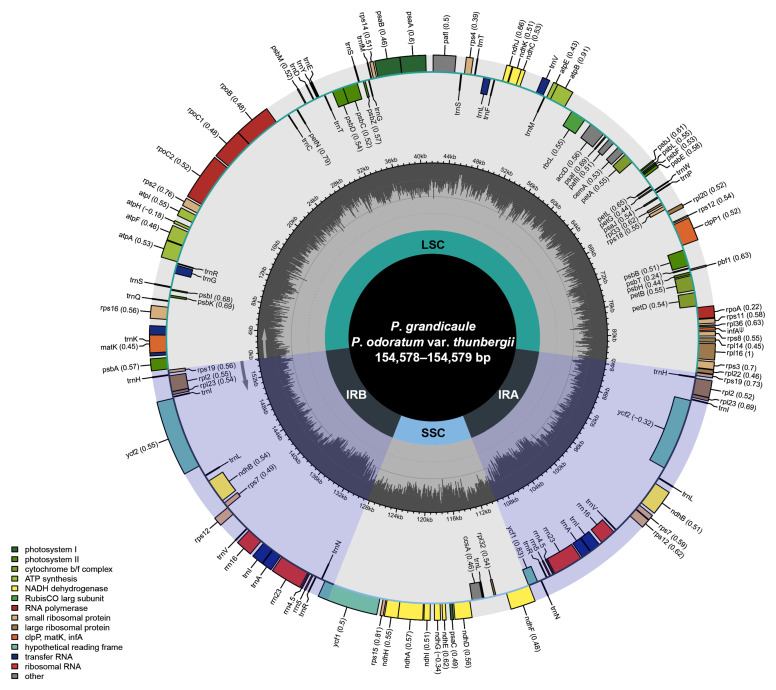 Figure 1
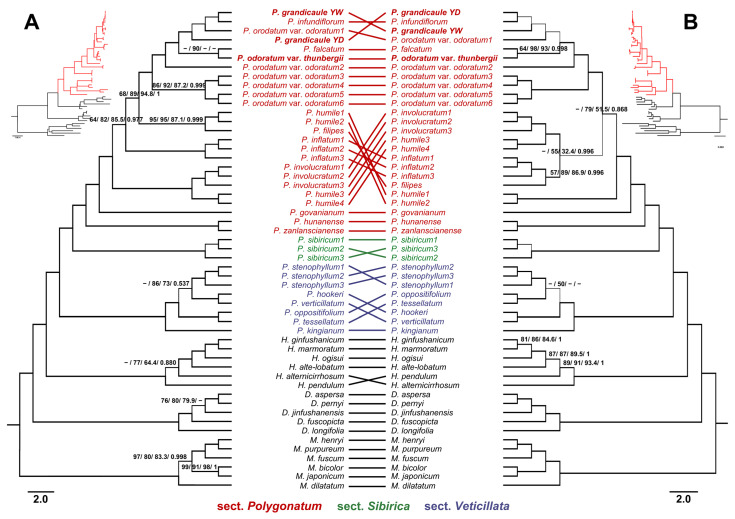 Figure 2
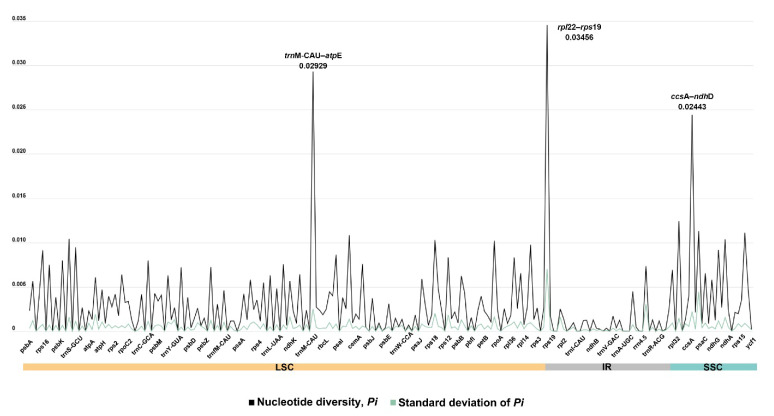 Figure 3
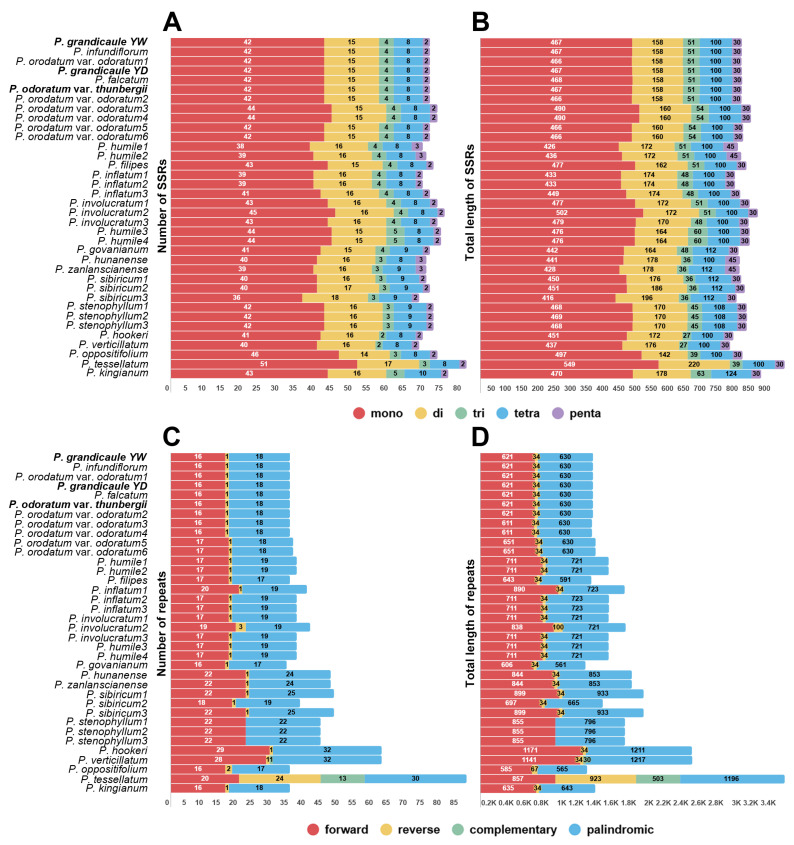 Figure 4
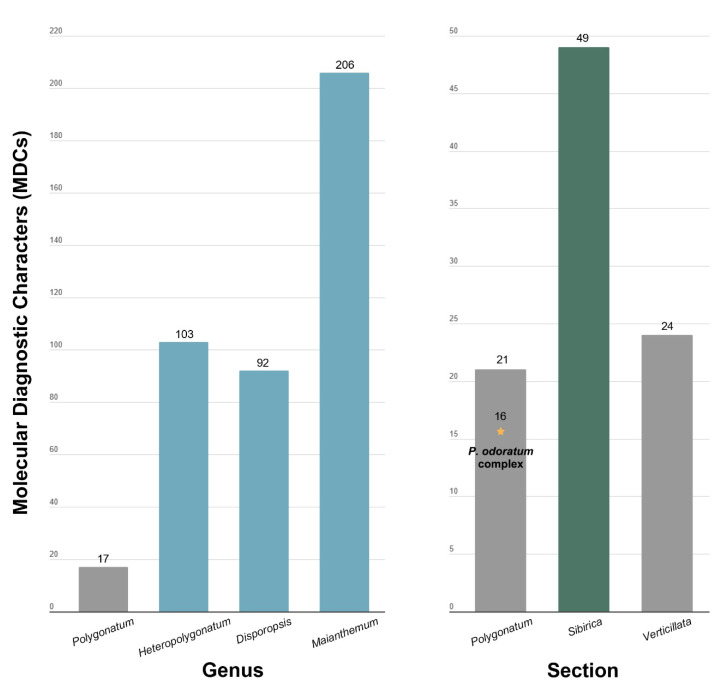 Figure 5
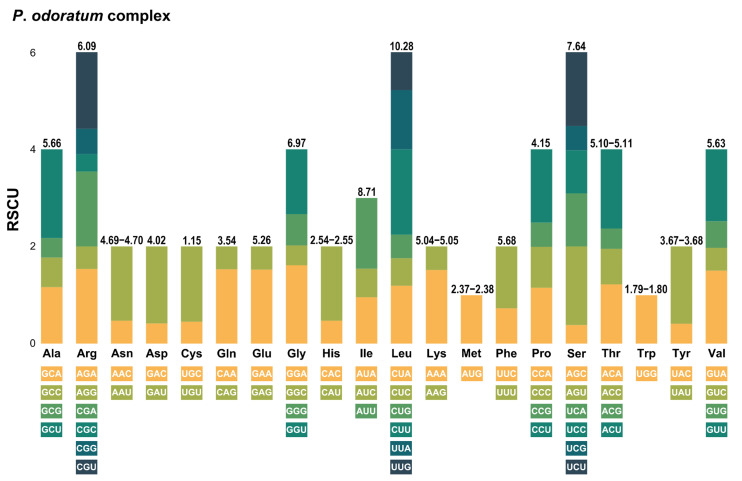 Figure 6
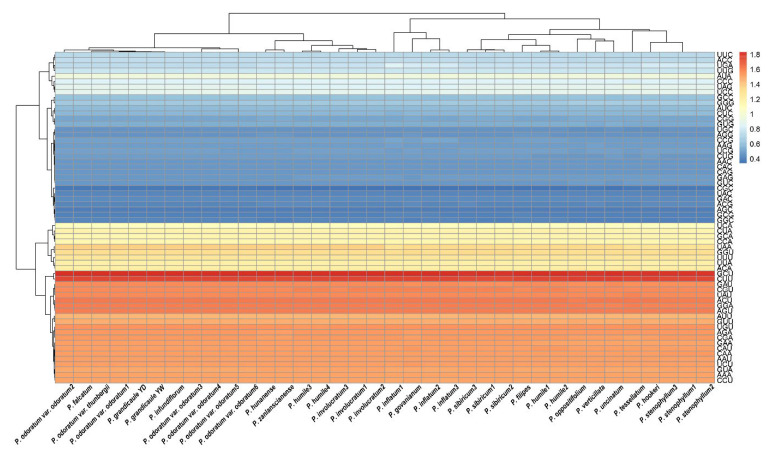 Figure 7
Peer Reviews
No public reviews on file for this paper yet. If you reviewed it on a platform where reviews are public (OpenReview, ICLR, NeurIPS, ICML), you can paste yours below so the community can read it here.
Videos
No videos yet. Explain this paper in a talk, walkthrough, or lecture? Add one.
Taxonomy
TopicsPlant and Fungal Species Descriptions · Plant Diversity and Evolution · Plant Pathogens and Fungal Diseases