A Novel Cystatin Gene from Sea Cucumber (Apostichopus japonicus): Characterization and Comparative Expression with Cathepsin L During Early Stage of Hypoxic Exposure-Induced Autolysis
Siyu Yao, Rui Zhang, Siyuan Ma, Ting Zhao, Qinhao Liu, Lin Zhu, Chang Liu, Liming Sun, Ming Du

TL;DR
This study identifies a new cystatin gene in sea cucumbers and shows it helps prevent autolysis during early hypoxia by inhibiting a protease.
Contribution
A novel cystatin gene (SjCyt) is characterized and shown to inhibit cathepsin L during early hypoxic autolysis in sea cucumbers.
Findings
SjCyt interacts more strongly with cathepsin L than with cathepsin B, as shown by molecular dynamics simulations.
SjCyt and SjCL are co-expressed in tissues like the dorsal epidermis and tube feet during early hypoxia.
Recombinant SjCyt inhibits autolysis, suggesting a regulatory role at both transcriptional and translational levels.
Abstract
Autolysis in sea cucumber has long been a threat to raw material storage and product processing. The involvement of endogenous cysteine protease in sea cucumber autolysis has been proved extendedly. However, as an essential part of the mechanism of autolysis, the role of its endogenous inhibitor has seldom been reported. To investigate the role of cysteine protease inhibitors in the early stage of hypoxic exposure-induced autolysis, a novel cystatin gene (SjCyt) belonging to the subfamily of cystatin C was cloned from Apostichopus japonicus by homology cloning and rapid amplification of cDNA ends. The affinity of SjCyt to cysteine protease (cathepsin L and cathepsin B) was investigated by molecular dynamics simulations. Pertinent metrics, including the root mean square deviation, radius of gyration, Gibbs free energy, binding free energy, and bond-forming frequency, showed that the…
Genes, proteins, chemicals, diseases, species, mutations and cell lines named across the full text — each resolved to its canonical identifier and authoritative record.
Click any figure to enlarge with its caption.
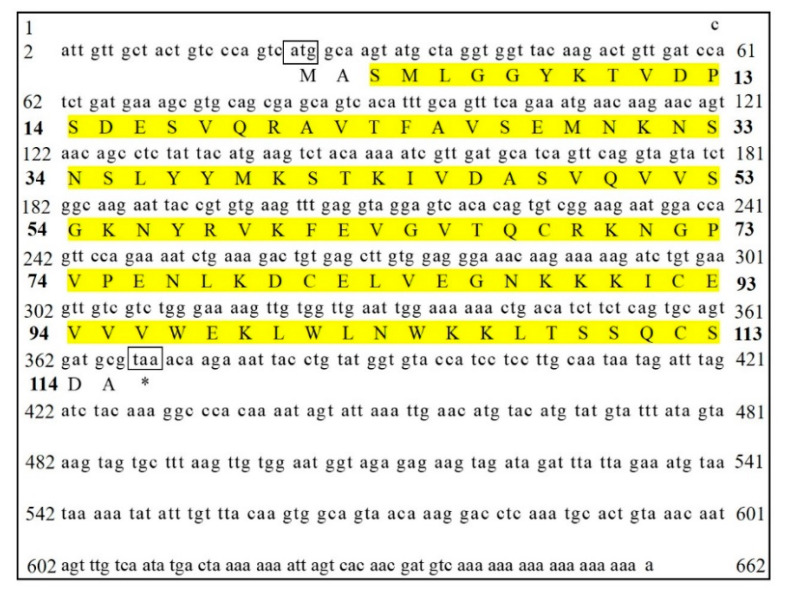 Figure 1
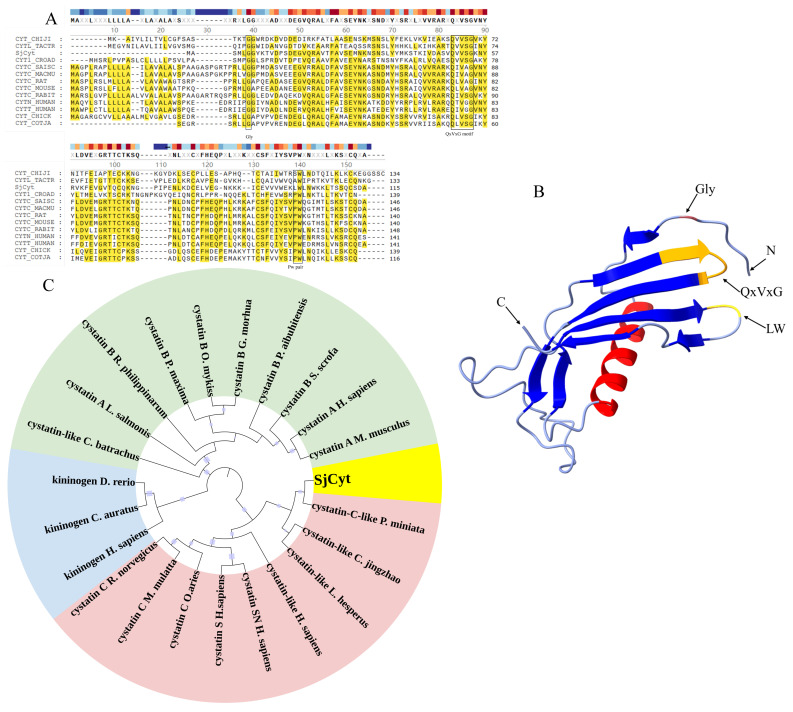 Figure 2
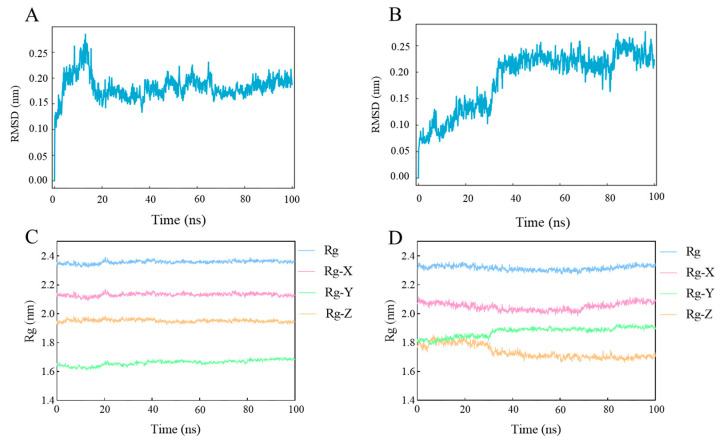 Figure 3
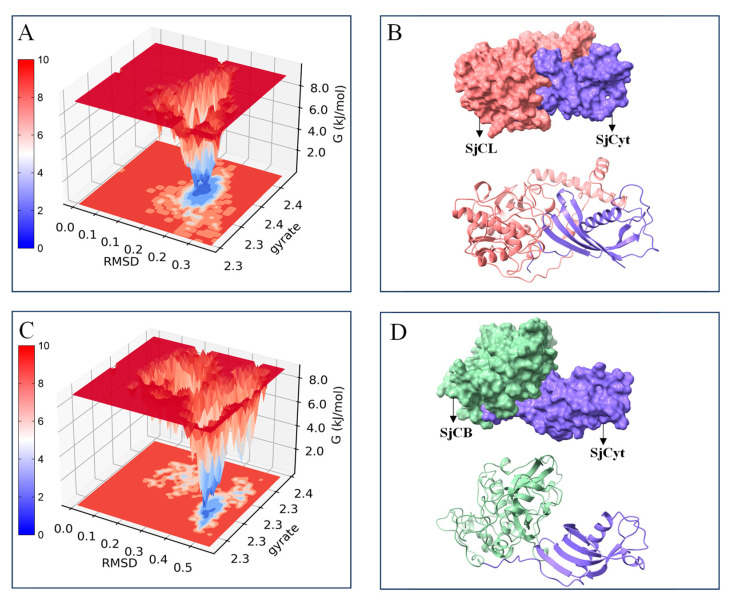 Figure 4
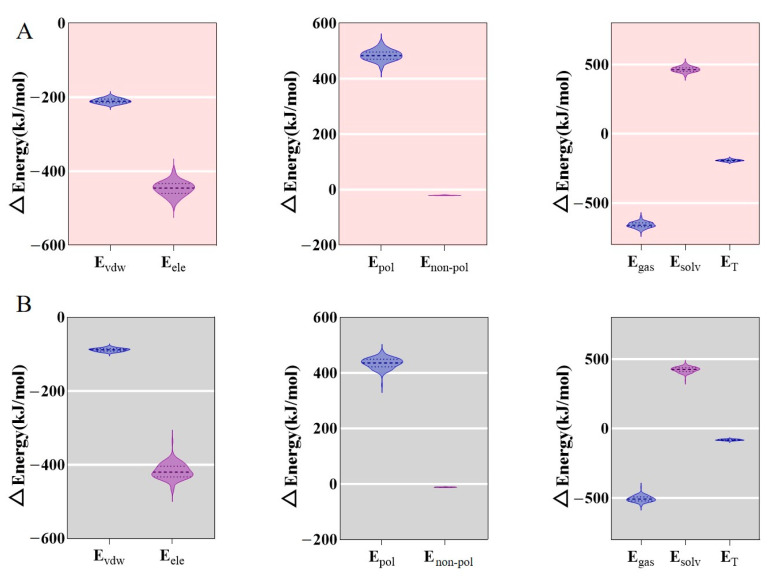 Figure 5
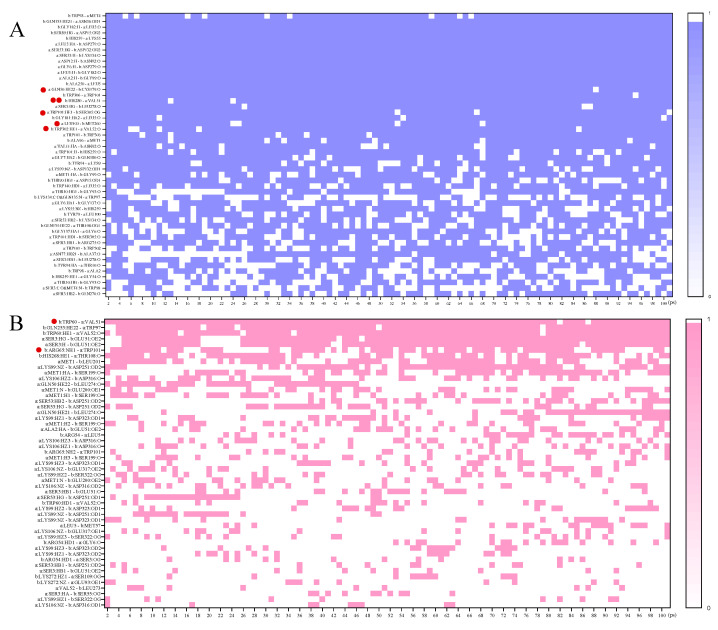 Figure 6
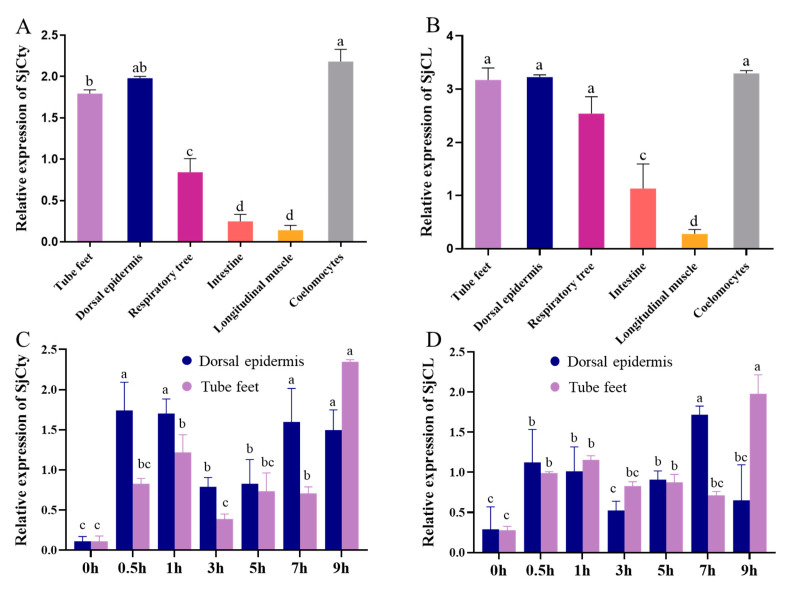 Figure 7
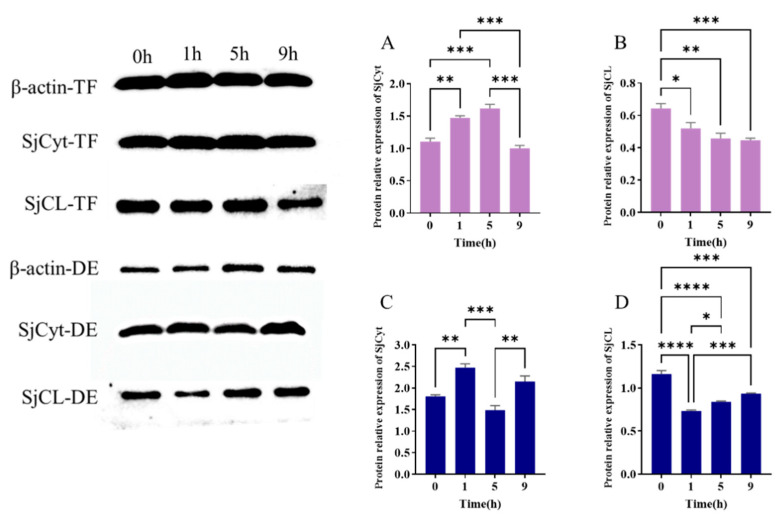 Figure 8
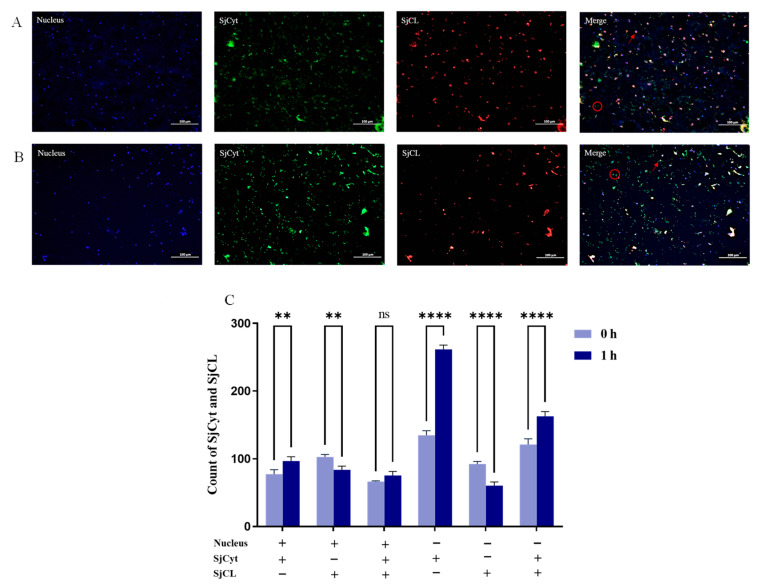 Figure 9
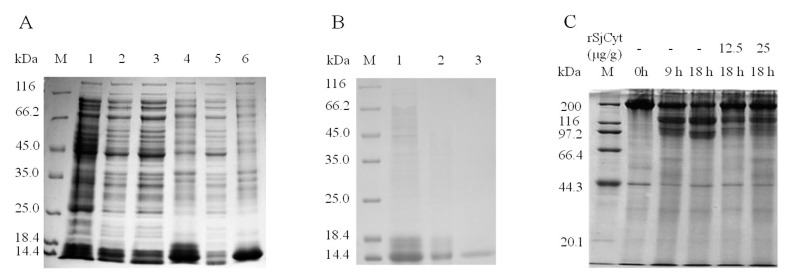 Figure 10
Peer Reviews
No public reviews on file for this paper yet. If you reviewed it on a platform where reviews are public (OpenReview, ICLR, NeurIPS, ICML), you can paste yours below so the community can read it here.
Videos
No videos yet. Explain this paper in a talk, walkthrough, or lecture? Add one.
Taxonomy
TopicsAquaculture Nutrition and Growth · Echinoderm biology and ecology · Marine Bivalve and Aquaculture Studies