hTERT and SV40LgT Renal Cell Lines Adjust Their Transcriptional Responses After Copy Number Changes from the Parent Proximal Tubule Cells
Bruce Alex Merrick, Ashley M. Brooks, Julie F. Foley, Negin P. Martin, Rick D. Fannin, Wesley Gladwell, Kevin E. Gerrish

TL;DR
This study compares how two types of immortalized kidney cell lines respond differently to chemical challenges due to changes in their gene copy numbers and transcriptional profiles.
Contribution
The study reveals how gene copy number changes during immortalization affect transcriptional responses in renal cell lines.
Findings
LgT cells showed increased injury and repair responses compared to hTERT cells after chemical challenge.
Genomic changes in LgT cells included increased gene copy numbers in chromosome 5, while hTERT cells had copy losses in chromosomes 4 and 9.
Transcriptomic differences included altered pathways in energy metabolism for hTERT and cell cycle/DNA repair for LgT cells.
Abstract
Primary mouse renal proximal tubule epithelial cells (moRPTECs) were immortalized by lentivirus transduction to create hTERT or SV40LgT (LgT) cell lines. Prior work showed a more pronounced injury and repair response in LgT versus hTERT cells after chemical challenge. We hypothesized that unique genomic changes occurred after immortalization, altering critical genes and pathways. RNA-seq profiling and whole-genome sequencing (WGS) of parent, hTERT, and LgT cells showed that 92.5% of the annotated transcripts were shared, suggesting a conserved proximal tubule expression pattern. However, the cell lines exhibited unique transcriptomic and genomic profiles different from the parent cells. Three transcript classes were quite relevant for chemical challenge response—Cyps, ion channels, and metabolic transporters—each important for renal function. A pathway analysis of the hTERT cells…
Genes, proteins, chemicals, diseases, species, mutations and cell lines named across the full text — each resolved to its canonical identifier and authoritative record.
Click any figure to enlarge with its caption.
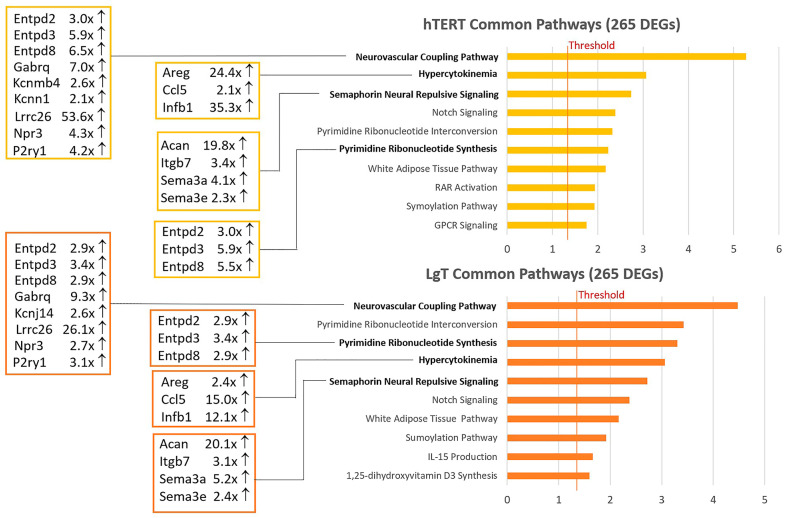 Figure 1
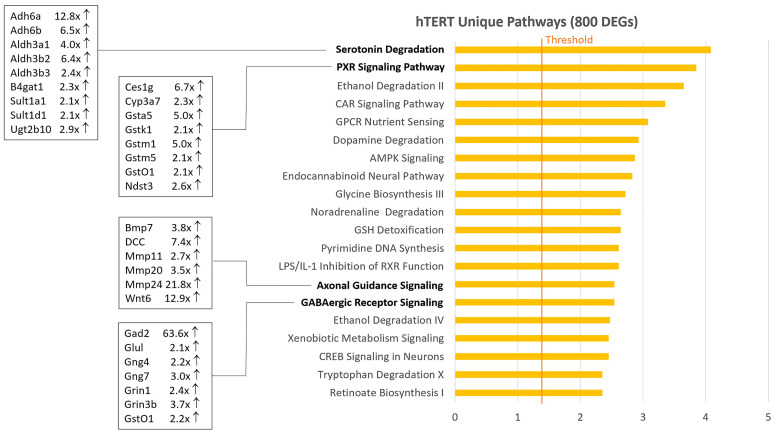 Figure 2
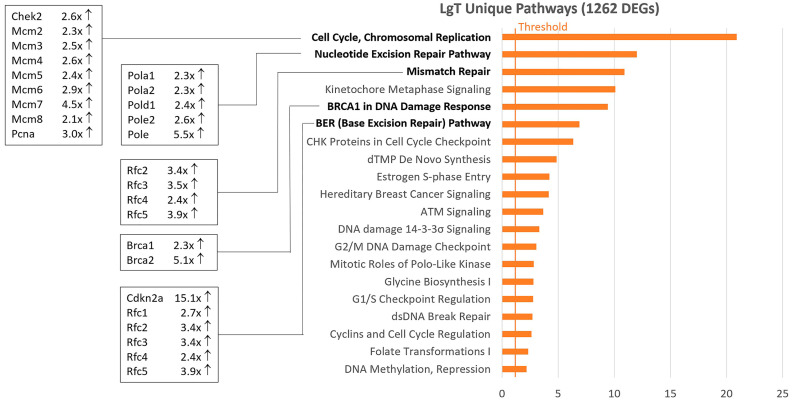 Figure 3
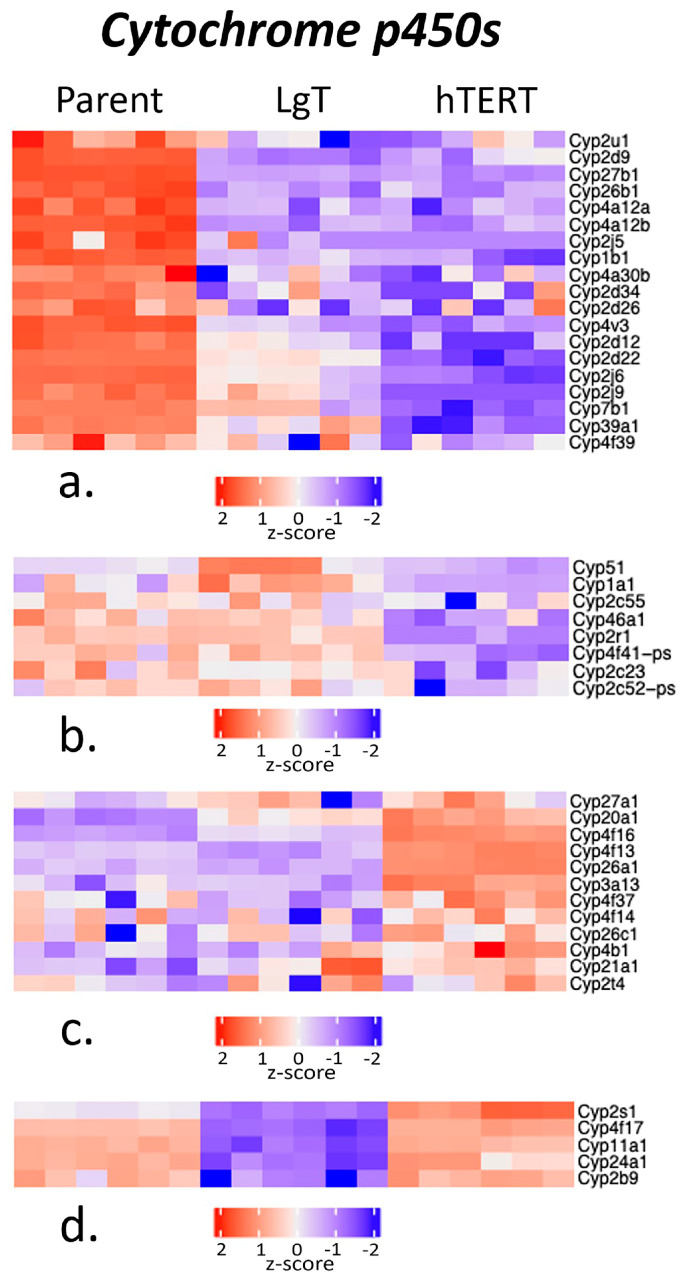 Figure 4
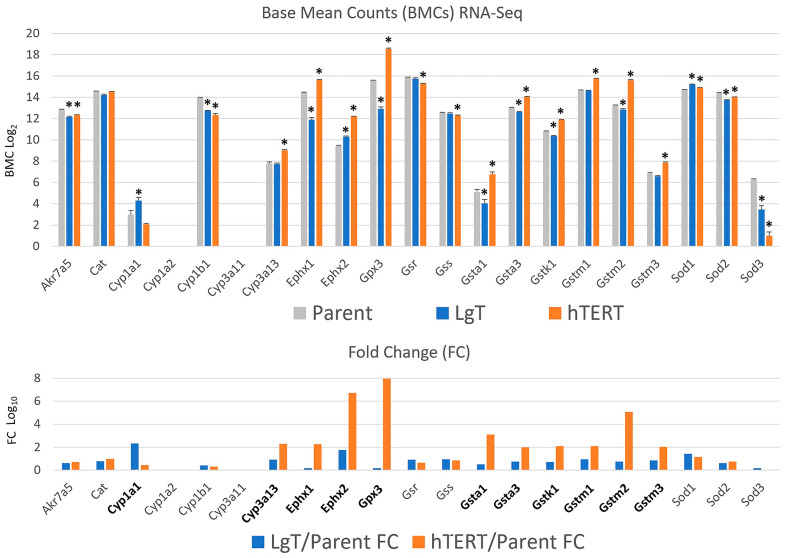 Figure 5
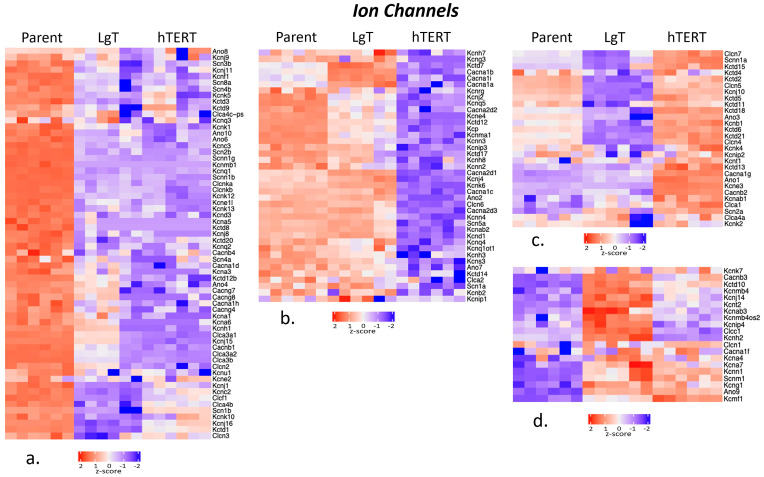 Figure 6
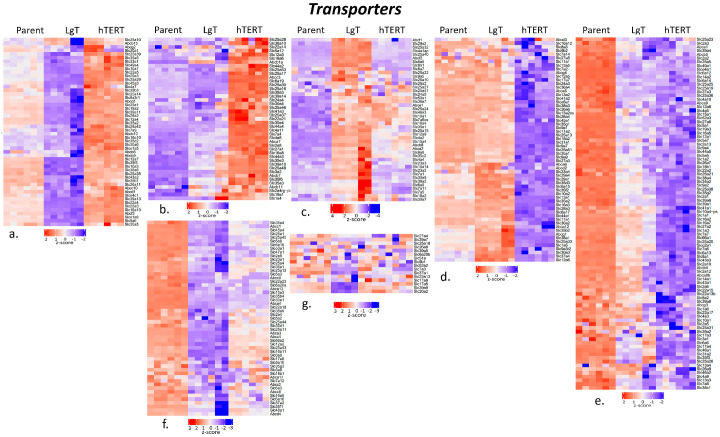 Figure 7
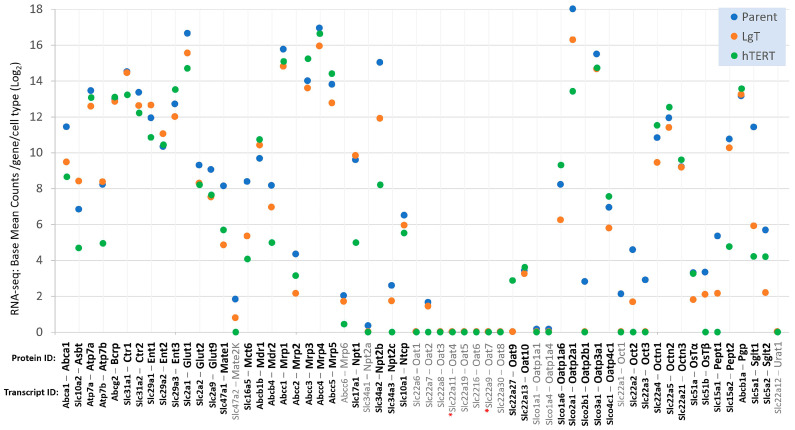 Figure 8
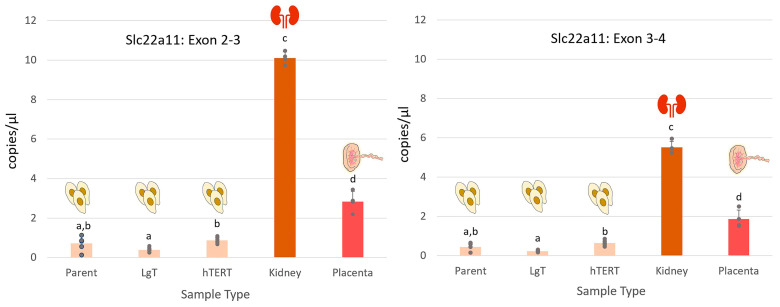 Figure 9
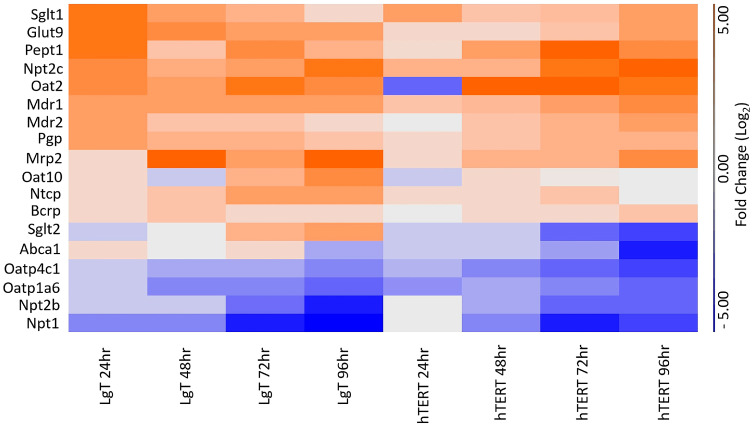 Figure 10
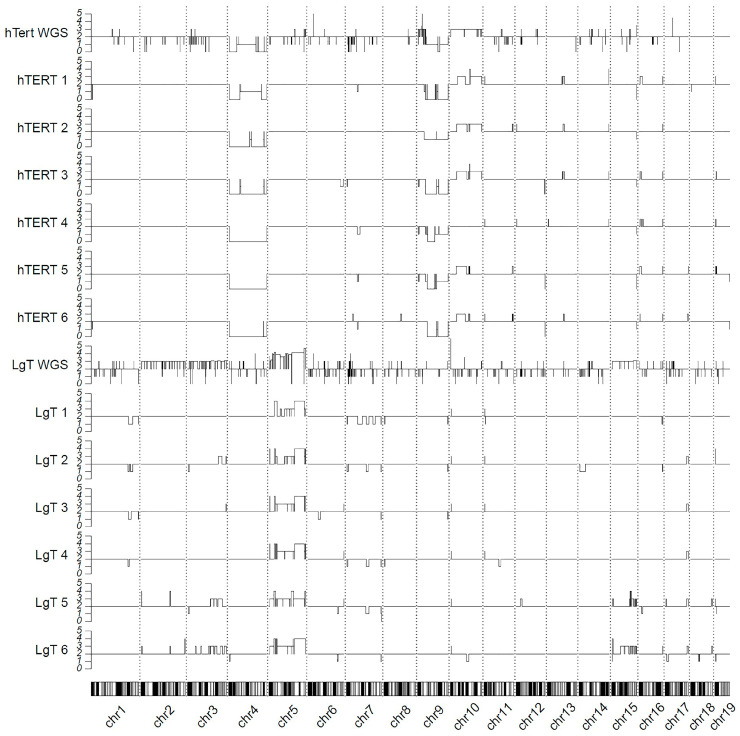 Figure 11
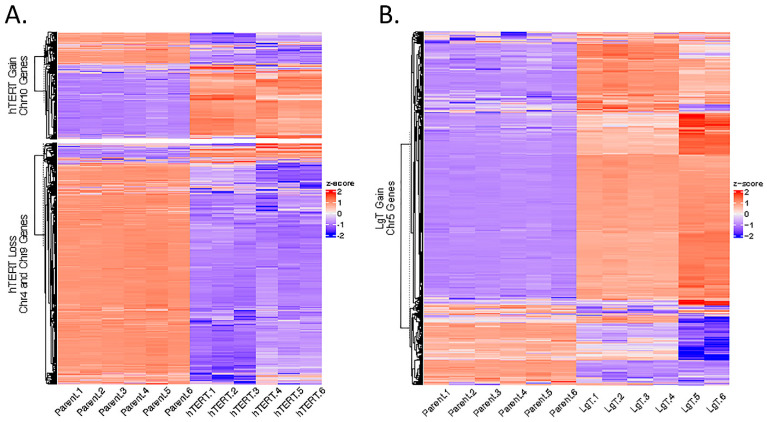 Figure 12
Peer Reviews
No public reviews on file for this paper yet. If you reviewed it on a platform where reviews are public (OpenReview, ICLR, NeurIPS, ICML), you can paste yours below so the community can read it here.
Videos
No videos yet. Explain this paper in a talk, walkthrough, or lecture? Add one.
Taxonomy
TopicsRenal and related cancers · Epigenetics and DNA Methylation · Genetics and Neurodevelopmental Disorders