A Comparative Study of a Potent CNS-Permeable RARβ-Modulator, Ellorarxine, in Neurons, Glia and Microglia Cells In Vitro
Yunxi Zhang, Lilie Gailloud, Alexander Shin, Jessica Fewkes, Rosella Pinckney, Andrew Whiting, Paul Chazot

TL;DR
This study investigates Ellorarxine, a new brain-penetrating retinoid, for its potential to treat neurodegenerative diseases by improving cell survival and function in neurons and glial cells.
Contribution
The study introduces Ellorarxine, a novel CNS-permeable RARβ-modulator, and demonstrates its therapeutic potential in neurodegenerative disease models in vitro.
Findings
Ellorarxine increased Cyp26 and RARβ protein expression in neurons, glia, and microglia.
Ellorarxine reduced cell death and improved mitochondrial viability in neurons and glia.
Ellorarxine modulated cytokine release and enhanced autophagy in microglia and other cell types.
Abstract
Vitamin A (retinol) and its derivatives (retinoids) assume critical roles in neural development, cellular differentiation, axon elongation, programmed cell apoptosis and various fundamental cellular processes. Retinoids function by binding to specific nuclear receptors, such as retinoic acid receptors (RARs) and retinoid X receptors (RXRs), activating specific signalling pathways in the cells. The disruption of the retinoic acid signalling pathway can result in neuroinflammation, oxidative and ER stress and mitochondrial dysfunction and has been implicated in a wide range of neurodegenerative diseases. The present study explored the potential therapeutic application of our innovative CNS-permeable synthetic retinoid, Ellorarxine, for the treatment of neurodegenerative disorders in vitro. An MTT (3-(4,5-dimethylthiazol-2-yl)-2,5-diphenyltetrazolium bromide) tetrazolium assay, lactate…
Genes, proteins, chemicals, diseases, species, mutations and cell lines named across the full text — each resolved to its canonical identifier and authoritative record.
Click any figure to enlarge with its caption.
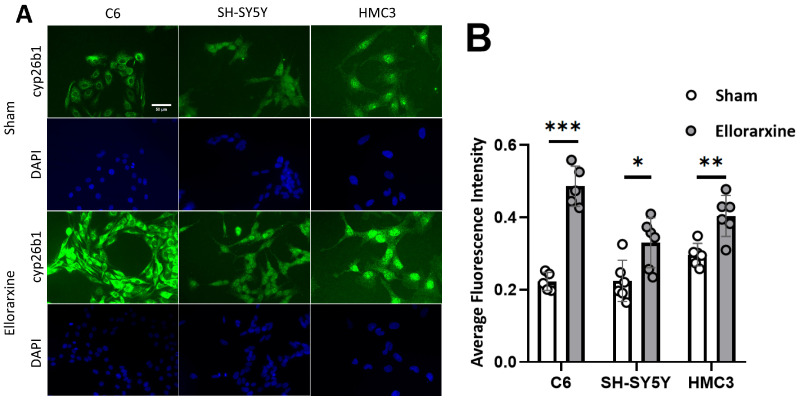 Figure 1
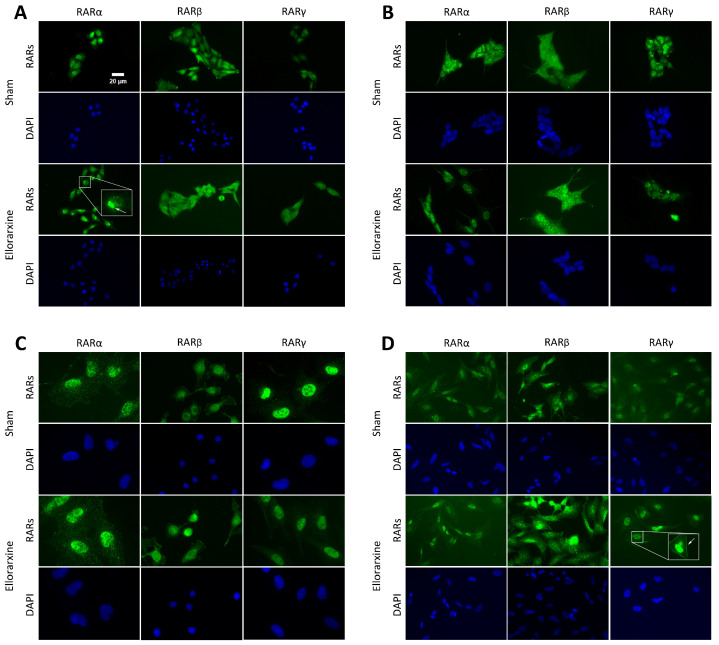 Figure 2
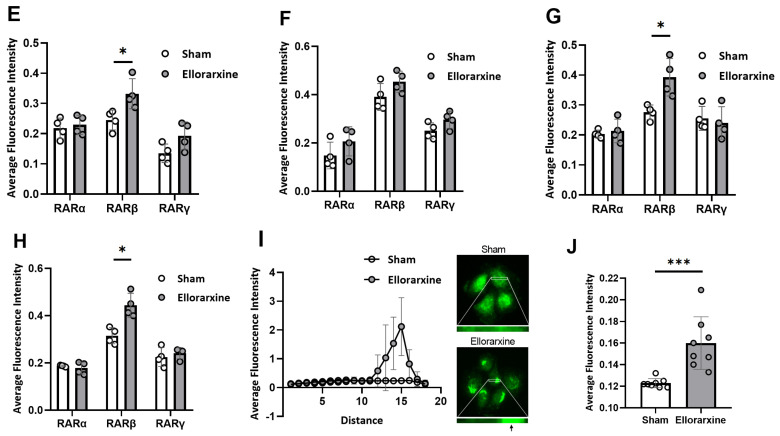 Figure 3
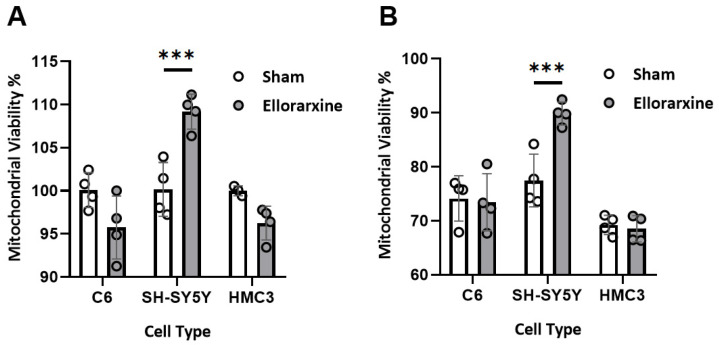 Figure 4
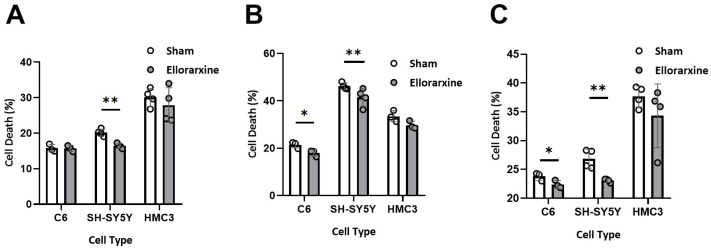 Figure 5
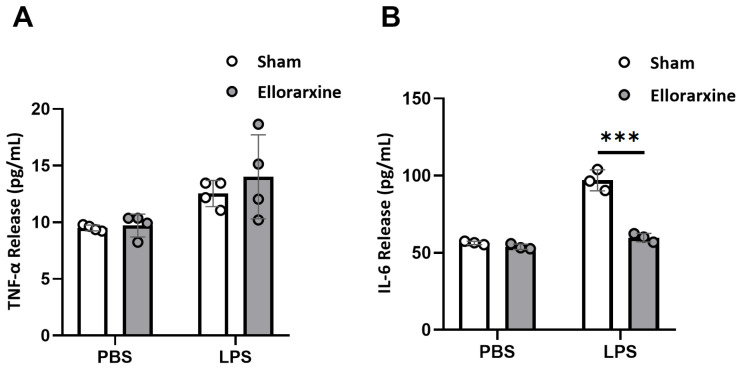 Figure 6
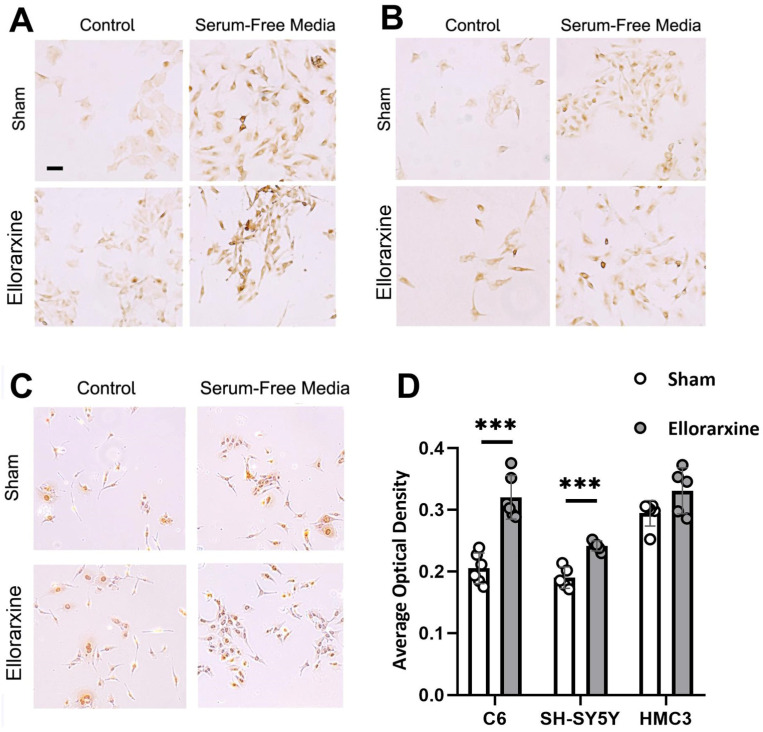 Figure 7
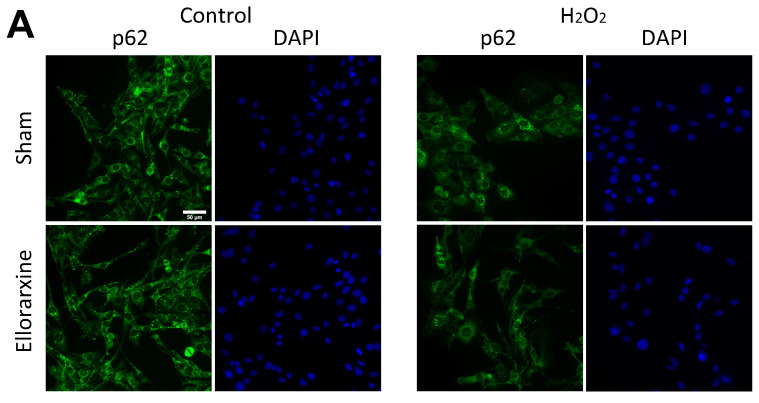 Figure 8
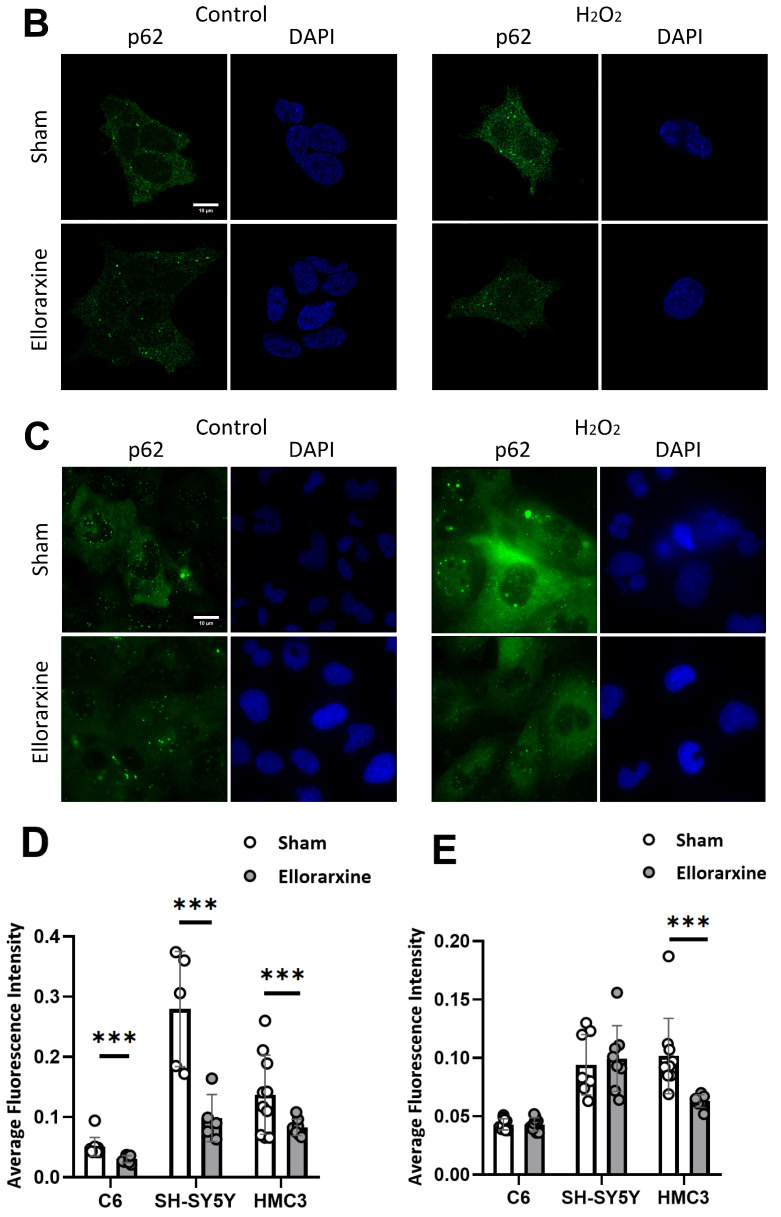 Figure 9
Peer Reviews
No public reviews on file for this paper yet. If you reviewed it on a platform where reviews are public (OpenReview, ICLR, NeurIPS, ICML), you can paste yours below so the community can read it here.
Videos
No videos yet. Explain this paper in a talk, walkthrough, or lecture? Add one.
Taxonomy
TopicsRetinoids in leukemia and cellular processes · Nuclear Receptors and Signaling · Neuroinflammation and Neurodegeneration Mechanisms