Convergent Validity of the Lower Quarter Y Balance Test Against Two-Step and Timed Up and Go Tests in Thai Older Adults with and Without Locomotive Syndrome
Chadapa Rungruangbaiyok, Charupa Lektip, Jiraphat Nawarat, Eiji Miyake, Keiichiro Aoki, Hiroyuki Ohtsuka, Yasuko Inaba, Yoshinori Kagaya, Weeranan Yaemrattanakul

TL;DR
This study shows that the Lower Quarter Y Balance Test is a valid tool for assessing balance in older Thai adults, especially those with locomotive syndrome.
Contribution
The study provides new evidence on the convergent validity of the YBT-LQ in older adults with and without locomotive syndrome.
Findings
The YBT-LQ showed moderate positive correlation with the Two-Step test and moderate negative correlation with the TUG test.
Older adults with locomotive syndrome had significantly lower YBT-LQ scores than those without.
The YBT-LQ can identify multidirectional stability deficits in older adults with locomotive syndrome.
Abstract
Locomotive syndrome (LS) predisposes older adults to falls and functional dependency. In older adults with LS, the validity of the Lower Quarter Y Balance Test (YBT-LQ)—a dynamic balance assessment tool—remains unclear. This cross-sectional study aimed to assess the convergent validity of the YBT-LQ with the Two-Step and Timed Up and Go (TUG) tests and compare YBT-LQ performance between individuals with and without LS. Sixty Thai community-dwelling older adults (≥60 years) were equally divided into LS and non-LS groups and performed the YBT-LQ, Two-Step test, and TUG test. Correlation analyses and independent t-tests assessed relationships and between-group comparisons, respectively. The YBT-LQ exhibited moderate positive correlations with the Two-Step test (r = 0.366, p = 0.004) and moderate negative correlations with the TUG test (r = −0.412, p = 0.001). The LS group exhibited…
Genes, proteins, chemicals, diseases, species, mutations and cell lines named across the full text — each resolved to its canonical identifier and authoritative record.
Click any figure to enlarge with its caption.
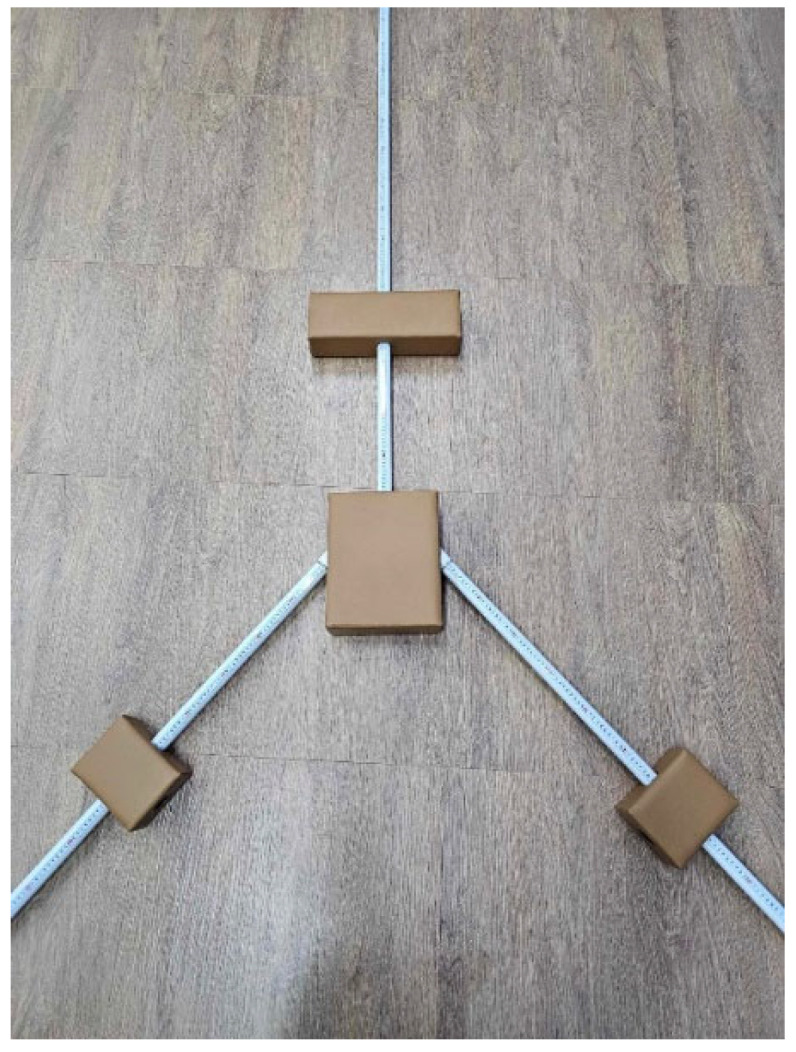 Figure 1
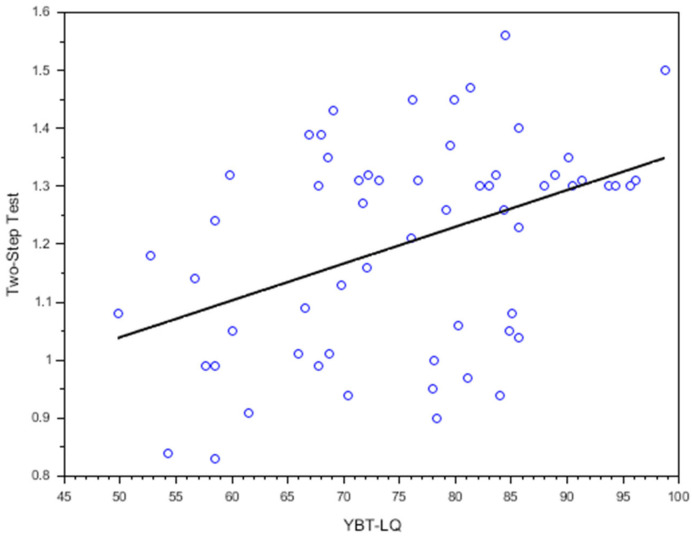 Figure 2
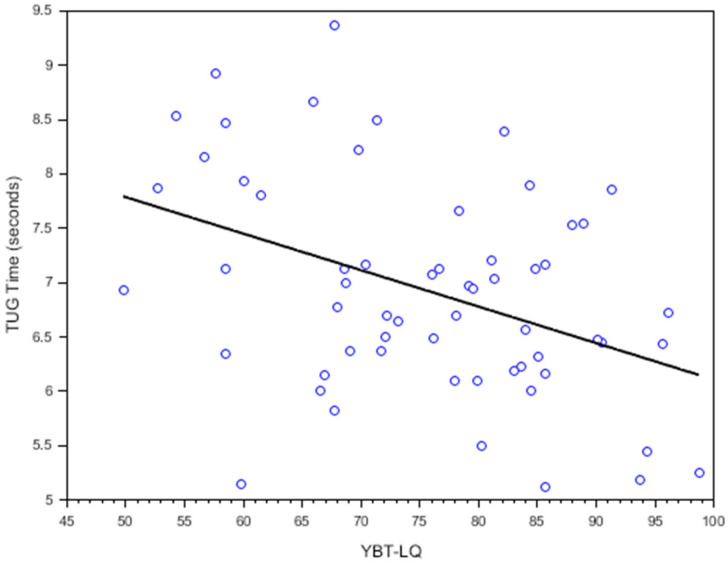 Figure 3
Peer Reviews
No public reviews on file for this paper yet. If you reviewed it on a platform where reviews are public (OpenReview, ICLR, NeurIPS, ICML), you can paste yours below so the community can read it here.
Videos
No videos yet. Explain this paper in a talk, walkthrough, or lecture? Add one.
Taxonomy
TopicsBalance, Gait, and Falls Prevention · Cerebral Palsy and Movement Disorders · Scoliosis diagnosis and treatment