Rapidly obtaining genome sequence of Severe Fever with Thrombocytopenia Syndrome virus directly from clinical serum specimen using long amplicon based nanopore sequencing workflow
Tingting Tian, Yanhan Wen, Liping Gao, Tiezhu Liu, Xiaoxia Huang, Chuan Li, Shanshan Du, Hao Li, Meijun Guo, Jiandong Li, Shiwen Wang, Dexin Li, Aqian Li, Mifang Liang

TL;DR
Researchers developed a fast workflow to get the genome sequence of SFTSV directly from patient samples using nanopore sequencing.
Contribution
A new nanopore sequencing workflow using long amplicons enables rapid and accurate SFTSV genome sequencing from clinical serum.
Findings
The workflow achieved over 98% genome coverage and 99.91% sequence identity with Sanger sequencing in 10 minutes.
Clinical validation confirmed successful genome sequencing from two serum specimens within 10 hours.
The method provides high coverage depth (over 700x) even at low viral loads (Ct 35).
Abstract
Severe Fever with Thrombocytopenia Syndrome (SFTS) is an emerging viral infectious disease discovered in 2009 with a high fatality rate and continuing to pose a public threat for many countries. Surveillance of genome sequence of its causative pathogen, Severe Fever with Thrombocytopenia Syndrome virus (SFTSV), could provide evidence for SFTS control, diagnosis method update, viral evolution dynamic and pathogenic mechanism research, etc. Here, we developed a workflow for rapidly obtaining the genome sequence of SFTSV directly from clinical samples to facilitate the viral genome sequence surveillance. Three pairs of primers targeting the terminal conserved regions of three segments were newly designed to more efficiently enrich nearly whole viral genome. Datasets comprised reads generated in different timeframes for four simulated samples with high to low serially diluted viral loads…
Genes, proteins, chemicals, diseases, species, mutations and cell lines named across the full text — each resolved to its canonical identifier and authoritative record.
Click any figure to enlarge with its caption.
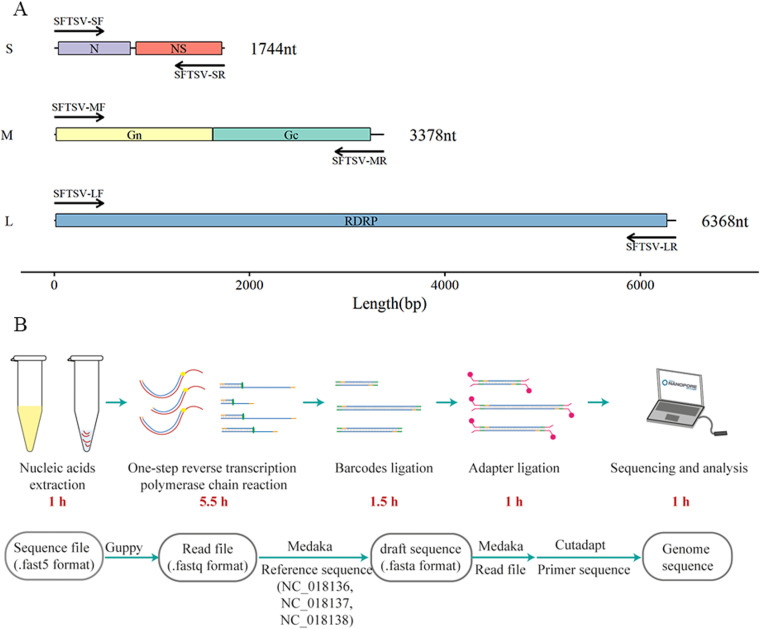 Figure 1
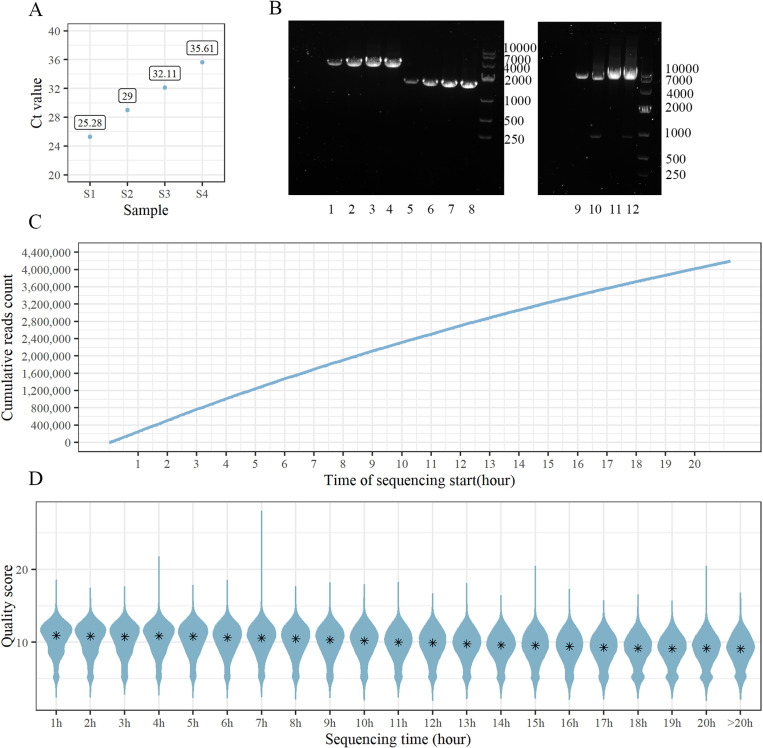 Figure 2
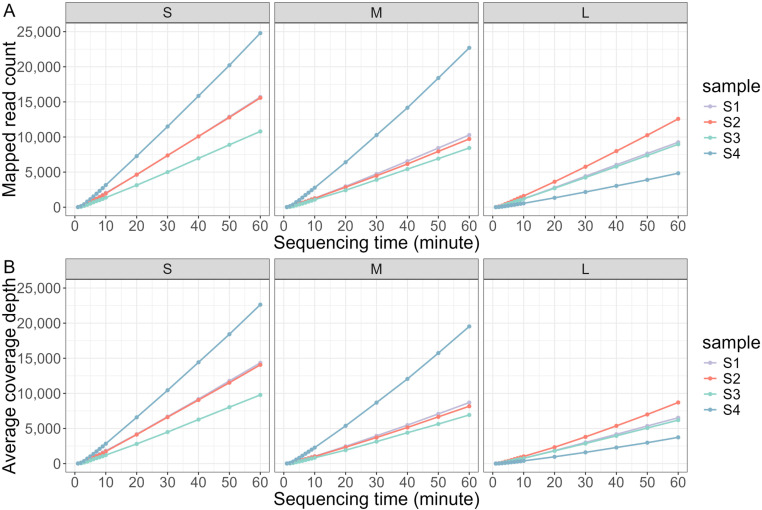 Figure 3
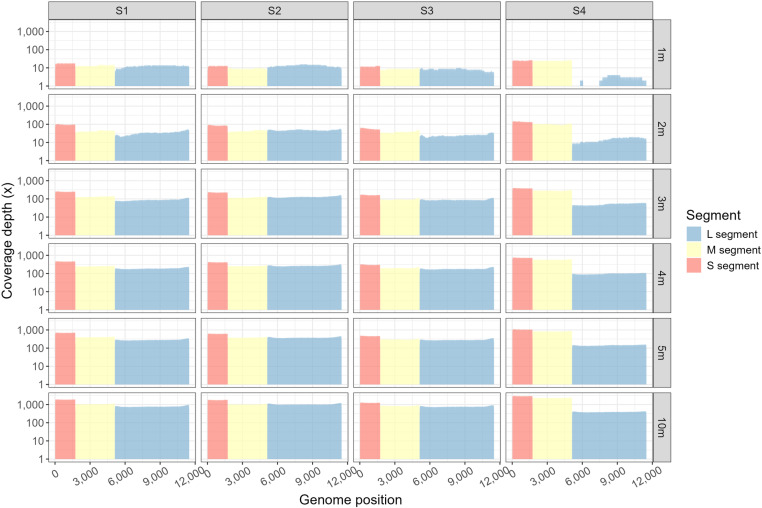 Figure 4
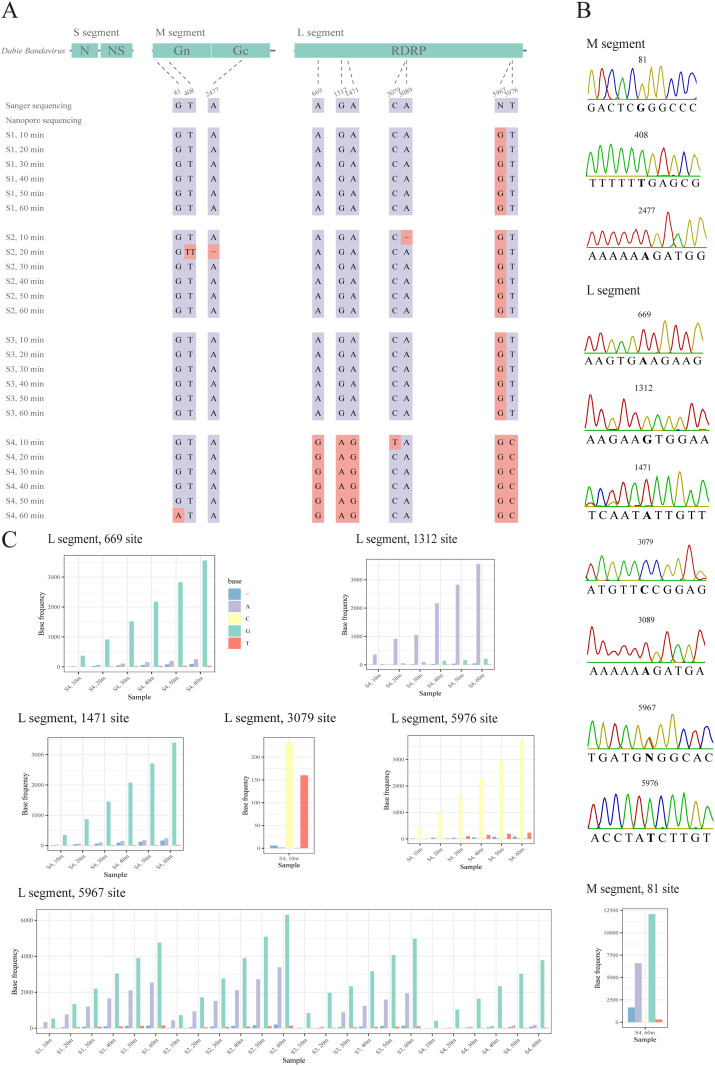 Figure 5
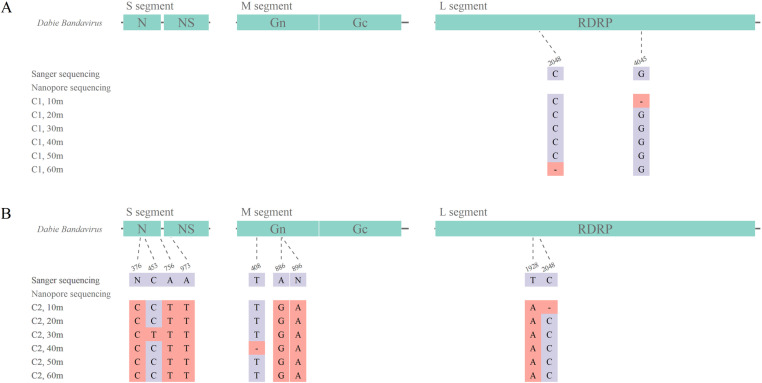 Figure 6
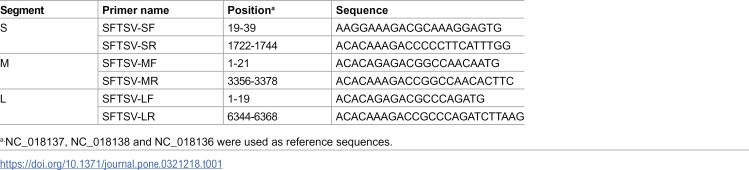 Figure 7
Peer Reviews
No public reviews on file for this paper yet. If you reviewed it on a platform where reviews are public (OpenReview, ICLR, NeurIPS, ICML), you can paste yours below so the community can read it here.
Videos
No videos yet. Explain this paper in a talk, walkthrough, or lecture? Add one.
Taxonomy
TopicsViral Infections and Vectors · Viral Infections and Outbreaks Research · Fire effects on ecosystems