Adherence to Hydroxyurea Therapy for Pediatric Sickle Cell Anemia in Tanzania: Evidence from Bugando Medical Centre
Maria Inviolata Subira, Emmanuela E. Ambrose, Eveline Konje

TL;DR
This study examines why children in Tanzania are not taking hydroxyurea for sickle cell anemia as prescribed, finding that younger children and those with more educated caregivers are more likely to adhere.
Contribution
The study provides new evidence on adherence to hydroxyurea therapy in a resource-limited setting, identifying caregiver education and child age as key factors.
Findings
Only 23.8% of children showed good adherence to hydroxyurea therapy.
Children aged 1–10 years were twice as likely to adhere compared to older children.
Higher caregiver education significantly increased adherence rates.
Abstract
Hydroxyurea is effective in reducing the severity of Sickle cell anemia (SCA) symptoms, yet adherence remains challenging, particularly in resource-limited settings. Bugando Medical Centre, a major healthcare provider, faces undocumented adherence issues among its pediatric SCA patients. This study aims to evaluate the adherence rate to hydroxyurea therapy among caregivers of children with SCA at Bugando Medical Centre and identify factors contributing to non-adherence. This analytical cross-sectional study involved 172 participants. Data were analyzed using Stata version 15 and modified Poisson regression determined the association between exposures and adherence to hydroxyurea treatment. More than half (68.6%) of the children were aged between 1 and 10 years, with a median age of 8 years (IQR: 5–12). Good adherence to hydroxyurea was observed in 23.8% of participants, while 76.2%…
Genes, proteins, chemicals, diseases, species, mutations and cell lines named across the full text — each resolved to its canonical identifier and authoritative record.
Click any figure to enlarge with its caption.
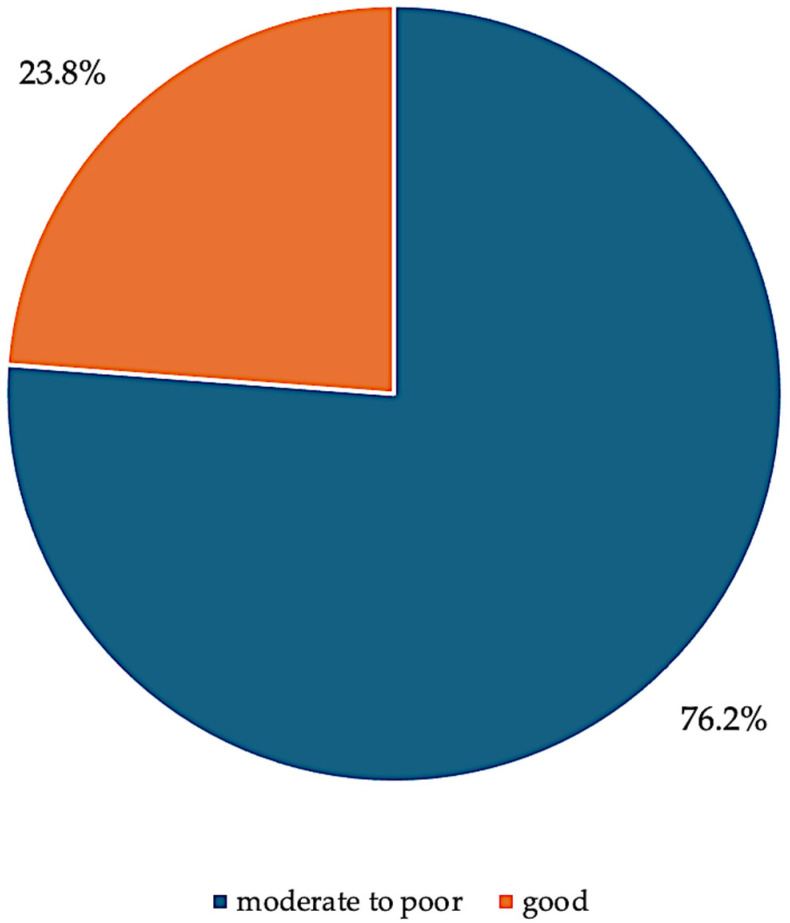 Figure 1
Peer Reviews
No public reviews on file for this paper yet. If you reviewed it on a platform where reviews are public (OpenReview, ICLR, NeurIPS, ICML), you can paste yours below so the community can read it here.
Videos
No videos yet. Explain this paper in a talk, walkthrough, or lecture? Add one.
Taxonomy
TopicsHemoglobinopathies and Related Disorders · Iron Metabolism and Disorders · HIV/AIDS Research and Interventions