2-Phenylcyclopropylmethylamine (PCPMA) Derivatives as D3R-Selective Ligands for 3D-QSAR, Docking and Molecular Dynamics Simulation Studies
Li Guo, Yuepeng Gao, Sujuan Zhang, Lingmi Zhao, Runxin Zhao, Pinghua Sun, Xinhui Pan, Wei Zhang

TL;DR
This study explores PCPMA derivatives as selective ligands for the dopamine D3 receptor using computational methods to guide future drug development.
Contribution
The study introduces a novel theoretical framework combining 3D-QSAR, docking, and molecular dynamics to design D3R-selective ligands.
Findings
3D-QSAR models showed steric, electrostatic, and hydrophobic fields are crucial for PCPMA-D3R binding.
Four novel PCPMAs were predicted to have stronger D3R affinity based on computational analysis.
Molecular dynamics and free energy calculations confirmed strong ligand-receptor interactions in the binding pocket.
Abstract
Dopamine D3 receptor (D3R) is a key receptor for regulating motor, cognitive, and other functions. In this study, 50 2-phenylcyclopropylmethylamine (PCPMA) derivatives with good selectivity for D3R were investigated using a three-dimensional quantitative structure–activity relationship (3D-QSAR) method. The CoMFA and CoMSIA model results showed good predictive ability, as evidenced by high r2 and q2 values. 3D-QSAR results showed that steric, electrostatic, and hydrophobic fields played important roles in the binding of PCPMAs to D3R. Based on above results, four novel PCPMAs were designed, which were predicted to have a stronger affinity with D3R. Molecular docking combined with 300 ns molecular dynamics simulations were performed to reveal the mode of interaction between D3R and PCPMAs. Additionally, a combination of free energy calculations and energy decomposition results indicated…
Genes, proteins, chemicals, diseases, species, mutations and cell lines named across the full text — each resolved to its canonical identifier and authoritative record.
Click any figure to enlarge with its caption.
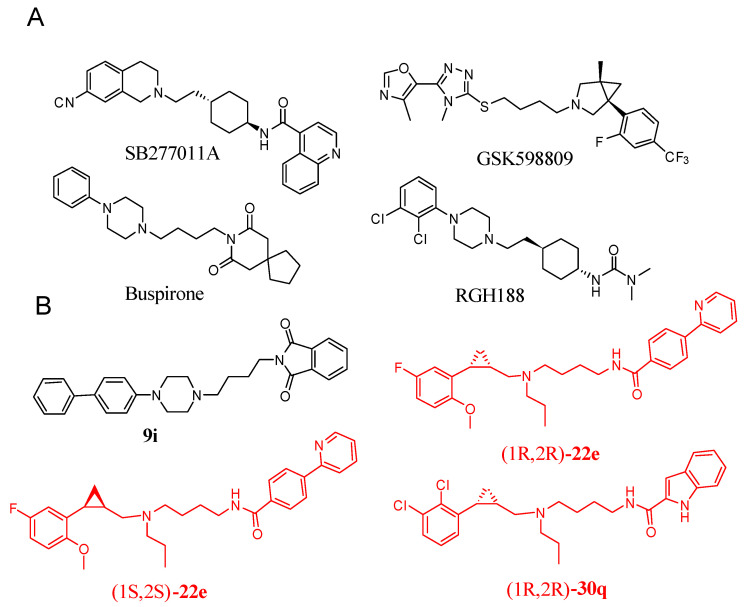 Figure 1
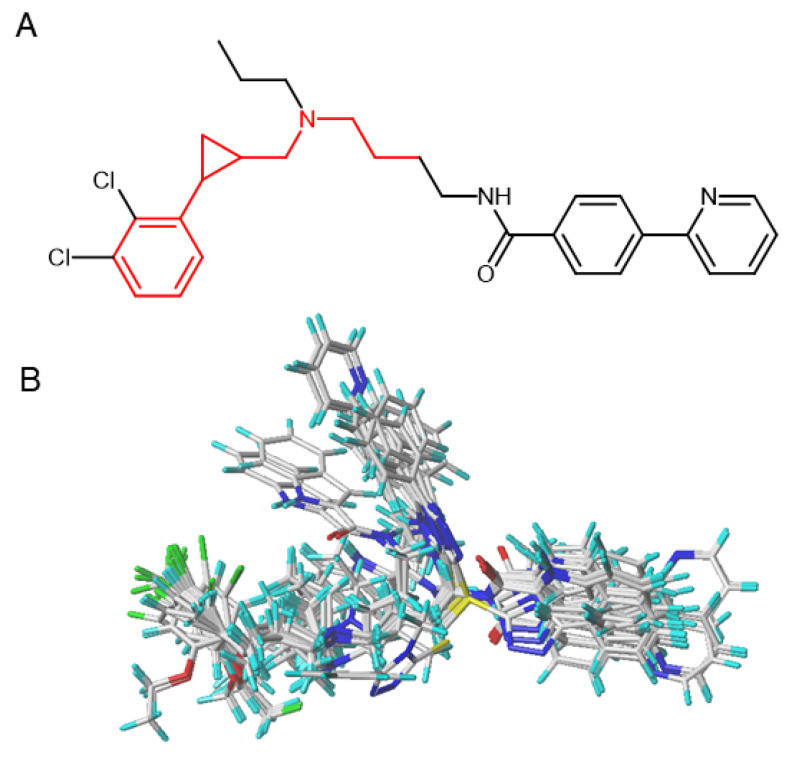 Figure 2
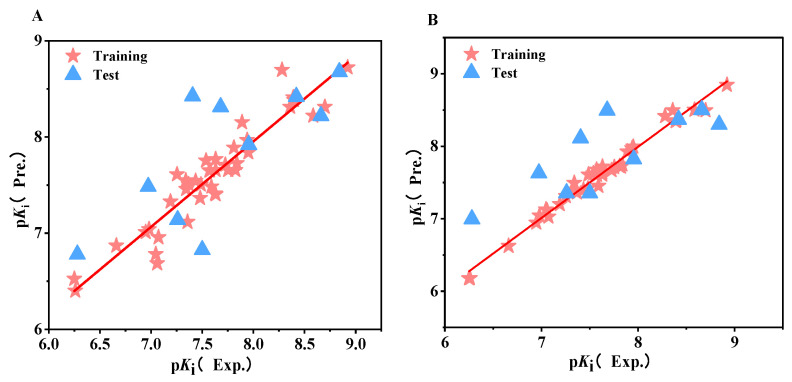 Figure 3
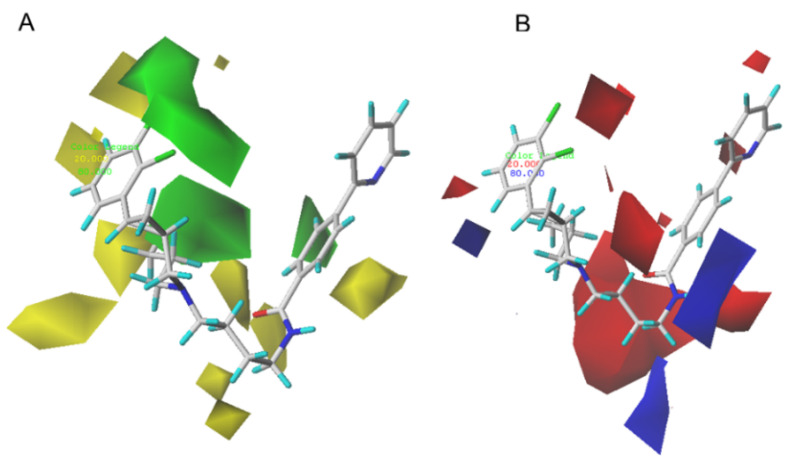 Figure 4
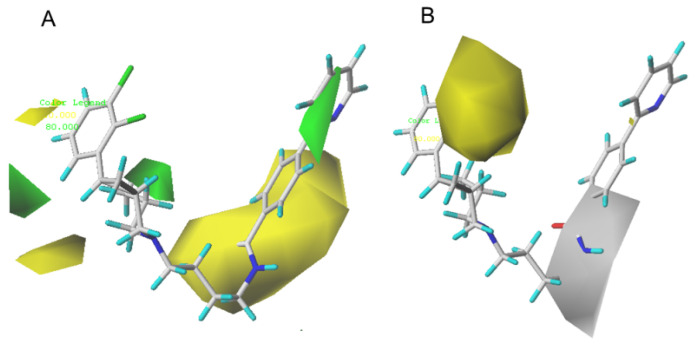 Figure 5
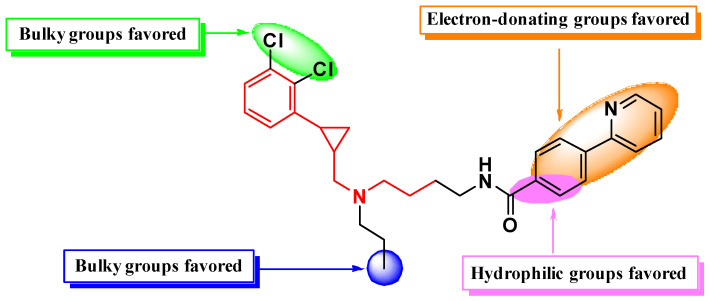 Figure 6
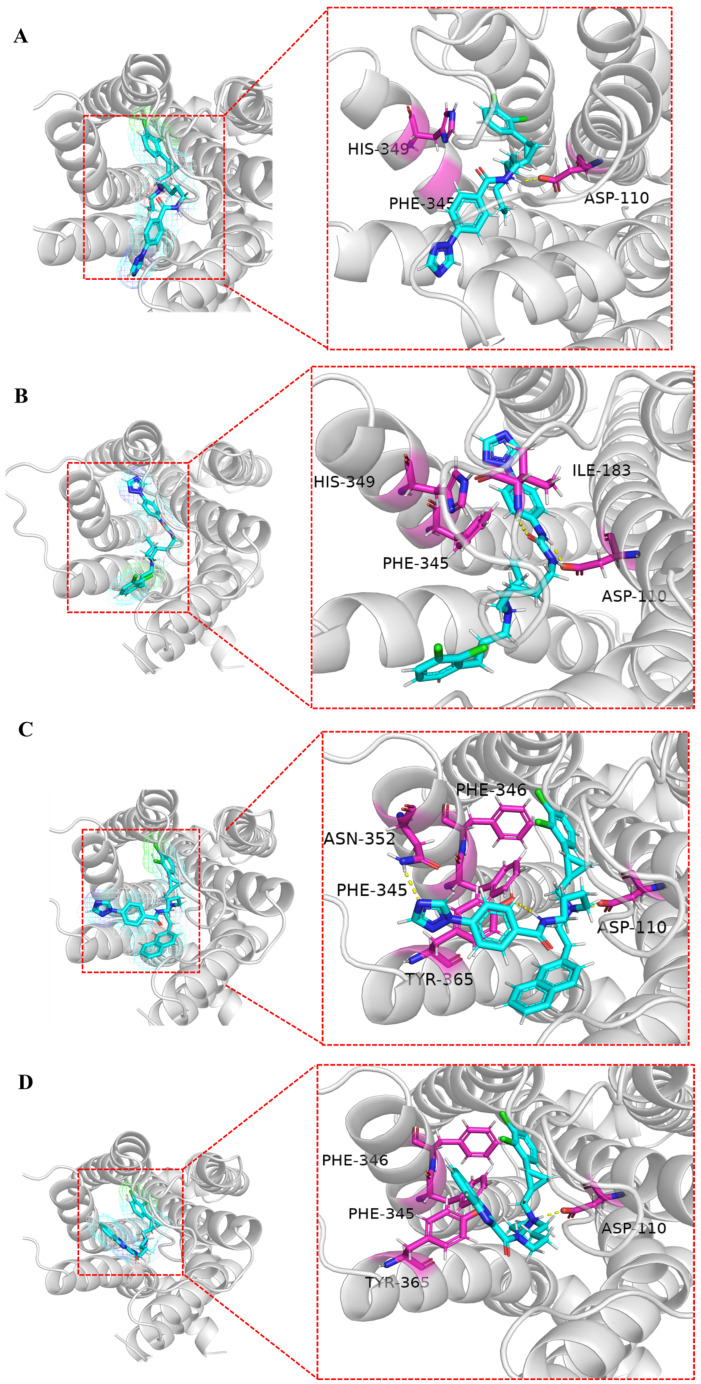 Figure 7
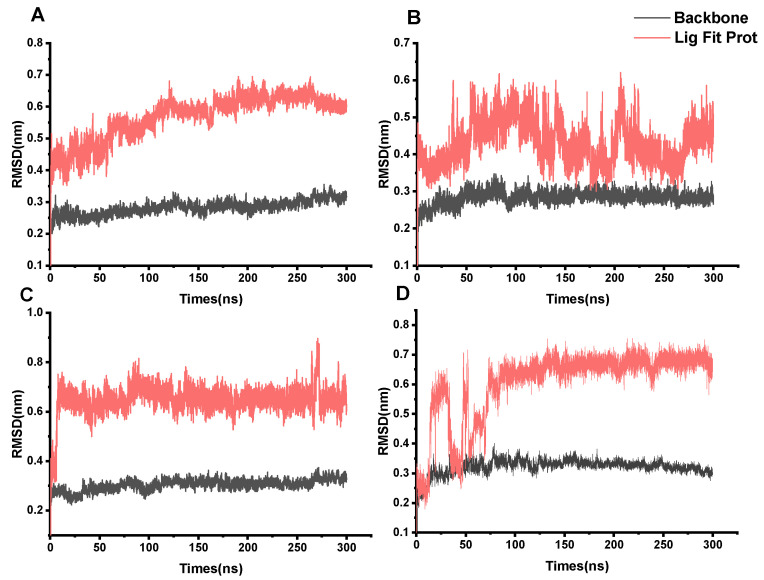 Figure 8
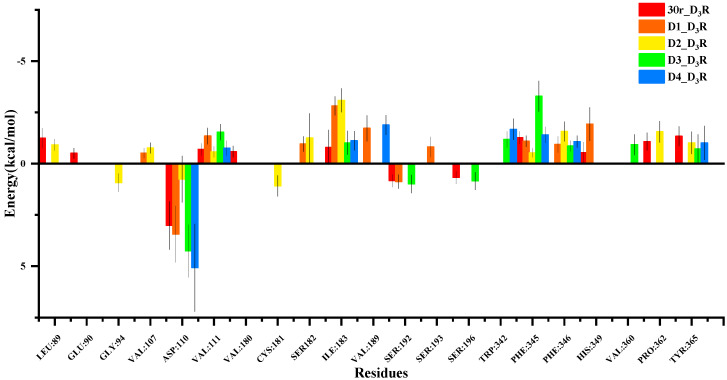 Figure 9
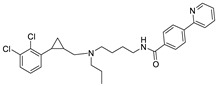 Figure 10
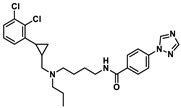 Figure 11
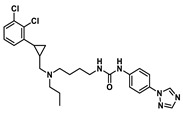 Figure 12
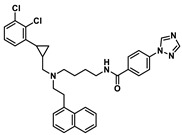 Figure 13
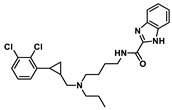 Figure 14
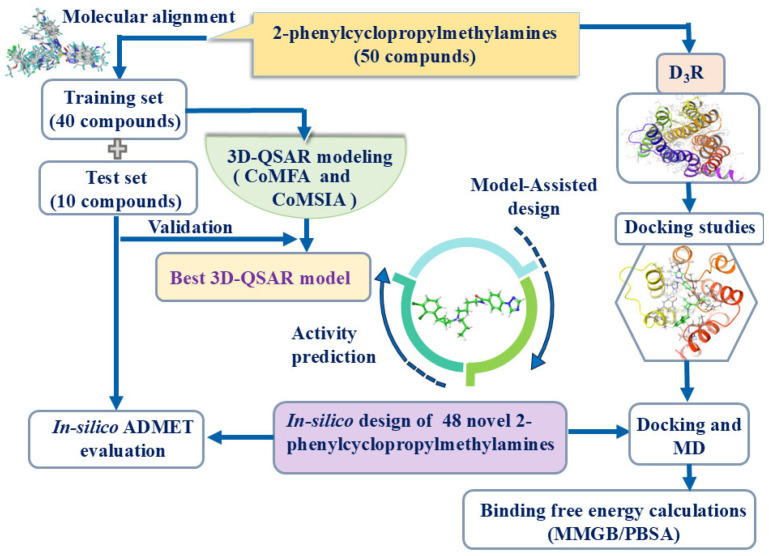 Figure 15
Peer Reviews
No public reviews on file for this paper yet. If you reviewed it on a platform where reviews are public (OpenReview, ICLR, NeurIPS, ICML), you can paste yours below so the community can read it here.
Videos
No videos yet. Explain this paper in a talk, walkthrough, or lecture? Add one.
Taxonomy
TopicsReceptor Mechanisms and Signaling · Computational Drug Discovery Methods · Chemical Synthesis and Analysis