Longitudinal Evaluation of the Detection Potential of Serum Oligoelements Cu, Se and Zn for the Diagnosis of Alzheimer’s Disease in the 3xTg-AD Animal Model
Olivia F. M. Dias, Nicole M. E. Valle, Javier B. Mamani, Cicero J. S. Costa, Arielly H. Alves, Fernando A. Oliveira, Gabriel N. A. Rego, Marta C. S. Galanciak, Keithy Felix, Mariana P. Nucci, Lionel F. Gamarra

TL;DR
This study explores how copper, selenium, and zinc levels in blood can help detect Alzheimer's disease early in a mouse model before symptoms appear.
Contribution
The study demonstrates that serum oligoelements can detect Alzheimer's progression earlier than cognitive or motor symptoms.
Findings
Serum copper, zinc, and selenium levels changed before cognitive and motor deficits in Alzheimer's mice.
β-amyloid deposits increased from the fifth month in transgenic mice.
Oligoelement analysis is a promising early diagnostic tool for Alzheimer's disease.
Abstract
Alzheimer’s disease (AD) is a progressive neurodegenerative disorder characterized by the accumulation of β-amyloid (Aβ) and hyperphosphorylated tau, leading to neuroinflammation, oxidative stress, and neuronal death. Early detection of AD remains a challenge, as clinical manifestations only emerge in the advanced stages, limiting therapeutic interventions. Minimally invasive biomarkers are essential for early identification and monitoring of disease progression. This study aims to evaluate the sensitivity of the relationship between serum oligoelement levels as biomarkers and the monitoring of AD progression in the 3xTg-AD model. Transgenic 3xTg-AD mice and C57BL/6 controls were evaluated over 12 months through serum oligoelement quantification using inductively coupled plasma mass spectrometry (ICP-MS), Aβ deposition via immunohistochemistry, and cognitive assessments using memory…
Genes, proteins, chemicals, diseases, species, mutations and cell lines named across the full text — each resolved to its canonical identifier and authoritative record.
Click any figure to enlarge with its caption.
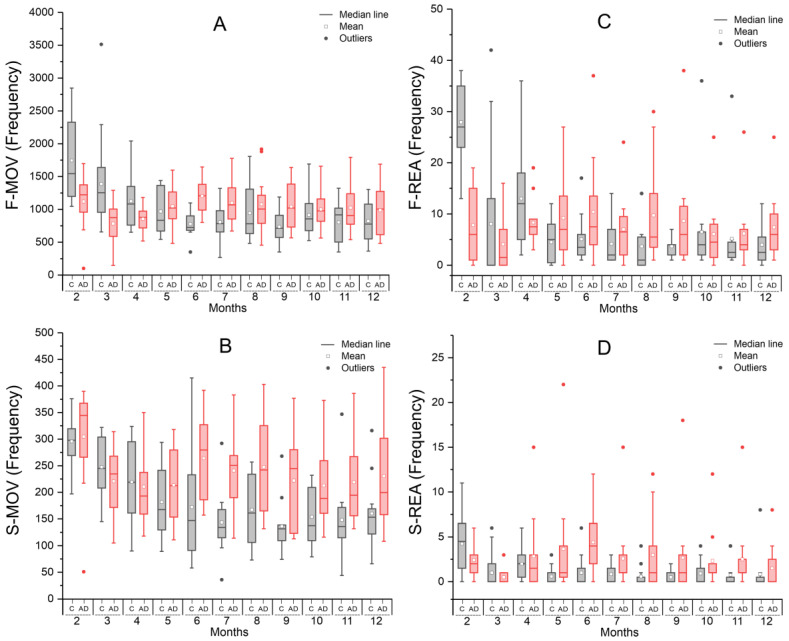 Figure 1
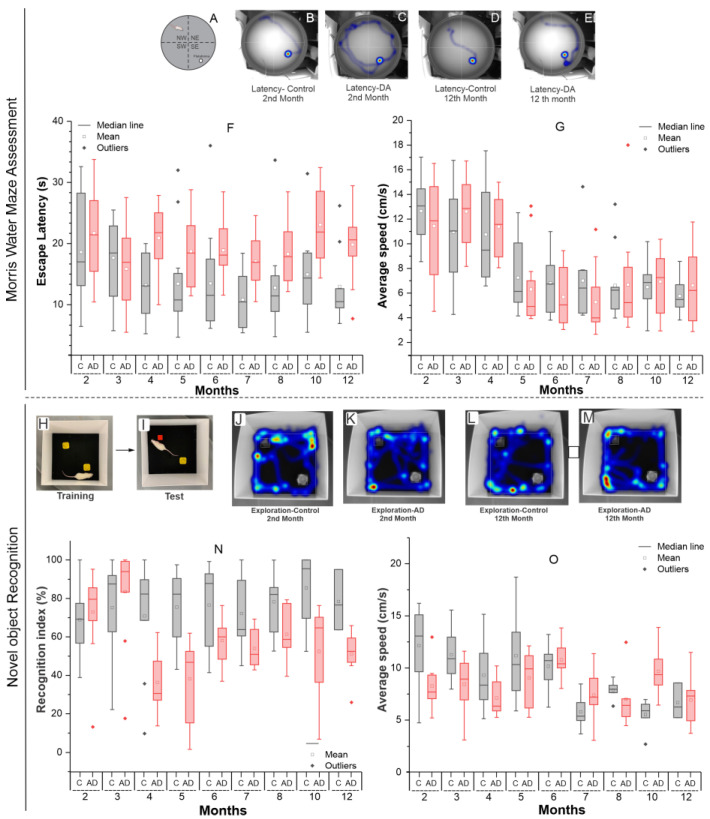 Figure 2
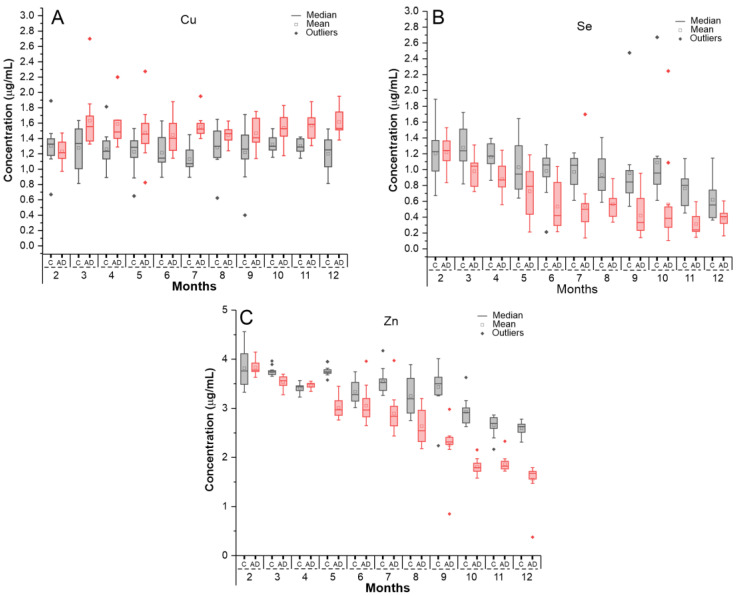 Figure 3
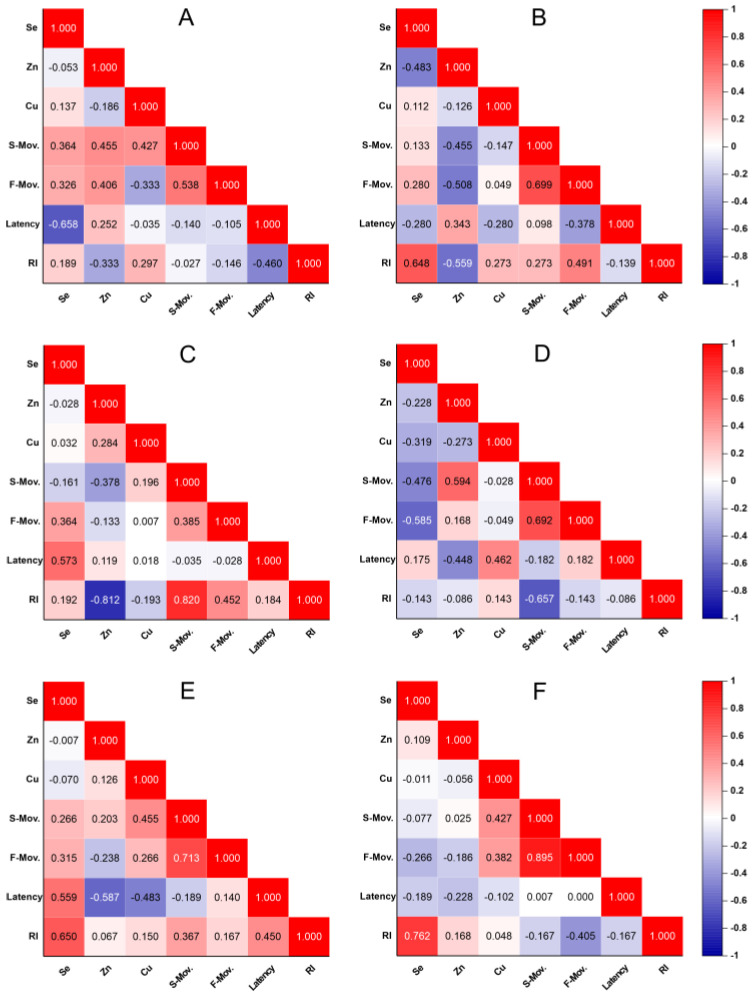 Figure 4
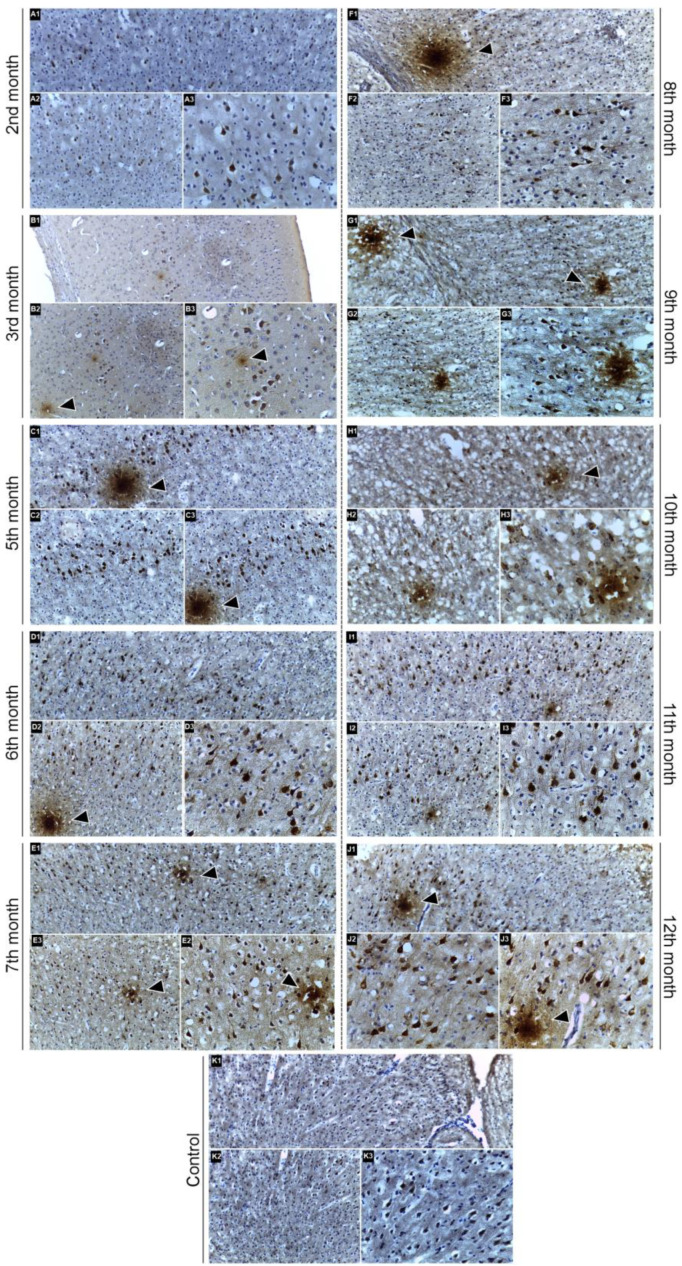 Figure 5
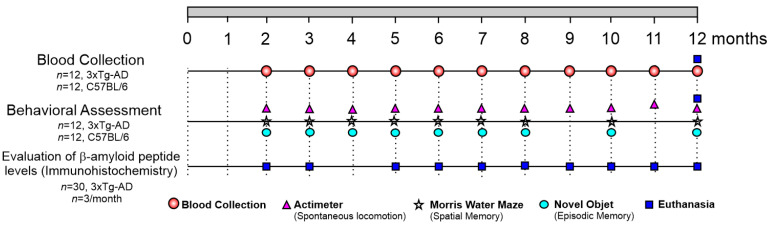 Figure 6
Peer Reviews
No public reviews on file for this paper yet. If you reviewed it on a platform where reviews are public (OpenReview, ICLR, NeurIPS, ICML), you can paste yours below so the community can read it here.
Videos
No videos yet. Explain this paper in a talk, walkthrough, or lecture? Add one.
Taxonomy
TopicsAlzheimer's disease research and treatments · Trace Elements in Health · Heavy Metal Exposure and Toxicity